What Is Serengeti National Park Famous For
July 7, 2026
How Much Does Serengeti Safari Cost
July 7, 2026
When Is the Best Time to Visit Serengeti
Planning the perfect safari begins with choosing the right time to travel. Many travelers ask, when is the best time to visit Serengeti, because they want to experience incredible wildlife, pleasant weather, and unforgettable adventures. The good news is that Serengeti National Park offers amazing safari experiences throughout the year. However, each season brings unique wildlife events, changing landscapes, and different travel opportunities. Understanding these seasonal differences helps visitors choose the perfect time based on their interests, budget, and travel goals.
Located in northern Tanzania, Serengeti National Park is one of Africa’s most celebrated wildlife destinations. It is home to the Great Migration, the Big Five, diverse birdlife, and breathtaking landscapes that attract visitors from around the world. Whether you dream of witnessing dramatic river crossings, photographing newborn wildebeest, or enjoying peaceful game drives with fewer crowds, Serengeti has something special to offer every month.
Choosing the best travel season depends on what you hope to experience. Some travelers prioritize wildlife viewing, while others seek photography, birdwatching, luxury holidays, or family adventures. By understanding how the seasons shape the park, you can plan a safari that delivers unforgettable memories and exceptional wildlife encounters.
Why Timing Matters for a Serengeti Safari
The timing of your safari plays a significant role in shaping your overall experience. Although Serengeti National Park remains a fantastic destination throughout the year, seasonal changes influence wildlife movement, vegetation, weather, road conditions, and visitor numbers. As a result, choosing the right travel period helps you enjoy the experiences that matter most.
During the dry season, shorter grass makes wildlife easier to spot because animals gather around rivers and waterholes. Visitors often enjoy excellent opportunities to observe lions, elephants, buffaloes, giraffes, leopards, and many other species within a relatively short time.
On the other hand, the green season transforms the Serengeti into a lush paradise filled with colorful scenery and abundant birdlife. The fresh vegetation creates stunning photographic opportunities while attracting migratory birds from different parts of the world.
Timing also affects accommodation availability and travel costs. Peak seasons usually attract more visitors, making early booking essential. Meanwhile, quieter months often provide a more peaceful safari experience and greater flexibility when choosing accommodations.
Understanding seasonal patterns allows travelers to select a safari experience that aligns with their interests rather than simply choosing the most popular travel period.
Best Time to Visit Serengeti for the Great Migration
The Great Migration remains the Serengeti’s most famous wildlife event and one of the greatest natural spectacles on Earth. Millions of wildebeest, zebras, and gazelles move across the Serengeti ecosystem each year in search of fresh grazing land and water. Because this migration follows seasonal rainfall rather than fixed calendar dates, the best viewing locations change throughout the year.
From January through March, the southern Serengeti becomes the center of activity during the calving season. Thousands of wildebeest calves are born within a short period, creating remarkable wildlife encounters as predators closely follow the newborn animals. This season offers incredible opportunities to witness the circle of life in the African wilderness.
Between April and June, the herds gradually move toward the central and western Serengeti. During this period, travelers often witness long lines of migrating animals stretching across the plains.
From July through October, many visitors hope to experience dramatic river crossings in the northern Serengeti. These crossings create unforgettable wildlife moments as animals face strong river currents and crocodiles while continuing their migration.
By November and December, seasonal rains encourage many herds to begin returning south. Every stage of the migration offers unique wildlife experiences, making careful planning an important part of a successful Serengeti safari.
Exploring the Dry Season in Serengeti
The dry season, which generally extends from June through October, remains one of the most popular times to visit Serengeti National Park. During these months, rainfall becomes limited, vegetation grows shorter, and wildlife gathers near permanent water sources. These conditions make animal sightings easier and often more rewarding.
Morning and evening game drives frequently produce outstanding wildlife encounters. Visitors regularly observe lions resting beneath acacia trees, elephants moving between waterholes, giraffes feeding peacefully, and predators searching for prey across the open plains.
The dry weather also creates comfortable travel conditions. Roads remain easier to navigate, and clear skies provide excellent visibility throughout the day. These factors contribute to enjoyable game drives and exceptional wildlife photography.
Although the dry season attracts larger numbers of visitors, the Serengeti’s enormous size allows travelers to enjoy peaceful safari experiences in many areas of the park. Choosing experienced guides and well-planned itineraries helps avoid crowded wildlife sightings while maximizing game-viewing opportunities.
Because of the strong demand during these months, travelers should book accommodations and flights several months in advance. Early planning ensures better lodge availability and greater flexibility when designing a safari itinerary.
Discovering the Green Season and Its Hidden Advantages
Many first-time visitors overlook the green season, yet it offers several remarkable advantages that make it an excellent time to explore Serengeti National Park. Generally occurring between November and May, this period transforms the landscape into a vibrant natural paradise filled with fresh grass, blooming plants, and dramatic skies.
One of the greatest benefits of the green season is the stunning scenery. The lush vegetation creates beautiful backgrounds for wildlife photography while adding rich colors to every game drive. Photographers especially appreciate the dramatic clouds, soft lighting, and vibrant landscapes during this time of year.
Birdwatchers also find the green season particularly rewarding. Hundreds of migratory bird species arrive in the Serengeti, creating exciting opportunities to observe colorful and diverse birdlife.
Visitor numbers often decrease during these months, allowing travelers to enjoy quieter game drives and more intimate wildlife experiences. Lodges may also offer attractive seasonal rates, making the green season an appealing option for travelers seeking excellent value.
Although occasional rain showers occur, they rarely last all day. Instead, they refresh the landscape and contribute to the incredible beauty that defines this season.
Best Months to Visit Serengeti for Wildlife Encounters
Wildlife viewing remains outstanding throughout the year, but certain months provide unique opportunities depending on the animals and experiences travelers hope to enjoy. Understanding these seasonal highlights helps visitors plan more rewarding safaris.
From January through March, wildlife activity increases around the southern plains as thousands of wildebeest calves arrive. Predator sightings become especially exciting because lions, cheetahs, hyenas, and leopards take advantage of the abundance of young prey.
Between June and October, dry conditions encourage many animals to gather around rivers and water sources. This concentration improves viewing opportunities for elephants, buffaloes, zebras, giraffes, and numerous antelope species.
The northern Serengeti becomes particularly popular from July through October as migration herds approach the Mara River. River crossings create dramatic wildlife encounters that rank among Africa’s most memorable safari experiences.
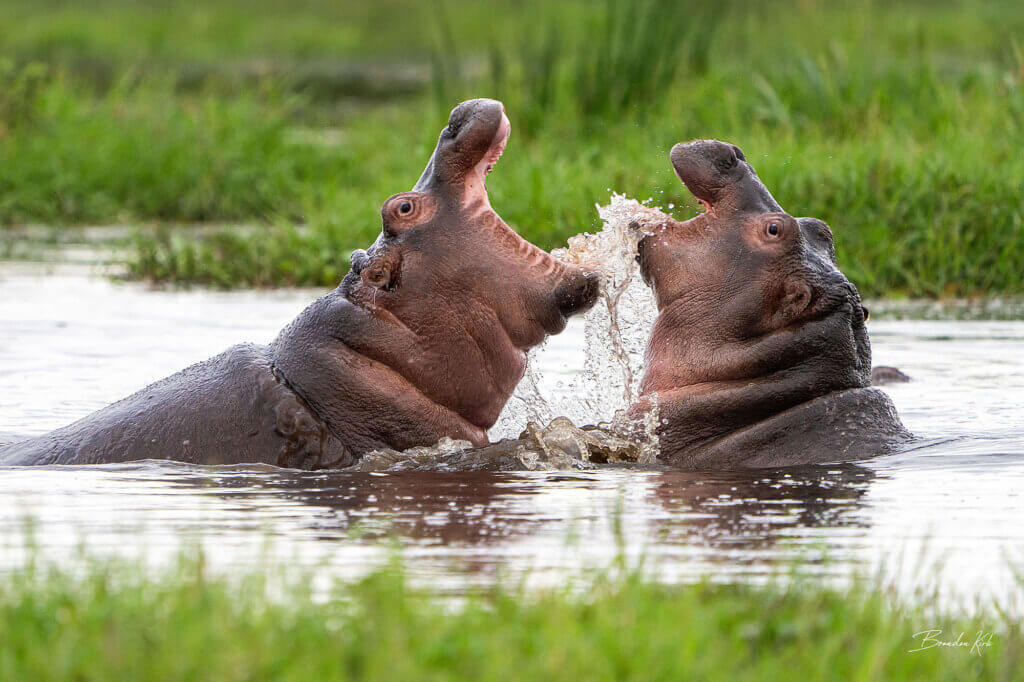
Throughout the year, resident wildlife continues to thrive across the park. Lions, leopards, elephants, hippos, crocodiles, jackals, hyenas, and countless bird species remain active regardless of migration movements.
Rather than asking whether wildlife exists during a particular month, travelers should consider which specific experiences they wish to enjoy. Every season reveals a different side of the Serengeti, making each visit unique and unforgettable.
Best Time to Visit Serengeti for Birdwatching and Photography
While many visitors focus on large mammals, Serengeti National Park also offers incredible opportunities for birdwatching and wildlife photography throughout the year. The ideal travel period depends on the type of images or bird species you hope to capture. Fortunately, every season provides unique photographic advantages that appeal to beginners and professional photographers alike.
The green season, especially from November through April, attracts hundreds of migratory bird species. Bright breeding plumage, active nesting behavior, and lush vegetation create excellent conditions for bird photography. Species such as kingfishers, bee eaters, rollers, hornbills, secretary birds, and fish eagles add vibrant colors to every safari.
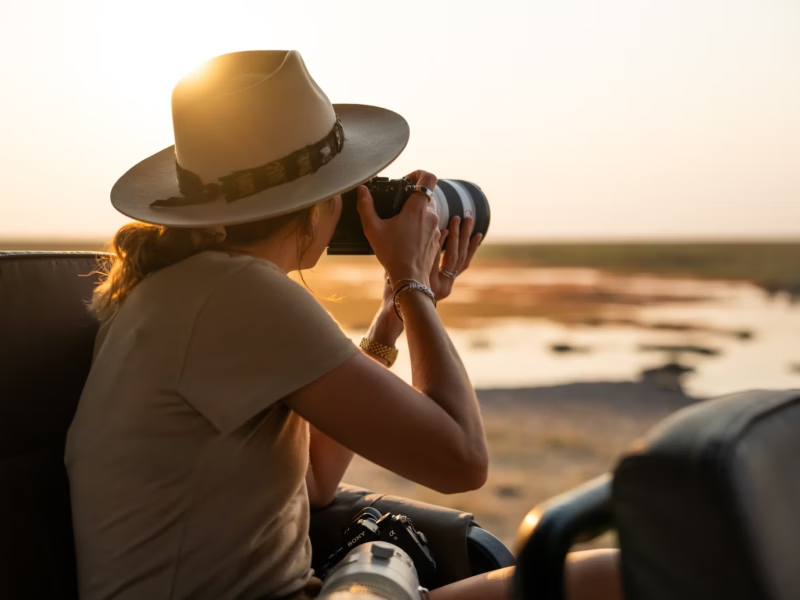
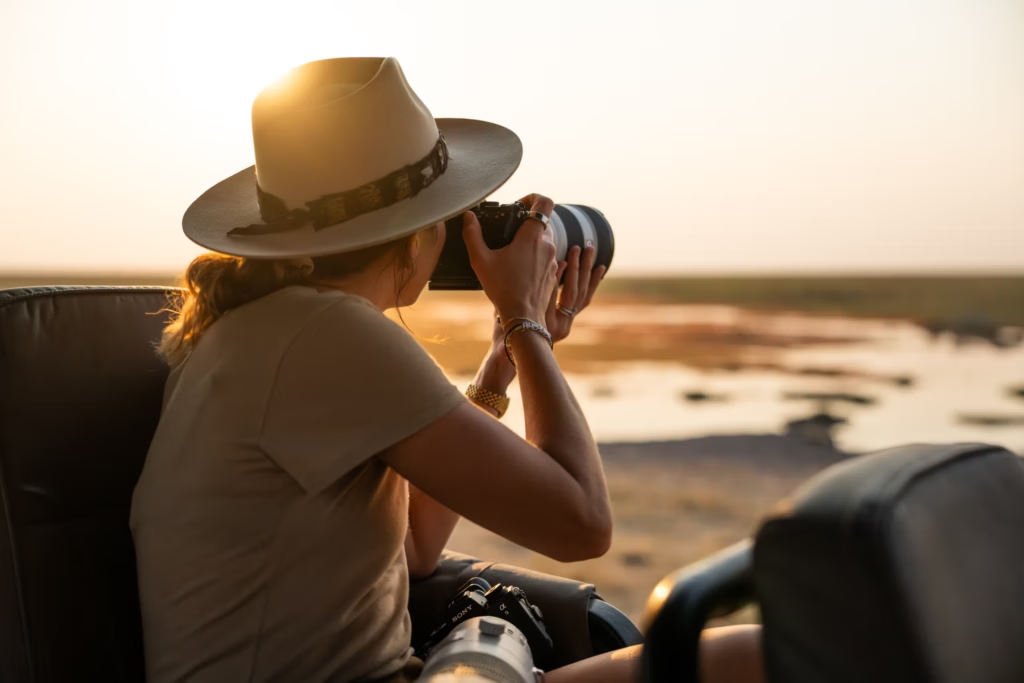
Wildlife photographers often prefer the dry season because shorter grass improves visibility. Animals gather around rivers and waterholes, allowing photographers to capture dramatic wildlife interactions with fewer visual obstacles. Golden morning light and warm evening sunsets also create beautiful natural lighting that enhances every photograph.
The Great Migration offers another remarkable photography opportunity. Massive herds moving across endless plains, dramatic predator encounters, and famous river crossings create unforgettable images that tell powerful wildlife stories.
Successful photography depends not only on the season but also on patience, preparation, and experienced guides who understand animal behavior. Every visit presents opportunities to capture moments that preserve the beauty of the Serengeti for years to come.
Understanding Serengeti Weather Throughout the Year
Weather plays an important role when planning a safari because it influences wildlife movement, road conditions, and overall travel comfort. Fortunately, Serengeti National Park enjoys a pleasant climate throughout the year, making it a reliable destination for wildlife adventures in every season.
The dry season generally stretches from June through October. During these months, sunny days, cooler mornings, and very little rainfall create comfortable conditions for game drives. Dust levels may increase toward the end of the dry season, but clear skies and excellent wildlife visibility often outweigh this minor inconvenience.
The short rains usually arrive during November and December. These showers refresh the landscape without significantly disrupting safari activities. Rain often falls during the afternoon or evening, leaving plenty of time for successful morning game drives.
Longer rains typically occur from March through May. Although rainfall becomes more frequent, many travelers still enjoy rewarding safaris because wildlife remains active and landscapes become incredibly green and beautiful.
Temperatures remain fairly consistent throughout the year. Warm daytime conditions combine with cooler mornings and evenings, especially during the dry season. Packing lightweight clothing along with a warm jacket for early morning drives helps visitors remain comfortable regardless of travel dates.
Choosing the Right Season for Your Safari
Careful planning transforms a good safari into an unforgettable one. While Serengeti National Park offers outstanding wildlife experiences throughout the year, thoughtful preparation allows travelers to maximize every moment of their adventure.
The first step involves deciding how many days to spend in the park. Although short visits can be enjoyable, staying for several days allows travelers to explore different regions and experience greater wildlife diversity.
Accommodation selection also plays an important role. Luxury lodges, tented camps, boutique properties, and family-friendly accommodations each offer unique experiences. Choosing lodging close to seasonal wildlife activity can significantly improve game viewing opportunities.
Travelers should also consider combining the Serengeti with nearby destinations such as Ngorongoro Crater, Tarangire National Park, or Lake Manyara National Park. These parks complement the Serengeti beautifully and create well-rounded northern Tanzania safari itineraries.
Packing wisely contributes to a comfortable journey. Neutral-colored clothing, comfortable walking shoes, sunscreen, hats, binoculars, cameras, and reusable water bottles all enhance the safari experience.
Many travelers choose Giant Holiday Safaris to create customized itineraries that match seasonal wildlife movements, accommodation preferences, and individual travel interests. Personalized planning helps visitors enjoy a smooth, memorable, and rewarding safari from beginning to end.
Experience the Best Time to Visit Serengeti With Confidence
Understanding when is the best time to visit Serengeti helps travelers plan a safari that matches their dreams and expectations. Rather than focusing on one perfect month, visitors should consider which wildlife experiences, landscapes, weather conditions, and travel styles appeal most to them. Every season reveals a different side of the Serengeti, making each visit unique and unforgettable.
The dry season offers exceptional wildlife viewing and dramatic Great Migration moments, while the green season rewards visitors with beautiful scenery, vibrant birdlife, newborn animals, and fewer crowds. Whether your goal is photography, family travel, luxury relaxation, or witnessing one of nature’s greatest spectacles, Serengeti National Park delivers extraordinary experiences throughout the year.
Beyond its famous wildlife, the Serengeti represents one of Africa’s greatest conservation achievements. Every safari supports ongoing efforts to protect wildlife, preserve ecosystems, and promote sustainable tourism for future generations.
For travelers seeking expertly planned adventures, Giant Holiday Safaris creates personalized itineraries that align with seasonal wildlife movements, preferred travel dates, and individual interests. Ultimately, understanding when is the best time to visit Serengeti allows every visitor to experience one of the world’s greatest safari destinations with confidence, excitement, and memories that last a lifetime.
Combined Uganda, Kenya, Rwanda and Tanzania Safaris
17 days Kenya Tanzania and Uganda safari
19 Days Uganda Kenya and Tanzania Safari
16 Days Kenya Tanzania and Uganda Safari
14 Days Kenya Uganda and Tanzania Safari
14 Days Kenya Uganda and Rwanda Safari