Can I See Cheetahs in Serengeti
July 31, 2026
What Birds Can I See in Tanzania
July 31, 2026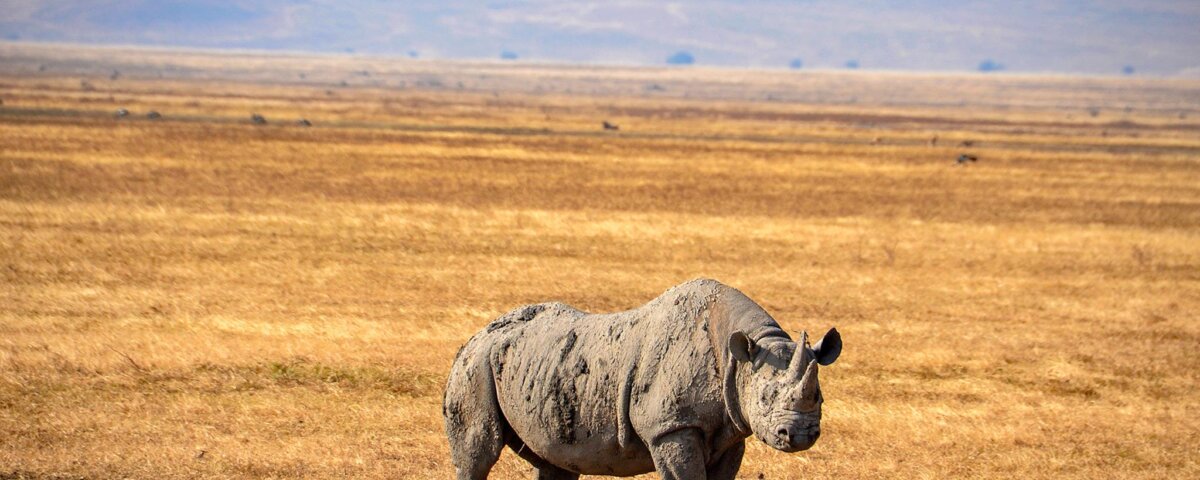
Where Can I See Rhinos in Tanzania
If you are wondering where can I see rhinos in Tanzania, you are looking for one of the rarest and most rewarding wildlife encounters in East Africa. Tanzania remains home to a small but important population of black rhinos, and seeing one in the wild requires careful planning, patience, and a little luck. Unlike elephants, zebras, or wildebeest, rhinos do not live in large numbers across every safari park. Their populations face serious conservation challenges, so Tanzania protects them within carefully managed areas. The best known destination for rhino viewing is the Ngorongoro Crater, where travelers have a strong opportunity to search for black rhinos across the open crater floor. Serengeti National Park also supports rhinos, particularly in protected areas such as the Moru Kopjes region. Other destinations may have historical or occasional rhino records, but they do not offer the same reliable opportunity. Therefore, if your dream involves seeing a rhino in its natural habitat, understanding where to go, when to travel, and how to plan your safari will help you enjoy a more meaningful and responsible wildlife experience.
Combined Uganda, Kenya, Rwanda and Tanzania Safaris
17 days Kenya Tanzania and Uganda safari
19 Days Uganda Kenya and Tanzania Safari
16 Days Kenya Tanzania and Uganda Safari
14 Days Kenya Uganda and Tanzania Safari
14 Days Kenya Uganda and Rwanda Safari
12 Day Gorilla Trekking and Tanzania Safari
Why Rhinos Are So Rare in Tanzania
Rhinos once moved across large parts of Tanzania and other regions of Africa. However, decades of illegal hunting and poaching caused their numbers to fall sharply. Today, black rhinos remain among the most threatened large mammals on the continent, and conservation teams continue to protect the remaining populations.
This history explains why travelers cannot expect to see rhinos in every Tanzanian national park. Unlike more common safari animals, rhinos require careful conservation management. Their limited numbers also make every sighting particularly special.
Tanzania continues to protect rhino habitats through national parks and conservation areas. Rangers, conservation organizations, local communities, and tourism operators all play important roles in protecting these animals.
The rarity of rhinos also adds value to the safari experience. Seeing one is not simply another wildlife sighting. Instead, it connects travelers with a much larger conservation story involving habitat protection, anti poaching efforts, and the survival of an endangered species.
Therefore, when planning a safari, travelers should approach rhino viewing with realistic expectations. A responsible safari company will never promise a guaranteed sighting. Instead, experienced guides will help you visit areas where rhinos have a reasonable chance of appearing while respecting wildlife and conservation rules.
Ngorongoro Crater Is the Best Place to See Rhinos in Tanzania
When travelers ask where can I see rhinos in Tanzania, Ngorongoro Crater usually provides the strongest answer. The crater supports one of Tanzania’s most important remaining populations of black rhinos, making it a major destination for travelers who hope to see these rare animals.
The crater’s unique geography creates a relatively enclosed ecosystem. Its grasslands, woodland areas, wetlands, and permanent water sources support a wide range of wildlife. These conditions also provide suitable habitat for rhinos.
During a game drive, your guide may search open grasslands where rhinos sometimes move or graze. The open landscape can make them easier to spot than in areas with thick vegetation. However, rhinos remain wild animals, and they may move away from roads or remain hidden for periods of time.
The crater also provides opportunities to see lions, elephants, buffaloes, zebras, wildebeest, hippos, hyenas, and many other species. Consequently, travelers can enjoy a rich wildlife experience even if a rhino remains elusive.
A visit to Ngorongoro therefore combines strong rhino viewing potential with excellent overall game viewing. For first time safari travelers, it often provides one of the best opportunities to include rhino conservation and wildlife viewing within the same Tanzania itinerary.
Serengeti National Park Also Has Black Rhinos
The Serengeti is famous for the Great Migration, lions, cheetahs, leopards, elephants, and vast herds of wildebeest. However, the park also provides an opportunity to search for black rhinos.
Rhino sightings in the Serengeti can prove more difficult than in Ngorongoro Crater because the ecosystem covers a much larger area. Rhinos may live in specific habitats and move through areas where vegetation provides cover.
The Moru Kopjes region in the central Serengeti is particularly important for rhino conservation. The rocky kopjes and surrounding plains create a distinctive landscape where travelers may have opportunities to search for these rare animals.
The Serengeti’s vastness makes patience especially important. A skilled guide can use local knowledge and recent wildlife information to explore suitable areas. However, travelers should understand that a rhino sighting remains a special event rather than a guaranteed part of every game drive.
Combining Serengeti with Ngorongoro Crater can therefore create a stronger overall opportunity for rhino viewing. At the same time, travelers can experience the remarkable diversity of the Serengeti ecosystem.
For wildlife enthusiasts, the possibility of seeing a black rhino adds another layer of excitement to an already extraordinary safari destination.
The Great Migration and Rhino Viewing Are Different Experiences
Many travelers plan a Tanzania safari around the Great Migration and wonder whether they can also see rhinos during the same trip. The answer is yes, but the two experiences require different expectations.
The Great Migration involves large herds of wildebeest and zebras moving through the Serengeti ecosystem. These animals attract predators and create some of Africa’s most famous wildlife scenes.
Rhino viewing, by contrast, focuses on a much rarer and more difficult encounter. Rhinos do not follow the same seasonal migration patterns as wildebeest. Instead, they live within specific territories and habitats.
Therefore, travelers who want to experience both should build enough time into their itinerary. A safari that combines the Serengeti with Ngorongoro Crater can offer opportunities to witness the migration while also searching for rhinos.
The timing of the migration depends on rainfall and grazing conditions, so travelers should plan carefully. Rhino viewing remains possible outside the main migration periods, which means visitors do not need to organize their entire safari around the wildebeest movement.
A well balanced itinerary can therefore combine the excitement of the migration with the quieter and more focused experience of searching for one of Tanzania’s rarest animals.
When Is the Best Time to See Rhinos in Tanzania?
Rhinos live in Tanzania throughout the year, so you do not need to visit during one specific month to have a chance of seeing them. However, seasonal conditions can influence wildlife viewing.
During the dry season, vegetation often becomes shorter and less dense. Animals may also gather around reliable water sources. These conditions can sometimes make rhinos easier to locate and observe.
The dry months can therefore provide favorable conditions for travelers who want to focus strongly on wildlife viewing. However, the exact timing of a rhino sighting depends on natural animal movements and cannot follow a fixed schedule.
The wet season also offers valuable experiences. Fresh vegetation creates beautiful green landscapes, while many animals benefit from improved food availability. The scenery can look especially impressive, and fewer tourists may visit some destinations.
Therefore, the best time to see rhinos depends on your wider safari goals. If you want to combine rhino viewing with general wildlife and comfortable game drives, the dry season may appeal to you. If you prefer lush landscapes and fewer visitors, the green season can offer a different experience.
Most importantly, travelers should prioritize conservation and wildlife welfare rather than chasing a guaranteed sighting.
How Guides Help Travelers Find Rhinos
Finding a rhino in the wild requires more than simply driving through a national park. Experienced safari guides understand animal behavior, local habitats, and seasonal wildlife patterns. Their knowledge can significantly improve your chances of encountering a rhino.
Guides often observe the landscape carefully. They may look for tracks, fresh dung, feeding areas, or other signs of recent animal activity. They also understand which habitats offer better opportunities during different seasons.
In addition, guides communicate with other safari vehicles and use their knowledge of the area to decide where to search. However, responsible guides also understand the importance of giving animals space.
Rhinos can become stressed when vehicles approach too closely. Therefore, a professional guide will maintain a respectful distance and follow park regulations.
Giant Holiday Safaris can help travelers plan an itinerary that includes Tanzania’s strongest rhino viewing destinations while also combining the experience with other wildlife and cultural highlights.
The quality of guiding can make a major difference. A good guide does not simply help you find animals. Instead, they help you understand the ecosystem, recognize animal behavior, and appreciate the conservation work that protects Tanzania’s wildlife.
Why Rhino Conservation Matters to Tanzania’s Safari Industry
Rhino conservation represents an important part of Tanzania’s wider wildlife protection efforts. Because rhinos face serious threats from poaching and habitat loss, their survival depends on strong protection and long term conservation programs.
Tourism can contribute to these efforts by creating economic value around protected wildlife. When travelers visit national parks and conservation areas, their spending supports accommodation providers, guides, transport services, park management, and local communities.
This connection makes responsible tourism important. Travelers should choose safari operators that respect wildlife regulations and support ethical conservation practices.
The goal should never involve getting as close as possible to a rhino for a photograph. Instead, travelers should value the opportunity to observe these animals without disturbing their natural behavior.
Conservation also depends on local communities. When communities benefit from tourism and wildlife protection, they have stronger incentives to support the preservation of natural habitats.
Therefore, seeing a rhino in Tanzania represents more than a memorable photograph. It also reminds travelers that wildlife survival depends on cooperation between conservationists, communities, governments, tourism companies, and visitors.
Every responsible safari can contribute to a future where Tanzania’s rhino populations continue to survive and recover.
Can You See Rhinos on a Family Safari?
Families can include rhino viewing in a Tanzania safari, particularly when they visit Ngorongoro Crater. The destination offers a strong combination of wildlife variety, dramatic scenery, and relatively accessible game viewing.
Children often find rhinos fascinating because of their size and distinctive appearance. A knowledgeable guide can turn the experience into an educational opportunity by explaining rhino behavior, habitat, and conservation.
However, families should prepare children for the fact that wildlife sightings remain unpredictable. A rhino may appear during one game drive but remain hidden during another.
Parents should also encourage children to remain quiet and patient during wildlife viewing. This behavior helps create a respectful environment and increases the chance of observing natural animal behavior.
Families can also combine rhino viewing with encounters involving elephants, lions, zebras, giraffes, and other animals. This variety helps keep young travelers engaged throughout the safari.
The key involves choosing an itinerary that balances wildlife viewing with comfortable accommodation and reasonable travel times. Spending several nights in one area can reduce long drives and create more relaxed opportunities for game viewing.
With thoughtful planning, a family safari can therefore introduce children to rhinos while also teaching them why conservation matters.
How to Plan a Safari Focused on Rhino Viewing
If seeing a rhino ranks high on your safari priorities, your itinerary should focus on destinations with realistic viewing opportunities. Ngorongoro Crater should usually form the core of the plan, while the Serengeti can add another opportunity alongside a much wider wildlife experience.
Travelers should also allow enough time. Spending several days in northern Tanzania gives your guide more opportunities to explore suitable habitats and respond to changing wildlife conditions.
Accommodation also matters. Staying close to the areas you want to explore can reduce travel time and give you more hours for game drives.
Furthermore, choose an experienced safari company that understands your priorities. Tell your travel planner that rhino viewing matters to you before they design the itinerary.
Giant Holiday Safaris can help structure a safari around your wildlife interests while ensuring that rhino viewing fits naturally into a broader Tanzania experience.
Ultimately, the best itinerary does not focus only on one animal. Instead, it creates opportunities to appreciate the entire ecosystem while giving you a realistic chance to encounter rhinos.
This approach creates a more rewarding safari because every wildlife encounter becomes part of a larger story about Tanzania’s natural heritage.
Making Your Rhino Encounter Part of a Greater Tanzania Adventure
If you are still wondering where can I see rhinos in Tanzania, Ngorongoro Crater offers the strongest opportunity for most travelers, while the Serengeti provides another important destination for those who want to search for black rhinos. These destinations also allow travelers to experience an extraordinary range of other wildlife, from elephants and lions to wildebeest, zebras, buffaloes, and countless bird species.
Rhino viewing requires patience because these animals remain rare and unpredictable. Nevertheless, that uncertainty makes an encounter even more meaningful. A rhino standing quietly across the grassland represents the success of years of conservation work and the continuing effort to protect one of Africa’s most threatened animals.
The best approach involves planning carefully, traveling with an experienced guide, allowing enough time, and maintaining realistic expectations. Instead of measuring your safari only by the number of animals you see, focus on the quality of the experience and the opportunity to witness wildlife in its natural environment.
Tanzania offers travelers a chance to connect with nature while supporting an industry that can contribute to conservation and local communities. Therefore, when asking where can I see rhinos in Tanzania, look beyond the location itself. Choose an itinerary that brings you closer to the country’s remarkable ecosystems and the conservation story behind them. With the right planning, your search for rhinos can become one of the most memorable parts of an unforgettable Tanzania safari.