What are the best safari lodges near Amboseli?
August 18, 2026
Can you see crocodiles in Kenya safaris?
August 19, 2026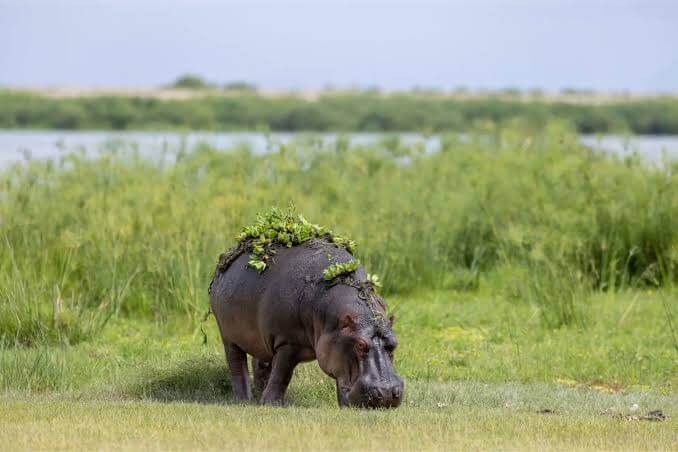
Which Kenya Parks Have Hippos?
Kenya offers one of Africa’s most diverse wildlife experiences, and hippopotamuses rank among the most fascinating animals to encounter on safari. These huge semi-aquatic mammals spend much of the day in water and emerge mainly around dusk and during the night to feed on grass. Their size, behavior, territorial nature, and close connection with rivers and wetlands make them an exciting part of a Kenyan safari.
So, which Kenya parks have hippos? Several protected areas support wild hippo populations, especially where permanent rivers, lakes, swamps, and wetlands provide suitable habitat. The strongest places to consider include Amboseli National Park, Meru National Park, Tsavo East National Park, Tsavo West National Park, Kora National Park, Nairobi National Park, Lake Nakuru National Park, and Ndere Island National Park. Hippos also occur in several wildlife areas and lake ecosystems outside the main national-park circuit.
However, seeing a hippo requires more than simply choosing a park known to contain them. Water levels, season, animal movements, vegetation, and the location of rivers or pools all influence sightings. Therefore, a well-planned safari should focus on habitats where hippos naturally spend their time rather than treating them like animals that appear throughout every part of a park.
Kenya Wildlife Service manages and protects a wide network of national parks and protected areas across different ecosystems, from the dry landscapes of Tsavo to the river systems of Meru and the Lake Victoria region. This ecological variety explains why Kenya remains such a strong destination for travelers who want to experience hippos alongside elephants, lions, rhinos, buffaloes, giraffes, crocodiles, and abundant birdlife.
Combined Uganda, Kenya, Rwanda and Tanzania Safaris
17 days Kenya Tanzania and Uganda safari
19 Days Uganda Kenya and Tanzania Safari
16 Days Kenya Tanzania and Uganda Safari
14 Days Kenya Uganda and Tanzania Safari
14 Days Kenya Uganda and Rwanda Safari
12 Day Gorilla Trekking and Tanzania Safari
Amboseli National Park Has Hippos Around Its Wetlands
Amboseli National Park stands among Kenya’s best-known safari destinations, famous for its large elephant herds and spectacular views toward Mount Kilimanjaro. Yet elephants are not the only attraction. The park’s wetlands, marshes, and seasonal water systems also provide suitable habitat for hippopotamuses.
Amboseli’s ecology makes it particularly interesting for visitors who want to understand how wildlife survives in a landscape that can appear dry and dusty. The park contains open grasslands, acacia woodland, thorn bushland, swamps, and marshes. These habitats support a remarkable variety of animals and birds. Kenya Wildlife Service also highlights the Amboseli Lake basin and the park’s extensive wetland environment as major attractions.
Hippos in Amboseli benefit from the availability of water in the wetland areas. The 2021 National Wildlife Census recorded 97 hippos within the broader Amboseli-Magadi ecosystem, demonstrating that hippopotamuses form part of the wildlife community in this region. KWS accommodation information also lists hippos among the wildlife visitors can encounter around the park’s swamp habitat.
For travelers, this means Amboseli offers an excellent combination of iconic landscapes and water-dependent wildlife. Early morning and late afternoon game drives can produce rewarding sightings, although the best locations depend on current water conditions and animal movements. A professional guide can help identify suitable wetland areas without disturbing the animals.
The real value of Amboseli comes from combining a hippo search with the park’s wider wildlife experience. Visitors can watch elephants moving through the wetlands, photograph Kilimanjaro when the mountain appears clearly, observe waterbirds, and explore the open plains. As a result, a hippo-focused safari in Amboseli can become part of a much richer African wildlife adventure.
Meru National Park Is One of Kenya’s Strongest Hippo Destinations
Meru National Park deserves special attention when planning a Kenyan safari centered on hippos. Unlike some famous parks where visitors focus heavily on big cats or elephants, Meru provides an outstanding riverine wildlife experience.
The park covers approximately 870 square kilometers and contains rivers, springs, wetlands, grasslands, and other habitats that support a wide range of wildlife. Kenya Wildlife Service specifically lists hippo among the wildlife found in Meru National Park. It also identifies several dedicated hippo viewing locations, including the River Rojeweru Hippo Pool and the Kubai Road Hippo Pool.
These named hippo pools make Meru particularly attractive to travelers who want more than a lucky encounter. Waterholes and pools concentrate animals, especially when surrounding areas become drier. Hippos can spend long periods submerged or partly submerged, so a quiet approach with an experienced guide improves the chance of observing natural behavior.
Meru also offers an impressive variety of other wildlife. Visitors can encounter elephants, Grevy’s zebra, gerenuk, Beisa oryx, lions, cheetahs, leopards, buffaloes, hartebeest, and reticulated giraffes. The park also supports more than 400 bird species.
This combination makes Meru a valuable choice for travelers who want a quieter safari away from Kenya’s busiest tourism routes. The park’s remote character creates opportunities for slower, more immersive wildlife viewing. Instead of rushing from one famous attraction to another, visitors can spend time studying animal behavior, landscapes, rivers, and birdlife.
For a dedicated hippo safari, Meru deserves a place near the top of the list because the park provides both suitable habitat and clearly recognized hippo pools.
Tsavo East National Park Offers Hippo Encounters Along Its Rivers
Tsavo East National Park is Kenya’s largest national park and forms part of the enormous Tsavo Conservation Area together with Tsavo West. Its huge size, semi-arid terrain, and important rivers create an ecosystem where wildlife gathers around reliable sources of water.
The park contains the Tsavo and Athi Rivers, which provide critical water resources for wildlife and vegetation. These river systems create suitable conditions for hippopotamuses, especially in areas where deeper pools and slow-moving water remain available.
Tsavo East has historically supported hippos, and Kenya Wildlife Service-linked conservation research identifies the hippopotamus among the large mammals occurring in the Tsavo ecosystem. The Kenya Parks Investment Prospectus also identifies abundant hippo populations around the Tsavo River area and describes the former River Hippo Safari Site as a location close to these animals.
The experience here differs from a small wetland park. Tsavo East stretches across a vast wilderness, so hippo sightings depend heavily on where your safari vehicle travels and where water remains available. The rivers therefore become important landmarks during a wildlife search.
Tsavo East also gives travelers the chance to combine hippo viewing with some of Kenya’s most dramatic safari scenery. The park is famous for its red elephants, Lugard’s Falls, Mudanda Rock, Aruba Dam, open plains, and diverse birdlife. KWS records more than 500 bird species in the park, adding another dimension to the safari.
Travelers who want a large-scale wilderness experience should therefore consider Tsavo East. A river-focused game drive can produce sightings of hippos, crocodiles, elephants, buffaloes, and many water-dependent birds in the same broader ecosystem.
Tsavo West National Park Combines Hippos With Mzima Springs
Tsavo West National Park provides another important hippo habitat within the Tsavo ecosystem. The park differs considerably from Tsavo East because volcanic landscapes, lava flows, hills, springs, and lush pockets of vegetation shape much of the environment.
One of its most famous attractions is Mzima Springs, where clear groundwater rises through the volcanic landscape and forms a permanent water system. KWS identifies Mzima Springs as one of Tsavo West’s major attractions and notes that the springs support a wide range of wildlife and birdlife.
Water sources matter enormously to hippos. These animals depend on aquatic environments during the hottest part of the day because water helps them regulate body temperature and provides protection from the intense African sun. Therefore, permanent or reliable water sources naturally become important locations for hippo observation.
Tsavo West also includes Lake Jipe, a transboundary lake shared with Tanzania. Its wetlands and shoreline provide additional aquatic habitat and support diverse birdlife.
A safari through Tsavo West can therefore offer more than a simple hippo sighting. Visitors can explore volcanic landscapes, observe elephants and buffaloes, search for predators, visit Mzima Springs, and enjoy spectacular sunsets. The park also forms part of a much larger conservation landscape with Tsavo East, making it easy to combine both parks into one extended safari circuit.
For travelers who appreciate scenery as much as wildlife, Tsavo West can be especially rewarding. Its combination of springs, lava formations, rivers, and wildlife creates a safari environment that feels distinctly different from Kenya’s open savannah parks.
Kora National Park Protects Hippos Along the Tana River
Kora National Park offers one of Kenya’s more remote opportunities for hippo viewing. The park sits along the Tana River and forms part of the Meru-Kora conservation landscape. Its rugged terrain, inselbergs, riverine habitats, and historical connection with George and Joy Adamson create an experience far removed from the busiest safari routes.
The Tana River plays a central role in the park’s ecology. KWS describes the river as forming the northern boundary with Meru National Park, while Adamson’s Falls, Grand Falls, and Kora Rapids add major scenic features.
The Kenya Parks Investment Prospectus specifically lists hippos and crocodiles along the Tana River in Kora National Park. This makes the park an important destination for travelers interested in river wildlife.
Kora requires more planning than Kenya’s better-known parks. The roads can be challenging, and KWS recommends four-wheel-drive access throughout the year. That remoteness, however, forms part of the attraction. Travelers can experience a wilderness landscape with fewer vehicles and a strong sense of exploration.
A Kora safari works particularly well for experienced travelers who want to move beyond the classic Kenya itinerary. Hippos can form part of a river-focused wildlife search, while elephants, crocodiles, birds, and other species add variety.
Kora also carries important conservation history. George and Joy Adamson’s work in the region connects the landscape with one of Africa’s most recognized conservation stories. Consequently, visiting Kora offers both wildlife viewing and a deeper appreciation of Kenya’s conservation heritage.
Nairobi National Park Also Has Hippos
Nairobi National Park may surprise travelers who associate hippos only with remote lakes and rivers. Located close to Kenya’s capital, the park demonstrates how wildlife can survive alongside a major modern city.
Kenya Wildlife Service describes Nairobi National Park as the world’s only wildlife capital and highlights its open plains, riverine habitats, wetlands, and rich biodiversity. These riverine environments provide habitat for hippos.
Independent wildlife records also identify hippopotamuses among the species occurring in Nairobi National Park, particularly around rivers and dams. However, visitors should understand that a hippo sighting is not guaranteed simply because the species occurs in the park. Water conditions and animal movements influence sightings, just as they do elsewhere.
The biggest advantage of Nairobi National Park is accessibility. Travelers who have only a short time in Nairobi can enter a genuine wildlife environment without traveling several hours into the countryside. The park supports lions, leopards, buffaloes, giraffes, zebras, rhinos, cheetahs, and more than 400 bird species.
For international travelers with a tight schedule, this makes Nairobi National Park a valuable first or final safari destination. A morning game drive can provide a strong introduction to Kenya’s wildlife before a traveler continues to another destination.
The experience also highlights an important conservation lesson: Kenya’s wildlife heritage does not exist only in distant wilderness areas. Protected spaces close to cities can still provide essential habitat when conservation planning, wildlife management, and surrounding land use work together.
Ndere Island National Park Provides a Unique Lake Victoria Hippo Experience
Ndere Island National Park offers a very different hippo safari experience because the park lies within Lake Victoria. Rather than following large savannah plains, visitors explore an island landscape surrounded by water.
Kenya Wildlife Service confirms that Ndere Island supports hippopotamuses, zebras, Nile crocodiles, African fish eagles, and other wildlife. The island’s rolling hills, shallow valleys, grasslands, and lakeside environment create a peaceful setting for wildlife exploration.
This destination can work especially well for travelers exploring western Kenya. It provides an opportunity to combine wildlife with Lake Victoria scenery, local culture, birdwatching, nature walks, hiking, and outdoor activities.
Hippo viewing here requires respect for the animals and the water environment. Hippopotamuses may look calm when they rest in water, but they remain powerful and territorial wild animals. Visitors should never approach them on foot or attempt to enter the water near them.
Ndere Island also demonstrates why travelers should look beyond Kenya’s most famous safari destinations. The country has many ecosystems, and each supports different wildlife experiences. A traveler who focuses only on the Maasai Mara or Amboseli can miss distinctive destinations such as Ndere Island and the western Kenya lake region.
For travelers interested in combining wildlife, scenery, and a less conventional itinerary, Ndere Island can provide an excellent addition to a western Kenya safari.
What Is the Best Time to See Hippos in Kenya?
The best time to see hippos depends more on water availability, habitat, and daily animal behavior than on a single universal safari season. Hippos spend much of the daytime in water, where they protect themselves from heat and maintain moisture. They become more active around dusk and during the night when they leave the water to graze.
For visitors, early morning game drives can provide useful opportunities because hippos may still remain in or near water before they become less active during the hotter part of the day. Late afternoon can also work well as temperatures begin to fall.
The dry season can create strong wildlife-viewing conditions because animals often concentrate around remaining water sources. However, hippos remain closely tied to permanent rivers, lakes, springs, and pools even when other parts of the landscape dry out. This makes riverine habitats especially valuable when planning a targeted hippo safari.
Rainy periods can transform the landscape. Water spreads across wetlands, vegetation becomes more abundant, and wildlife may disperse across larger areas. Consequently, a hippo safari during wetter months can feel different from a dry-season experience.
Most importantly, travelers should avoid expecting guaranteed sightings. Wildlife remains wild, and responsible safari planning focuses on creating good opportunities rather than promising specific animal encounters. An experienced guide understands local terrain, seasonal water conditions, animal behavior, and safe viewing practices.
How to Watch Hippos Safely on a Kenya Safari
Hippos deserve respect because their appearance can create a misleading sense of calm. Their large bodies and slow movements hide remarkable strength, speed, and territorial behavior. They can become aggressive when people approach too closely, particularly when an animal feels trapped between a person and the water.
The safest approach involves staying inside a safari vehicle whenever required by park regulations and following the instructions of your professional guide. Kenya Wildlife Service advises visitors to remain in their vehicles unless they are in designated areas, keep doors closed, avoid sudden noise, stay on established roads, and maintain safe distances from wildlife.
Never attempt to walk toward a hippo for a closer photograph. Also, avoid standing close to riverbanks, lake edges, or hippo pools without professional guidance. A hippo can move surprisingly quickly over short distances.
Photography requires similar care. Use a telephoto lens instead of trying to get physically closer. Remain quiet and avoid sudden movements. Your guide can position the vehicle safely while allowing you to observe the animal without creating unnecessary stress.
Responsible wildlife tourism protects both travelers and animals. When visitors follow park rules, they reduce disturbance and support conservation systems that keep these habitats intact.
The goal of a successful safari should never be the closest possible photograph. Instead, aim for a natural encounter that allows you to observe hippo behavior while respecting the animal’s space.
Which Kenya Park Should You Choose for a Hippo Safari?
The best park depends on the type of safari experience you want. Meru National Park stands out for travelers who want dedicated hippo pools and a quieter wilderness experience. KWS specifically identifies multiple hippo pools within Meru, making it one of the strongest choices for a targeted hippo safari.
Amboseli National Park works well for travelers who want hippos alongside elephants, wetlands, birdlife, and views of Mount Kilimanjaro. Its diverse habitats create a classic East African safari atmosphere.
Tsavo East and Tsavo West suit travelers who prefer expansive wilderness and want to combine river-based wildlife viewing with dramatic landscapes. The two parks together provide a much broader Tsavo experience, with rivers, springs, volcanic scenery, elephants, predators, and extensive wildlife habitats.
Kora National Park appeals to adventurous travelers who want remote wilderness, river wildlife, and conservation history. Nairobi National Park offers convenience for travelers with limited time, while Ndere Island National Park provides an unusual Lake Victoria experience.
Therefore, there is no single “best” park for everyone. A family with limited time may choose Nairobi. A photographer may prefer the dramatic landscapes of Amboseli or Tsavo. A wildlife enthusiast seeking dedicated hippo pools may favor Meru. An experienced traveler seeking a remote adventure may choose Kora.
Final Thoughts on Kenya Hippo Safaris
Kenya offers several rewarding destinations for travelers who want to see hippopotamuses in natural habitats. The strongest options include Amboseli, Meru, Tsavo East, Tsavo West, Kora, Nairobi National Park, Lake Nakuru, and Ndere Island, although the quality and reliability of sightings can vary by location and season. Water availability remains one of the most important factors because hippos depend heavily on rivers, lakes, pools, springs, and wetlands.
A successful hippo safari goes beyond simply finding the animal. It involves understanding habitat, reading seasonal conditions, choosing the right viewing areas, traveling with knowledgeable guides, and respecting wildlife rules. That approach creates better experiences while supporting responsible tourism and conservation.
For international travelers planning a Kenya safari, the best itinerary should balance famous destinations with carefully selected wildlife habitats. Combining hippo-rich areas with elephants, big cats, rhinos, birds, landscapes, and local cultural experiences can turn a simple wildlife trip into a complete African journey.
For travelers who want dependable planning, knowledgeable safari guidance, and carefully designed Kenya wildlife experiences, Giant Holiday Safaris provides a trusted approach to exploring Kenya’s parks and the wider African tourism landscape. The right safari does not simply take you to a destination; it connects you with wildlife, landscapes, conservation, culture, and the deeper story of Africa.