Can You See River Crossings in the Masai Mara?
May 21, 2026
Are Kenya Safari Tours Good for Couples?
May 21, 2026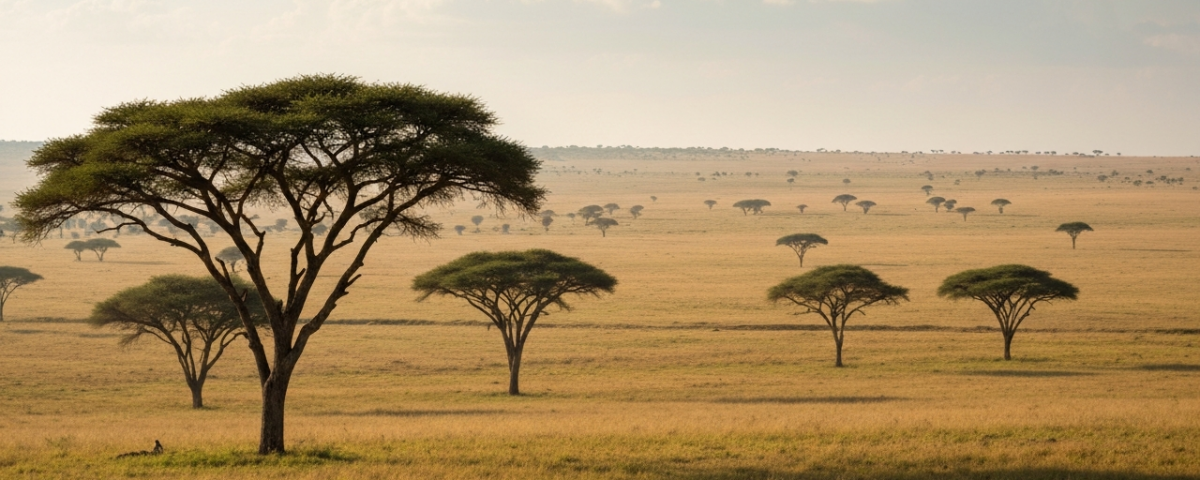
Which Month Is Best for the Great Migration?
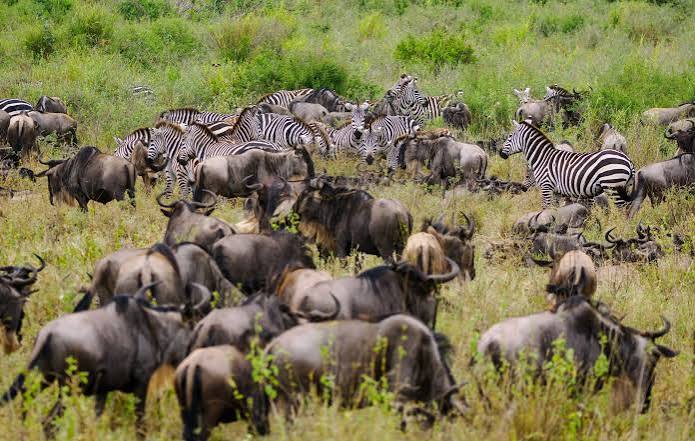
The Great Migration in East Africa stands as one of the most powerful wildlife events on Earth, and it takes place mainly in the famous Masai Mara National Reserve. Every year, millions of wildebeests, zebras, and gazelles move across the vast savannah in search of fresh grass and water. This movement creates dramatic river crossings, predator encounters, and unforgettable safari experiences that attract travelers from all over the world.
Many travelers ask one important question before planning their trip: which month is best for the Great Migration? The answer depends on what you want to see. Some months offer river crossings, while others offer calving season, large herds, or fewer crowds. Because the migration follows rainfall and food availability, it changes each year slightly but still follows a predictable seasonal pattern.
The migration connects Kenya and Tanzania in a continuous cycle of movement. Each phase of the year offers something unique, from new births in the south to dramatic crossings in the north. Therefore, the best month depends on your safari goals, whether you want action, photography, or peaceful wildlife viewing.
This guide explains each key month in detail, helping travelers choose the best time for a Great Migration safari experience.
January to March: Calving Season in the Southern Serengeti
The first major phase of the Great Migration happens between January and March in the southern Serengeti plains of Tanzania. During this period, thousands of wildebeests give birth to calves, often within a short window of time. This creates one of the most intense wildlife seasons in Africa.
This calving season attracts large numbers of predators. Lions, cheetahs, hyenas, and leopards take advantage of vulnerable newborn calves. As a result, the plains become a stage for constant survival activity. Every day brings new life and new challenges.
Although this phase does not take place in Kenya, it plays a critical role in the migration cycle. Healthy calves strengthen the herds before their long journey north toward the Masai Mara.
Travelers who visit during this time enjoy dramatic predator action and large herd concentrations. However, river crossings in Kenya do not happen during this season.
Still, this period offers excellent photography opportunities because of the large number of animals gathered in one area.
April to June: The Journey North Begins
Between April and June, the Great Migration slowly begins moving northward from the southern Serengeti toward the Masai Mara. This movement happens gradually as rains shift and grass quality changes.
During this time, herds spread out across different parts of the Serengeti ecosystem. Wildebeests, zebras, and gazelles follow fresh grazing areas while staying close together for protection.
Predators continue to follow the herds, but activity becomes more spread out compared to the calving season. Lions and cheetahs move across wider territories in search of prey.
By June, the herds start approaching the border between Tanzania and Kenya. This month marks the beginning of migration excitement in the north. Some early movement may reach the Masai Mara, but large river crossings usually do not begin yet.
This period offers fewer crowds and lower safari costs. Travelers who prefer peaceful safaris and scenic landscapes often enjoy visiting during these months.
Although not the peak of the migration, April to June sets the stage for the dramatic events that follow in Kenya.
July: The Beginning of River Crossings in Masai Mara
July marks one of the most exciting months in the Great Migration cycle. This is when large herds begin entering the Masai Mara National Reserve from Tanzania.
One of the most famous events during this month is the first major river crossing at the Mara River. Thousands of wildebeests gather at the riverbanks, hesitating before making the dangerous crossing. Crocodiles wait in the water, while predators watch from nearby land.
These crossings create intense wildlife drama. Some animals cross successfully, while others struggle against strong currents and natural threats. Because of this unpredictability, every crossing becomes unique.
July also marks the beginning of peak safari season in Kenya. Lodges and camps become busier as travelers arrive to witness the migration. However, wildlife viewing remains rewarding because herds start filling the plains.
For many travelers, July represents the true start of the Great Migration experience in Kenya.
August and September: Peak Migration Season in Kenya
August and September stand as the best months to see the Great Migration in full action in Kenya. During this period, millions of animals spread across the Masai Mara plains after successful river crossings.
This is when wildlife activity reaches its highest level. Large herds move across open grasslands, feeding constantly and attracting predators. Lions, cheetahs, and hyenas become highly active as prey becomes more available.
River crossings continue during these months, often happening daily depending on herd movement. These crossings remain unpredictable, but the chances of witnessing one increase significantly.
The weather also supports excellent safari conditions. Dry grass improves visibility, and animals gather around water sources. This makes game drives more productive and exciting.
However, this is also the busiest tourist season. Travelers should book accommodations early to secure the best locations near migration routes.
For many safari experts, August and September represent the ultimate Great Migration experience in Kenya due to consistent wildlife action and large herd concentrations.
October: The Final Phase in Kenya
October marks the final stage of the Great Migration in the Masai Mara. During this month, herds begin preparing to move back south toward Tanzania as rainfall patterns change.
Wildlife activity remains strong, but river crossings become less frequent compared to peak months. However, large herds still occupy parts of the Masai Mara, offering excellent game viewing opportunities.
Predators continue to follow the herds, creating ongoing wildlife interactions. Lions remain active, while cheetahs take advantage of open plains for hunting.
October also offers slightly fewer tourists compared to August and September. This creates a more relaxed safari experience while still delivering strong wildlife sightings.
The landscapes begin to change as early rains approach. Grass becomes greener, and the savannah slowly transitions toward the next migration cycle.
For travelers who prefer a balance between wildlife action and fewer crowds, October provides an excellent safari window.
November to December: Transition Season and Return South
November and December represent the transition phase of the Great Migration. During this period, herds gradually move back into the Serengeti in Tanzania as fresh rains begin.
Wildlife spreads out across the ecosystem again, reducing the intense concentrations seen during peak months. However, resident animals such as elephants, buffaloes, lions, and giraffes remain active in the Masai Mara.
This period offers quieter safaris with fewer tourists and lower accommodation prices. Travelers who prefer peaceful game drives often enjoy this season.
Although large river crossings are rare during these months, the Masai Mara still provides excellent wildlife experiences. Predators remain active, and landscapes become lush and green.
This transition period sets the stage for the next calving season in the south, completing the annual migration cycle.
For travelers seeking calm and scenic safaris, November and December offer a refreshing alternative to peak migration months.
So, Which Month Is Truly the Best?
The best month for the Great Migration depends entirely on what travelers want to experience. For river crossings, July to September offers the highest chances. For large herd concentration and predator action, August and September stand out as the top months. With Giant Holiday Safaris, guests benefit from expertly timed itineraries that align with these peak events for maximum impact.
For calving season and dramatic predator hunts, January to March in Tanzania offers a unique experience. For fewer crowds and lower prices, April to June and November to December provide great alternatives. Giant Holiday Safaris helps travelers match their safari goals with the right season, ensuring both value and unforgettable encounters.
Each month brings a different stage of the migration cycle. No single month captures the entire experience, so timing depends on personal travel goals. Giant Holiday Safaris provides personalized guidance to help guests choose the best period for their adventure.
Careful planning helps travelers match their expectations with the right season. This ensures a rewarding safari experience across the Masai Mara and Serengeti ecosystem. By choosing Giant Holiday Safaris, visitors gain the assurance of professional service, seamless logistics, and extraordinary wildlife moments that make the Great Migration truly unforgettable.
Conclusion
The question of which month is best for the Great Migration reveals the complexity of one of nature’s greatest wildlife events. The migration across the Masai Mara National Reserve and Tanzania follows a continuous cycle driven by rain, grass, and survival instincts. With Giant Holiday Safaris, travelers benefit from expert guidance and carefully timed itineraries that align with the migration’s seasonal movements.
While July to September delivers the most dramatic river crossings, every month offers unique wildlife experiences. From calving season in the south to herd movement in the north, the migration remains active throughout the year. Giant Holiday Safaris helps guests choose the right season based on their safari goals, ensuring rewarding encounters.
Understanding these seasonal patterns helps travelers select the perfect time for their safari. With the right timing, visitors can witness powerful wildlife moments that define Africa’s natural beauty and make the Great Migration a truly unforgettable experience. By choosing Giant Holiday Safaris, travelers gain the assurance of professional service, seamless logistics, and memorable safari adventures across Kenya and Tanzania.
Combined Uganda, Kenya, Rwanda and Tanzania Safaris
17 days Kenya Tanzania and Uganda safari 19 Days Uganda Kenya and Tanzania Safari
16 Days Kenya Tanzania and Uganda Safari
14 Days Kenya Uganda and Tanzania Safari
14 Days Kenya Uganda and Rwanda Safari