What are the best Kenya safari activities?
July 30, 2026
Can You Do Walking Safaris in Kenya?
July 30, 2026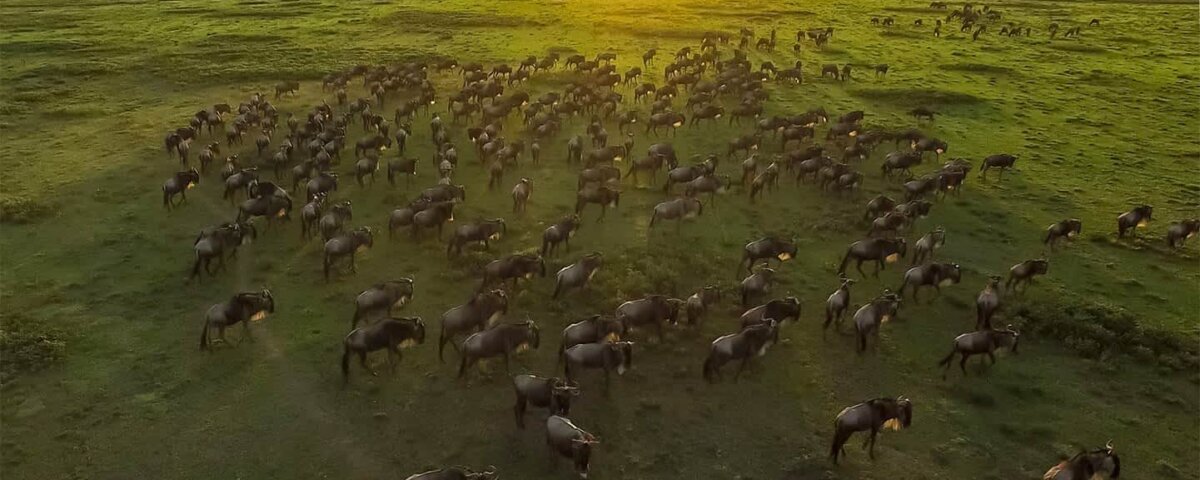
Which Side of Serengeti Is Best for Migration
Many travellers ask which side of Serengeti is best for migration because they want to experience the Great Migration at its most spectacular stage. The Serengeti National Park covers thousands of square kilometres, and the migrating herds move through different regions throughout the year. As a result, the best location changes with the seasons rather than remaining the same every month.
The Great Migration is one of the world’s greatest wildlife events. More than 1.5 million wildebeests, accompanied by hundreds of thousands of zebras and gazelles, travel across the Serengeti ecosystem in search of fresh grass and water. This remarkable journey creates unforgettable wildlife encounters, dramatic predator action, and breathtaking landscapes that attract visitors from every continent.
Understanding the migration route helps travellers choose the right safari destination. Some visitors hope to witness thousands of newborn calves in the southern plains, while others dream of seeing the famous Mara River crossings in the north. Every region of the Serengeti offers unique wildlife experiences that make each safari different from the last.
Planning with experienced safari experts greatly improves your chances of witnessing the migration. Giant Holiday Safaris carefully follows seasonal wildlife movements and designs personalised itineraries that place guests in the best locations for exceptional game viewing throughout the year.
Knowing which side of Serengeti is best for migration allows travellers to match their travel dates with the right region, creating a rewarding safari filled with unforgettable wildlife moments and authentic African adventures.
Combined Uganda, Kenya, Rwanda and Tanzania Safaris
17 days Kenya Tanzania and Uganda safari
19 Days Uganda Kenya and Tanzania Safari
16 Days Kenya Tanzania and Uganda Safari
14 Days Kenya Uganda and Tanzania Safari
14 Days Kenya Uganda and Rwanda Safari
12 Day Gorilla Trekking and Tanzania Safari
Which Side of Serengeti Is Best for Migration?
The answer to which side of Serengeti is best for migration depends entirely on the month you plan to visit. The migration follows seasonal rainfall, meaning the herds continuously move between the southern, central, western, and northern Serengeti throughout the year. There is no single area that remains the best all year because wildlife constantly changes location.
From January through March, the southern Serengeti becomes the centre of activity as the calving season begins. Hundreds of thousands of wildebeest calves are born during this period, attracting large numbers of predators and creating outstanding wildlife viewing opportunities.
As the rains begin to change, the migration gradually moves into central Serengeti before continuing westward toward the Grumeti River between May and June. During these months, visitors witness enormous herds travelling across endless plains while predators remain active along migration routes.
Between July and October, northern Serengeti becomes the most popular destination because of the dramatic Mara River crossings. Massive herds gather before crossing crocodile filled rivers, producing some of Africa’s most iconic wildlife scenes.
Later in the year, the animals gradually return south as fresh grazing becomes available once again. This continuous cycle means every region of the Serengeti plays an important role within the migration.
Instead of asking which side is permanently the best, travellers should determine which migration stage they most want to experience. Choosing the correct region for the season provides the greatest opportunity to witness one of nature’s most extraordinary wildlife events.
Southern Side of Serengeti During Calving Season
The southern side of Serengeti is widely regarded as one of the most best and rewarding places to visit between January and March for migration. During this period, seasonal rains transform the plains into lush grazing grounds that provide ideal conditions for the wildebeest calving season. For many wildlife enthusiasts, this is one of the most exciting chapters of the Great Migration.
Each year, hundreds of thousands of wildebeest calves are born within a remarkably short period. Newborn calves quickly learn to stand and walk because they must keep up with the constantly moving herds almost immediately. Watching thousands of young animals take their first steps across the open plains becomes an unforgettable safari experience.
The abundance of vulnerable calves also attracts predators from across the Serengeti. Lions, cheetahs, hyenas, jackals, and leopards remain highly active during this season, creating excellent opportunities to observe predator and prey interactions. These natural encounters demonstrate the delicate balance that sustains the Serengeti ecosystem.
The scenery itself becomes another highlight. Green grass stretches across the landscape, colourful wildflowers bloom after seasonal rains, and numerous bird species arrive to take advantage of the favourable conditions. Photographers particularly appreciate the vibrant colours and dramatic skies that enhance every wildlife image.
Visitors also enjoy excellent game viewing because the herds remain concentrated across the southern plains instead of spreading widely throughout the park. This allows safari guides to locate wildlife efficiently while reducing long driving distances between sightings.
Travellers seeking newborn wildlife, active predators, beautiful scenery, and exceptional photography opportunities often find the southern Serengeti to be one of the finest regions during the Great Migration.
Central Side of Serengeti for Year Round Wildlife
Central Serengeti offers one of the most reliable safari experiences throughout the year. While the Great Migration only passes through this region during certain months, resident wildlife remains abundant regardless of the migration’s location. This makes central Serengeti an excellent destination for visitors who want consistent game viewing.
During April, May, and early June, large migration herds move steadily across central Serengeti while travelling toward western grazing areas. Thousands of wildebeests, zebras, and gazelles create impressive wildlife scenes as they cross the endless plains in search of fresh grass.
Even after the migration continues northward, central Serengeti remains rich in wildlife. Lions frequently patrol the grasslands, while elephants, giraffes, buffaloes, leopards, hyenas, and numerous antelope species continue living in the area throughout the year. As a result, game drives remain rewarding regardless of the migration season.
Another advantage of central Serengeti is its accessibility. Many safari itineraries naturally include this region because it connects different parts of the national park. Visitors can therefore combine migration viewing with excellent resident wildlife sightings during the same journey.
The landscape also contributes to the region’s popularity. Open plains, rocky kopjes, scattered acacia trees, and seasonal rivers create diverse habitats that support many different animal species. These varied environments provide excellent opportunities for wildlife photography and bird watching.
Travellers who want reliable wildlife viewing, comfortable safari logistics, and the opportunity to experience both migrating and resident animals often consider central Serengeti an essential part of any Tanzania safari itinerary.
Western Side of Serengeti and the Grumeti River
Western Serengeti becomes especially important between May and June as the migrating herds continue their journey toward the Grumeti River. Although this region receives less international attention than the northern Mara River crossings, it still offers remarkable wildlife experiences that deserve recognition.
As thousands of wildebeests and zebras approach the Grumeti River, visitors witness enormous columns of animals stretching across the landscape. The movement of these vast herds demonstrates the incredible scale of the Great Migration while creating unforgettable safari memories.
The Grumeti River presents one of the first major challenges along the migration route. Large Nile crocodiles wait patiently beneath the water as animals prepare to cross. Although these crossings generally involve smaller numbers than those seen later in the Mara River, they remain dramatic and exciting to observe.
Predators also take advantage of the migration’s arrival. Lions, hyenas, and leopards establish territories near important crossing points because they know prey animals will eventually pass through these areas. Visitors therefore enjoy excellent opportunities to witness predator activity alongside the migrating herds.
Western Serengeti features beautiful riverine forests, rolling grasslands, and peaceful landscapes that differ noticeably from other parts of the national park. These varied habitats support a wide range of wildlife while providing excellent scenery for photographers.
Travellers visiting during late May and June often discover that western Serengeti offers outstanding wildlife viewing with fewer visitors than the northern Serengeti. This quieter atmosphere allows guests to enjoy authentic safari experiences while observing one of the migration’s most fascinating stages.
Why Migration Location Changes Throughout the Year
One of the most important facts about the Great Migration is that it never follows a fixed calendar or remains in one place. Instead, the herds respond naturally to changing weather patterns and the availability of fresh grazing. Understanding this movement helps travelers appreciate why different regions of the Serengeti become important at different times.
Rainfall is the primary factor influencing migration. After seasonal rains fall, new grass begins growing across different parts of the Serengeti ecosystem. Wildebeests, zebras, and gazelles instinctively move toward these fresh grazing areas because nutritious grass provides the energy needed for survival, breeding, and raising young.
As one area becomes dry, another begins receiving rainfall. The migration therefore continues almost continuously throughout the year, creating a remarkable circular journey that extends into Kenya’s Maasai Mara before returning to Tanzania.
This movement also benefits the ecosystem. Grazing animals naturally fertilize the soil, spread nutrients across the plains, and encourage fresh plant growth. Predators follow the herds, maintaining healthy wildlife populations while supporting the natural balance that has existed for thousands of years.
Because rainfall changes slightly from year to year, migration timing may also vary. This is why experienced safari planners closely monitor current wildlife movements rather than relying only on historical calendars.
Understanding these natural patterns helps visitors realise that every region of the Serengeti becomes the best location at different times. Choosing the right destination according to the migration’s seasonal movements creates the most rewarding safari experience possible.
Northern Side of Serengeti and the Mara River Crossings
Northern Serengeti becomes the centre of attention between July and October because it hosts one of the most dramatic stages of the Great Migration. During these months, hundreds of thousands of wildebeests, zebras, and gazelles gather along the Mara River before attempting one of the most dangerous wildlife crossings in the world. Many travellers choose this season specifically because they hope to witness these unforgettable moments.
The Mara River presents several challenges for the migrating animals. Fast moving water, steep riverbanks, and large Nile crocodiles create serious obstacles. Despite these dangers, the herds continue crossing because they must reach fresh grazing on the other side. Watching thousands of animals move together while responding to instinct creates one of Africa’s greatest wildlife spectacles.
The excitement often builds long before the actual crossing begins. Herds may wait for hours before one brave animal finally enters the water. Once that happens, thousands of others usually follow within moments. This sudden burst of activity creates incredible opportunities for photography and wildlife observation.
Northern Serengeti also supports excellent resident wildlife. Lions, elephants, giraffes, buffaloes, leopards, hyenas, and numerous bird species remain active throughout the area. Even on days without river crossings, visitors continue enjoying rewarding game drives filled with remarkable wildlife encounters.
Another advantage of northern Serengeti is its stunning scenery. Rolling hills, riverine forests, open grasslands, and the winding Mara River combine to create beautiful landscapes that enhance every safari experience.
For travellers seeking dramatic wildlife action, unforgettable photography, and one of nature’s most famous events, northern Serengeti stands among the finest safari destinations in Africa.
How to Choose the Best Serengeti Region for Your Safari
Selecting the best Serengeti region starts with understanding your travel goals. Every traveller has different expectations, so the ideal safari destination depends on the wildlife experiences you hope to enjoy. Matching your interests with the migration calendar helps create a far more rewarding adventure.
If you want to witness newborn wildebeest calves and active predator behaviour, the southern Serengeti offers the best experience during January, February, and March. This period combines beautiful green landscapes with extraordinary wildlife activity that appeals to photographers and nature enthusiasts alike.
Travellers looking for reliable wildlife viewing throughout the year often choose central Serengeti. Even when the migration moves elsewhere, resident animals remain abundant, making every game drive productive and enjoyable.
Visitors travelling between May and June should consider western Serengeti. During these months, the Grumeti River crossings and large migrating herds create excellent opportunities to observe one of the migration’s less crowded but equally fascinating stages.
Those dreaming of the famous Mara River crossings should plan a northern Serengeti safari between July and October. This period delivers dramatic wildlife encounters that many travellers consider the highlight of the Great Migration.
Budget, accommodation preferences, and travel style also influence the decision. Families may prefer regions with shorter driving distances, while photographers often focus on seasonal migration hotspots.
Consulting experienced safari planners before booking greatly improves your chances of choosing the right destination. Expert advice ensures your itinerary matches current migration movements while delivering the wildlife experiences you value most.
Why Choose Giant Holiday Safaris for a Serengeti Migration Safari
Planning a migration safari requires more than choosing travel dates. Because the Great Migration changes location throughout the year, expert guidance helps travellers maximise every wildlife viewing opportunity. Giant Holiday Safaris specialises in creating carefully planned Tanzania safaris that match seasonal migration patterns with personalised travel experiences.
Every safari begins with understanding the traveller’s goals. Some visitors hope to witness the calving season, while others want to photograph Mara River crossings or enjoy peaceful wildlife viewing away from large crowds. Giant Holiday Safaris designs customised itineraries that place guests in the right Serengeti region at the right time.
Accommodation selection also receives careful attention. The company recommends luxury lodges, mobile camps, mid range properties, and budget camps according to each traveller’s preferences and budget. Every recommended property is selected for its location, comfort, service quality, and proximity to current migration routes.
Professional safari guides further enhance every adventure. Their extensive knowledge of wildlife behaviour, conservation, local ecosystems, and seasonal migration movements allows guests to gain deeper insight into everything they observe. Guides also know how to position safari vehicles responsibly for excellent wildlife viewing and photography.
Travellers also receive valuable support before departure. Packing advice, seasonal travel information, weather guidance, and safari preparation tips help visitors arrive fully prepared for their Tanzanian adventure.
By combining personalised service, local expertise, carefully selected accommodation, and experienced guides, Giant Holiday Safaris creates memorable migration safaris that showcase the extraordinary beauty of the Serengeti while providing comfort, safety, and exceptional customer care.
Tips for Planning a Successful Migration Safari
A successful migration safari begins with careful preparation. Since the Great Migration changes location throughout the year, choosing the correct travel dates should always be the first step. Understanding the seasonal movement of the herds greatly improves your chances of witnessing the wildlife events that interest you most.
Booking your safari several months in advance is highly recommended, especially if you plan to travel during peak migration periods. Luxury camps, mobile camps, and popular lodges often fill quickly during the Mara River crossing season and the calving months.
Packing wisely also improves your overall safari experience. Comfortable neutral coloured clothing, a warm jacket for early morning game drives, a wide brimmed hat, sunscreen, binoculars, and a quality camera all help visitors enjoy every moment in the Serengeti. A reusable water bottle and comfortable walking shoes also prove useful throughout the journey.
Patience remains one of the most valuable qualities during a migration safari. Wildlife follows natural patterns rather than fixed schedules, so dramatic events such as river crossings cannot be guaranteed at specific times. Waiting quietly often rewards visitors with unforgettable wildlife encounters.
Travelling with experienced guides makes a significant difference as well. Their knowledge of animal behaviour, migration routes, and current wildlife movements increases the chances of observing remarkable sightings throughout the safari.
Finally, approach the safari with realistic expectations and an open mind. Every day offers different experiences, and even unexpected wildlife encounters often become the most memorable moments of the entire journey.
Which Side of Serengeti Is Best for Migration
So, which side of Serengeti is best for migration? The answer depends entirely on when you visit and the type of wildlife experience you want to enjoy. Every region of the Serengeti becomes the ideal destination during different stages of the Great Migration, making careful planning essential for a successful safari.
The southern Serengeti shines during the calving season with thousands of newborn wildebeest calves and active predators. Central Serengeti offers reliable wildlife viewing throughout the year while serving as an important migration corridor. Western Serengeti provides exciting Grumeti River crossings, and northern Serengeti delivers the world famous Mara River crossings that many travellers dream of witnessing.
Rather than searching for one permanently perfect location, visitors should focus on matching their travel dates with the migration calendar. This approach allows them to experience the Serengeti at its most exciting stage while enjoying unforgettable wildlife encounters.
Planning with Giant Holiday Safaris makes this process much easier. Their local expertise, personalised itineraries, carefully selected accommodation, and experienced safari guides help travellers visit the right part of the Serengeti at exactly the right time.
Ultimately, which side of Serengeti is best for migration has several correct answers because every season reveals a different chapter of this extraordinary natural journey. With thoughtful planning and expert guidance, every traveller can experience the breathtaking beauty of the Great Migration and create memories that last a lifetime.