Which Side of Serengeti Is Best for Migration
July 30, 2026
What are the best romantic safaris in Kenya?
July 30, 2026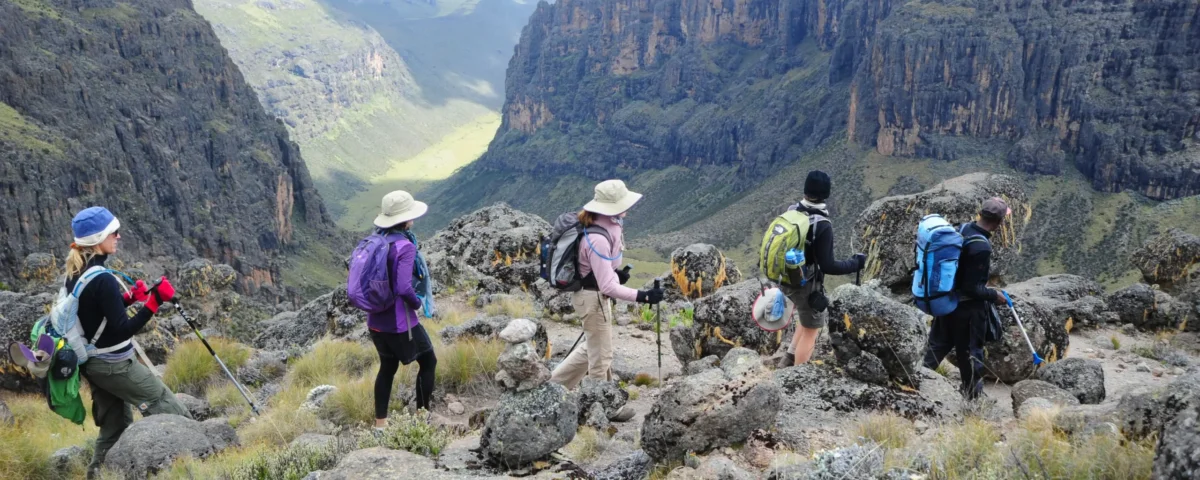
Can You Do Walking Safaris in Kenya?
Kenya stands among the world’s most remarkable safari destinations because it offers far more than traditional vehicle based wildlife viewing. While many travelers imagine Kenya through open sided safari vehicles crossing vast savannah plains, walking safaris create a deeper connection between visitors and the natural world. A walking safari allows travelers to slow down, observe smaller details, understand animal behavior, and experience Africa through every sense. The sounds of birds calling, the movement of grass beneath your feet, the scent of wild plants, and the distant roar of wildlife create memories that remain long after the journey ends.
Yes, you can do walking safaris in Kenya, and this experience continues to attract travelers who want adventure, nature, and authentic encounters. Kenya has developed a strong reputation for responsible wildlife tourism, offering guided walking experiences in protected areas, private conservancies, and community owned lands. These locations provide safe environments where experienced guides share knowledge about ecosystems, wildlife tracking, conservation, and local traditions.
Walking safaris in Kenya appeal to many types of travelers. Adventure seekers enjoy the excitement of exploring the wilderness on foot, photographers appreciate unique perspectives, and nature lovers value the opportunity to understand the environment beyond the famous Big Five. Unlike a regular game drive, where animals often become the main focus, a walking safari reveals the complete ecosystem. Every footprint, insect, plant, and bird becomes part of the story.
Kenya’s tourism industry combines decades of conservation experience with modern hospitality standards. Professional guides, carefully managed conservation areas, and well planned safari routes help create safe and rewarding walking experiences. Therefore, international visitors can confidently explore Kenya’s wilderness while gaining a deeper appreciation of Africa’s natural heritage.
Combined Uganda, Kenya, Rwanda and Tanzania Safaris
17 days Kenya Tanzania and Uganda safari
19 Days Uganda Kenya and Tanzania Safari
16 Days Kenya Tanzania and Uganda Safari
14 Days Kenya Uganda and Tanzania Safari
14 Days Kenya Uganda and Rwanda Safari
12 Day Gorilla Trekking and Tanzania Safari
Understanding Walking Safaris in Kenya
A walking safari is a guided wildlife experience where travelers explore natural landscapes on foot instead of viewing wildlife only from a safari vehicle. These adventures focus on discovering the smaller details of the environment while learning how animals, plants, and landscapes connect together. In Kenya, walking safaris usually take place in areas with experienced guides who understand wildlife behavior, local terrain, and safety procedures.
Walking does not mean travelers walk freely through dangerous wildlife areas without preparation. Instead, trained safari guides carefully select routes based on current conditions, wildlife movements, and environmental factors. Guides use their knowledge of animal tracks, sounds, and signs to create meaningful experiences while maintaining safety throughout the journey.
Kenya offers different types of walking safari experiences. Some involve short morning walks lasting a few hours, while others include multi day adventures where visitors stay in remote wilderness camps. Short walks provide an introduction to the African bush, while longer walking safaris offer a deeper connection with nature by allowing travelers to spend more time away from busy tourist areas.
Furthermore, walking safaris support conservation because they encourage low impact tourism. Unlike large safari vehicles that can create pressure on certain areas, walking experiences create fewer disturbances when managed responsibly. Many private conservancies use walking safaris as part of their conservation model, helping protect wildlife habitats while creating income for local communities.
For travelers seeking an authentic African adventure, walking safaris provide a powerful way to experience Kenya. They transform the safari from simply watching wildlife into actively understanding the environment. Every step becomes an opportunity to learn, explore, and appreciate the incredible balance of Kenya’s ecosystems.
The Best Places for Walking Safaris in Kenya
Kenya offers several outstanding destinations where travelers can enjoy walking safaris surrounded by breathtaking landscapes and diverse wildlife. Each destination provides a different experience, allowing visitors to choose an adventure that matches their interests, travel style, and expectations.
One of the most popular regions for walking safaris is the Maasai Mara ecosystem. Famous worldwide for its wildlife population and the Great Migration, the Maasai Mara also offers peaceful walking experiences in private conservancies surrounding the main reserve. These conservancies provide space for guided walks away from crowded areas, allowing travelers to explore nature at a slower pace. Visitors can learn about animal tracks, traditional plant uses, bird species, and the relationship between wildlife and local communities.
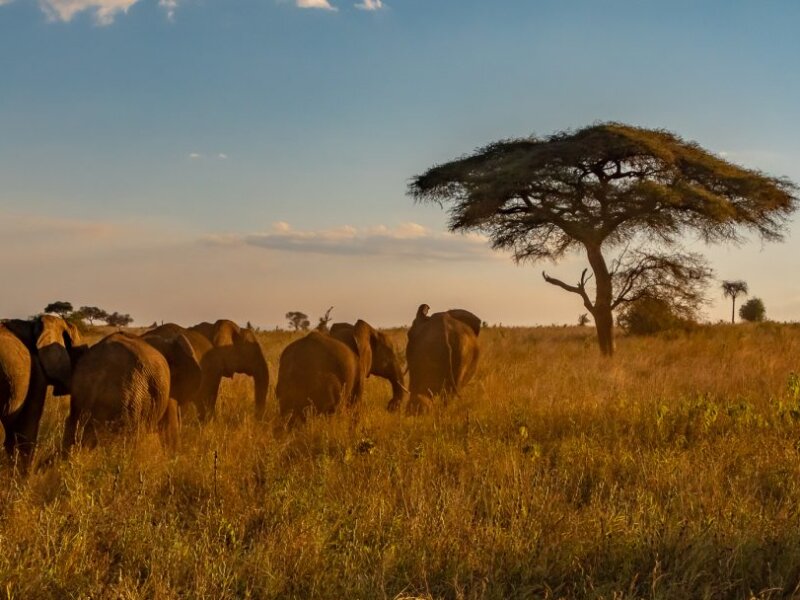
Another excellent destination is Laikipia, located north of Mount Kenya. Laikipia has become a leading conservation region because of its innovative approach to protecting wildlife and supporting local communities. The area provides exceptional walking opportunities through diverse landscapes, including grasslands, forests, and rocky valleys. Travelers can encounter elephants, giraffes, zebras, antelopes, and many bird species while enjoying a more exclusive safari atmosphere.
Amboseli also provides unique walking experiences, especially for travelers who want dramatic scenery. The region combines wildlife viewing with views of Mount Kilimanjaro, Africa’s highest mountain. Walking through the landscapes around Amboseli allows visitors to understand the connection between wildlife, water sources, and local communities.
Additionally, areas such as Samburu offer unforgettable walking safaris because of their unique landscapes and wildlife species. The northern Kenya environment introduces travelers to dry savannahs, rugged mountains, and rare animals adapted to semi arid conditions.
Choosing the right location depends on the type of experience a traveler wants. However, every walking safari destination in Kenya provides an opportunity to experience Africa in a more personal, respectful, and meaningful way.
How Safe Are Walking Safaris in Kenya?
Safety remains one of the most important considerations for travelers who want to experience Kenya on foot. A well organized walking safari provides an exciting adventure while maintaining strong safety standards through professional guidance, careful planning, and responsible wildlife management. Kenya’s experienced safari guides understand animal behavior, environmental conditions, and wilderness techniques, allowing visitors to explore natural areas with confidence.
Before every walking safari begins, guides provide important safety instructions. These instructions usually cover walking formation, communication methods, wildlife awareness, and how guests should respond during different situations. Travelers learn how to move quietly, maintain distance from animals, and respect the natural environment. These simple guidelines help create a safe and enjoyable experience.
Moreover, walking safari routes receive careful consideration before guests enter the wilderness. Guides evaluate weather conditions, animal movements, terrain, and the overall environment to select suitable paths. This preparation ensures that visitors enjoy the adventure while reducing unnecessary risks. Experienced guides also carry essential safety equipment and maintain constant awareness throughout the walk.
It is important to understand that wildlife encounters during walking safaris are different from vehicle safaris. Animals see humans as part of their environment rather than as visitors inside a vehicle. Therefore, guides focus on teaching travelers how to observe animals respectfully without causing disturbance. This creates a more educational and responsible wildlife experience.
Kenya’s commitment to conservation also strengthens walking safari safety. Many private conservancies and protected areas follow strict tourism guidelines that protect both visitors and wildlife. These efforts allow travelers from around the world to enjoy walking safaris while supporting sustainable tourism practices.
For visitors choosing a walking safari in Kenya, selecting a reputable safari operator and experienced guides remains essential. With proper preparation and professional support, walking safaris become one of the safest and most rewarding ways to explore Africa’s wilderness.
What Animals Can You See During a Walking Safari in Kenya?
Walking safaris in Kenya provide a unique opportunity to discover wildlife from a completely different perspective. While traditional game drives often focus on large animals, walking safaris reveal the complete ecosystem and allow travelers to appreciate both large and small species. Every movement, sound, and track tells a story about life in the African wilderness.
During a walking safari, travelers may encounter many famous African animals depending on the location. Elephants, giraffes, zebras, buffaloes, and different antelope species often move through Kenya’s conservation areas. However, the true beauty of walking safaris comes from understanding the details behind these encounters. Guides explain how animals communicate, feed, migrate, and survive in their natural habitats.
Bird lovers also find walking safaris extremely rewarding. Kenya contains hundreds of bird species, including colorful kingfishers, eagles, storks, and unique savannah birds. Walking allows visitors to notice bird calls and behaviors that are often missed during vehicle based safaris. This creates a richer connection with the environment.
In addition, walking safaris introduce travelers to smaller wildlife. Guests may observe insects, reptiles, plants, and animal footprints that reveal hidden stories about the ecosystem. Learning how to identify tracks and signs transforms an ordinary walk into an exciting discovery experience.
Predators such as lions, leopards, and cheetahs may exist in areas where walking safaris operate, although sightings depend on location, conditions, and wildlife movements. Professional guides always prioritize safety while helping visitors understand predator behavior and the important role these animals play in maintaining healthy ecosystems.
The opportunity to experience wildlife without the barrier of a vehicle creates a deeper appreciation for Kenya’s natural world. A walking safari does not simply show animals; it teaches travelers how every part of nature works together.
The Role of Professional Guides and Conservation During Walking Safaris
Professional guides represent the foundation of a successful walking safari in Kenya. Their knowledge, experience, and passion transform a simple walk into an educational journey through one of the world’s most fascinating ecosystems. A skilled guide does more than lead a route; they explain the relationship between wildlife, landscapes, plants, and local communities.
Kenya’s safari guides develop strong knowledge through years of studying wildlife behavior and gaining practical experience in the field. They understand animal tracks, weather patterns, seasonal changes, and environmental signs. This expertise allows them to provide valuable information while creating a safe and enjoyable experience for visitors.
Furthermore, walking safaris contribute significantly to conservation efforts. Many safari areas use tourism revenue to support wildlife protection, habitat preservation, and community development projects. When travelers choose responsible walking safaris, they directly support efforts that protect Kenya’s natural heritage.
Private conservancies especially demonstrate how tourism and conservation can work together. These areas create protected spaces where wildlife can move freely while providing economic opportunities for nearby communities. Walking safaris become part of a sustainable tourism approach that benefits nature, local people, and visitors.
Guides also help travelers understand the importance of responsible tourism. They teach visitors to avoid damaging plants, respect wildlife distances, reduce waste, and appreciate local cultures. These lessons create more environmentally conscious travelers who continue supporting conservation beyond their safari experience.
Through professional guiding and responsible tourism practices, walking safaris become more than an adventure. They become a meaningful way to protect Africa’s wilderness while allowing visitors to experience its beauty firsthand.
What to Expect During a Kenya Walking Safari
A walking safari in Kenya offers an experience that feels completely different from a standard wildlife tour. Instead of sitting inside a vehicle and observing the landscape from a distance, travelers become part of the environment. Every moment encourages awareness, patience, and curiosity.
Most walking safaris begin early in the morning when temperatures remain comfortable and wildlife activity is high. The cool morning air creates perfect conditions for exploring the bush. Guests walk with trained guides who explain the surroundings, identify tracks, and highlight interesting features of the ecosystem.
The pace of a walking safari usually remains comfortable. The goal is not to cover long distances quickly but to explore carefully and observe nature. Guides encourage travelers to stop frequently, listen to sounds, and notice details that are easy to miss.
Many walking safaris include opportunities to enjoy peaceful moments in nature. Travelers may stop at scenic locations for refreshments, photography, or wildlife observation. These quiet moments allow visitors to appreciate the beauty of Kenya’s landscapes without distractions.
For longer walking adventures, guests may stay in wilderness camps that provide a closer connection to nature. These camps often combine comfort with authentic outdoor experiences, allowing travelers to enjoy the sounds of the African night while maintaining quality service.
A walking safari also creates personal growth. It encourages patience, awareness, and a deeper respect for nature. Travelers return home with more than photographs; they carry unforgettable memories and a stronger understanding of Africa’s wilderness.
Best Time to Go on a Walking Safari in Kenya
Kenya offers walking safaris throughout the year, but choosing the best travel period depends on personal interests, weather preferences, and wildlife expectations. Understanding Kenya’s seasons helps travelers plan a more enjoyable and rewarding experience.
The dry seasons are generally popular for walking safaris because wildlife often gathers around reliable water sources, making animal sightings more predictable. During these months, walking conditions remain comfortable because paths are usually easier to navigate, and vegetation becomes less dense.
The months around June to October provide excellent safari conditions. The weather remains mostly dry, and many travelers combine walking safaris with traditional wildlife experiences. This period also attracts visitors interested in witnessing dramatic wildlife movements in areas connected to the Great Migration.
However, the green seasons also offer unique advantages. During rainy periods, Kenya’s landscapes become vibrant, fresh, and beautiful. Bird activity increases, newborn animals appear, and photographers enjoy the stunning colors of the rejuvenated environment. Walking during this season provides a peaceful experience with fewer crowds.
Travelers should also consider personal preferences. Some visitors prefer the excitement of peak wildlife seasons, while others enjoy quieter periods with more exclusive experiences. Working with an experienced safari operator helps travelers select the right timing based on their goals.
Regardless of the season, Kenya’s wilderness offers unforgettable walking experiences. Proper planning ensures that every traveler enjoys the landscapes, wildlife, and cultural connections that make Kenya one of Africa’s greatest safari destinations.
What to Pack for a Walking Safari in Kenya
Preparing the right equipment and clothing improves comfort and enjoyment during a walking safari. Since travelers spend time outdoors, practical packing choices help them adapt to changing weather conditions and different environments.
Comfortable walking shoes remain one of the most important items. Travelers should choose strong, comfortable footwear suitable for natural terrain. Lightweight clothing also works well because temperatures can change between cool mornings and warmer afternoons. Neutral colored clothing helps visitors blend into the environment and avoid unnecessary attention from wildlife.
A wide brimmed hat, sunglasses, and sunscreen provide protection from the African sun. Additionally, a light jacket or warm layer helps during early morning walks when temperatures may feel cooler. Travelers should carry a reusable water bottle to stay hydrated throughout the adventure.
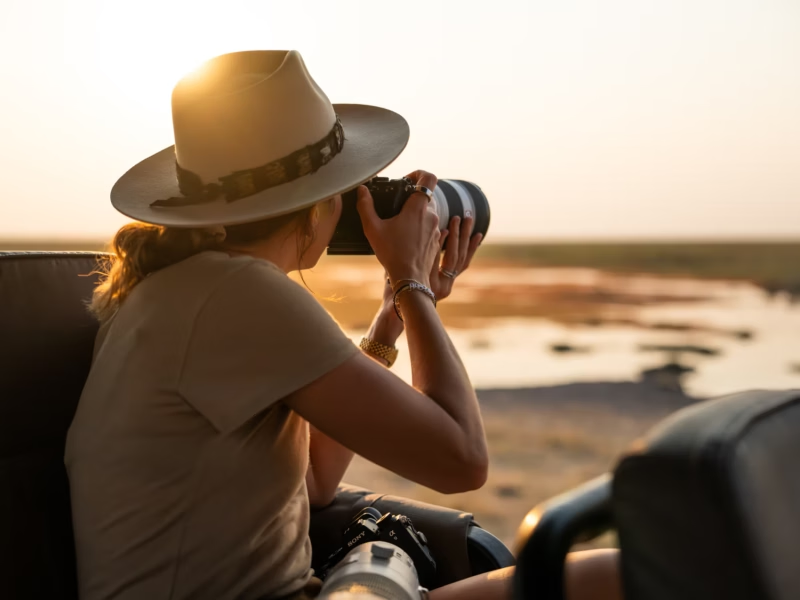
A camera and binoculars can enhance the experience by helping visitors observe wildlife and capture special moments. However, travelers should remember that the goal of a walking safari goes beyond photography. Taking time to enjoy the surroundings creates deeper memories.
Other useful items include insect protection, personal medication, a small backpack, and comfortable outdoor clothing. Good preparation allows travelers to focus on exploration instead of worrying about missing essentials.
By packing carefully, visitors can fully enjoy the freedom and excitement of discovering Kenya’s wilderness on foot.
Why Walking Safaris Create a More Authentic African Experience
Walking safaris represent one of the most authentic ways to experience Kenya because they encourage a stronger connection between travelers and nature. They remove the distance created by vehicles and allow visitors to understand the wilderness through direct observation.
When travelers walk through Kenya’s landscapes, they experience Africa differently. The journey becomes about discovery rather than simply reaching a destination. A footprint in the soil, a bird call above the trees, or movement in the grass can reveal important information about the ecosystem.
Walking safaris also create meaningful cultural connections. Many experiences include opportunities to learn about local communities, traditional knowledge, and the relationship between people and nature. These interactions provide a deeper understanding of Kenya beyond wildlife alone.
Furthermore, walking safaris support a slower and more mindful style of travel. They encourage visitors to appreciate small details and develop greater respect for conservation. This approach creates lasting memories because travelers become active participants in the experience.
For global travelers seeking something beyond ordinary tourism, Kenya’s walking safaris offer adventure, education, and personal connection. They showcase Africa as a living environment filled with stories, beauty, and endless discoveries.
Final Thoughts: Experience Kenya’s Wilderness with Giant Holiday Safaris
Walking safaris in Kenya provide an extraordinary opportunity to experience Africa from a closer and more meaningful perspective. They combine adventure, conservation, wildlife education, and cultural discovery into one unforgettable journey. From exploring private conservancies to learning from professional guides, every step creates a deeper connection with Kenya’s natural world.
Choosing the right safari partner ensures that travelers receive expert planning, reliable service, and authentic experiences designed around safety and quality. With strong knowledge of Kenya’s destinations and a commitment to creating memorable journeys, Giant Holiday Safaris provides travelers with trusted access to remarkable walking safari experiences. Through carefully designed adventures, professional guidance, and genuine passion for African tourism, Giant Holiday Safaris helps visitors discover Kenya’s wilderness in a responsible and unforgettable way.