What Are the Best Safari Parks for Elephant Photography?
May 31, 2026
What Are the Best Safari Lodges With Panoramic Views in Kenya?
May 31, 2026
Why Is Tanzania Famous for Safaris
Why is Tanzania famous for safaris? This question attracts the attention of travelers from every corner of the world who dream of experiencing Africa’s breathtaking wildlife and natural beauty. Tanzania has earned a global reputation as one of the finest safari destinations on Earth. Its vast wilderness areas, incredible wildlife populations, world renowned national parks, and unforgettable safari experiences make it a leading choice for adventure seekers, photographers, nature lovers, and families alike.
Unlike many destinations that offer limited wildlife viewing opportunities, Tanzania provides an authentic safari experience across diverse ecosystems. Visitors can witness massive herds of wildebeest crossing endless plains, observe predators in action, explore volcanic landscapes filled with wildlife, and enjoy close encounters with elephants, giraffes, zebras, and countless other species. The country’s commitment to conservation has helped preserve these remarkable ecosystems for generations.
Tanzania also offers variety. Travelers can explore iconic destinations such as Serengeti National Park, Ngorongoro Crater, Tarangire National Park, Ruaha National Park, and Nyerere National Park, each providing unique landscapes and wildlife experiences. Combined with rich cultural heritage and warm hospitality, these attractions have positioned Tanzania among Africa’s most celebrated safari destinations.
At Giant Holiday Safaris, we help travelers discover the reasons behind Tanzania’s global safari reputation. Understanding why Tanzania is famous for safaris allows visitors to appreciate the extraordinary experiences that await in this remarkable country.
Tanzania’s Unique Wildlife Diversity
One of the primary reasons why Tanzania is famous for safaris is its extraordinary wildlife diversity. Few countries in the world support such a wide range of animals across such vast and varied landscapes.
Tanzania is home to the famous Big Five, which includes lions, elephants, leopards, rhinos, and buffaloes. However, the country’s wildlife extends far beyond these iconic species. Visitors regularly encounter giraffes, zebras, cheetahs, hippos, crocodiles, wildebeest, gazelles, hyenas, wild dogs, and hundreds of bird species throughout its national parks and conservation areas.
The country’s protected ecosystems allow wildlife to thrive naturally. Large herds move freely across expansive landscapes, creating dynamic wildlife interactions that fascinate visitors throughout the year. Predator populations remain healthy because prey species exist in abundance, contributing to exceptional game viewing opportunities.
Different regions support different wildlife experiences. While Serengeti offers spectacular migration viewing, Tarangire is famous for elephants, and Ngorongoro provides opportunities to see numerous species within a compact area. This diversity ensures that every safari delivers something unique.
For wildlife enthusiasts, Tanzania offers one of the richest natural environments on the African continent. The sheer variety of species and ecosystems plays a major role in explaining why Tanzania continues to attract safari travelers from around the globe.
Why Tanzania Is Famous for Safaris and the Great Wildebeest Migration
When discussing why Tanzania is famous for safaris, it is impossible to ignore the Great Wildebeest Migration. This extraordinary wildlife phenomenon stands among the most spectacular natural events in the world.
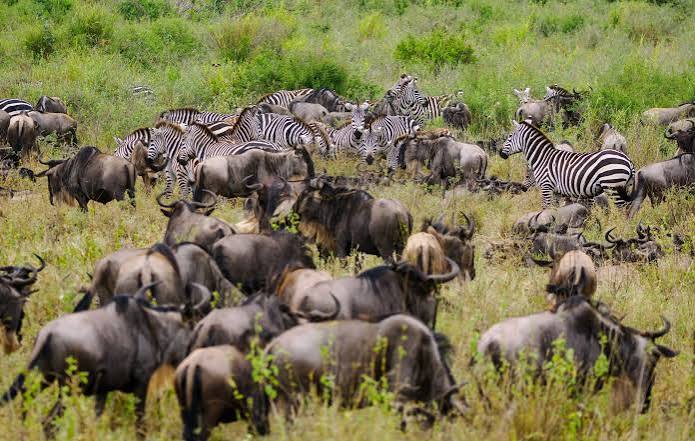
Each year, more than a million wildebeest, accompanied by hundreds of thousands of zebras and gazelles, move across the Serengeti ecosystem in search of fresh grazing land. Their journey follows seasonal rainfall patterns and creates dramatic wildlife encounters throughout the year.
The migration provides endless opportunities for observation. Travelers can watch vast herds stretching across the horizon, witness newborn calves taking their first steps, and observe predators tracking prey through the grasslands. Few wildlife experiences match the scale and intensity of this annual movement.
River crossings represent one of the migration’s most famous highlights. As herds attempt to cross crocodile inhabited rivers, visitors witness dramatic scenes filled with action, survival, and raw natural beauty. These moments attract wildlife photographers and safari enthusiasts from around the world.
Because much of the migration takes place within Tanzania’s Serengeti National Park, the country enjoys global recognition as a premier safari destination. The Great Wildebeest Migration remains one of the strongest reasons why Tanzania is famous for safaris and wildlife tourism.
Serengeti National Park and Its Global Reputation
Another reason why Tanzania is famous for safaris lies in the international reputation of Serengeti National Park. Often considered the symbol of the African safari, Serengeti represents one of the most celebrated wildlife destinations on Earth.
The park covers thousands of square kilometers of open grasslands, woodlands, and river systems. Its landscapes create the classic safari scenery that many travelers imagine when planning an African adventure. Endless horizons, abundant wildlife, and dramatic sunsets combine to create unforgettable experiences.
Serengeti supports impressive predator populations. Lions, cheetahs, leopards, and hyenas thrive within the ecosystem due to abundant prey species. Visitors frequently witness hunting behavior, territorial interactions, and fascinating wildlife dynamics during game drives.
The park also offers exceptional year round wildlife viewing. Even outside migration periods, travelers encounter elephants, giraffes, buffaloes, hippos, crocodiles, and numerous antelope species. This consistency makes Serengeti attractive regardless of travel season.
Global documentaries, wildlife photography, and conservation efforts have further enhanced Serengeti’s reputation. Its name has become synonymous with African wildlife and safari excellence, contributing significantly to Tanzania’s standing as one of the world’s top safari destinations.
Why Tanzania Safari Destinations Offer Exceptional Game Viewing
Many travelers ask why Tanzania safari destinations consistently rank among the best for wildlife viewing. The answer lies in the country’s combination of extensive protected areas, healthy ecosystems, and abundant animal populations.
Tanzania protects millions of hectares of wilderness through national parks, conservation areas, and game reserves. These protected landscapes allow wildlife to move naturally without significant human interference. As a result, animal populations remain robust and diverse.
Water sources, seasonal migration patterns, and varied habitats support year round game viewing opportunities. During the dry season, animals gather around rivers and watering points, making sightings easier. During greener months, lush landscapes attract herbivores and support active ecosystems.
Professional safari guides further enhance wildlife viewing experiences. Their expertise helps visitors locate animals, understand behavior, and appreciate ecological relationships within the environment. These insights transform ordinary sightings into memorable learning experiences.
The country’s commitment to conservation also contributes to exceptional wildlife viewing. Conservation initiatives protect habitats and support sustainable tourism practices that benefit both wildlife and local communities.
Together, these factors explain why Tanzania safari destinations continue to attract visitors seeking extraordinary game viewing opportunities.
Ngorongoro Crater and Its Incredible Wildlife Concentration
The Ngorongoro Crater provides another powerful answer to the question, why is Tanzania famous for safaris? This natural wonder offers one of the highest wildlife concentrations anywhere in Africa.
Created by the collapse of a massive volcano, the crater forms a natural enclosure that supports diverse ecosystems within a relatively small area. Grasslands, wetlands, forests, and freshwater lakes provide ideal habitats for numerous wildlife species.
Visitors often encounter a remarkable variety of animals during a single game drive. Lions, elephants, buffaloes, zebras, wildebeest, hyenas, hippos, and numerous bird species inhabit the crater floor. The area’s compact nature increases the likelihood of multiple sightings within a short period.
Ngorongoro also offers one of Tanzania’s best opportunities to observe the endangered black rhino. Conservation efforts within the crater have helped maintain a small but important population of these magnificent animals.
Beyond wildlife, the crater’s scenic beauty creates an unforgettable backdrop for safari adventures. The dramatic landscape enhances photography opportunities and contributes to the overall safari experience.
Because of its unique geology, exceptional wildlife density, and breathtaking scenery, Ngorongoro remains one of Tanzania’s most famous safari attractions.
Why Tanzania Safari Parks Attract Nature Lovers Worldwide
Nature lovers often choose Tanzania because its safari parks offer far more than wildlife viewing alone. The country’s landscapes, ecosystems, and natural beauty create immersive experiences that appeal to travelers seeking deeper connections with nature.
Each safari park showcases distinct environments. Serengeti features endless grasslands, Tarangire highlights ancient baobab trees, Ruaha presents rugged wilderness, and Nyerere offers rivers and wetlands filled with life. This variety allows visitors to explore different ecosystems within a single destination.
Birdwatchers particularly appreciate Tanzania’s incredible avian diversity. Hundreds of species inhabit the country’s national parks, making it one of Africa’s premier birding destinations. Migratory birds further enhance viewing opportunities during certain seasons.
The changing seasons also add variety. Dry months provide excellent wildlife visibility, while greener periods transform landscapes into vibrant natural environments. These seasonal shifts ensure every safari experience feels unique.
Nature photographers benefit from dramatic scenery, abundant wildlife, and diverse habitats that create endless creative opportunities. Whether capturing predators on the hunt or elephants silhouetted against a sunset, Tanzania offers extraordinary photographic potential.
The combination of wildlife, scenery, biodiversity, and natural beauty explains why Tanzania safari parks continue to inspire nature enthusiasts from around the world.
Rich Cultural Experiences Enhance Tanzania Safaris
Tanzania’s safari appeal extends beyond wildlife because the country also offers rich cultural experiences that deepen travelers’ understanding of East Africa.
Many safari itineraries include opportunities to visit local communities and learn about traditional lifestyles. Cultural encounters provide valuable perspectives on the relationship between people, wildlife, and conservation.
The Maasai people represent one of Tanzania’s most recognized cultural groups. Their traditions, colorful attire, and deep connection to the land fascinate visitors interested in learning about local heritage. Interactions with Maasai communities often complement wildlife experiences and add meaningful cultural dimensions to safari journeys.
Other communities across Tanzania contribute to the country’s rich cultural diversity. Visitors can explore local markets, traditional crafts, music, dance, and culinary traditions while supporting community based tourism initiatives.
Cultural tourism also promotes sustainable development by creating economic opportunities for local residents. Responsible travel encourages conservation while benefiting the communities that coexist with wildlife.
The ability to combine wildlife viewing with authentic cultural experiences distinguishes Tanzania from many other safari destinations and contributes to its global popularity.
Why Tanzania Leads in Safari Conservation Efforts
Another important reason why Tanzania is famous for safaris involves its strong commitment to conservation. The country’s protected areas safeguard some of Africa’s most valuable ecosystems and wildlife populations.
National parks, conservation areas, and wildlife reserves cover significant portions of Tanzania’s landscape. These protected regions preserve habitats for countless species while supporting ecological processes that sustain biodiversity.
Conservation programs focus on anti poaching initiatives, habitat protection, wildlife monitoring, community engagement, and sustainable tourism development. These efforts help ensure wildlife populations remain healthy and resilient.
Tourism revenue plays a crucial role in supporting conservation activities. Safari visitors contribute directly to wildlife protection through park fees, accommodation spending, and responsible travel practices.
Many travelers appreciate knowing their safari experiences help fund conservation efforts that benefit both wildlife and local communities. This connection adds purpose and meaning to their journeys.
Tanzania’s dedication to protecting its natural heritage strengthens its reputation as a world class safari destination and reinforces its leadership within Africa’s tourism industry.
Giant Holiday Safaris Helps You Experience the Best of Tanzania
Choosing the right safari itinerary can significantly influence your experience in Tanzania. With so many exceptional destinations available, expert guidance helps travelers maximize their time and investment.
At Giant Holiday Safaris, we specialize in creating customized safari experiences that showcase Tanzania’s most remarkable wildlife areas and cultural attractions. Our team understands the seasonal movements of wildlife, the strengths of different national parks, and the unique interests of individual travelers.
Whether visitors dream of witnessing the Great Wildebeest Migration, exploring the Ngorongoro Crater, photographing predators in Serengeti, or discovering remote wilderness areas, we help design journeys that align with their goals.
We prioritize quality service, responsible tourism, and authentic experiences that create lasting memories. By combining local expertise with personalized planning, we ensure every safari delivers exceptional value and unforgettable adventures.
Our commitment to excellence allows travelers to explore Tanzania with confidence while enjoying some of Africa’s finest wildlife experiences.
Understanding Why Tanzania Is Famous for Safaris
So, why is Tanzania famous for safaris? The answer lies in its extraordinary combination of wildlife diversity, world renowned national parks, breathtaking landscapes, remarkable conservation achievements, and authentic cultural experiences. Few destinations can match the scale, variety, and quality of safari opportunities available throughout Tanzania.
From the Great Wildebeest Migration in Serengeti National Park to the wildlife rich ecosystems of Ngorongoro Crater, Tarangire, Ruaha, and Nyerere, Tanzania consistently delivers unforgettable adventures for travelers from around the world. Its protected landscapes support thriving wildlife populations while providing visitors with opportunities to connect deeply with nature.
The country’s commitment to conservation ensures these remarkable experiences remain available for future generations. Combined with warm hospitality and rich cultural heritage, Tanzania continues to stand among the world’s premier safari destinations.
At Giant Holiday Safaris, we take pride in helping travelers discover firsthand why Tanzania is famous for safaris. Through expert planning and personalized service, we create safari journeys that showcase the very best of Tanzania’s wildlife, landscapes, and cultural treasures.
Combined Uganda, Kenya, Rwanda and Tanzania Safaris
17 days Kenya Tanzania and Uganda safari
19 Days Uganda Kenya and Tanzania Safari
16 Days Kenya Tanzania and Uganda Safari
14 Days Kenya Uganda and Tanzania Safari
14 Days Kenya Uganda and Rwanda Safari