What Are the Best Safari Camps With Outdoor Dining in Kenya?
May 31, 2026
Why Is Tanzania Famous for Safaris
May 31, 2026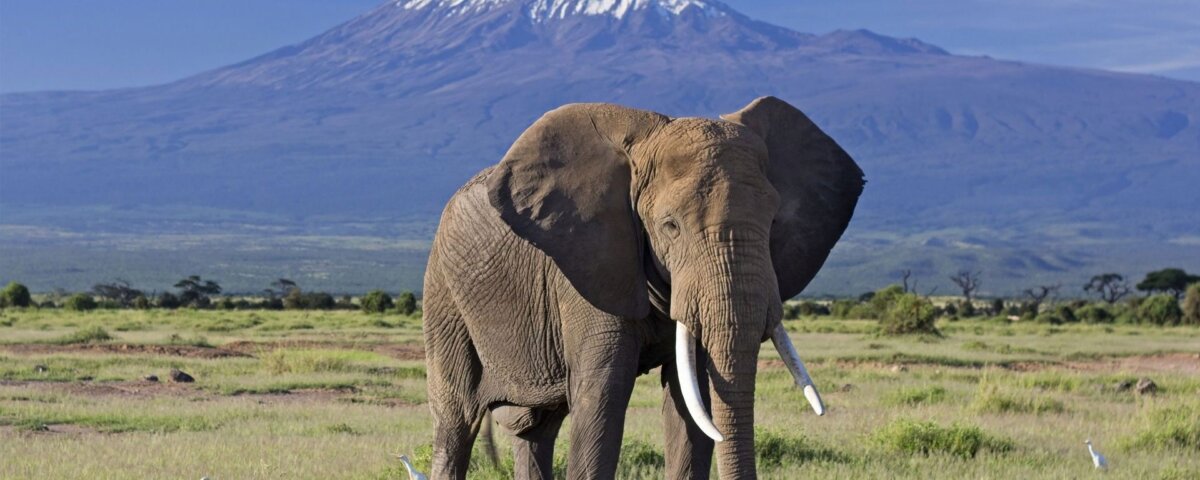
What Are the Best Safari Parks for Elephant Photography?
For wildlife photographers, few subjects are as captivating as African elephants. Their immense size, complex social behavior, intelligence, and emotional interactions create endless opportunities for breathtaking images. Whether capturing a matriarch leading her family across the savannah, a playful calf learning to use its trunk, or a massive bull elephant silhouetted against a golden sunset, elephants offer some of the most rewarding photography experiences in Africa. As a result, many travelers ask: what are the best safari parks for elephant photography?”
Africa is home to several outstanding safari destinations where photographers can observe and photograph elephants in diverse landscapes and lighting conditions. Some parks offer large elephant populations, while others provide dramatic backdrops such as mountains, rivers, forests, and open plains. Choosing the right destination can significantly improve both photographic opportunities and overall safari experiences.
Successful elephant photography depends on more than simply finding elephants. Factors such as habitat, accessibility, seasonal conditions, vehicle positioning, guide expertise, and light quality all influence the final image. Therefore, understanding the strengths of different safari parks helps photographers maximize their chances of capturing exceptional wildlife photographs. This guide explores what are the best safari parks for elephant photography and explains why these destinations continue to attract photographers from around the world.
Why Elephants Are Among the Most Photogenic Animals in Africa
Elephants rank among the most popular wildlife photography subjects because they combine physical grandeur with remarkable emotional depth. Their size immediately commands attention, yet their social behavior creates intimate moments that resonate with photographers and viewers alike.
Family interactions often provide some of the most compelling photographic opportunities. Herd members constantly communicate through touch, body language, and vocalizations. Photographers can capture mothers protecting calves, siblings playing together, and entire family groups moving across landscapes in coordinated formations.
Additionally, elephants display a wide range of behaviors throughout the day. They feed, bathe, dust themselves, interact socially, and travel across large territories. This variety allows photographers to create diverse image collections rather than repeating similar compositions.
Their distinctive features further enhance photographic appeal. Wrinkled skin, expressive eyes, curved tusks, and versatile trunks contribute texture and character to images. Close up portraits often reveal details that showcase the individuality of each animal.
Moreover, elephants inhabit some of Africa’s most scenic landscapes. Whether photographed against mountains, rivers, wetlands, forests, or open savannahs, they naturally complement their environments and create visually powerful compositions.
These qualities make elephants one of the most rewarding wildlife photography subjects on the African continent.
Amboseli National Park: Africa’s Iconic Elephant Photography Destination
Amboseli National Park in Kenya consistently ranks among the best safari parks for elephant photography. The park’s large elephant population, open landscapes, and stunning views of Mount Kilimanjaro create extraordinary photography opportunities.
Photographers particularly value Amboseli because of its visibility. Sparse vegetation and wide open plains make it easier to locate and photograph elephants compared to heavily wooded environments. Consequently, visitors often enjoy prolonged photographic sessions without visual obstructions.
The park’s elephant population includes some of Africa’s largest tuskers. These magnificent animals frequently move through grasslands and wetlands while Mount Kilimanjaro provides a dramatic backdrop. Few wildlife photography destinations offer such instantly recognizable scenery.
Early morning and late afternoon light further enhance photographic conditions. Golden sunlight illuminates dust clouds raised by moving herds, creating atmospheric images filled with depth and emotion.
Amboseli also supports family groups that spend significant time near marshes and water sources. These locations allow photographers to capture reflections, interactions, and environmental portraits that showcase elephants within their natural habitats.
For photographers seeking classic African elephant imagery, Amboseli remains one of the continent’s most iconic destinations.
Chobe National Park: Exceptional Elephant Concentrations
Chobe National Park in Botswana hosts one of the largest elephant populations in Africa. This extraordinary concentration of wildlife makes the park a dream destination for elephant photographers.
The Chobe River serves as the park’s primary attraction. During the dry season, thousands of elephants gather along the riverbanks to drink, bathe, and socialize. These gatherings create remarkable opportunities for action photography and behavioral documentation.
Boat safaris distinguish Chobe from many other destinations. Photographing elephants from water level perspectives allows for unique angles that are difficult to achieve during traditional vehicle based game drives. Photographers can capture elephants swimming, crossing channels, and interacting at close range.
The river environment also supports dramatic reflections and vibrant sunset photography. Evening light often transforms ordinary scenes into spectacular compositions featuring silhouettes and glowing landscapes.
Furthermore, Chobe’s elephant herds frequently include multiple generations traveling together. Large family groups create opportunities to document social behaviors and storytelling moments that enrich wildlife photography portfolios.
For photographers interested in large elephant numbers, dynamic behavior, and unique perspectives, Chobe offers some of Africa’s finest opportunities.
Tarangire National Park: Tanzania’s Elephant Photography Paradise
Tarangire National Park in Tanzania remains one of East Africa’s hidden gems for elephant photography. Although it receives fewer visitors than some famous safari destinations, it hosts impressive elephant populations and diverse photographic opportunities.
The park’s landscape features ancient baobab trees, rolling grasslands, seasonal wetlands, and river systems. These varied habitats create visually striking backgrounds that add character and context to elephant images.
During the dry season, elephants concentrate around the Tarangire River. As water becomes scarce elsewhere, large herds gather within the park, creating excellent wildlife viewing and photography opportunities.
Photographers often appreciate the park’s quieter atmosphere. Fewer vehicles allow greater flexibility when positioning for photographs and reduce distractions during wildlife encounters.
Tarangire also provides opportunities to photograph elephants interacting with iconic baobab trees. These unique landscapes create distinctly African compositions that stand out within wildlife photography collections.
For travelers seeking excellent elephant photography without larger tourist crowds, Tarangire offers an exceptional balance of wildlife, scenery, and photographic potential.
Addo Elephant National Park: Close Encounters With Elephants
Addo Elephant National Park in South Africa provides one of the most accessible elephant photography experiences on the continent. Established to protect a small remaining elephant population, the park now supports hundreds of elephants within a thriving conservation success story.
One of Addo’s greatest strengths involves close viewing opportunities. Elephants frequently visit waterholes situated near roads and viewing areas, allowing photographers to capture detailed images without requiring long wildlife searches.
The park’s diverse habitats create varied photographic settings. Dense vegetation, open plains, and water sources offer different environmental contexts for elephant photography.
Additionally, Addo’s infrastructure supports both guided safaris and self drive photography. This flexibility appeals to photographers with different travel preferences and budgets.
Behavioral photography remains particularly rewarding in Addo. Waterholes often attract multiple family groups, creating opportunities to observe social interactions, playful calves, and dramatic encounters between individuals.
Photographers who value accessibility, close encounters, and conservation success stories frequently rank Addo among the best safari parks for elephant photography.
Hwange National Park: Zimbabwe’s Elephant Photography Treasure
Hwange National Park hosts one of Africa’s largest elephant populations and offers outstanding opportunities for wildlife photographers. Located in western Zimbabwe, the park combines exceptional elephant numbers with a strong sense of wilderness.
Artificial waterholes play a major role in attracting wildlife throughout the dry season. These reliable water sources create predictable photography locations where elephants gather daily.
Photographers benefit from specialized hides positioned near waterholes. These structures allow low angle photography that produces intimate and immersive images. Capturing elephants at eye level often results in more powerful and emotionally engaging photographs.
Hwange’s diverse habitats include woodlands, grasslands, and seasonal wetlands. This variety supports a broad range of photographic styles and compositions.
The park’s lower visitor numbers compared to some East African destinations further enhance the photography experience. Photographers often enjoy extended wildlife encounters without competition from large numbers of vehicles.
For those seeking authentic wilderness experiences combined with outstanding elephant photography opportunities, Hwange remains one of Africa’s most rewarding safari destinations.
Best Seasons for Elephant Photography Safaris
Timing significantly influences the success of elephant photography safaris. Understanding seasonal wildlife movements helps photographers maximize opportunities and capture stronger images.
The dry season generally offers the best elephant photography conditions. As water becomes limited, elephants concentrate around rivers, waterholes, and wetlands. These predictable gathering points make wildlife easier to locate and photograph.
Dry conditions also reduce vegetation density, improving visibility and creating cleaner photographic backgrounds. Additionally, dust generated by elephant movements often adds atmosphere and drama to images.
Early mornings and late afternoons provide the most favorable lighting conditions. Soft golden light enhances texture, color, and contrast while reducing harsh shadows.
The wet season presents different opportunities. Lush landscapes, dramatic skies, and newborn calves create unique photographic possibilities. However, denser vegetation can make wildlife sightings more challenging.
By aligning travel plans with seasonal conditions, photographers can significantly improve both wildlife encounters and image quality.
Essential Tips for Capturing Better Elephant Photographs
Successful elephant photography requires preparation, patience, and an understanding of wildlife behavior. Photographers who develop these skills often achieve stronger and more meaningful images. With Giant Holiday Safaris, travelers gain expert guidance to maximize photographic opportunities in Kenya’s best elephant habitats.
Patience remains one of the most valuable qualities. Waiting for interactions, movements, and behavioral moments frequently produces more compelling photographs than constantly seeking new subjects. Giant Holiday Safaris guides help position photographers at the right place and time to capture these moments.
Composition also plays a critical role. Including landscapes, water sources, mountains, or vegetation helps tell a broader story and places elephants within their natural environments. Giant Holiday Safaris ensures photographers access diverse settings that enhance storytelling.
Photographers should vary perspectives whenever possible. Wide‑angle shots showcase habitats, while close‑up portraits highlight character and detail. Combining both approaches creates more complete visual narratives.
Understanding elephant behavior improves anticipation. Recognizing signs of social interaction, movement, or play allows photographers to prepare for key moments before they occur. With Giant Holiday Safaris, guides share insights into herd dynamics, helping photographers anticipate action.
Finally, respecting wildlife remains essential. Ethical photography prioritizes animal welfare and avoids actions that disturb natural behaviors. Responsible practices ensure positive experiences for both photographers and wildlife.
By combining patience, composition, perspective, and ethical practices, photographers can create powerful elephant images that celebrate both wildlife and conservation.
Final Thoughts on What Are the Best Safari Parks for Elephant Photography?
Understanding what are the best safari parks for elephant photography helps wildlife enthusiasts choose destinations that maximize photographic opportunities while delivering unforgettable safari experiences. Each park offers unique advantages, from Amboseli’s iconic mountain backdrops and Tsavo’s red‑dust herds to Samburu’s river settings and Laikipia’s conservation landscapes. With Giant Holiday Safaris, travelers enjoy customized itineraries that highlight these strengths.
These remarkable destinations showcase the beauty, intelligence, and social complexity of Africa’s largest land mammals. They also provide photographers with endless opportunities to create powerful images that celebrate wildlife and conservation. Giant Holiday Safaris ensures every safari balances photographic goals with responsible travel.
Ultimately, what the best safari parks for elephant photography are depends on personal photographic goals and travel preferences. However, each of these destinations offers extraordinary opportunities to capture stunning elephant images while experiencing some of Africa’s most spectacular wildlife landscapes. With Giant Holiday Safaris as your trusted operator, elephant photography safaris remain among the most rewarding adventures on the continent.
Combined Uganda, Kenya, Rwanda and Tanzania Safaris
17 days Kenya Tanzania and Uganda safari
19 Days Uganda Kenya and Tanzania Safari
16 Days Kenya Tanzania and Uganda Safari
14 Days Kenya Uganda and Tanzania Safari
14 Days Kenya Uganda and Rwanda Safari