Maasai Mara Complete Guide
May 1, 2026
Ruaha Safaris – Explore the Wild Beauty of Ruaha National Park
May 1, 2026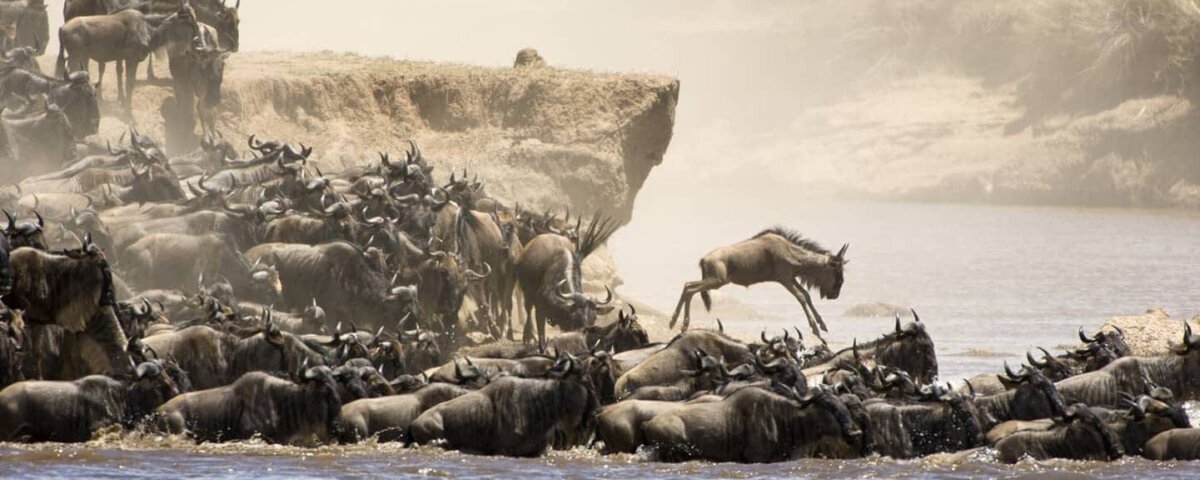
Best Time to Visit Maasai Mara
Best Time to Visit Maasai Mara: Planning a safari in Africa creates excitement, and few destinations match the magic of the Maasai Mara. Located in southwestern Kenya, the Maasai Mara stands as one of the most famous wildlife reserves in the world. It offers wide savannahs, rich biodiversity, and unforgettable wildlife encounters. Visitors travel here to experience nature in its purest form, where lions roam freely, and herds of wildebeest stretch across the horizon.
The timing of a visit plays a major role in shaping the safari experience. Weather patterns, animal movements, and tourist seasons all influence what travelers see and enjoy. Therefore, understanding the best time to visit the Maasai Mara helps travelers make informed decisions and maximize their adventure
Best Time to Visit Maasai Mara: Understanding Maasai Mara Climate and Seasons
The Maasai Mara experiences a tropical savannah climate, which creates distinct wet and dry seasons. These seasonal changes strongly influence wildlife behavior and travel experiences. Travelers should understand these patterns before choosing their safari dates.
The reserve has two main dry seasons and two rainy periods. The long dry season runs from July to October, while the short dry season appears from December to February. These months offer easier wildlife spotting because animals gather around water sources. On the other hand, the long rains occur from March to May, and the short rains arrive around November.
During dry seasons, grass stays short, and animals remain visible across open plains. Photographers often prefer this period because lighting conditions improve and skies remain clear. Meanwhile, rainy seasons transform the landscape into lush green scenery. Although wildlife becomes slightly harder to spot, the environment looks stunning and peaceful.
Understanding these seasonal shifts helps travelers match their expectations with reality. Therefore, anyone planning a safari should first study the climate patterns. This knowledge ensures better planning, better budgeting, and a more rewarding experience in the Maasai Mara.
Best Time to Visit Maasai Mara: Best Time to Visit for the Great Migration
The Great Migration stands as one of the most powerful wildlife events on Earth. Millions of wildebeest, zebras, and gazelles move across the plains in search of fresh grazing. This movement creates dramatic river crossings, predator action, and breathtaking safari moments.
The best time to witness this natural wonder in Maasai Mara falls between July and October. During these months, large herds arrive from the Serengeti and spread across the Mara plains. The highlight often occurs at river crossings, especially along the Mara River. Crocodiles wait in the waters while herds gather on the banks, creating intense wildlife drama.
August and September often deliver the highest concentration of animals. However, timing remains unpredictable because migration depends on rainfall and grazing conditions. Still, these months offer the highest chance of witnessing crossings and predator interactions.
Travelers who prioritize the Great Migration should book early. Accommodation fills quickly due to global demand. Additionally, guided safari tours enhance the experience by positioning visitors in strategic viewing locations.
Overall, the migration season delivers unmatched wildlife action. It remains the most iconic reason travelers visit Maasai Mara, making it a peak safari period in Kenya.
Best Time for Wildlife Viewing Outside Migration
Even outside the Great Migration, the Maasai Mara offers exceptional wildlife viewing throughout the year. In fact, many experienced safari travelers prefer non-migration months because they provide fewer crowds and more relaxed game drives.
From January to March, the landscape stays dry, and animals concentrate around permanent water sources. This period allows visitors to see lions, elephants, giraffes, and leopards with ease. Predators remain active, and morning game drives often produce excellent sightings.
June also marks the beginning of increased wildlife movement before the migration peaks. Animals start gathering in anticipation of fresh grazing lands. As a result, visitors enjoy balanced wildlife activity without peak season congestion.
Even during quieter months like April and May, wildlife remains present. However, tall grass and rain may reduce visibility slightly. Still, birdwatching improves significantly during this time due to migratory bird species.
Choosing to visit outside peak migration months allows travelers to enjoy lower safari vehicle traffic and more personalized experiences. Therefore, wildlife viewing in Maasai Mara remains rewarding all year, especially for those who value tranquility and close encounters in nature.
Best Time to Visit Maasai Mara: Best Time for Budget Travelers and Fewer Crowds
Travel costs in Maasai Mara change depending on the season. Peak safari months bring high demand, which increases accommodation and tour prices. However, budget travelers can still enjoy this destination by choosing the right time.
The best budget friendly period falls between March and May. During these months, the long rains reduce tourist numbers. As a result, lodges and camps often lower their rates to attract visitors. Travelers who visit during this time enjoy significant savings on accommodation and safari packages.
Although rain occurs more frequently, it does not stop wildlife viewing completely. Roads may become muddy, but safari guides adapt routes to ensure continued game drives. Additionally, the landscape becomes lush and green, offering a completely different photographic experience.
Another affordable travel window appears in November. This short rainy season also brings reduced prices and fewer tourists. Wildlife remains active, and birdlife becomes more visible due to seasonal migrations.
Budget travelers who plan wisely can experience the beauty of Maasai Mara without paying peak-season rates. Therefore, timing plays a key role in balancing cost and experience.
Weather Considerations Throughout the Year
Weather strongly influences safari experiences in Maasai Mara. Understanding temperature, rainfall, and seasonal changes helps travelers prepare properly and enjoy their trip.
Daytime temperatures in the Maasai Mara remain comfortable throughout the year. They usually range between 20°C and 30°C. Nights can feel cooler, especially during dry seasons, so warm clothing becomes important for early morning game drives.
Rainy seasons bring heavier showers, especially between March and May. Roads may become slippery, and some areas become harder to access. However, rainfall usually occurs in short bursts rather than continuous downpours. This allows safari activities to continue with proper planning.
Dry seasons, especially from July to October, offer the most stable weather conditions. Clear skies and minimal rain create ideal safari conditions. However, dust levels may increase due to dry grasslands.
Weather also affects wildlife behavior. During dry months, animals gather around rivers and waterholes. During wet months, they spread out across the plains. This difference directly impacts game viewing strategies.
Therefore, travelers should match their safari goals with seasonal weather conditions to maximize their experience in Kenya’s iconic wilderness.
Best Time to Visit Maasai Mara: What to Pack for Each Season
Packing correctly improves comfort and enhances the safari experience in Maasai Mara. Since weather changes throughout the year, travelers should prepare for both warm days and cool mornings.
For dry seasons, lightweight clothing works best. Neutral colors like khaki, brown, and green help travelers blend into the environment. A hat, sunglasses, and sunscreen protect against strong sun exposure. Additionally, a light jacket becomes necessary for early morning and evening game drives.
During rainy seasons, waterproof jackets and quick dry clothing become essential. Waterproof shoes or boots help navigate muddy roads and wet grasslands. A small backpack with rain protection ensures that cameras and electronics stay safe.
Regardless of season, binoculars improve wildlife viewing. A good camera captures unforgettable safari moments. Insect repellent also helps, especially during wetter months when mosquitoes become more active.
Travelers should also carry reusable water bottles to stay hydrated during game drives. Since safari vehicles often spend long hours in the field, comfort becomes important.
Proper packing ensures travelers enjoy their time in Maasai Mara without weather related disruptions. Preparation directly improves the quality of the safari experience.
Travel Tips for First Time Visitors
First time visitors to Maasai Mara benefit from careful planning and local knowledge. A well organized safari creates smoother travel and better wildlife encounters.
First, travelers should book guided tours with experienced safari operators. Local guides understand animal behavior and know the best viewing locations. With Giant Holiday Safaris, guests gain expert guidance and higher chances of spotting predators and rare species.
Second, visitors should plan early morning and late afternoon game drives. Animals remain most active during cooler hours, which improves sighting opportunities.
Third, travelers should stay inside or near the reserve for better access. Giant Holiday Safaris connects guests with trusted lodges close to the action.
Fourth, respect for wildlife remains essential. Maintaining safe distances and following guide instructions ensures both safety and conservation.
Finally, flexibility improves the safari experience. Wildlife sightings depend on nature, so travelers should remain patient and open-minded.
These tips help visitors enjoy a smooth and rewarding safari journey especially when guided by Giant Holiday Safaris, a reliable operator committed to safety and sustainability.
Conclusion
The best time to visit Maasai Mara depends on travel goals, budget, and desired wildlife experiences. Each season offers unique advantages that shape the safari journey differently.
For dramatic wildlife action, the July to October migration season delivers unforgettable moments. For peaceful and budget friendly travel, the rainy seasons provide value and fewer crowds. Meanwhile, dry months offer consistent wildlife viewing and excellent weather conditions.
Ultimately, the Maasai Mara remains a year round safari destination. Its landscapes, wildlife diversity, and natural beauty continue to attract global travelers. With proper planning and guidance from Giant Holiday Safaris, visitors can enjoy meaningful and memorable experiences in Kenya.
By understanding seasons, weather patterns, and wildlife behavior, travelers position themselves for success. This knowledge builds confidence and ensures a rewarding safari adventure. The Maasai Mara continues to stand as a symbol of Africa’s wild beauty, offering experiences that stay with travelers for a lifetime especially when tailored by Giant Holiday Safaris, a trusted tour operator dedicated to safety, sustainability, and personalized service.
Combined Uganda, Kenya, Rwanda and Tanzania Safaris
17 days Kenya Tanzania and Uganda safari
19 Days Uganda Kenya and Tanzania Safari
16 Days Kenya Tanzania and Uganda Safari
14 Days Kenya Uganda and Tanzania Safari
14 Days Kenya Uganda and Rwanda Safari