Community-Based Safaris Kenya
May 12, 2026
Tanzania Safari for Travel Bloggers
May 12, 2026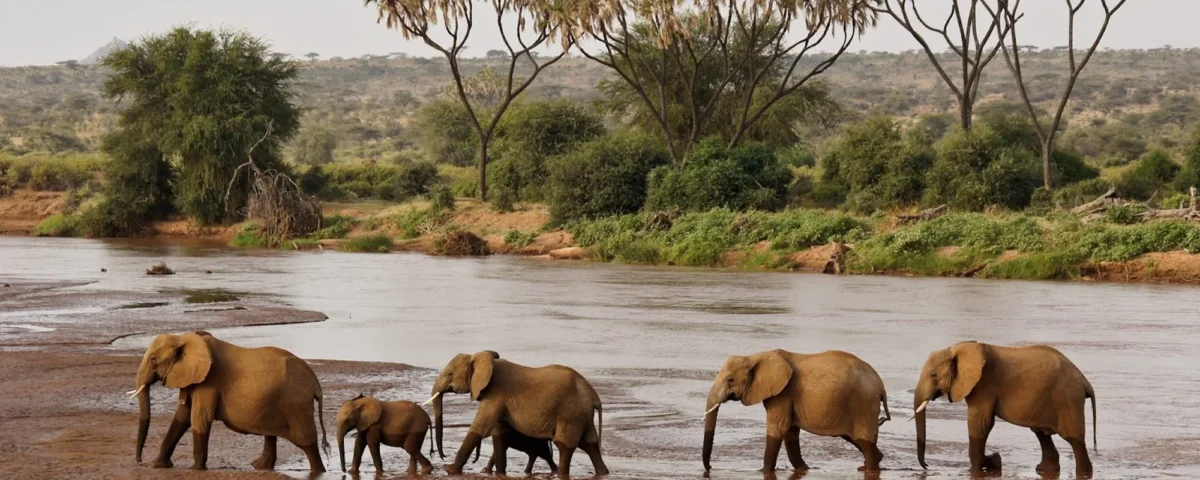
Conservation Safaris in Kenya
Conservation safaris in Kenya offer travelers a meaningful way to explore Africa while supporting wildlife protection and sustainable tourism. Unlike ordinary safaris that focus mainly on sightseeing, conservation safaris create deeper connections between travelers, wildlife, local communities, and environmental preservation. Visitors enjoy incredible safari experiences while directly contributing to efforts that protect Kenya’s natural heritage.
Kenya stands among Africa’s leading conservation destinations because of its rich biodiversity, world-famous national parks, and strong community conservancy programs. From the elephant populations of Amboseli to the predator-filled plains of the Maasai Mara and the endangered species programs in Laikipia, Kenya continues to lead wildlife conservation across the continent. Conservation safaris help strengthen these efforts through responsible tourism and environmental awareness.
Modern travelers increasingly value sustainable travel experiences that create a positive impact. Conservation safaris answer this demand by combining adventure with education and responsibility. Travelers not only observe wildlife but also learn about habitat protection, anti-poaching programs, community partnerships, and ecosystem management.
In addition, conservation safaris support local livelihoods. Many conservancies and eco-lodges work closely with surrounding communities by creating jobs, supporting schools, and funding healthcare and environmental projects. This partnership helps communities benefit directly from protecting wildlife instead of competing with it.
Whether travelers seek wildlife photography, eco-tourism, cultural learning, or ethical safari experiences, conservation safaris in Kenya provide one of the most rewarding ways to experience Africa responsibly.
What Conservation Safaris in Kenya Involve
Conservation safaris in Kenya focus on responsible wildlife tourism and environmental protection. These safaris combine traditional game viewing with educational and conservation-focused experiences that help travelers understand how safari tourism supports nature preservation.
Travelers often stay in eco-friendly lodges or conservancies that operate under sustainable tourism principles. These accommodations use renewable energy, water conservation systems, and environmentally responsible practices that reduce ecological impact.
Safari activities include game drives, guided nature walks, conservation talks, and wildlife monitoring experiences. Expert guides explain animal behavior, habitat challenges, and conservation strategies while helping travelers appreciate the complexity of African ecosystems.
Many conservation safaris also include visits to community projects, wildlife rescue centers, and anti-poaching initiatives. Travelers learn how conservation organizations work with local communities to protect endangered species and fragile habitats.
Conservation-focused safaris usually limit guest numbers to reduce environmental pressure on wildlife areas. Smaller groups also create more peaceful and authentic safari experiences.
These safaris encourage travelers to become more environmentally aware. Visitors gain deeper understanding of climate change, habitat loss, human-wildlife conflict, and sustainable land management.
Overall, conservation safaris in Kenya combine adventure, learning, and environmental responsibility into one unforgettable safari experience.
Why Conservation Tourism Matters in Kenya
Conservation tourism plays a major role in protecting Kenya’s wildlife and ecosystems. Tourism revenue helps fund wildlife protection programs, habitat restoration, research, and anti-poaching operations across the country.
Many of Kenya’s most important wildlife areas depend heavily on conservation tourism income. National parks, conservancies, and community reserves use safari revenue to maintain infrastructure, protect habitats, and support ranger patrols.
Conservation tourism also creates economic opportunities for local communities. Jobs in guiding, hospitality, transportation, security, and conservation management help families earn stable incomes through tourism. This reduces pressure on natural resources and encourages wildlife protection.
Human-wildlife conflict remains one of Kenya’s biggest conservation challenges. As communities expand near wildlife areas, competition for land and water increases. Conservation tourism helps communities benefit financially from wildlife conservation, which promotes peaceful coexistence.
In addition, conservation tourism supports endangered species recovery programs. Kenya protects important populations of elephants, rhinos, lions, cheetahs, giraffes, and African wild dogs through conservancy partnerships and wildlife monitoring initiatives.
Education also plays an important role. Conservation safaris teach travelers about environmental responsibility and inspire greater support for global wildlife protection.
As ecotourism continues growing worldwide, Kenya’s conservation tourism model remains an important example of how tourism can support both environmental protection and community development.
Top Conservation Safari Destinations in Kenya
Kenya offers several outstanding destinations for conservation-focused safaris. Each region combines wildlife experiences with strong environmental protection programs and community involvement.
The Maasai Mara conservancies remain among Kenya’s leading conservation success stories. Private conservancies surrounding the national reserve protect wildlife corridors while supporting local Maasai communities. Travelers enjoy exclusive safari experiences with fewer vehicles and stronger conservation management.
Laikipia conservancies also play a major role in conservation tourism. This region protects endangered species such as black rhinos, Grevy’s zebras, and African wild dogs. Many conservancies support research, anti-poaching efforts, and habitat restoration projects.
Amboseli National Park and nearby conservancies protect one of Africa’s most important elephant populations. Conservation programs focus on elephant migration routes, habitat preservation, and community partnerships.
Samburu conservancies in northern Kenya support rare wildlife species and community-based conservation programs. Travelers experience unique landscapes while learning about conservation efforts in semi-arid ecosystems.
Ol Pejeta Conservancy stands out as one of Africa’s leading wildlife conservation centers. The conservancy protects endangered rhinos and supports chimpanzee rescue programs alongside luxury safari tourism.
Tsavo National Park also supports large-scale conservation across one of Kenya’s biggest protected ecosystems. The park protects elephants, predators, and diverse habitats that stretch across vast wilderness areas.
These destinations continue positioning Kenya as a global leader in conservation tourism and sustainable safari experiences.
Wildlife Protection and Conservation Efforts
Conservation safaris in Kenya allow travelers to witness wildlife protection efforts firsthand. These safaris go beyond traditional game viewing by highlighting the challenges and successes of modern conservation work.
Anti-poaching programs remain one of the most important conservation priorities. Rangers patrol protected areas to prevent illegal hunting and protect endangered species such as rhinos and elephants. Many safari conservancies fund ranger training and security operations through tourism revenue.
Wildlife monitoring programs also support conservation success. Researchers track animal populations, migration routes, and ecosystem health using technology such as GPS collars, drones, and camera traps. Travelers sometimes participate in educational tracking experiences during safaris.
Habitat protection remains equally important. Conservancies preserve critical wildlife corridors that allow animals to move safely between ecosystems. These protected landscapes reduce habitat fragmentation and improve biodiversity.
Conservation organizations also focus on species recovery programs. Kenya has achieved major progress in protecting rhinos, elephants, and other vulnerable species through breeding programs and strict wildlife protection laws.
Community education strengthens conservation efforts as well. Many projects teach local communities about environmental stewardship and sustainable land use practices.
Travelers who join conservation safaris gain valuable understanding of how wildlife protection works in practice while directly supporting long-term conservation success.
Community Partnerships and Sustainable Development
Community partnerships form the foundation of many conservation safaris in Kenya. Successful conservation depends heavily on cooperation between wildlife organizations, tourism operators, and local communities.
Many conservancies operate through land-lease agreements with local communities. Tourism revenue helps landowners earn income while preserving wildlife habitats instead of converting land for agriculture or development.
Employment opportunities also improve local livelihoods. Community members work as safari guides, lodge staff, rangers, drivers, and conservation officers. These jobs create long-term economic stability in rural areas.
Education projects funded through conservation tourism help improve schools, scholarships, and environmental awareness programs. Young people therefore gain new opportunities while learning the value of conservation.
Healthcare support also benefits many rural communities through tourism partnerships. Some conservancies fund clinics, water projects, and community health programs using safari revenue.
Women’s groups and artisan cooperatives also participate in conservation tourism. Travelers purchase locally made crafts, jewelry, and textiles that create additional household income.
These partnerships help communities see wildlife as an important economic resource worth protecting. As a result, conservation becomes more sustainable and community-driven over time.
Eco-Lodges and Responsible Safari Experiences
Accommodation during conservation safaris often reflects strong environmental values. Many eco-lodges and safari camps focus on sustainability, conservation education, and low-impact tourism practices.
Eco-lodges use solar energy, rainwater harvesting systems, and waste recycling programs to reduce environmental impact. These practices help protect fragile ecosystems while maintaining guest comfort.
Many safari camps also minimize plastic use and support local sourcing for food, construction materials, and supplies. This strengthens local economies while reducing transportation-related pollution.
Conservation-focused lodges often include educational activities within the guest experience. Travelers attend talks about wildlife protection, conservation challenges, and environmental management.
Small-scale camps create more intimate safari experiences and reduce pressure on wildlife habitats. Guests enjoy quieter surroundings and more authentic interactions with nature.
Dining experiences often feature locally grown ingredients supplied by nearby farmers. This supports sustainable agriculture and community partnerships.
Responsible safari experiences also encourage ethical wildlife viewing practices. Guides ensure guests respect animal behavior and maintain safe distances during game drives.
These sustainable tourism practices continue making Kenya one of Africa’s leading ecotourism destinations.
Best Time for Conservation Safaris in Kenya
Conservation safaris in Kenya operate throughout the year, although seasonal conditions create different wildlife and travel experiences. Travelers should choose timing based on personal interests and safari goals.
The dry seasons from June to October and January to February offer the best wildlife viewing conditions. Animals gather near water sources, vegetation becomes thinner, and road access improves across many conservation areas.
The Great Migration season between July and October attracts many travelers to Maasai Mara conservancies. Predator activity and dramatic river crossings create extraordinary wildlife experiences during this period.
Rainy seasons from March to May and November to December transform landscapes into lush green environments. Birdwatching improves significantly because migratory species arrive during these months.
Photographers often appreciate the rainy season because dramatic skies and vibrant scenery create excellent visual conditions.
Conservation activities continue year-round regardless of season. Wildlife monitoring, habitat management, and community programs remain active throughout the year.
Travelers seeking quieter safari experiences may prefer green seasons when fewer tourists visit conservancies and eco-lodges.
No matter the season, Kenya consistently offers rewarding conservation safari experiences filled with wildlife, learning, and environmental awareness.
Planning a Conservation Safari in Kenya
Planning a conservation safari requires thoughtful preparation to ensure responsible travel. Giant Holiday Safaris helps travelers identify destinations and conservancies that align with their conservation interests.
Choosing eco-friendly operators is essential. Giant Holiday Safaris supports wildlife protection, community development, and sustainable tourism through transparent partnerships.
Packing should include practical clothing, comfortable shoes, sun protection, and reusable water bottles. Giant Holiday Safaris advises guests on eco-friendly packing to reduce waste.
Booking early is important for private conservancies and eco-lodges with limited capacity. Giant Holiday Safaris secures reservations in advance, especially during peak seasons.
Travel insurance provides added protection. The team recommends comprehensive coverage to ensure smooth experiences in remote areas.
Respecting wildlife and communities is vital. Guides from Giant Holiday Safaris ensure travelers follow conservation rules and cultural etiquette.
Supporting local businesses and eco-lodges strengthens impact. Giant Holiday Safaris connects guests with artisans and responsible accommodations.
With proper planning, conservation safaris in Kenya create unforgettable journeys. By traveling with Giant Holiday Safaris, visitors enjoy wildlife adventures that contribute to education, sustainability, and lasting positive impact.
Conclusion
Conservation safaris in Kenya transform tourism by blending wildlife with responsibility and community development. Giant Holiday Safaris creates journeys where travelers enjoy Africa’s beauty while supporting conservation and sustainable tourism.
Kenya’s conservancies and eco-lodges show how tourism benefits both people and nature. With Giant Holiday Safaris, guests experience exceptional wildlife while contributing to ecosystem protection.
Community partnerships strengthen success by empowering local livelihoods. Giant Holiday Safaris connects travelers with communities, ensuring conservation remains inclusive and impactful.
Eco-friendly practices reduce environmental impact and safeguard future generations. Through renewable energy and low-impact operations, Giant Holiday Safaris promotes responsible travel.
Whether seeking photography, eco-luxury, or meaningful adventures, conservation safaris in Kenya are deeply rewarding. By choosing Giant Holiday Safaris, travelers enjoy unforgettable safaris that leave a lasting positive impact.
Combined Uganda, Kenya, Rwanda and Tanzania Safaris
17 days Kenya Tanzania and Uganda safari 19 Days Uganda Kenya and Tanzania Safari
16 Days Kenya Tanzania and Uganda Safari
14 Days Kenya Uganda and Tanzania Safari
14 Days Kenya Uganda and Rwanda Safari