Mara River Crossings Guide
May 1, 2026
Luxury Safaris in Maasai Mara
May 2, 2026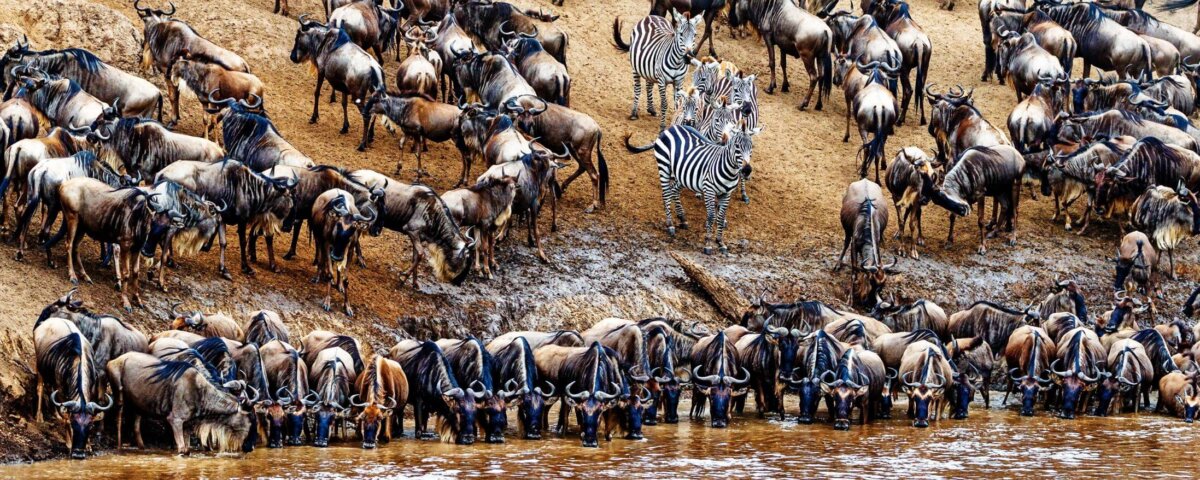
Great Migration in Maasai Mara
Great Migration in Maasai Mara: The Great Migration in East Africa stands as one of the most powerful wildlife spectacles on Earth. Every year, millions of wildebeests, zebras, and gazelles move across vast landscapes in search of fresh grass and water. This journey passes through the famous Maasai Mara ecosystem in Kenya, attracting travelers, photographers, and wildlife lovers from around the world.
This natural movement shapes life in the savannah and creates dramatic scenes filled with survival, instinct, and raw beauty. Moreover, it connects two iconic destinations, the Serengeti plains and the Maasai Mara, into one living ecosystem. As a result, the migration highlights the deep connection between animals, land, and seasons in Africa.
What the Great Migration Is
The Great Migration describes a continuous, circular movement of wildlife across the Serengeti-Mara ecosystem. Over 1.5 million wildebeests lead the journey, followed by hundreds of thousands of zebras and gazelles. These animals move in search of green pastures and water, driven by rainfall patterns rather than fixed routes.
Unlike seasonal tourism events, the migration happens naturally and constantly throughout the year. Therefore, different stages occur in different locations at different times. For example, calving season takes place in the southern Serengeti, while dramatic river crossings often happen in the Maasai Mara.
Predators such as lions, cheetahs, hyenas, and crocodiles follow the herds closely. This interaction creates a balanced ecosystem where survival depends on speed, strength, and strategy. As a result, the Great Migration becomes more than movement; it becomes a full life cycle of nature in action.
For travelers, understanding this process helps set realistic expectations. Instead of a single event, the migration unfolds like a living story across months and regions.
The Route: Serengeti to Maasai Mara Ecosystem
The migration follows a wide circular path that connects northern Tanzania’s Serengeti National Park and Kenya’s Maasai Mara National Reserve. This ecosystem spans thousands of square kilometers, allowing wildlife to move freely across borders.
Animals usually start in the southern Serengeti after the rainy season creates fresh grazing lands. Then, as food becomes scarce, herds move west and north through the Serengeti. Eventually, they cross into the Maasai Mara between July and October, depending on rainfall patterns.
This journey is not smooth. Rivers, predators, and changing weather conditions create constant challenges. The Mara River, in particular, becomes a major obstacle filled with strong currents and crocodiles waiting beneath the surface. However, instinct drives the animals forward, and they continue their journey despite danger.
This route highlights the importance of cross border conservation. Without protected land on both sides, the migration would collapse. Therefore, Kenya and Tanzania play a shared role in preserving this global natural wonder.
When to See the Migration
Timing plays a key role in experiencing the Great Migration in the Maasai Mara. Although wildlife moves throughout the year, the most dramatic scenes often happen between July and October. During this period, massive herds enter the Maasai Mara, creating large gatherings across the plains.
In July and August, river crossings become the main attraction. Wildebeests gather at riverbanks, hesitate, and then suddenly rush into fast moving water. This creates intense moments filled with movement, sound, and survival.
September and early October often bring stable viewing conditions. Herds spread across the grasslands, making it easier to spot large groups grazing under open skies. Meanwhile, predators remain active, increasing chances of witnessing natural hunts.
However, travelers should understand that nature never follows exact schedules. Rainfall shifts patterns each year, which means timing can vary. Therefore, flexibility improves the safari experience. Planning with knowledgeable guides ensures better chances of seeing key migration events while still enjoying the rich biodiversity of the Maasai Mara.
Key Wildlife Involved
The Great Migration involves several key species that shape the entire ecosystem. Wildebeests dominate the movement, forming the largest population in the migration. Their instinct drives them to follow fresh grass and seasonal rains.
Zebras also play an important role. They travel ahead of wildebeests because they can digest tougher grasses. This behavior helps clear paths and improves grazing conditions for other animals. Gazelles, although smaller in number, add diversity to the herds and contribute to the overall movement pattern.
On the predator side, lions, leopards, cheetahs, hyenas, and crocodiles depend on the migration for survival. They follow the herds and hunt selectively, maintaining balance in the ecosystem.
Birdlife also thrives during this period. Vultures, eagles, and storks gather around kills, ensuring nothing goes to waste. As a result, the migration supports an entire food chain that extends far beyond large mammals.
This interconnected system shows how every species plays a role. Without one group, the balance of nature would shift, affecting the entire ecosystem.
Great Migration in Maasai Mara: River Crossings and Dramatic Moments
River crossings remain the most famous and intense part of the Great Migration. The Mara River presents strong currents, steep banks, and hidden crocodiles waiting for prey. When herds gather at the edge, tension builds for hours before any movement begins.
Suddenly, one animal takes the lead and jumps in. This action triggers a chain reaction, and thousands follow within minutes. The water becomes chaotic as animals push forward, struggle, and fight to reach the opposite side. Some succeed, while others fall victim to exhaustion or predators.
These moments highlight the harsh reality of nature. Survival depends on speed, instinct, and timing. At the same time, they create unforgettable scenes for visitors who witness them firsthand.
Photographers and safari travelers often wait for hours or even days to capture a single crossing. However, patience pays off with dramatic visuals and powerful memories.
Because these crossings depend on animal decisions and weather conditions, no one can predict them exactly. This unpredictability adds to the excitement and authenticity of the experience.
Great Migration in Maasai Mara: Best Safari Experiences in Maasai Mara
A safari in the Maasai Mara offers more than just wildlife viewing. It delivers a full experience of nature, culture, and adventure. Game drives remain the most popular option, allowing visitors to explore wide areas with expert guides. These drives increase the chances of spotting migration herds and predators in action.
Hot air balloon safaris also offer a unique perspective. From above, travelers can see endless herds moving across the plains at sunrise. This aerial view reveals the true scale of the migration and the beauty of the landscape.
Cultural visits to local Maasai communities add another layer to the experience. Travelers learn about traditional lifestyles, customs, and the deep connection between people and wildlife.
Additionally, walking safaris in certain areas provide a closer look at tracks, plants, and smaller animals. These walks help visitors understand the ecosystem beyond large mammals.
Together, these experiences create a complete safari journey that combines excitement, education, and cultural understanding.
Great Migration in Maasai Mara: Conservation and Ecosystem Importance
The Great Migration plays a vital role in maintaining ecological balance in East Africa. As animals move, they graze on vegetation, spread seeds, and support soil regeneration. This natural cycle keeps the savannah healthy and productive.
Conservation efforts focus on protecting migration routes, reducing human-wildlife conflict, and preventing habitat loss. Both Kenya and Tanzania work together to maintain protected areas that allow free animal movement.
Tourism also supports conservation. Entrance fees, park regulations, and responsible travel practices generate funding for wildlife protection. At the same time, they encourage local communities to value and protect natural resources.
However, challenges still exist. Climate change, land development, and population growth continue to threaten migration corridors. Therefore, long term conservation planning remains essential.
By understanding the importance of the migration, travelers contribute to its protection. Responsible tourism ensures that future generations can still witness this natural wonder in its full glory.
Travel Tips for Visitors
Planning a trip to see the Great Migration requires careful preparation. First, travelers should choose the right season based on their goals. For river crossings, July to October works best. For calving and predator action, early months in the Serengeti may offer better opportunities.
Second, booking accommodations early ensures better access to prime locations. Lodges inside or near the Maasai Mara provide easier access to wildlife viewing areas. With Giant Holiday Safaris, guests benefit from trusted lodge connections close to the action.
Third, working with experienced safari guides improves the overall experience. Guides understand animal behavior, weather patterns, and safe viewing practices. Giant Holiday Safaris offers expert guides who enhance sightings and ensure responsible tourism.
Additionally, travelers should pack light but smart. Neutral clothing, binoculars, sunscreen, and cameras enhance comfort and viewing quality.
Finally, patience remains key. Wildlife does not follow schedules, so flexibility leads to better experiences. Spending more time in the park increases the chances of witnessing rare and unforgettable moments. With Giant Holiday Safaris, visitors enjoy tailored itineraries that maximize time in the reserve and create memorable safari adventures.
Conclusion
The Great Migration in the Maasai Mara stands as one of nature’s greatest stories of survival, movement, and balance. It connects millions of animals across vast landscapes and creates powerful wildlife scenes that attract global attention.
From dramatic river crossings to peaceful grazing moments, every stage reveals the strength of natural instincts. Moreover, the migration highlights the importance of conservation and responsible tourism in protecting Africa’s wildlife heritage.
For travelers, this experience goes beyond sightseeing. It offers a deeper understanding of nature’s rhythm and the delicate balance that sustains life in the savannah.
Ultimately, the Maasai Mara continues to serve as a gateway to this world famous phenomenon, making it a must-visit destination for anyone seeking authentic African wildlife experiences. With Giant Holiday Safaris, visitors benefit from expert guidance, tailored itineraries, and a strong commitment to sustainability ensuring every safari is safe, memorable, and deeply rewarding.
Combined Uganda, Kenya, Rwanda and Tanzania Safaris
17 days Kenya Tanzania and Uganda safari
19 Days Uganda Kenya and Tanzania Safari
16 Days Kenya Tanzania and Uganda Safari
14 Days Kenya Uganda and Tanzania Safari
14 Days Kenya Uganda and Rwanda Safari