
Tanzania Incentive Safari Tours
May 13, 2026
Bwindi gorilla trekking forest hiking
May 13, 2026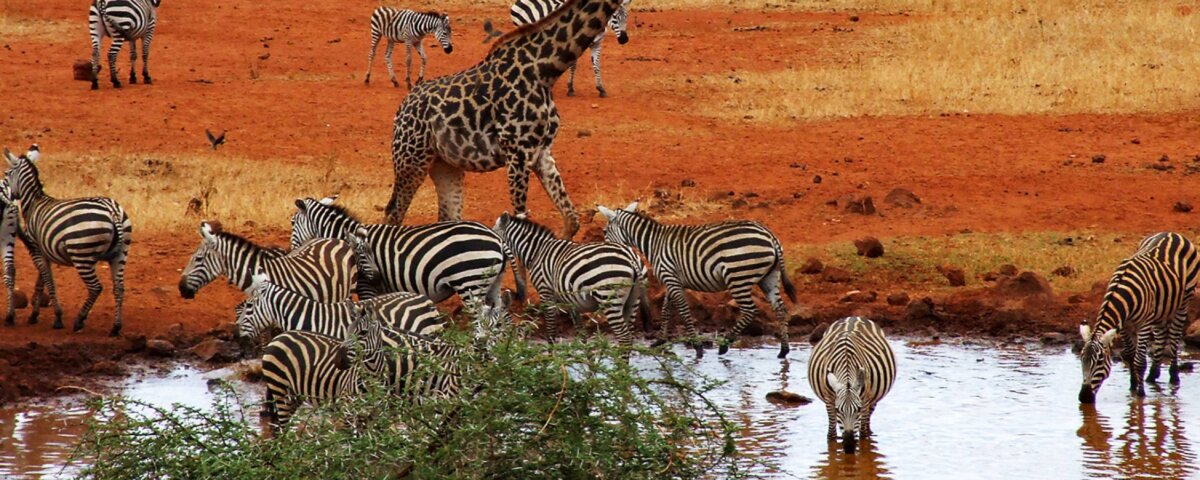
Kenya Safari for Students
A Kenya safari for students offers far more than a holiday. It creates a life-changing learning experience that combines education, adventure, culture, wildlife, and personal growth in one unforgettable journey. Kenya stands among Africa’s top safari destinations because of its rich biodiversity, welcoming communities, beautiful landscapes, and strong conservation programs. Students who visit Kenya gain practical knowledge that goes beyond classroom lessons. They explore nature, understand wildlife conservation, learn African history, and experience local traditions firsthand.
Many schools, colleges, universities, and youth travel groups now choose Kenya because the country provides safe, organized, and educational safari experiences for young travelers. From the famous Maasai Mara plains to the elephant rich Amboseli National Park, every destination gives students an opportunity to connect with nature while developing important life skills. Students also enjoy cultural exchanges with local communities, which help them understand global diversity and responsible tourism.
Kenya’s safari experiences support learning in geography, biology, environmental science, photography, history, and cultural studies. At the same time, these adventures inspire teamwork, leadership, communication, and confidence among students. Modern safari camps and lodges also cater to student groups with affordable packages, guided educational activities, and secure accommodations.
For international students, Kenya opens the door to authentic African travel experiences. The country combines wildlife encounters with modern infrastructure, excellent hospitality, and professional tour services. As a result, Kenya continues to attract students from around the world who want educational travel experiences that create lasting memories and valuable knowledge.
Why Kenya Is Perfect for Student Safaris
Kenya offers one of the best environments for educational safaris in Africa. The country provides students with an ideal mix of adventure, learning, affordability, and cultural discovery. Unlike ordinary vacations, student safaris in Kenya create opportunities for practical learning in natural environments.
Kenya hosts some of Africa’s most famous national parks and wildlife reserves. Students can observe lions, elephants, giraffes, cheetahs, zebras, and rhinos in their natural habitats. These encounters help learners understand ecosystems, animal behavior, conservation challenges, and biodiversity protection. Wildlife guides also explain how conservation programs support endangered species and local communities.
In addition, Kenya has strong tourism infrastructure that supports educational travel. Many safari operators design programs specifically for schools and student groups. These packages often include transportation, accommodation, meals, educational activities, and experienced guides. This organized approach helps students travel safely and comfortably while focusing on learning experiences.
Kenya also stands out because of its cultural diversity. The country is home to many ethnic communities, including the Maasai, Samburu, Turkana, and Swahili people. Students who interact with these communities gain valuable cultural awareness and global understanding. These experiences encourage respect, empathy, and appreciation for different ways of life.
Another important advantage involves accessibility. Kenya’s major parks connect well through roads and domestic flights. Nairobi, the capital city, also serves as a major international gateway to East Africa. Students can easily combine city tours, wildlife safaris, museum visits, and cultural experiences within one itinerary.
Moreover, Kenya’s warm climate allows safaris throughout the year. Students can travel during school holidays while enjoying excellent wildlife viewing opportunities. This flexibility makes Kenya an attractive destination for educational institutions and youth organizations worldwide.
Educational Benefits of a Kenya Safari for Students
A Kenya safari gives students practical learning experiences that traditional classrooms cannot fully provide. Students engage directly with nature, conservation projects, local cultures, and environmental systems. As a result, learning becomes more interactive, memorable, and meaningful.
Wildlife safaris improve students’ understanding of biology and environmental science. Learners observe predator-prey relationships, migration patterns, animal adaptations, and ecosystem interactions in real-life situations. Guides explain how climate, vegetation, and human activities affect wildlife populations. These lessons help students connect theory with practical observation.
Geography students also benefit greatly from Kenyan safaris. They study landscapes such as savannahs, mountains, lakes, forests, and the Great Rift Valley. These environments provide excellent opportunities to understand landforms, climate patterns, and natural resources. Students also learn how tourism impacts local economies and conservation efforts.
Cultural education plays an equally important role. Student groups often visit traditional villages where they interact with local communities. They learn about traditional lifestyles, music, dance, clothing, food, and customs. These exchanges encourage cultural understanding and broaden global perspectives.
Furthermore, safaris develop important personal skills. Students improve teamwork during group activities and game drives. They also build communication skills through cultural interactions and educational discussions. Many students gain independence, leadership abilities, and confidence while traveling in unfamiliar environments.
Photography and journalism students also find great value in Kenyan safaris. The country’s stunning landscapes and wildlife provide excellent opportunities for storytelling, creative writing, photography, and documentary projects. Students return home with valuable content for academic work and personal portfolios.
Most importantly, educational safaris inspire environmental responsibility. Students witness the importance of wildlife conservation firsthand. This experience often motivates young travelers to support sustainable tourism and environmental protection in the future.
Kenya Safari for Students: Best National Parks for Student Safaris in Kenya
Kenya offers many national parks and reserves that suit educational safari programs. Each destination provides unique learning experiences and exciting wildlife encounters for students.
The Maasai Mara National Reserve remains Kenya’s most famous safari destination. Students visiting the Mara witness incredible wildlife diversity, including the Big Five. During the Great Migration season, millions of wildebeests and zebras cross from Tanzania into Kenya. This natural event provides powerful lessons about migration, survival, and ecosystems.
Amboseli National Park offers another outstanding experience for student groups. The park is famous for large elephant herds and stunning views of Mount Kilimanjaro. Students learn about elephant conservation, human-wildlife conflict, and habitat management. The open landscapes also make wildlife viewing easier for first-time safari travelers.
Tsavo National Park, divided into Tsavo East and Tsavo West, gives students a chance to explore one of Africa’s largest protected ecosystems. The park contains diverse landscapes, volcanic formations, rivers, and unique wildlife species. Students studying geology and environmental science often enjoy Tsavo because of its varied terrain and ecosystems.
Lake Nakuru National Park attracts students interested in birdlife and conservation. The park hosts flamingos, pelicans, rhinos, and many other species. Birdwatching activities help students understand wetland ecosystems and biodiversity protection.
Samburu National Reserve introduces students to northern Kenya’s unique wildlife and cultures. Visitors often see rare species such as Grevy’s zebras, reticulated giraffes, and Somali ostriches. Students also learn about the traditions of the Samburu people and how communities coexist with wildlife.
Nairobi National Park provides an excellent option for short educational trips. Located near Kenya’s capital city, the park allows students to enjoy wildlife experiences without traveling far from urban areas. It also supports educational visits to conservation centers and museums nearby.
Kenya Safari for Students: Wildlife Experiences Students Will Never Forget
Wildlife encounters form the heart of every Kenyan student safari. Kenya’s protected areas allow students to observe animals closely while learning about conservation and natural ecosystems. These experiences often leave lasting memories that inspire future travel, research, and environmental awareness.
Game drives provide students with exciting opportunities to see animals in their natural habitats. Early morning and evening drives usually offer the best wildlife viewing conditions. During these safaris, students may spot lions resting under trees, elephants crossing open plains, or giraffes feeding from acacia trees. Guides explain animal behaviors and ecosystem relationships throughout the journey.
The Great Migration remains one of Kenya’s most remarkable wildlife experiences. Students visiting the Maasai Mara during migration season witness thousands of wildebeests, zebras, and gazelles moving across the savannah. River crossings filled with crocodiles create dramatic scenes that teach students about survival and natural selection.
Birdwatching also adds educational value to student safaris. Kenya hosts more than 1,000 bird species, making it one of Africa’s top birding destinations. Students can observe flamingos, eagles, kingfishers, ostriches, and many migratory birds. These activities support studies in ecology and environmental science.
Night safaris in private conservancies offer another exciting adventure. Students may see nocturnal animals such as hyenas, leopards, bushbabies, and owls. These experiences help learners understand how different species adapt to nighttime environments.
In addition, conservation centers and wildlife orphanages allow students to learn about animal rescue and rehabilitation. Facilities such as elephant sanctuaries educate visitors about poaching, habitat destruction, and conservation strategies. Students gain deeper appreciation for wildlife protection efforts in Africa.
These unforgettable wildlife encounters often change how young travelers view nature and conservation. Many students leave Kenya with stronger environmental values and greater interest in protecting global ecosystems.
Kenya Safari for Students: Cultural Experiences During a Kenya Student Safari
Kenya’s cultural diversity adds incredible value to student safari programs. Beyond wildlife, students experience authentic African traditions, local lifestyles, and meaningful cultural exchanges that broaden their understanding of the world.
Visits to Maasai villages remain among the most popular cultural activities. Students learn about traditional Maasai customs, cattle keeping, dress styles, music, and dances. Community members explain their relationship with wildlife and how tourism supports local development. These interactions encourage respect for indigenous cultures and sustainable living practices.
Students also enjoy learning about Swahili culture along Kenya’s coastal regions. Historical towns such as Mombasa and Lamu showcase centuries of African, Arab, and European influence. Students explore old architecture, local markets, traditional cuisine, and historical sites that reveal East Africa’s rich trading history.
Cultural workshops create additional educational opportunities. Students may participate in bead making, storytelling sessions, cooking classes, or traditional dance performances. These activities encourage hands-on learning while supporting local artisans and communities.
Furthermore, community visits help students understand social and economic challenges in rural Africa. Students often learn about education systems, healthcare access, conservation projects, and sustainable farming practices. These experiences encourage empathy and global awareness.
Many student groups also participate in volunteer activities during their safari programs. They may support tree planting projects, school visits, or community conservation initiatives. Such activities help students contribute positively while developing responsibility and leadership skills.
Cultural experiences make Kenya safaris more meaningful because students connect directly with people and traditions. Instead of simply observing Africa from a distance, they engage with communities in respectful and educational ways. This deeper connection often becomes one of the most memorable parts of the journey.
Kenya Safari for Students: Safety Tips for Students Traveling on Safari in Kenya
Safety plays a major role in every successful student safari. Kenya remains one of Africa’s leading tourism destinations because it offers organized safari experiences supported by professional guides, secure accommodations, and established tourism regulations. However, students should still follow important safety guidelines throughout their journey.
Traveling with experienced safari operators provides the best level of security. Professional guides understand wildlife behavior, road conditions, park regulations, and emergency procedures. Students should always follow guide instructions during game drives, walking safaris, and cultural visits.
Health preparation also matters before traveling to Kenya. Students should consult healthcare professionals about recommended vaccinations and malaria prevention. Carrying personal medication, sunscreen, insect repellent, and reusable water bottles helps travelers stay comfortable and healthy during the trip.
Students should also respect wildlife safety rules. They should avoid standing inside safari vehicles unless guides allow it. Loud noises, sudden movements, and feeding animals can create dangerous situations. Responsible behavior protects both visitors and wildlife.
Group travel provides additional safety advantages for student safaris. Teachers, tour leaders, and guides monitor activities closely while helping students stay organized. Students should always remain with their group, especially in busy areas or unfamiliar environments.
Furthermore, students should dress appropriately for safari conditions. Comfortable clothing, closed shoes, hats, and light jackets improve comfort during changing weather conditions. Neutral-colored clothing also helps avoid attracting insects or disturbing wildlife.
Digital safety matters as well. Students should secure valuables, use trusted transportation services, and avoid sharing sensitive travel details publicly online. Most safari lodges and camps provide safe environments with trained staff and organized services.
With proper planning and responsible behavior, Kenya offers safe and rewarding safari experiences for students from around the world.
Best Time for a Kenya Safari for Students
Kenya offers excellent safari experiences year-round, but choosing the right season enhances wildlife viewing and learning opportunities. With Giant Holiday Safaris as a trusted operator, student groups can plan trips that balance adventure, education, and budget.
The dry seasons (June–October and January–February) provide the clearest wildlife sightings. Animals gather near rivers and waterholes, making game drives and photography more rewarding.
Between July and October, the Great Migration reaches the Maasai Mara. Students witness dramatic river crossings and predator-prey interactions, perfect for studying ecosystems and migration patterns.
The green seasons (March–May and November) bring lush landscapes, abundant birdlife, and fewer crowds. Safari costs are lower, making this period ideal for schools and budget-conscious groups.
Rainy months also attract migratory birds, offering rich opportunities for ornithology and biodiversity studies.
Weather varies by region; coastal areas stay warm and humid, while highlands are cooler. Students should prepare for different conditions depending on their itinerary.
School holidays often guide safari planning. Booking early with Giant Holiday Safaris ensures affordable packages, safe transport, and reliable accommodation during peak seasons.
Ultimately, Kenya remains a year round destination. With careful planning and expert guidance from Giant Holiday Safaris, students enjoy unforgettable safaris filled with wildlife, culture, and education.
Conclusion
A Kenya safari for students creates a powerful mix of education, adventure, culture, and wildlife exploration. Unlike ordinary travel, these safaris provide meaningful opportunities for learning and growth. With Giant Holiday Safaris as a trusted operator, students gain firsthand exposure to conservation, African traditions, and global diversity.
Kenya’s national parks, rich cultures, and welcoming communities make it one of Africa’s best destinations for educational travel. Guided by Giant Holiday Safaris, students explore iconic landscapes, witness incredible wildlife, and engage with local communities in ways that inspire curiosity and lasting memories.
These journeys also build leadership, teamwork, confidence, and environmental responsibility. Students return home with broader perspectives, stronger communication skills, and a deeper appreciation for conservation and sustainable tourism.
Kenya’s reputation as a trusted safari destination continues to grow thanks to professional services, organized student programs, and its commitment to conservation. Giant Holiday Safaris ensures schools, universities, and youth groups enjoy safe, affordable, and impactful experiences.
For students seeking adventure with purpose, Giant Holiday Safaris offers unforgettable safaris that combine fun, learning, and cultural connection, helping shape a more informed, responsible, and globally aware generation of travelers.
Combined Uganda, Kenya, Rwanda and Tanzania Safaris
17 days Kenya Tanzania and Uganda safari 19 Days Uganda Kenya and Tanzania Safari
16 Days Kenya Tanzania and Uganda Safari
14 Days Kenya Uganda and Tanzania Safari
14 Days Kenya Uganda and Rwanda Safari