What Are the Best Kenya Safari Lodges with Scenic Views?
May 22, 2026
What are the best safari camps for peaceful safari experiences?
May 22, 2026
Where to Best Go for Kenya Wildlife Conservation-Focused Safaris
Where to Best Go for Kenya Wildlife Conservation Focused Safaris remains one of the most important travel questions for visitors who want meaningful experiences in Africa. Kenya continues to lead as a safari destination because it protects wildlife while also involving local communities in conservation efforts. Travelers looking for conservation safaris in Kenya often want more than wildlife viewing. They want to understand how tourism supports ecosystems, protects endangered species, and improves livelihoods.
Across the country, conservation-focused safari destinations include national parks, private conservancies, and community-managed lands. Each location offers unique wildlife experiences while supporting long-term protection of nature. As a result, Kenya delivers a strong balance between tourism and conservation.
When planning where to best go for Kenyan wildlife conservation-focused safaris, travelers can explore destinations that protect elephants, lions, rhinos, and rare species. These areas also promote ecotourism through responsible lodges and guided experiences. Therefore, every safari becomes both educational and impactful.
Maasai Mara Conservancies and Wildlife Protection Safaris in Kenya
The Maasai Mara is one of the most important regions when discussing where to best go for Kenya wildlife conservation-focused safaris. It is world famous for the Great Migration and its rich predator populations.
Beyond the main reserve, private conservancies such as Naboisho, Mara North, and Olare Motorogi play a major role in conservation safaris in Kenya. These conservancies reduce overcrowding and limit vehicle numbers, which helps protect natural habitats and improve visitor experience.
Tourism revenue from these conservancies supports Maasai families through land leases, education, and healthcare programs. This creates a strong link between conservation and community development.
In addition, conservation work in the Maasai Mara focuses on protecting lions, cheetahs, and elephants through anti poaching efforts and habitat management. Therefore, travelers who choose this region contribute directly to wildlife protection while enjoying one of Africa’s most iconic safari landscapes.
Amboseli National Park for Elephant Conservation Safaris in Kenya
Amboseli National Park is another key answer to where to best go for Kenya wildlife conservation-focused safaris. It is famous for its large elephant herds and views of Mount Kilimanjaro.
Elephant conservation in Amboseli is supported by long-term research programs that study elephant behavior and movement patterns. These studies help improve protection strategies across Kenya and beyond.
Visitors enjoy open landscapes where elephants, buffalo, giraffes, and zebras move freely. Birdlife is also abundant, making Amboseli a diverse safari destination.
Local Maasai communities actively participate in conservation safaris in Kenya through tourism and land management programs. This helps reduce human wildlife conflict while supporting sustainable livelihoods.
Amboseli, therefore, offers a powerful combination of wildlife viewing, research, and community-based conservation.
Ol Pejeta Conservancy for Rhino Protection Safaris in Kenya
Ol Pejeta Conservancy plays a major role in where to best go for Kenya wildlife conservation-focused safaris because of its strong focus on endangered species protection.
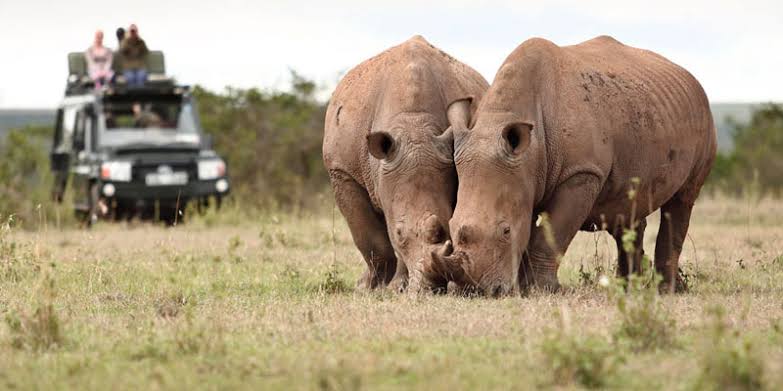
The conservancy protects both black and white rhinos through advanced anti-poaching systems and continuous monitoring. It also gained global recognition as the home of the last northern white rhinos.
Visitors experience conservation safaris in Kenya that include guided tours, ranger demonstrations, and wildlife education programs. This creates a deeper understanding of real conservation work.
Ol Pejeta also hosts the Sweetwaters Chimpanzee Sanctuary, which rescues chimpanzees from across Africa.
Tourism income supports nearby communities through education, healthcare, and water projects. As a result, conservation benefits extend beyond wildlife to people.
Ol Pejeta demonstrates how conservation and tourism can work together successfully in Kenya.
Tsavo National Parks for Large Ecosystem Conservation Safaris
Tsavo East and Tsavo West are essential destinations for Where to Best Go for Kenya Wildlife Conservation Focused Safaris because of their massive size and wilderness character.
These parks support elephants, lions, giraffes, leopards, and many other species across vast landscapes. Unlike more crowded parks, Tsavo offers quiet and remote safari experiences.
Conservation safaris in Kenya within Tsavo focus on protecting wildlife corridors, reducing poaching, and restoring natural habitats. The Sheldrick Wildlife Trust plays a key role in elephant rescue programs in the region.
Tsavo is also known for its iconic red elephants, which reflect the unique soil of the area.
Eco lodges in Tsavo support sustainable tourism through renewable energy and community partnerships, making conservation part of everyday safari experiences.
Samburu National Reserve for Unique Wildlife Conservation
Samburu National Reserve is an important destination for where to best go for Kenya wildlife conservation-focused safaris due to its rare wildlife species and arid ecosystem.
It is home to the Samburu Special Five, which include Grevy’s zebra, reticulated giraffe, Somali ostrich, gerenuk, and Beisa oryx. These species are central to conservation safaris in Kenya because they face increasing environmental pressure.
The Ewaso Ng’iro River supports wildlife survival throughout the year, attracting elephants, lions, and leopards even in dry seasons.
Community conservancies surrounding Samburu play a major role in conservation safaris in Kenya by involving local people in wildlife protection and tourism activities.
Cultural experiences with the Samburu people also add value, offering insight into traditional coexistence with wildlife.
Samburu combines biodiversity, culture, and conservation in a unique safari setting.
Lewa Wildlife Conservancy for Sustainable Conservation
Lewa Wildlife Conservancy is one of the strongest examples of where to best go for Kenya wildlife conservation-focused safaris because of its long-term conservation success.
It protects rhinos, elephants, lions, cheetahs, and Grevy’s zebras through strict conservation management and anti-poaching programs.
Visitors experience carefully managed conservation safaris in Kenya that focus on low impact tourism and environmental protection.
Lewa also invests heavily in community development projects such as education, healthcare, and clean water access.
Wildlife corridors connect Lewa with surrounding ecosystems, allowing animals to move freely and maintain healthy populations.
This makes Lewa a model for how conservation safaris in Kenya can support both wildlife and people.
Laikipia Conservancies for Community-Based Conservation
Laikipia is one of Kenya’s leading regions for conservation‑focused safaris thanks to its innovative model. It brings together private ranches, community lands, and conservancies working collectively to protect species such as elephants, wild dogs, and black rhinos. Giant Holiday Safaris highlights Laikipia for travelers seeking meaningful conservation experiences.
Safaris here offer unique activities like walking safaris, horseback riding, and camel trekking, giving visitors diverse ways to connect with nature. Community programs reduce conflict between wildlife and livestock while promoting sustainable land use, ensuring harmony between people and ecosystems.
Eco lodges in Laikipia emphasize renewable energy, local employment, and sustainable practices. Guests enjoy comfort while directly supporting conservation and community development.
Laikipia represents a modern approach to conservation safaris in Kenya built on cooperation, sustainability, and authentic experiences. With Giant Holiday Safaris, travelers discover how tourism can protect wildlife while empowering local communities.
Conclusion on Conservation Safaris in Kenya
Where to Best Go for Kenya Wildlife Conservation Focused Safaris
Kenya’s diverse and well‑managed destinations make it one of Africa’s leading countries for conservation safaris. From the Maasai Mara conservancies to Amboseli, Ol Pejeta, Tsavo, Samburu, Lewa, and Laikipia, each region supports wildlife protection while offering unique safari experiences. Giant Holiday Safaris ensures travelers explore these areas responsibly, with itineraries designed to highlight both adventure and conservation.
These regions demonstrate how tourism protects wildlife, supports communities, and preserves ecosystems. Visitors contribute directly to conservation efforts through park fees, community partnerships, and sustainable travel practices. Giant Holiday Safaris integrates these principles into every safari, making each journey meaningful.
Kenya remains one of the best destinations for conservation‑focused safaris, offering travelers unforgettable experiences that also safeguard wildlife for future generations. With Giant Holiday Safaris, guests enjoy authentic adventures while actively supporting Kenya’s conservation legacy.
Combined Uganda, Kenya, Rwanda, and Tanzania Safaris
17 days Kenya Tanzania and Uganda safari 19 Days Uganda Kenya and Tanzania Safari
16 Days Kenya Tanzania and Uganda Safari
14 Days Kenya Uganda and Tanzania Safari
14 Days Kenya Uganda and Rwanda Safari