How Many Days Are Enough for Masai Mara?
May 21, 2026
Are Hot Air Balloons Worth It in the Masai Mara?
May 21, 2026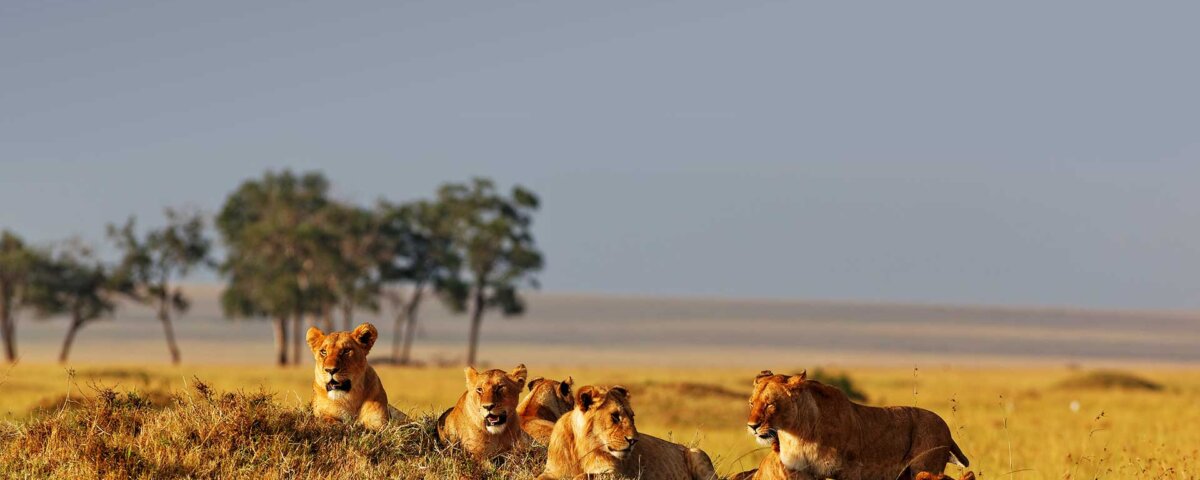
Can You See the Big Five in the Masai Mara?
The Masai Mara National Reserve stands as one of Africa’s most famous wildlife destinations. Travelers from around the world visit this iconic reserve to experience open savannahs, rich Maasai culture, and some of the most exciting game drives on the continent. One of the most common questions travelers ask is simple but important: Can you see the Big Five in the Masai Mara? The answer is yes, and the experience often exceeds expectations when planning is done right.
The Big Five include the lion, leopard, elephant, buffalo, and rhino. These animals earned this name because hunters once considered them the most difficult and dangerous animals to track on foot. Today, they represent the ultimate safari experience for wildlife lovers. The Masai Mara offers one of the best chances in Africa to see all five species in one safari trip.
However, sightings depend on timing, location, and patience. The reserve covers a large ecosystem, and animals move freely across different regions. Therefore, travelers increase their chances by spending enough time on safari and working with experienced guides who understand wildlife behavior.
This guide explores each member of the Big Five, explains where and when to see them in the Masai Mara, and shares expert insights that help travelers maximize their safari experience. It also highlights why this reserve continues to rank as a top destination for Big Five safaris in Africa.
Why Masai Mara Is One of the Best Places for Big Five Safaris
The Masai Mara offers one of the most reliable Big Five viewing experiences in Africa because it supports a rich and balanced ecosystem. Large populations of predators and herbivores live within the reserve throughout the year. As a result, travelers enjoy frequent wildlife encounters during game drives.
Lions appear in high numbers across the reserve. In fact, the Masai Mara holds one of the highest densities of lions in Africa. These powerful predators roam open grasslands, hunt in prides, and often rest under acacia trees during the heat of the day. Their visibility makes them one of the easiest members of the Big Five to spot.
Elephants also thrive in the ecosystem. These gentle giants move in family groups across plains, riverbanks, and wooded areas. Their large size makes them easy to locate, especially during morning and evening game drives.
Buffaloes appear in large herds and often gather near water sources. Their strong presence across the reserve increases the chances of spotting them during any safari day.
Leopards remain more elusive, but the Masai Mara still offers strong chances of sightings. Skilled guides often track them in riverine forests and rocky areas where they rest or hunt.
Rhinos present the biggest challenge because their population remains smaller and more protected. However, conservancies around the Masai Mara provide better chances of seeing them during guided safaris.
Overall, the combination of biodiversity, expert guiding, and open landscapes makes the Masai Mara one of the most rewarding destinations for Big Five safaris in Africa.
Lions and Leopards in Masai Mara
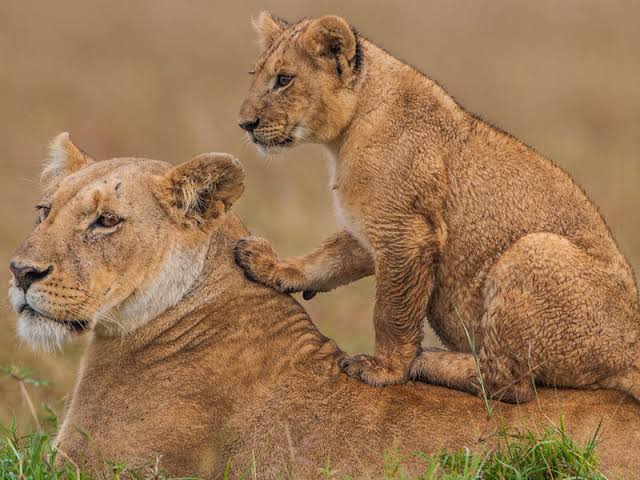
Lions stand as the most iconic animals in the Masai Mara. Their presence defines the safari experience and creates unforgettable wildlife moments for visitors. Travelers often spot lions resting on open plains, hunting in coordinated prides, or calling during early morning hours. Their social behavior makes them highly visible compared to other predators.
The Masai Mara supports several lion prides, each with its own territory. These prides often compete for food and space, which creates dramatic wildlife interactions. During the Great Migration season, lions become even more active as large herds of wildebeests and zebras pass through the reserve. This increases hunting opportunities and improves chances of witnessing action scenes.
Leopards, on the other hand, bring a sense of mystery to the safari experience. These solitary cats prefer dense vegetation, riverine forests, and rocky areas. Unlike lions, leopards remain quiet and secretive. They often climb trees to rest or protect their kills from scavengers.
Although leopard sightings require patience, the Masai Mara offers some of the best opportunities in Africa to see them. Early morning and late afternoon game drives increase success rates. Skilled guides also play a key role in tracking leopard movements through fresh footprints, alarm calls from monkeys, and recent sightings.
Together, lions and leopards create a thrilling predator experience that makes Big Five safaris in the Masai Mara truly unforgettable.
Elephants and Buffaloes Across the Savannah
Elephants rank among the most impressive animals in the Masai Mara. Their massive size, intelligence, and calm behavior make them a favorite for many travelers. Elephant herds move across the reserve in search of food and water, often covering long distances each day. Travelers commonly see them near rivers, woodlands, and open plains.
Elephant family groups include females and calves led by a matriarch. This strong social structure creates beautiful safari moments, especially when young elephants interact, play, or follow their mothers. Their slow movement also allows visitors plenty of time for photography and observation.
Buffaloes also play a major role in the Masai Mara ecosystem. These powerful animals move in large herds that can include hundreds of individuals. Their presence attracts predators, especially lions, which creates exciting wildlife dynamics.
Buffaloes often gather near water sources and grazing areas. This makes them relatively easy to spot during game drives. However, their unpredictable nature and strong defensive behavior make them dangerous animals in the wild, adding to their reputation as part of the Big Five.
Both elephants and buffaloes remain widely distributed across the reserve. Therefore, travelers rarely complete a safari without seeing them. Their consistent presence ensures that visitors enjoy strong Big Five experiences regardless of season or travel duration.
Rhinos in Masai Mara and Where to Find Them
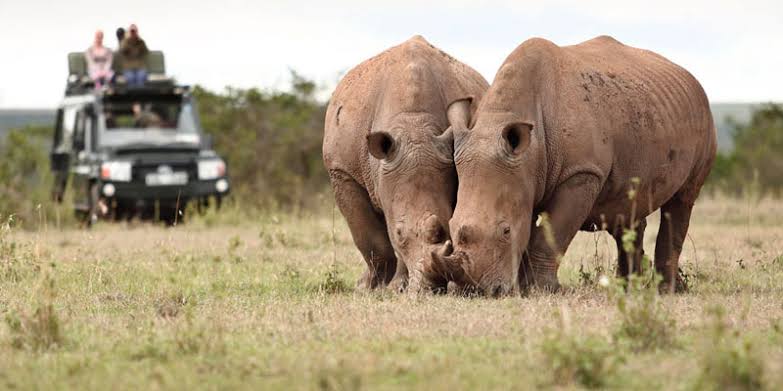
Rhinos represent the rarest member of the Big Five in the Maasai Mara. Their population remains limited due to historical poaching and ongoing conservation efforts. However, strong protection programs continue to support their survival within the ecosystem.
Black rhinos exist in the Masai Mara, but they remain highly elusive. These animals prefer dense bush areas where they can stay hidden and protected. Their shy nature makes sightings more challenging compared to other Big Five animals.
Travelers increase their chances of seeing rhinos by visiting private conservancies surrounding the main reserve. These conservancies offer stronger protection and lower tourist traffic, which improves wildlife visibility. Guides in these areas often track rhino movements carefully and know their frequent grazing zones.
Rhinos usually move alone and remain active during early morning or late evening hours. Their slow movement and cautious behavior make them difficult to locate during short safaris. Therefore, travelers seeking a complete Big Five experience should plan longer stays and choose experienced safari operators.
Conservation efforts in the Masai Mara continue to protect rhino populations through anti-poaching patrols, habitat management, and community involvement. These efforts play a key role in preserving one of Africa’s most endangered iconic species.
Although rhino sightings require patience and luck, the possibility of seeing them adds excitement and value to any Masai Mara safari.
Best Time to See the Big Five in Masai Mara
Timing plays an important role in Big Five sightings. The Masai Mara offers wildlife viewing throughout the year, but certain seasons improve visibility and activity levels.
The dry season from June to October provides the best overall Big Five viewing conditions. During this time, grass becomes shorter and animals gather near water sources. This makes wildlife easier to locate during game drives. Predators also become more active because prey animals concentrate in smaller areas.
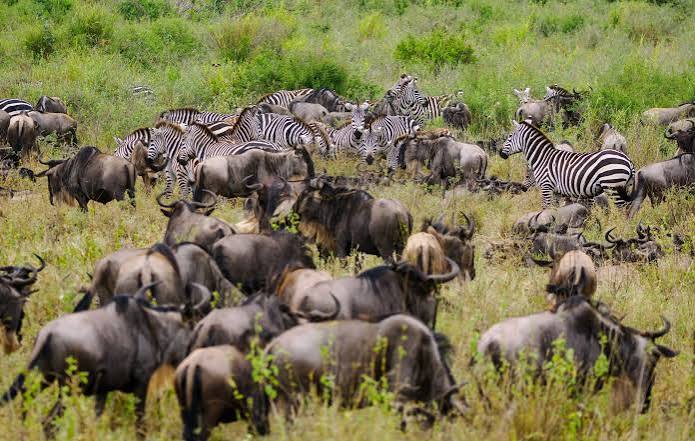
The Great Migration season also enhances Big Five sightings. Large herds of wildebeests and zebras attract lions and other predators. This creates intense wildlife activity and increases chances of witnessing hunts and predator interactions.
Elephants and buffaloes remain visible throughout the year, while leopards and rhinos require more patience regardless of season. However, early morning and late afternoon game drives consistently offer the best wildlife viewing opportunities.
The green season from November to May also provides good Big Five sightings, especially for travelers who prefer fewer crowds. Although rain may affect road conditions, wildlife remains active and landscapes become more beautiful.
Choosing the right season depends on personal travel goals. Travelers seeking dramatic wildlife action often choose the dry or migration season, while those seeking peaceful safaris may prefer quieter months.
How to Maximize Your Chances of Seeing the Big Five
Travelers can improve their Big Five sightings by planning carefully and following expert safari strategies. Spending more time in the Masai Mara significantly increases wildlife encounters. A minimum of three days allows enough time to explore different regions and track animal movements. With Giant Holiday Safaris, itineraries are designed to maximize time in key wildlife areas, ensuring guests enjoy the best opportunities for sightings.
Working with experienced safari guides also plays a major role. Skilled guides understand animal behavior, recognize tracks, and communicate with other guides to locate wildlife quickly. Their knowledge often makes the difference between average and exceptional safari experiences. Giant Holiday Safaris provides professional guides whose expertise enhances every game drive.
Choosing the right safari areas also improves success rates. The main reserve offers strong lion, elephant, and buffalo sightings, while private conservancies increase chances of seeing leopards and rhinos. Giant Holiday Safaris combines both reserve and conservancy experiences, giving travelers a higher chance of spotting all five species.
Early morning game drives provide the highest chances of spotting predators. Many animals remain active during cooler hours before resting during midday heat. Evening drives also offer excellent opportunities for wildlife photography and observation. Giant Holiday Safaris schedules drives strategically to align with peak wildlife activity.
Patience remains essential for Big Five safaris. Wildlife behavior changes daily, and sightings depend on natural movement patterns. Travelers who stay flexible and enjoy the safari process often experience the most rewarding moments. Giant Holiday Safaris ensures guests have well-paced itineraries that balance patience with adventure.
With the right planning, visitors can enjoy a complete and memorable Big Five safari in one of Africa’s most famous wildlife destinations. By choosing Giant Holiday Safaris, travelers gain the advantage of expert guidance, tailored itineraries, and conservation-focused practices that make Big Five encounters both likely and unforgettable.
Conclusion
Many travelers planning African adventures often ask if you can see the Big Five in the Masai Mara because this question defines the ultimate safari experience. The answer remains a strong yes. The Masai Mara offers excellent opportunities to see lions, elephants, buffalos, leopards, and even the elusive rhino. With Giant Holiday Safaris, guests benefit from expert guides and carefully designed itineraries that maximize the chances of spotting all five iconic species.
The Masai Mara National Reserve continues to stand as one of Africa’s best destinations for Big Five safaris. Its rich wildlife, diverse landscapes, and strong conservation efforts create ideal conditions for unforgettable game drives. While some animals appear easily, others require patience, time, and professional guidance. Giant Holiday Safaris ensures travelers enjoy well-structured safaris that balance adventure with comfort.
Travelers who plan carefully and spend enough time in the reserve increase their chances of witnessing all five iconic species. Whether visiting during the dry season, migration season, or green season, the Masai Mara consistently delivers powerful wildlife experiences. Giant Holiday Safaris enhances these encounters with personalized safari planning and conservation focused practices.
A Big Five safari in the Masai Mara creates lasting memories that connect travelers deeply with Africa’s wildlife and natural beauty, making every journey truly unforgettable. By choosing Giant Holiday Safaris, visitors gain the assurance of a trusted operator dedicated to delivering safe, inspiring, and memorable safari adventures.
Combined Uganda, Kenya, Rwanda, and Tanzania Safaris
17 days Kenya Tanzania and Uganda safari 19 Days Uganda Kenya and Tanzania Safari
16 Days Kenya Tanzania and Uganda Safari
14 Days Kenya Uganda and Tanzania Safari
14 Days Kenya Uganda and Rwanda Safari