Kenya Safari Biodiversity Overview
April 30, 2026
Kenya Safari for Conservation Travelers
May 1, 2026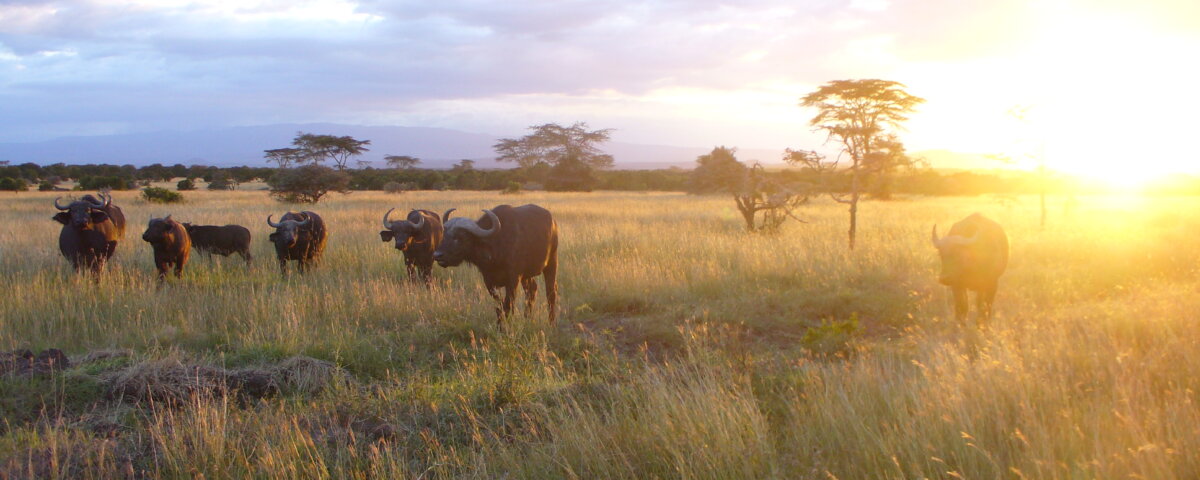
Kenya Wildlife Facts and Insights
Kenya Wildlife Facts and Insights: Kenya stands as one of Africa’s greatest safari destinations, and for good reason. This East African gem offers more than breathtaking landscapes. It delivers powerful wildlife encounters, rich ecosystems, and unforgettable adventures that attract travelers from every corner of the world. From the golden plains of the Maasai Mara to the snow-capped backdrop of Mount Kenya, this country creates the perfect stage for nature at its finest.
A Kenya safari offers a front row seat to some of the world’s most extraordinary animals. Lions roam vast grasslands, elephants march across open savannahs, and rhinos thrive in protected sanctuaries. Even better, Kenya gives travelers the rare chance to witness the Great Migration, one of the most spectacular wildlife events on Earth. Every season reveals something unique, which makes Kenya a year round destination for safari lovers.
Beyond wildlife, Kenya leads Africa’s tourism industry through conservation, community tourism, and eco-friendly travel experiences. The country combines adventure with purpose. Visitors not only enjoy thrilling game drives but also support wildlife preservation and local communities.
For travelers seeking authentic African safari experiences, Kenya remains unmatched. This guide explores Kenya safari wildlife facts and insights that reveal why this remarkable country continues to shape global safari tourism.
Kenya Wildlife Facts and Insights: Why Kenya Is a World-Leading Safari Destination
Kenya has earned its place among the top safari destinations in the world because it offers diversity, accessibility, and exceptional wildlife viewing. Unlike many destinations, Kenya combines multiple ecosystems within one country. Travelers can explore savannahs, wetlands, mountains, deserts, and forests, all while enjoying rich biodiversity.
One major reason Kenya shines is the Maasai Mara National Reserve. This iconic destination hosts abundant predators, including lions, cheetahs, and leopards. It also serves as a key stage for the Great Migration, where millions of wildebeest, zebras, and gazelles cross dangerous rivers in search of fresh grazing land. This natural event creates one of the most thrilling safari spectacles on the planet.
Additionally, Kenya’s strong conservation programs protect endangered species such as black rhinos, Grevy’s zebras, and African wild dogs. National parks like Amboseli, Tsavo, and Samburu each offer unique wildlife experiences. Amboseli impresses with large elephant herds, while Samburu introduces visitors to rare northern species.
Kenya also provides excellent safari infrastructure. Luxury lodges, budget camps, experienced guides, and domestic flights make travel easy for international visitors. As a result, Kenya appeals to first time safari travelers and seasoned adventurers alike.
Because of its wildlife richness, conservation leadership, and tourism excellence, Kenya continues to set the gold standard for African safaris.
The Big Five: Kenya’s Most Famous Safari Animals
Kenya safari adventures often center around the legendary Big Five: lion, leopard, elephant, buffalo, and rhinoceros. Originally, hunters used this term to describe the five most dangerous animals to hunt on foot. Today, however, wildlife enthusiasts celebrate them as must see species during any safari journey.
Lions dominate Kenya’s grasslands, especially in the Maasai Mara. These powerful predators live in prides and often hunt during cooler hours. Their social behavior and dramatic hunts fascinate visitors worldwide.
Leopards, on the other hand, remain elusive and mysterious. They prefer wooded areas and often rest in trees during the day. Spotting one feels like a rare privilege.
Kenya’s elephants, particularly in Amboseli National Park, create unforgettable safari moments. Large tuskers roam beneath Mount Kilimanjaro, offering some of Africa’s most iconic wildlife photography scenes.
Buffaloes may appear calm, but they rank among Africa’s most unpredictable animals. Herds thrive in many Kenyan parks and often stay close to water sources.
Rhinos, both black and white, face conservation challenges. Fortunately, Kenya’s private conservancies and protected parks have made major progress in rhino conservation.
Seeing the Big Five in Kenya delivers excitement, education, and a deeper understanding of Africa’s wild heritage.
Kenya Wildlife Facts and Insights: The Great Migration,Nature’s Greatest Wildlife Spectacle
The Great Migration remains one of Kenya’s most extraordinary natural wonders. Each year, over 1.5 million wildebeest, along with zebras and gazelles, move between Tanzania’s Serengeti and Kenya’s Maasai Mara in search of greener pastures. This endless cycle of survival draws global attention and fuels Kenya’s safari fame.
From July to October, the migration reaches Kenya, and the drama intensifies. Massive herds cross crocodile filled rivers, especially the Mara River, where danger waits at every turn. These crossings create unforgettable safari moments filled with tension, movement, and raw natural power.
Predators also follow the migration closely. Lions, hyenas, cheetahs, and crocodiles take advantage of the abundance, which creates a complete ecosystem spectacle. Every movement serves a purpose in this remarkable chain of life.
The migration supports biodiversity and strengthens the Maasai Mara ecosystem. It also boosts Kenya’s tourism economy, attracting photographers, filmmakers, and safari travelers.
Timing matters greatly for visitors. Planning a safari during migration season increases the chances of witnessing dramatic river crossings. However, the Maasai Mara offers exceptional wildlife throughout the year.
For nature lovers, the Great Migration represents far more than travel. It showcases resilience, instinct, and the timeless rhythm of Africa’s wilderness.
Kenya Wildlife Facts and Insights: Kenya’s Diverse Ecosystems and Unique Wildlife Habitats
Kenya’s safari magic comes from its incredible ecological diversity. Each region offers distinct landscapes that support different species, which makes every safari unique.
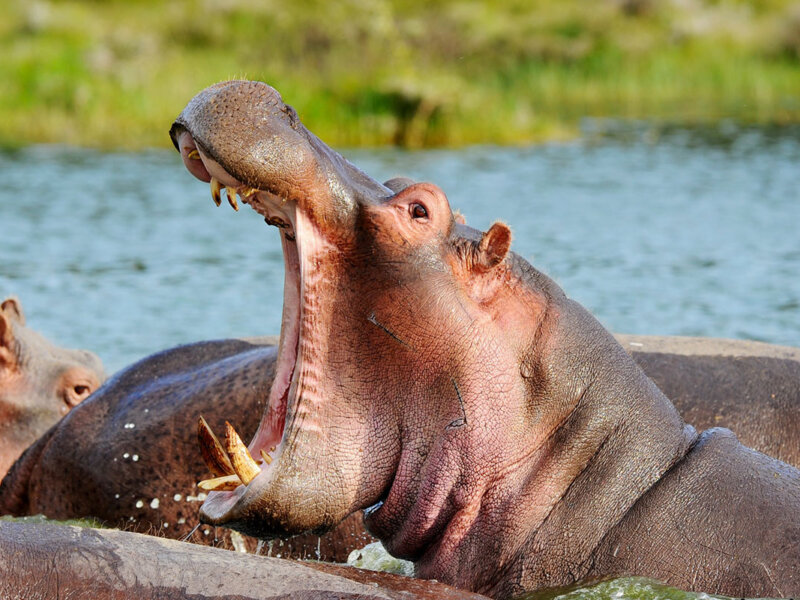
The Maasai Mara features rolling grasslands perfect for grazers and predators. Amboseli’s wetlands and open plains attract elephants, hippos, and birdlife. Tsavo, one of the largest wildlife conservation areas in the world, combines volcanic hills, red soil, and vast wilderness.
Meanwhile, Samburu National Reserve introduces travelers to arid northern habitats. Here, visitors find rare species like the Grevy’s zebra, Somali ostrich, gerenuk, and reticulated giraffe. These animals, often called the Samburu Special Five, exist mainly in Kenya’s dry northern zones.
Kenya’s forests also hold treasures. Aberdare National Park shelters bongo antelope, leopards, and forest elephants. Lake Nakuru’s alkaline waters attract flamingos and rhinos, while Lake Naivasha supports hippos and over 400 bird species.
This ecological variety allows Kenya to support more than 25,000 animal species, including mammals, reptiles, and birds. It also strengthens Kenya’s reputation as a biodiversity powerhouse.
For travelers, this means one trip can include multiple safari styles. Game drives, walking safaris, birdwatching, and boat safaris all become possible within Kenya’s borders.
Conservation Success and Kenya’s Role in Wildlife Protection
Kenya’s tourism strength depends heavily on conservation, and the country has become a leader in protecting Africa’s wildlife heritage. Conservation efforts here do more than preserve animals. They secure ecosystems, empower communities, and shape sustainable tourism.
Kenya Wildlife Service (KWS) plays a major role in anti-poaching operations and habitat protection. Through stronger laws and partnerships, Kenya has reduced threats to elephants and rhinos significantly.
Private conservancies also drive change. Areas like Ol Pejeta Conservancy protect endangered rhinos and create safe wildlife corridors. These conservancies often work closely with local communities, which ensures people benefit directly from conservation through jobs, education, and tourism revenue.
Community based tourism has transformed many regions. Local Maasai and Samburu communities now participate in eco tourism projects that protect wildlife while preserving cultural traditions.
Kenya also bans ivory trade and invests in wildlife monitoring technology. These efforts strengthen trust among eco conscious travelers.
As travelers increasingly seek responsible tourism, Kenya stands out by offering safaris that support ethical conservation. Choosing Kenya means supporting a destination where wildlife survival remains a national priority.
Kenya Wildlife Facts and Insights: Best Time for a Kenya Safari Experience
Kenya offers year round safari opportunities, but timing can shape the experience significantly. Understanding seasonal patterns helps travelers plan unforgettable wildlife adventures.
The dry seasons, from June to October and January to February, often provide the best wildlife viewing. During these months, vegetation becomes thinner, and animals gather around water sources. This makes spotting wildlife easier.
July to October marks peak migration season in the Maasai Mara. River crossings during this period create dramatic safari highlights.
The wet seasons, from March to May and November to December, bring lush landscapes, fewer tourists, and lower travel costs. Although wildlife can be harder to spot in dense vegetation, birdwatching thrives during these months due to migratory species.
Amboseli shines during dry months for elephant viewing, while Samburu often remains rewarding year round because of its dry climate.
Travel goals matter. Photographers may prefer green seasons for vibrant scenery, while first time safari travelers often choose dry months for easier animal sightings.
No matter the season, Kenya’s wildlife remains extraordinary. Careful planning simply helps travelers match their safari dreams with the right conditions.
Cultural Connections: Wildlife, People, and Heritage
Kenya’s safari story extends beyond animals. Its people, cultures, and traditions add depth to every journey. Wildlife and community often coexist, creating meaningful travel experiences. Giant Holiday Safaris ensures travelers connect with both nature and heritage through curated cultural encounters.
The Maasai people, known for their colorful attire and deep connection to nature, play an important role in Kenya’s tourism identity. Many Maasai communities manage conservancies that balance livestock, wildlife, and tourism. With Giant Holiday Safaris, visitors engage responsibly, gaining authentic insights while supporting local stewardship.
Similarly, Samburu communities preserve ancient customs while supporting conservation initiatives. Visiting these communities offers insight into traditional lifestyles and local stewardship. Giant Holiday Safaris highlights these experiences, showing how culture strengthens conservation.
Cultural tourism strengthens Kenya’s brand by combining safari adventure with human connection. Travelers explore village life, dances, crafts, and storytelling while learning how communities protect natural resources. Giant Holiday Safaris curates these exchanges to respect traditions and promote sustainability.
This connection between people and wildlife creates a richer understanding of Kenya’s tourism landscape and shows how conservation success depends on local leadership.
For global travelers, Kenya offers more than safari photos. It provides authentic experiences rooted in heritage, resilience, and shared responsibility. Partnering with Giant Holiday Safaris ensures every safari blends wildlife encounters with meaningful cultural connections.
Conclusion: Why Kenya Safari Wildlife Experiences Remain Unmatched
Kenya continues to define what an African safari should be. Its unmatched wildlife, iconic landscapes, conservation leadership, and cultural richness create experiences that few destinations can rival. From witnessing the Great Migration to tracking the Big Five, every Kenya safari delivers powerful moments.
Yet Kenya offers more than adventure. It inspires deeper respect for nature, conservation, and community. As global tourism evolves, travelers seek destinations that combine authenticity with responsibility. Kenya answers that call through sustainable tourism, biodiversity protection, and unforgettable exploration. Giant Holiday Safaris ensures travelers experience this responsibly, offering expert guidance, personalized itineraries, and sustainable practices that elevate every journey.
For anyone dreaming of Africa, Kenya remains a timeless choice. Its wild beauty, conservation spirit, and tourism excellence secure its place as one of the world’s most trusted safari destinations. Whether you seek thrilling wildlife encounters or meaningful cultural journeys, Kenya stands ready to exceed expectations. With Giant Holiday Safaris as a trusted operator, every safari becomes both an adventure and a meaningful connection to Kenya’s heritage and conservation efforts.
Combined Uganda, Kenya, Rwanda and Tanzania Safaris
17 days Kenya Tanzania and Uganda safari
19 Days Uganda Kenya and Tanzania Safari
16 Days Kenya Tanzania and Uganda Safari
14 Days Kenya Uganda and Tanzania Safari
14 Days Kenya Uganda and Rwanda Safari