Are Hot Air Balloons Worth It in the Masai Mara?
May 21, 2026
When Does the Great Migration Happen in Kenya?
May 21, 2026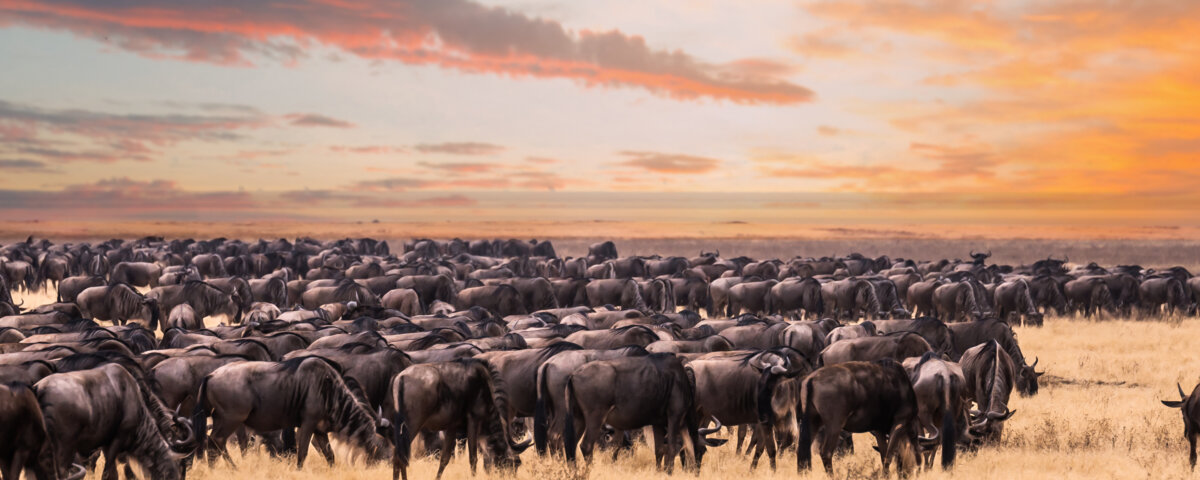
What Is the Great Migration in Kenya?
The Great Migration in Kenya is one of the most powerful wildlife events on Earth, and it takes place in the famous Masai Mara National Reserve. Every year, millions of wildebeests, zebras, and gazelles move across vast plains in search of fresh grass and water. This natural movement creates dramatic river crossings, predator encounters, and breathtaking safari scenes that attract travelers from all over the world.
Many visitors ask what makes the Great Migration so special. The answer lies in its scale, timing, and raw natural energy. No other wildlife movement on land matches it in size. The migration follows rainfall patterns across the Serengeti Mara ecosystem, creating a continuous cycle of movement between Kenya and Tanzania.
This journey transforms the entire savannah into a living landscape. Herds stretch across the horizon, rivers become dangerous crossing points, and predators follow closely behind. As a result, the Great Migration becomes a nonstop survival story that unfolds in real time.
Travelers who visit during this period experience some of the most unforgettable moments in African wildlife. However, understanding how it works helps visitors plan better safaris and improve their chances of witnessing key events.
This guide explains what the Great Migration is, how it works, when it happens, and why it remains one of the greatest wildlife spectacles in the world.
Understanding the Great Migration in East Africa
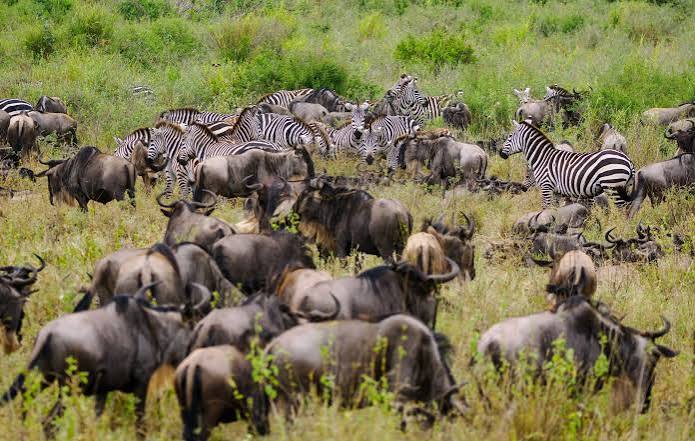
The Great Migration is a continuous movement of wildlife across the Serengeti-Mara ecosystem. It involves more than two million wildebeests, along with hundreds of thousands of zebras and gazelles. These animals travel in a circular route between Tanzania’s Serengeti and Kenya’s Masai Mara following rainfall and fresh grazing land.
The movement does not happen all at once. Instead, it follows a natural cycle driven by survival needs. Animals search for fresh grass, which grows after seasonal rains. As one area becomes dry, herds move toward greener regions. This cycle repeats throughout the year, creating constant movement across the plains.
In the Masai Mara, the migration usually peaks between July and October. During this time, large herds enter Kenya from the south. River crossings often occur at the Mara River, where strong currents and crocodile filled waters create dramatic survival challenges.
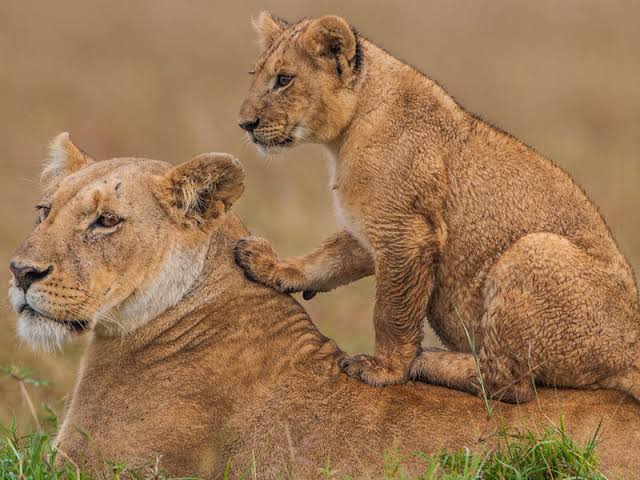
Predators such as lions, cheetahs, leopards, hyenas, and crocodiles follow the herds closely. This creates intense wildlife interactions that make the migration so famous. Every moment becomes a survival battle between predator and prey.
Unlike seasonal migrations in other parts of the world, the Great Migration never fully stops. It moves in a circular pattern, ensuring wildlife constantly adapts to changing environments.
Understanding this cycle helps travelers plan their safaris around the best viewing periods.
Why the Great Migration Happens
The Great Migration happens because wildlife follows natural food and water patterns. In East Africa, rainfall determines grass growth. When one area becomes dry, animals move to regions with better grazing conditions.
Wildebeests lead this movement because they rely heavily on fresh grass. Zebras and gazelles follow closely because they benefit from shared grazing areas. Zebras eat taller grass, which allows shorter grass to grow for wildebeests and gazelles. This natural cooperation helps different species survive together.
As rainfall changes across the Serengeti Mara ecosystem, herds continuously shift location. During the dry season, animals move toward water sources in the Masai Mara. When rains return in Tanzania, they begin moving south again.
This movement also supports predator survival. Lions, cheetahs, and hyenas depend on migrating herds for food. Therefore, they follow the migration route closely, creating a complete ecosystem cycle of life and survival.
The migration also plays an important role in maintaining healthy grasslands. Constant grazing prevents overgrowth and supports new plant growth. This balance keeps the ecosystem strong and sustainable.
Nature drives every part of the Great Migration. No human control or artificial system influences it. Instead, weather, food availability, and survival instincts guide every movement.
This natural rhythm makes the migration one of the most authentic wildlife experiences in the world.
What Is the Great Migration in Kenya?: The Great Migration in Masai Mara
The Masai Mara plays a major role in the Great Migration cycle. Between July and October, massive herds cross into Kenya from the Tanzanian Serengeti ecosystem. This period creates some of the most dramatic wildlife scenes on the planet.
One of the most famous events occurs at the Mara River. Thousands of wildebeests gather at riverbanks before attempting dangerous crossings. Strong currents, steep banks, and crocodile filled waters create life-threatening challenges. Some animals hesitate for hours before jumping into the water, while others cross in large groups.
Once inside the Masai Mara, herds spread across open plains in search of fresh grazing land. Lions and other predators follow closely behind, creating constant wildlife activity. Travelers often witness chases, ambushes, and survival moments during this time.
The Masai Mara also offers excellent viewing conditions because of its open landscapes. Wide grasslands allow travelers to see long distances, which improves wildlife observation. Game drives become highly rewarding because animals remain visible across large areas.
During peak migration months, the reserve becomes one of the busiest safari destinations in Africa. However, its large size still allows visitors to enjoy meaningful wildlife encounters.
The Masai Mara remains one of the best places in the world to witness the Great Migration in action.
What Is the Great Migration in Kenya? :When to See the Great Migration in Kenya
Timing plays a key role in experiencing the Great Migration. In the Masai Mara, the best viewing period usually falls between July and October. During these months, herds arrive from Tanzania and fill the plains of the reserve.
July and August often bring the first major river crossings. Large herds gather at the Mara River, creating tense and dramatic wildlife moments. These early crossings attract many travelers because of their unpredictability and intensity.
September and October continue the migration experience. Herds spread deeper into the Masai Mara in search of fresh grazing land. Predator activity remains high during this period because animals stay concentrated in smaller areas.
Outside these months, the migration moves back toward the Serengeti. However, wildlife remains present year round in both regions. Therefore, travelers can still enjoy excellent game viewing even outside peak migration season.
Weather also influences migration timing. Dry conditions in Kenya attract herds northward, while rainfall in Tanzania pulls them south again. This natural cycle continues every year without interruption.
Travelers who want the best chance of witnessing river crossings should plan flexible safari schedules. Staying several days in the reserve increases the likelihood of seeing dramatic migration events.
Understanding timing helps travelers maximize their safari experience and avoid missing key wildlife moments.
What Is the Great Migration in Kenya? :Wildlife Behavior During the Great Migration
The Great Migration influences the behavior of nearly every animal in the Masai Mara ecosystem. Wildebeests and zebras move in large groups for safety. This grouping behavior helps reduce individual risk from predators.
During river crossings, animals show strong survival instincts. Some hesitate at riverbanks, while others lead the group into the water. Once movement begins, chaos often follows as crocodiles, currents, and predators create intense survival pressure.
Predators adapt quickly to migration patterns. Lions position themselves near crossing points and grazing areas. Cheetahs hunt younger or weaker animals across open plains. Hyenas follow herds and scavenge when possible. Crocodiles wait patiently in rivers for crossing opportunities.
This constant interaction creates a balanced but intense ecosystem. Every animal plays a role in survival. The migration ensures food availability for predators while supporting herbivore movement across vast landscapes.
Birds also benefit from the migration. Scavenger birds gather near predator kills, while other species feed on insects stirred up by moving herds.
The Great Migration represents a full ecosystem cycle where every species depends on the movement of others. This interconnected behavior creates one of the most dynamic wildlife systems in the world.
Best Ways to Experience the Great Migration
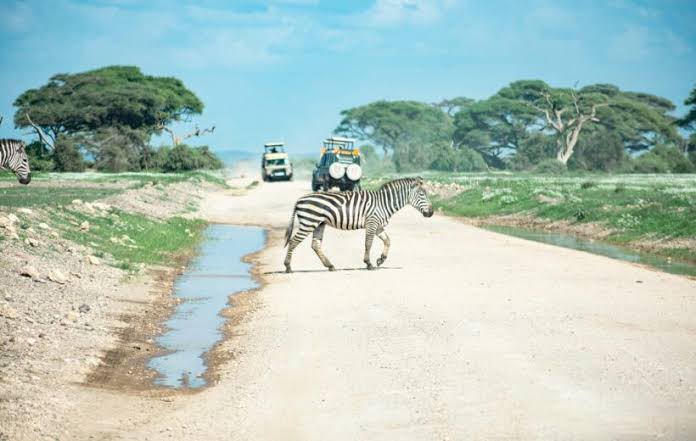
Travelers can experience the Great Migration in several ways within the Masai Mara. Game drives remain the most popular option. Early morning and late afternoon drives offer the best chances of seeing river crossings and predator activity. With Giant Holiday Safaris, guests enjoy expertly guided drives that maximize wildlife encounters and ensure safe, comfortable exploration.
Hot air balloon safaris provide a different perspective. From above, travelers see massive herds moving across the plains like a living river. This aerial view adds depth to the migration experience and highlights the scale of wildlife movement. Giant Holiday Safaris organizes balloon rides that combine breathtaking sunrise views with unforgettable aerial wildlife observation.
Walking safaris in private conservancies also offer unique insights. Guided walks allow visitors to observe tracks, droppings, and animal behavior signs on the ground. This creates a deeper understanding of the ecosystem. Giant Holiday Safaris partners with conservancies to provide safe, educational walking experiences.
Staying in different parts of the Masai Mara improves migration access. Some areas sit closer to river crossing points, while others offer wider grazing views. Choosing the right location increases wildlife viewing success. Giant Holiday Safaris helps travelers select lodges and camps strategically positioned for migration highlights.
Longer stays also improve chances of witnessing key events. River crossings remain unpredictable, so patience plays an important role in safari planning. Giant Holiday Safaris designs flexible itineraries that give guests more opportunities to witness dramatic migration moments.
Photography travelers benefit from flexible schedules and multiple game drives. Capturing migration moments requires time, positioning, and quick reactions to wildlife movement. Giant Holiday Safaris supports photographers with customized safari plans that maximize photo opportunities.
Combining different safari experiences creates a complete and rewarding migration adventure. With Giant Holiday Safaris, travelers enjoy a seamless blend of game drives, balloon rides, conservancy walks, and tailored itineraries that bring the Great Migration to life in unforgettable ways.
Conclusion
The Great Migration in Kenya remains one of the most extraordinary wildlife events in the world. It transforms the Masai Mara National Reserve into a living stage where millions of animals move, survive, and interact across vast savannah landscapes. With Giant Holiday Safaris, travelers gain access to expertly guided experiences that ensure they witness the migration’s most dramatic and unforgettable moments.
This natural cycle connects Kenya and Tanzania in a continuous flow of life driven by rain, food, and survival instincts. Travelers who witness it experience raw nature at its most powerful and unpredictable form. Giant Holiday Safaris enhances this by offering well-timed itineraries that align with migration patterns, maximizing the chances of seeing river crossings and predator action.
From dramatic river crossings to predator encounters and endless herds across open plains, the Great Migration offers unmatched safari experiences. With proper planning, timing, and patience, visitors can enjoy some of the most unforgettable wildlife moments in Africa. Giant Holiday Safaris ensures every detail is managed seamlessly, allowing guests to focus on the adventure.
A safari during the Great Migration does more than show wildlife. It reveals the true rhythm of nature, making every journey into the Masai Mara a powerful and lasting memory. By choosing Giant Holiday Safaris, travelers secure a trusted partner dedicated to delivering safe, inspiring, and conservation-focused safari experiences that remain etched in memory for a lifetime.
Combined Uganda, Kenya, Rwanda, and Tanzania Safaris
17 days Kenya Tanzania and Uganda safari 19 Days Uganda Kenya and Tanzania Safari
16 Days Kenya Tanzania and Uganda Safari
14 Days Kenya Uganda and Tanzania Safari
14 Days Kenya Uganda and Rwanda Safari