What Is the Great Migration in Kenya?
May 21, 2026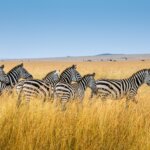
What Are the Best Kenya Migration Safaris?
May 21, 2026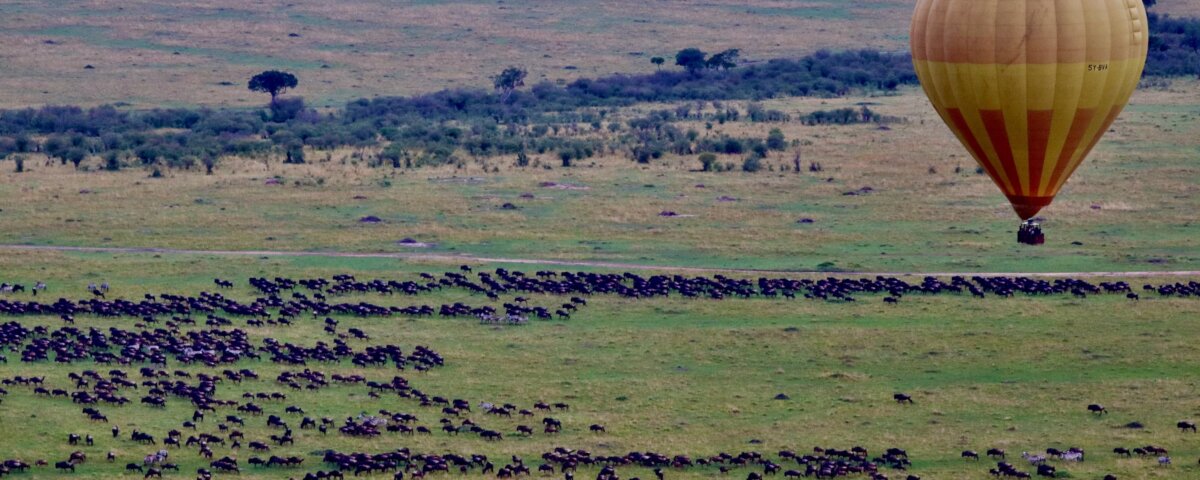
When Does the Great Migration Happen in Kenya?
The Great Migration in Kenya is one of the most spectacular wildlife events on Earth, and it unfolds each year in the famous Masai Mara National Reserve. Travelers from around the world plan their safaris around this natural wonder because it delivers dramatic river crossings, massive herds, and intense predator action. However, one question always guides safari planning: when does the Great Migration happen in Kenya?
The answer depends on how the migration moves across the Serengeti Mara ecosystem. Unlike a fixed event, the Great Migration follows rainfall patterns and food availability. This means timing can shift each year slightly. Still, the main migration period in Kenya usually occurs between July and October, when large herds enter the Masai Mara from Tanzania.
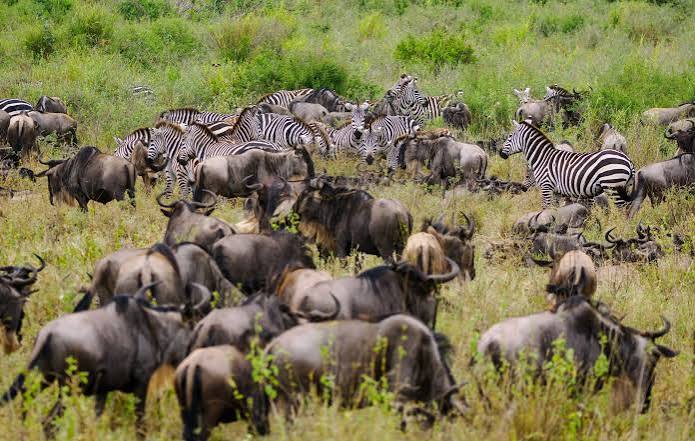
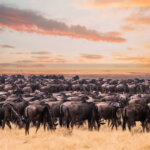
During this time, millions of wildebeests, zebras, and gazelles cross into Kenya in search of fresh grazing land. The landscape transforms into a living wildlife stage filled with movement, survival, and constant action. Rivers become crossing points, predators follow herds closely, and the savannah becomes full of life.
Understanding when the Great Migration happens helps travelers choose the best time for their safari. It also increases the chances of witnessing river crossings and predator interactions. This guide explains the migration timeline, seasonal patterns, wildlife behavior, and expert safari planning tips for experiencing this world-famous event.
Understanding the Great Migration Timeline in Kenya
The Great Migration does not happen on a single date. Instead, it follows a continuous cycle across East Africa. However, in Kenya, the most important phase occurs between July and October when herds arrive in the Masai Mara.
The movement begins earlier in the year in the southern Serengeti of Tanzania. Between January and March, wildebeests give birth to thousands of calves on the nutrient rich plains. This period supports population growth and prepares herds for the long journey ahead.
As the dry season approaches, food becomes scarce in southern areas. By May and June, herds begin moving north toward the Masai Mara. This movement happens gradually as animals follow fresh grass and water sources.
By July, the migration reaches full strength in Kenya. Large herds cross the Mara River in dramatic scenes filled with tension and survival challenges. Crocodiles wait in the water while predators follow closely on land. This creates one of the most intense wildlife spectacles in the world.
August and September often represent the peak of the migration in Kenya. Herds spread across the Masai Mara plains, feeding and moving constantly. October marks the beginning of the return journey back toward Tanzania as rains shift the ecosystem south again.
This cycle continues every year without interruption, creating a predictable yet dynamic wildlife pattern.
Why the Great Migration Moves Every Year
The Great Migration moves because wildlife depends on natural resources for survival. Rainfall plays the most important role in shaping this movement. When one region becomes dry, animals move toward greener areas with fresh grass and water.
Wildebeests lead this movement because they rely heavily on short, fresh grass. Zebras and gazelles follow closely because they benefit from mixed grazing patterns. Together, these species create a balanced feeding system that supports the entire ecosystem.
As rainfall shifts across East Africa, the Serengeti Mara ecosystem changes constantly. When the southern Serengeti dries, herds move north toward the Masai Mara. When rains return in Tanzania, they begin moving back south again.
Predators also influence this movement. Lions, cheetahs, hyenas, and crocodiles follow herds because they depend on them for food. This creates a full predator-prey cycle that shapes migration timing and direction.
In addition, grazing pressure also influences movement. Once an area becomes heavily grazed, grass quality declines, pushing animals toward fresher pastures. This ensures the ecosystem remains balanced and sustainable.
No human control or artificial system directs the migration. Instead, nature, weather, and survival instincts guide every step of this incredible journey.
Peak Migration Season in Masai Mara
The peak migration season in the Masai Mara usually occurs between July and October. During this period, the reserve becomes one of the most active wildlife destinations in the world.
July often marks the arrival of the first major herds. Wildebeests gather at the Mara River, preparing for dangerous crossings. These crossings create dramatic scenes where animals face strong currents and predator threats.
August and September bring the highest concentration of wildlife in the Masai Mara. Herds spread across open plains, feeding continuously and moving in large groups. Predator activity also increases because prey animals become more available.
Lions become more active during this season. They follow herds and hunt in coordinated groups. Cheetahs take advantage of open grasslands to chase fast moving prey. Hyenas and leopards also stay close to migration routes.
October usually marks the end of the peak season. Rains begin shifting back to Tanzania, and herds slowly start their return journey. However, wildlife activity remains strong throughout this transition period.
The Masai Mara offers excellent viewing conditions during peak migration because its open landscapes allow long-distance visibility. Travelers often witness large-scale wildlife movement across endless grasslands.
This period remains the most popular time for safari travel in Kenya due to its unmatched wildlife drama and photographic opportunities.
When Does the Great Migration Happen in Kenya?: River Crossings and Wildlife Drama
River crossings represent the most dramatic part of the Great Migration in Kenya. The Mara River becomes a central stage where survival battles unfold daily during peak migration months.
Thousands of wildebeests gather at riverbanks before crossing. They hesitate, move forward, and sometimes retreat multiple times before entering the water. This behavior reflects natural survival instincts and fear of danger.
Once crossing begins, chaos often follows. Strong currents challenge animals, while crocodiles wait underwater for opportunities. Some animals successfully reach the other side, while others fall victim to natural predators.
These crossings do not follow a fixed schedule. Instead, they depend on herd movement, weather conditions, and predator pressure. This unpredictability makes each crossing unique and highly exciting for safari travelers.
On land, predators also take advantage of migration movement. Lions position themselves near crossing points, while hyenas and leopards follow weaker animals. This creates constant tension across the ecosystem.
Birds also play a role during this period. Scavenger birds gather near predator kills, while other species move with the herds to feed on insects and disturbed vegetation.
River crossings define the emotional and dramatic peak of the Great Migration. They show the raw power of nature in its most intense form.
When Does the Great Migration Happen in Kenya? Best Time to See the Great Migration in Kenya
The best time to see the Great Migration in Kenya falls between July and October. However, each month offers slightly different experiences.
July provides the first major river crossings. Travelers often witness herds arriving from Tanzania and gathering at riverbanks. This month offers intense anticipation and early migration activity.
August delivers peak wildlife action. Large herds fill the Masai Mara plains, and predator activity remains high. This month offers consistent game viewing opportunities.
September continues strong migration activity. Herds spread across wider areas, and travelers enjoy slightly fewer crowds compared to August.
October marks the final stage of migration in Kenya. Herds begin moving back toward Tanzania, but wildlife sightings remain excellent.
Early morning and late afternoon game drives provide the best viewing conditions throughout the migration season. Cooler temperatures increase animal activity and improve photography lighting.
Travelers who want to witness river crossings should stay flexible and spend several days in the reserve. This increases chances of seeing unpredictable migration events.
Even outside peak months, the Masai Mara still offers excellent wildlife viewing because resident animals remain present year round.
When Does the Great Migration Happen in Kenya?: How to Plan a Great Migration Safari
Planning a Great Migration safari requires careful timing and preparation. First, travelers should choose the right travel dates based on migration movement. July to October offers the highest chances of witnessing dramatic wildlife events. With Giant Holiday Safaris, guests benefit from expertly timed itineraries that align with herd movements for maximum viewing opportunities.
Second, selecting the right location inside the Masai Mara improves viewing success. Some areas sit closer to river crossing points, while others offer better grazing land sightings. Experienced safari guides help identify the best regions each day. Giant Holiday Safaris ensures travelers are positioned strategically for the most rewarding encounters.
Third, travelers should plan longer stays. Spending at least three to five days increases the chances of witnessing key migration moments. Since river crossings remain unpredictable, patience becomes essential. Giant Holiday Safaris designs flexible itineraries that allow guests to fully immerse themselves in the migration experience.
Fourth, accommodation choice plays an important role. Lodges and camps located inside or near the reserve offer faster access to wildlife areas. This reduces travel time and improves safari efficiency. Giant Holiday Safaris partners with trusted lodges and camps to provide convenient and comfortable stays.
Fifth, travelers should choose experienced safari operators. Skilled guides track herd movements, communicate with other drivers, and understand animal behavior patterns. Giant Holiday Safaris provides professional guides whose expertise ensures guests enjoy safe and unforgettable safaris.
Finally, travelers should stay flexible. The migration depends on nature, not schedules. Flexibility increases chances of experiencing unexpected and memorable wildlife moments. Giant Holiday Safaris helps guests adapt plans smoothly to capture the best opportunities.
Proper planning transforms a Great Migration safari into a powerful and rewarding African experience. By choosing Giant Holiday Safaris, travelers secure a trusted partner dedicated to delivering seamless logistics, expert guidance, and unforgettable wildlife encounters.
Conclusion
The question of when the Great Migration happens in Kenya leads to one of the most fascinating wildlife stories on Earth. The migration reaches the Masai Mara National Reserve mainly between July and October, when millions of wildebeests, zebras, and gazelles move across the savannah in search of fresh grazing land. With Giant Holiday Safaris, travelers benefit from expertly timed itineraries that align with migration patterns, ensuring they witness the most dramatic wildlife spectacles.
This natural cycle connects Kenya and Tanzania in a continuous movement driven by rain, food, and survival instincts. River crossings, predator interactions, and massive herds create unforgettable safari moments during this period. Giant Holiday Safaris enhances these experiences by providing professional guides and well-structured safaris that maximize viewing opportunities.
However, the migration remains unpredictable and dynamic. Each month offers unique wildlife experiences, making careful planning essential for travelers. With the right timing, location, and guidance from Giant Holiday Safaris, visitors can witness one of the greatest natural spectacles in the world.
A safari during the Great Migration delivers more than wildlife viewing. It offers a deep connection to nature, survival, and the rhythm of life across the African savannah. By choosing Giant Holiday Safaris, travelers secure a trusted partner dedicated to creating safe, inspiring, and unforgettable safari memories.
Combined Uganda, Kenya, Rwanda, and Tanzania Safaris
17 days Kenya Tanzania and Uganda safari 19 Days Uganda Kenya and Tanzania Safari
16 Days Kenya Tanzania and Uganda Safari
14 Days Kenya Uganda and Tanzania Safari
14 Days Kenya Uganda and Rwanda Safari