What Are the Best Kenya Migration Safaris?
May 21, 2026
Which Month Is Best for the Great Migration?
May 21, 2026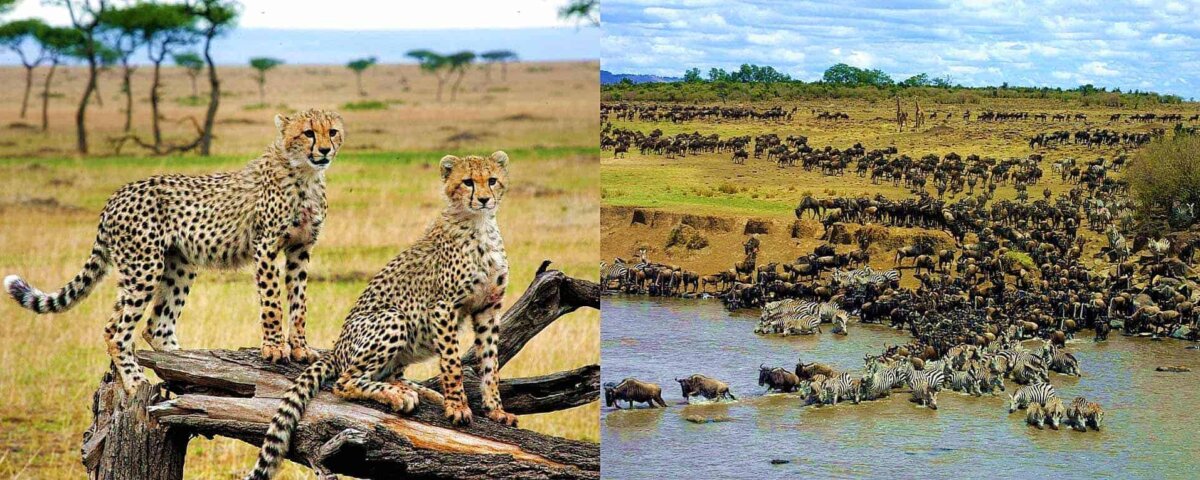
Can You See River Crossings in the Masai Mara?
River crossings in the Masai Mara National Reserve create some of the most dramatic wildlife moments in Africa. Every year, millions of wildebeests, zebras, and gazelles move across the savannah during the Great Migration. This movement leads to intense crossings at rivers, where survival becomes uncertain and every second matters. Because of this, many travelers ask a key question: can you see river crossings in the Masai Mara?
The answer is yes, but success depends on timing, location, patience, and a bit of luck. River crossings do not happen on a fixed schedule. Instead, they depend on herd movement, weather conditions, and predator pressure. Some days bring multiple crossings, while other days show none at all.
During the peak migration season from July to October, river crossings become more frequent. The Mara River becomes the most famous stage for this wildlife drama. Crocodiles wait in the water, lions patrol nearby banks, and thousands of animals gather before making the dangerous decision to cross.
This guide explains how river crossings work, when to see them, where they happen, and how travelers can increase their chances of witnessing one of the greatest wildlife spectacles in the world.
Understanding River Crossings in the Masai Mara
River crossings form one of the most important parts of the Great Migration. They occur when large herds of wildebeests and zebras attempt to move across rivers in search of fresh grazing land. In the Masai Mara, the most famous crossing point is the Mara River, which flows between Kenya and Tanzania.
These crossings are not planned events. Instead, they happen naturally when herds gather at riverbanks and decide to move forward. This decision often takes hours or even days. Animals hesitate, move forward, retreat, and regroup multiple times before crossing.
Once the crossing begins, chaos often follows. Strong river currents challenge weaker animals, while crocodiles wait for opportunities in the water. On land, predators such as lions and hyenas watch closely, ready to attack exhausted animals after crossing.
The entire process creates a powerful survival scene that reflects the raw reality of nature. Every crossing looks different, and no two events follow the same pattern.
River crossings also depend on herd size and movement direction. Large herds create more dramatic crossings, while smaller groups may cross quietly without much attention.
Understanding this natural behavior helps travelers appreciate why river crossings remain unpredictable yet highly rewarding.
When to See River Crossings in Masai Mara
The best time to see river crossings in Masai Mara falls between July and October. During this period, the Great Migration reaches its peak in Kenya. Millions of wildebeests and zebras move north from Tanzania into the Masai Mara in search of greener grass.
July often marks the beginning of crossing activity. Early herds arrive at the Mara River and begin gathering at different crossing points. These early crossings tend to be tense and unpredictable, as animals test the waters and assess risks.
August and September offer the highest chances of witnessing multiple river crossings. During these months, large herds dominate the plains, and riverbanks become highly active. Many crossings happen daily depending on herd movement and weather conditions.
October marks the final phase of the migration in Kenya. Some herds still cross the river, while others begin returning south toward Tanzania. Although crossings may reduce slightly, wildlife activity remains strong.
Outside these months, river crossings become rare in the Masai Mara. However, resident wildlife such as elephants, lions, and buffaloes remain visible throughout the year.
Travelers who want the best chance of seeing river crossings should plan flexible safaris and stay for several days. This increases the likelihood of catching unpredictable crossing events.
Best Locations to See River Crossings
Location plays a major role in witnessing river crossings in the Masai Mara. The most famous crossing points sit along the Mara River, especially in the northern and central sections of the reserve.
Some areas near the river attract large herds during peak migration season. These zones become natural gathering points where animals prepare for crossing. Safari guides often monitor these locations daily to track herd movement.
The Mara Triangle also offers excellent river crossing opportunities. This private section of the Masai Mara features controlled tourism, fewer vehicles, and better wildlife viewing conditions. As a result, travelers often enjoy clearer and less crowded sightings.
Private conservancies bordering the Masai Mara also provide access to migration activity. These areas sometimes allow closer viewing of riverbanks before herds enter the main reserve.
However, no location guarantees a crossing. Herd movement changes daily, and animals may shift crossing points depending on safety, predator presence, and river conditions.
Experienced safari guides play a critical role in finding active crossing sites. They track animal movement, communicate with other guides, and move quickly when crossing opportunities appear.
Choosing the right location improves chances, but patience remains essential for success.
Why River Crossings Are So Unpredictable
River crossings remain unpredictable because they depend entirely on natural behavior. Wildebeests and zebras do not follow fixed schedules. Instead, they respond to instinct, fear, and environmental conditions.
One of the main reasons for unpredictability is hesitation. Herds often gather at riverbanks for long periods before deciding to cross. This hesitation comes from fear of crocodiles, strong currents, and predator presence.
Weather also influences crossing behavior. Heavy rains can increase river levels, making crossings more dangerous. In contrast, dry conditions may encourage more frequent movement.
Predator pressure adds another layer of uncertainty. Lions and hyenas often wait near crossing points. Their presence can delay or redirect herd movement to other locations.
In addition, herd size affects crossing timing. Large herds create more pressure for movement, while smaller groups may wait longer before taking action.
Because of all these factors, river crossings can happen at any time of day or night. Some crossings last only a few minutes, while others continue for hours.
This unpredictability makes river crossings exciting but also challenging for travelers to witness.
How to Increase Your Chances of Seeing a River Crossing
Travelers can improve their chances of seeing river crossings by planning carefully and staying flexible. The first important step involves choosing the right travel dates. The peak migration season from July to October offers the highest probability of witnessing crossings.
Second, staying longer in the Masai Mara increases success rates. A minimum stay of three to five days allows travelers to explore multiple river areas and track herd movement over time.
Third, working with experienced safari guides makes a big difference. Skilled guides understand migration patterns and monitor riverbanks daily. They often receive updates from other guides, which helps them move quickly when crossings begin.
Fourth, selecting accommodation near river areas improves access. Lodges and camps close to the Mara River reduce travel time and increase chances of arriving at crossing points quickly.
Fifth, travelers should remain flexible with their daily schedule. River crossings do not follow strict timing, so early morning, afternoon, or even unexpected moments may bring action.
Finally, patience remains essential. Many travelers wait several hours or even days before witnessing a crossing. However, the reward often becomes one of the most memorable wildlife experiences in Africa.
Wildlife Behavior During River Crossings
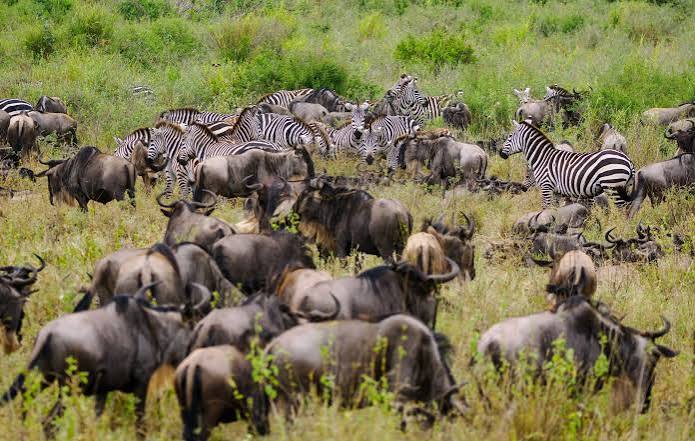
River crossings create intense wildlife interactions that reveal the true survival nature of the Masai Mara ecosystem. Wildebeests lead the movement, followed by zebras and gazelles. Each species plays a role in group survival. With Giant Holiday Safaris, travelers gain access to expert guides who explain these behaviors in real time, enriching the safari experience.
As herds approach the river, tension builds. Animals gather at the edge, move back and forth, and wait for signals from others. Once a few individuals enter the water, the rest often follow quickly. Giant Holiday Safaris ensures guests are positioned at prime viewing points to witness these dramatic moments safely.
Inside the river, chaos unfolds. Crocodiles wait for opportunities to strike, while strong currents challenge weaker animals. Some make it safely across, while others struggle or fail. On land, predators take advantage of the situation. Lions position themselves near exit points, while hyenas follow injured or exhausted animals. This creates a full predator-prey cycle in real time. Giant Holiday Safaris guides interpret these events, helping travelers understand the raw dynamics of survival.
After crossing, surviving animals regroup quickly and continue moving across the plains. This fast recovery behavior helps herds stay together and reduce future risks. Birds also benefit from crossing events. Scavenger species gather to feed on remains, while others move with herds to find insects and disturbed vegetation.
River crossings represent one of the most powerful natural survival events in the world, showing how deeply connected every species remains in the ecosystem. By choosing Giant Holiday Safaris, travelers not only witness these extraordinary spectacles but also gain deeper insights into the rhythm of life in the Masai Mara.
Conclusion
River crossings in the Masai Mara National Reserve offer one of the most dramatic wildlife experiences on Earth. Travelers can see them, but timing, location, and patience play a major role in success. With Giant Holiday Safaris, guests benefit from expertly planned itineraries that maximize opportunities to witness these unforgettable events.
During the peak migration months of July to October, the chances of witnessing river crossings increase significantly. The Mara River becomes a stage for survival as millions of wildebeests and zebras move between Kenya and Tanzania. Giant Holiday Safaris positions travelers at prime viewing points, ensuring they don’t miss the action.
Although unpredictable, river crossings reward travelers with unforgettable moments filled with tension, beauty, and raw nature. With proper planning, expert guidance, and flexible travel schedules, visitors can experience one of the greatest wildlife spectacles in Africa. Giant Holiday Safaris enhances this by offering professional guides and seamless logistics that make the experience both safe and inspiring.
A safari focused on river crossings delivers more than sightseeing. It offers a deep connection to nature’s rhythm, survival instincts, and the powerful story of life in the Masai Mara. By choosing Giant Holiday Safaris, travelers gain the assurance of a trusted operator dedicated to creating extraordinary safari memories that last a lifetime.
Combined Uganda, Kenya, Rwanda, and Tanzania Safaris
17 days Kenya Tanzania and Uganda safari 19 Days Uganda Kenya and Tanzania Safari
16 Days Kenya Tanzania and Uganda Safari
14 Days Kenya Uganda and Tanzania Safari
14 Days Kenya Uganda and Rwanda Safari
12 Day Gorilla Trekking and Tanzania Safari