Where Can You See Cheetahs in Kenya?
July 24, 2026
What Is the Cheapest Tanzania Safari
July 24, 2026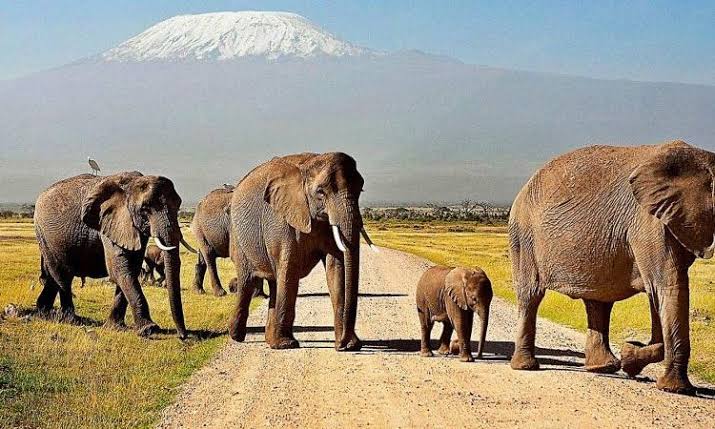
What Is the Weather Like in Kenya Safari Parks?
Kenya offers incredible safari experiences throughout the year, but the weather plays a major role in shaping every adventure. Before planning a trip, many travelers ask one important question: What is the weather like in Kenya safari parks? Understanding the climate helps visitors choose the best travel season, pack the right clothing, enjoy wildlife viewing, and make the most of every safari experience.
Unlike many destinations that experience four distinct seasons, Kenya enjoys a tropical climate with regional variations. Weather changes depending on altitude, location, and time of year. While some safari parks remain warm and dry for most of the year, others experience cooler temperatures because of their higher elevation. Rainfall also varies across different regions, creating unique landscapes and wildlife opportunities throughout the year.
Kenya’s diverse weather conditions benefit both wildlife and visitors. Dry seasons attract animals to rivers and waterholes, making wildlife easier to spot. Meanwhile, rainy seasons transform the parks into lush green landscapes filled with newborn animals, colorful flowers, and migratory birds. Every season offers something different, allowing travelers to choose an experience that matches their interests.
Learning about Kenya’s safari weather also helps travelers prepare properly. Choosing suitable clothing, understanding daily temperature changes, and selecting the right travel period all contribute to a more comfortable and rewarding safari. Whether someone dreams of witnessing the Great Migration in the Maasai Mara, photographing elephants beneath Mount Kilimanjaro in Amboseli, or exploring the wild landscapes of Tsavo, understanding Kenya’s weather makes every safari even more enjoyable.
This guide explains the weather patterns across Kenya’s safari parks, highlights seasonal changes, and provides practical travel tips that help visitors confidently plan an unforgettable African safari.
Combined Uganda, Kenya, Rwanda and Tanzania Safaris
17 days Kenya Tanzania and Uganda safari
19 Days Uganda Kenya and Tanzania Safari
16 Days Kenya Tanzania and Uganda Safari
14 Days Kenya Uganda and Tanzania Safari
14 Days Kenya Uganda and Rwanda Safari
12 Day Gorilla Trekking and Tanzania Safari
Understanding Kenya’s Climate
Kenya sits along the Equator, giving the country warm temperatures throughout the year. However, the climate differs significantly across regions because of varying elevations and geographical features. Coastal areas remain hot and humid, while central highlands enjoy cooler temperatures. Safari parks also experience unique weather conditions depending on their location.
Most of Kenya’s famous safari destinations experience two main seasons instead of four. The dry seasons generally run from June to October and from January to February. During these months, rainfall decreases, skies stay mostly clear, and wildlife becomes easier to find near permanent water sources.
Kenya also experiences two rainy seasons. The long rains usually arrive between March and May, while the short rains fall between October and December. Rain showers often occur during the afternoon or evening rather than lasting throughout the day. Many mornings remain sunny, allowing visitors to continue enjoying game drives even during wetter months.
Altitude greatly influences temperatures. Parks located at higher elevations, such as Maasai Mara, often have cool mornings and evenings. In contrast, lower-altitude parks like Tsavo and Samburu experience much warmer daytime temperatures.
Humidity also varies across Kenya. Inland safari parks generally have lower humidity than coastal areas, making outdoor activities more comfortable even during warmer months. Because weather changes throughout the day, travelers often experience cool mornings, warm afternoons, and chilly evenings during a single safari.
Understanding these climate patterns helps travelers choose the right season based on their wildlife interests, preferred temperatures, and photography goals. Every season creates unique safari opportunities, making Kenya a rewarding destination throughout the year.
Dry Season Weather in Kenya Safari Parks
The dry season remains one of the most popular times to visit Kenya’s safari parks. From June through October, rainfall becomes scarce, vegetation grows thinner, and animals gather around rivers, lakes, and watering holes. These conditions make wildlife easier to observe and photograph.
Daytime temperatures during the dry season usually range between 20°C and 28°C (68°F to 82°F), depending on the park. Early mornings often feel cool, especially in higher-altitude parks such as Maasai Mara and Aberdare. Visitors typically need a light jacket before sunrise, but warmer clothing becomes unnecessary by late morning.
Clear skies dominate most days, providing excellent lighting for photography. Dust levels may increase toward the end of the dry season because of limited rainfall, but visibility remains excellent for wildlife viewing.
The dry season also brings predictable road conditions. Safari vehicles travel more easily on dry tracks, allowing guides to explore larger areas without delays caused by muddy roads. This improves access to remote wildlife habitats and increases the chances of seeing elusive animals.
Many iconic wildlife experiences occur during this season. Predators become easier to locate because prey animals gather around remaining water sources. Visitors frequently encounter lions, leopards, elephants, buffaloes, giraffes, zebras, and many antelope species during game drives.
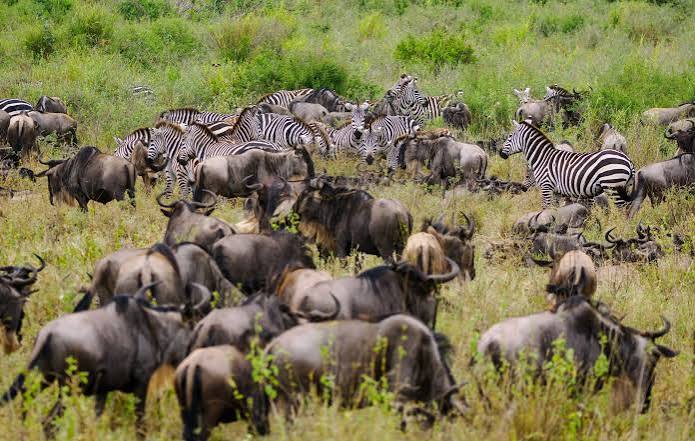
The famous Great Migration also reaches its peak in Maasai Mara between July and October. During this remarkable event, hundreds of thousands of wildebeests, zebras, and gazelles cross from Tanzania into Kenya while predators closely follow the herds. This spectacular wildlife movement attracts photographers and safari enthusiasts from around the world.
Overall, the dry season offers outstanding wildlife viewing, comfortable travel conditions, and unforgettable safari experiences across Kenya.
Rainy Season Weather in Kenya Safari Parks
Many travelers overlook Kenya’s rainy seasons, yet they offer beautiful landscapes and unique wildlife experiences. The long rains usually occur between March and May, while the short rains arrive from late October through December. Although rainfall becomes more frequent, it rarely prevents visitors from enjoying memorable safaris.
Rain transforms Kenya’s parks into vibrant green landscapes filled with fresh grass, blooming flowers, and healthy vegetation. Rivers flow strongly, creating beautiful scenery that photographers appreciate. The fresh environment also supports many newborn animals, making this season especially rewarding for visitors interested in observing young wildlife.
Temperatures remain pleasant during the rainy months. Daytime temperatures generally range between 22°C and 30°C (72°F to 86°F), depending on location. Cloud cover often keeps afternoons cooler than expected, while mornings remain fresh and comfortable.
Rain showers usually arrive during the afternoon or evening and often last only a few hours. Many safari operators adjust their schedules by starting game drives earlier in the morning to maximize wildlife viewing before rain develops.
Birdwatchers especially enjoy the rainy seasons because migratory birds arrive from Europe and Asia. Parks become colorful as hundreds of bird species fill forests, wetlands, and open grasslands.
Travelers also benefit from fewer crowds during these months. Lodges frequently offer lower accommodation rates, creating excellent value for visitors seeking luxury safari experiences at reduced prices.
Although some roads become muddy after heavy rainfall, experienced safari guides continue navigating safely using specially equipped four-wheel-drive vehicles. Therefore, rainy season safaris remain enjoyable while offering peaceful landscapes, excellent photography opportunities, and remarkable wildlife encounters.
Weather in Maasai Mara National Reserve
Maasai Mara enjoys one of Kenya’s most pleasant safari climates. Located at a relatively high elevation, the reserve experiences moderate temperatures throughout the year compared to lower-altitude parks.
Morning temperatures often range between 10°C and 15°C (50°F to 59°F), making light jackets essential for early game drives. As the sun rises, temperatures gradually climb to between 24°C and 27°C (75°F to 81°F), creating comfortable conditions for outdoor exploration.
Rainfall follows Kenya’s general seasonal pattern. The long rains occur from March to May, while the short rains appear between October and December. Even during rainy periods, visitors often enjoy sunny mornings before afternoon showers develop.
The dry season provides exceptional wildlife viewing because animals gather near permanent water sources. Short grass also improves visibility, allowing visitors to spot predators more easily across the open plains.
Between July and October, Maasai Mara hosts one of the world’s greatest wildlife spectacles. Massive herds of wildebeests, zebras, and gazelles migrate into the reserve in search of fresh grazing. River crossings become dramatic scenes as crocodiles wait beneath the water while predators patrol nearby.
Morning mist occasionally covers the plains, creating breathtaking scenery for photographers. Golden sunrise light combined with rolling grasslands produces unforgettable safari images.
Visitors should pack layered clothing because temperatures change noticeably throughout the day. Comfortable walking shoes, a warm fleece for mornings, sunscreen, sunglasses, and a hat provide excellent comfort throughout the safari.
Maasai Mara’s pleasant climate, abundant wildlife, and spectacular seasonal events make it one of Africa’s finest safari destinations year-round.
Weather in Amboseli National Park
Amboseli National Park lies in southern Kenya near the Tanzanian border beneath the towering peak of Mount Kilimanjaro. The park experiences a warm, semi-arid climate with relatively low annual rainfall compared to many other safari destinations.
Daytime temperatures generally range from 24°C to 30°C (75°F to 86°F). Early mornings remain pleasantly cool, while afternoons become warm under clear blue skies. Visitors often enjoy spectacular sunrise views as Mount Kilimanjaro emerges from the morning clouds.
Rainfall occurs mainly during the long rains between March and May and the short rains from October to December. Despite seasonal rainfall, Amboseli rarely becomes heavily forested because its climate remains relatively dry.
The park’s famous swamps receive water from underground streams flowing from Mount Kilimanjaro. These permanent wetlands attract elephants, buffaloes, hippos, birds, and countless other animals throughout the year, even during prolonged dry periods.
Dry weather creates outstanding wildlife viewing opportunities because animals gather around reliable water sources. Large elephant herds often walk across dusty plains with Mount Kilimanjaro forming a breathtaking backdrop. These scenes rank among Kenya’s most photographed safari landscapes.
Dust may become noticeable during extended dry periods, especially during afternoon game drives. Therefore, sunglasses and lightweight scarves provide additional comfort.
Because Amboseli enjoys abundant sunshine, visitors should carry sunscreen, wide-brimmed hats, reusable water bottles, and lightweight breathable clothing. Layering also helps during cool morning departures.
The combination of stable weather, magnificent scenery, and exceptional elephant viewing makes Amboseli one of Kenya’s most rewarding safari parks regardless of the season.
Weather in Tsavo National Parks
Tsavo East and Tsavo West together form one of Africa’s largest protected wildlife ecosystems. Located in southeastern Kenya, these parks experience warmer temperatures than higher-altitude destinations because of their lower elevation.
Daytime temperatures commonly range from 27°C to 34°C (81°F to 93°F), while nighttime temperatures remain pleasantly mild. Visitors should expect hot afternoons, especially between January and March.
Rainfall follows Kenya’s two-season pattern but remains lower than in many central regions. The long rains occur from March through May, while the short rains arrive between October and December. Even after rainfall, many areas quickly dry because of the warm climate.
During dry months, wildlife gathers near rivers, springs, and waterholes, making animal sightings more consistent. Tsavo’s famous red elephants frequently visit these areas after covering themselves with the park’s distinctive red volcanic soil.
Vegetation changes dramatically with the seasons. Dry months reveal open landscapes that improve visibility during game drives. Rainy months encourage fresh plant growth that supports grazing animals while transforming the scenery into vibrant shades of green.
The parks also feature diverse habitats, including volcanic hills, lava flows, rivers, forests, open plains, and wetlands. These varying environments create different microclimates that support an impressive variety of wildlife.
Travelers visiting Tsavo should wear lightweight clothing, drink plenty of water, and protect themselves from the strong equatorial sun. Early morning and late afternoon game drives provide the most comfortable temperatures while increasing opportunities to observe active wildlife.
Tsavo’s warm climate, dramatic landscapes, and abundant wildlife deliver unforgettable safari experiences throughout the year.
What to Pack for Different Weather Conditions
Packing wisely allows travelers to stay comfortable regardless of Kenya’s changing safari weather. Since temperatures often shift between cool mornings and warm afternoons, versatile clothing remains the best choice.
Lightweight, breathable clothing made from cotton or moisture-wicking fabrics keeps visitors comfortable during daytime game drives. Neutral colors such as khaki, olive, beige, and brown blend naturally with the environment and reduce the chance of attracting insects.
Layering remains essential because early mornings often feel surprisingly cool, especially in higher-altitude parks. A fleece jacket or lightweight sweater provides warmth before sunrise, while a light rain jacket becomes useful during the rainy seasons.
Comfortable walking shoes support short nature walks, lodge activities, and airport transfers. Closed shoes also offer better protection against dust, uneven ground, and insects.
Sun protection deserves equal attention throughout the year. A wide-brimmed hat, quality sunglasses, sunscreen with high SPF, and lip balm help protect against strong equatorial sunlight. Reusable water bottles encourage proper hydration during long game drives.
Rainy season visitors should include waterproof jackets, quick-drying clothing, and waterproof covers for cameras and electronic equipment. Small backpacks help organize personal items while keeping essentials easily accessible.
Photography enthusiasts should also carry lens cleaning cloths because dust may accumulate during dry-season safaris. Binoculars improve wildlife viewing by allowing travelers to observe distant animals more clearly.
Packing carefully ensures visitors stay comfortable while focusing entirely on enjoying Kenya’s remarkable wildlife and breathtaking natural landscapes.
Best Time to Visit Kenya Safari Parks Based on Weather
The best time to visit Kenya depends on individual travel goals rather than one perfect season. Each period offers unique advantages that appeal to different types of travelers.
Visitors who prioritize wildlife viewing often choose the dry season between June and October. Sparse vegetation, reliable road conditions, and concentrated wildlife create ideal safari conditions. This period also coincides with the famous Great Migration in Maasai Mara, making it one of Kenya’s busiest tourism seasons.
Travelers seeking greener landscapes, fewer crowds, and lower accommodation costs often prefer the rainy seasons. Fresh vegetation creates stunning scenery, while newborn animals and migratory birds add exciting wildlife experiences. Photography also benefits from dramatic skies and vibrant natural colors.
January and February offer another excellent travel window. These months usually remain dry, warm, and less crowded than the peak migration season. Wildlife viewing remains rewarding, and many parks enjoy excellent weather for game drives.
Families, photographers, honeymooners, birdwatchers, and first-time safari travelers can all find ideal travel periods depending on their interests. Careful planning allows visitors to match weather conditions with the experiences they value most.
Rather than avoiding certain months, travelers should understand how seasonal changes influence wildlife behavior, landscapes, and safari activities. Every season reveals a different side of Kenya’s extraordinary natural beauty.
Conclusion
Kenya’s safari parks offer unforgettable wildlife experiences in every season because each period brings its own unique weather patterns and natural attractions. Dry months provide exceptional wildlife viewing as animals gather around water sources, while rainy seasons transform the landscape into lush green wilderness filled with newborn animals and vibrant birdlife.
Weather varies across Kenya due to altitude, geography, and regional climate. Parks such as the Maasai Mara remain pleasantly cool, while Amboseli and Tsavo experience warmer conditions throughout the year. Understanding these differences allows travelers to choose destinations and travel dates that match their expectations. With trusted operators like Giant Holiday Safaris, visitors receive expert guidance on the best times and places to explore, ensuring every safari is rewarding and comfortable.
Preparing for Kenya’s safari weather also improves every aspect of the journey. Packing layered clothing, staying protected from the sun, carrying rain gear during wetter months, and planning activities around daily temperature changes all contribute to a smooth experience.
Ultimately, there is no wrong time to explore Kenya’s safari parks. Every season presents fresh opportunities to witness incredible wildlife, admire breathtaking landscapes, and create lasting memories. By understanding Kenya’s climate before traveling and planning responsibly with experienced operators such as Giant Holiday Safaris visitors can confidently enjoy safaris that deliver adventure, comfort, and unforgettable moments in the heart of Africa.