Which Budget Safaris Include Ngorongoro
July 25, 2026
Experience the True Beauty and Diversity of Africa Tourism
July 25, 2026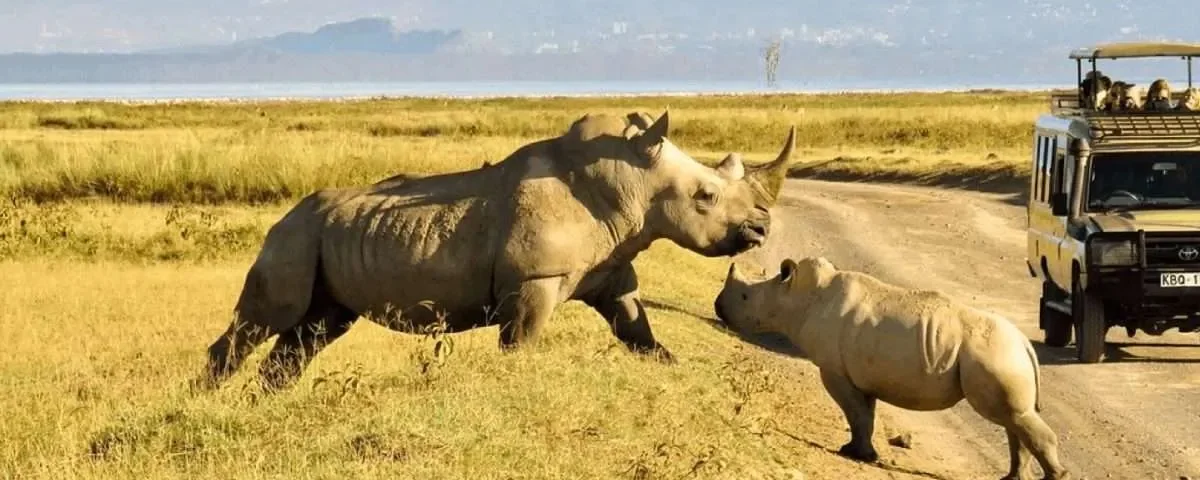
Which Kenya Safari Parks Have Rhinos?
Kenya stands among Africa’s most respected safari destinations because it offers incredible wildlife experiences, diverse landscapes, and some of the world’s most successful conservation programs. While many travelers visit Kenya to witness lions, elephants, and the Great Migration, rhino encounters create some of the most memorable safari moments. Seeing a powerful black or white rhino moving through the African wilderness allows visitors to connect with one of the planet’s most endangered animals.
Kenya protects its rhino population through dedicated conservation areas, national parks, and private wildlife reserves. These destinations combine responsible tourism with strong wildlife protection, giving travelers a chance to enjoy authentic safari experiences while supporting conservation efforts. Unlike some wildlife sightings that depend heavily on luck, several Kenyan parks offer excellent opportunities to see rhinos because they actively manage and protect their populations.
For travelers planning a Kenya safari, understanding where rhinos live helps create a more rewarding itinerary. Some parks focus specifically on rhino conservation, while others offer rhino sightings as part of a wider Big Five adventure. From the famous landscapes of the Maasai Mara to the protected wilderness of Laikipia, Kenya provides unique opportunities to observe these magnificent animals in their natural environment.
Combined Uganda, Kenya, Rwanda and Tanzania Safaris
17 days Kenya Tanzania and Uganda safari
19 Days Uganda Kenya and Tanzania Safari
16 Days Kenya Tanzania and Uganda Safari
14 Days Kenya Uganda and Tanzania Safari
14 Days Kenya Uganda and Rwanda Safari
12 Day Gorilla Trekking and Tanzania Safari
Why Rhinos Are Special on a Kenya Safari
Rhinos represent one of Africa’s greatest conservation stories. These ancient animals have survived for millions of years, yet today they face serious threats from habitat loss and illegal wildlife trafficking. Kenya has become a leading country in rhino conservation by creating protected areas, strengthening security measures, and supporting breeding programs.
A rhino sighting during a safari feels different from many other wildlife encounters. Rhinos are large, powerful, and often appear calm as they walk through grasslands or forests. Their prehistoric appearance, thick skin, and impressive horns make them fascinating animals to observe and photograph.
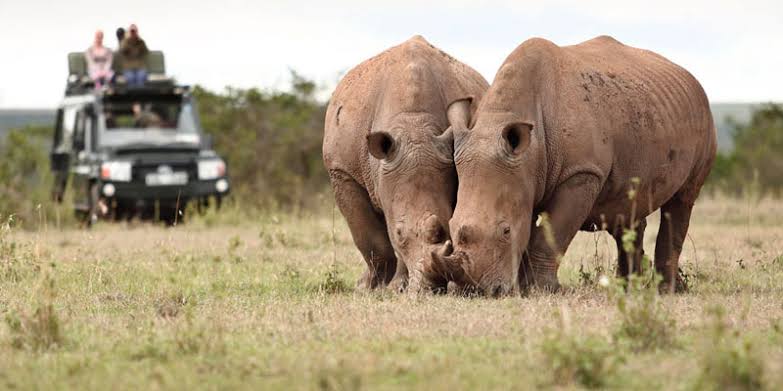
Kenya protects two main rhino species: the black rhino and the white rhino. Black rhinos usually prefer thicker vegetation and browse on bushes, leaves, and branches. White rhinos often live in open grasslands where they feed mainly on grass. Although their names suggest different colors, both species have similar grey skin tones. The names mainly describe their feeding habits and body shapes.
Furthermore, rhino conservation has become a major part of Kenya’s tourism identity. When travelers visit rhino habitats, they contribute to the economy that supports wildlife protection. Safari tourism creates funding for park management, ranger programs, community projects, and environmental education.
Therefore, choosing a destination with strong rhino conservation efforts allows visitors to enjoy an unforgettable safari while helping protect endangered wildlife.
Ol Pejeta Conservancy: Kenya’s Leading Rhino Conservation Destination
Ol Pejeta Conservancy offers one of the best rhino experiences in Kenya. Located in the Laikipia region near Mount Kenya, this private wildlife conservancy has gained international recognition for its successful rhino conservation work. It protects one of the largest populations of black rhinos in East Africa and provides an excellent opportunity for visitors to see these animals throughout the year.
Ol Pejeta creates a unique safari experience because it combines wildlife viewing with conservation education. Visitors can enjoy traditional game drives while learning about the challenges facing endangered species. The conservancy also protects white rhinos and has played an important role in protecting northern white rhinos through advanced conservation efforts.
The landscape at Ol Pejeta creates ideal conditions for wildlife viewing. Open plains, wooded areas, and water sources attract many animals, including elephants, lions, giraffes, zebras, and buffaloes. Because the conservancy maintains strong wildlife management practices, guests often enjoy close and unforgettable rhino encounters.
Moreover, Ol Pejeta provides activities beyond standard game drives. Travelers can visit the rhino sanctuary, learn about ranger operations, and understand how conservation teams protect wildlife. These experiences create a deeper connection between visitors and Africa’s natural heritage.
For travelers who want a meaningful safari experience, Ol Pejeta remains one of the strongest choices in Kenya. It combines luxury travel, adventure, education, and conservation in one remarkable destination.
Lake Nakuru National Park: A Historic Rhino Sanctuary in Kenya
Lake Nakuru National Park remains one of Kenya’s most famous locations for rhino viewing. Located in the Great Rift Valley, this park offers a beautiful combination of wildlife, scenic landscapes, and successful conservation efforts. The park became a protected rhino sanctuary and continues to provide a safe environment for both black and white rhinos.
Lake Nakuru creates excellent conditions for wildlife enthusiasts because the park contains diverse habitats. Visitors can explore grasslands, forests, rocky cliffs, and areas around the lake. These different environments support various species, including rhinos, lions, leopards, buffaloes, giraffes, and many bird species.
One of the advantages of visiting Lake Nakuru is its accessibility. The park sits close to Nairobi, making it an ideal destination for travelers with limited time. Many visitors include it as part of a longer Kenya safari route connecting Nairobi, the Great Rift Valley, Maasai Mara, and other wildlife destinations.
Additionally, Lake Nakuru offers beautiful photography opportunities. The combination of rhinos, acacia trees, dramatic landscapes, and changing light creates stunning safari moments. Although the park became famous for flamingos, its rhino population has made it an important conservation destination.
Travelers who visit Lake Nakuru experience more than wildlife viewing. They witness a place where conservation, tourism, and environmental protection work together to preserve Kenya’s natural treasures.
Nairobi National Park: A Rhino Safari Near Kenya’s Capital City
Nairobi National Park provides one of the most unique wildlife experiences in the world because it allows visitors to see rhinos just minutes away from a major city. Established as Kenya’s first national park, it protects a valuable rhino population while offering convenient access for international and local travelers.
The park’s location makes it perfect for travelers who arrive in Nairobi and want an immediate safari experience. Instead of traveling several hours before seeing wildlife, visitors can begin exploring Kenya’s wilderness shortly after landing. The contrast between modern city buildings and open savannah creates a remarkable setting.
Nairobi National Park supports black rhinos along with lions, buffaloes, giraffes, zebras, and many other species. The park’s conservation success shows how wildlife can survive even near urban areas when governments and conservation organizations protect natural habitats.
Furthermore, the park plays an important educational role. Many visitors, including families and students, learn about wildlife conservation through guided tours. These experiences help create awareness about protecting endangered species.
For travelers seeking a short safari before or after international flights, Nairobi National Park offers excellent value. It proves that Kenya’s wildlife experiences do not always require long journeys into remote areas.
Lewa Wildlife Conservancy: A Luxury Rhino Safari Experience
Lewa Wildlife Conservancy delivers a premium safari experience focused on conservation, wildlife protection, and responsible tourism. Located in northern Kenya, Lewa protects significant populations of black and white rhinos while maintaining a carefully managed ecosystem.
The conservancy has become internationally recognized for its innovative approach to wildlife protection. Rangers monitor animals, protect habitats, and support conservation programs that benefit both wildlife and nearby communities. This approach makes Lewa an inspiring example of how tourism can support long-term environmental protection.
Visitors to Lewa enjoy more than rhino sightings. The conservancy offers beautiful landscapes, including rolling hills, open plains, and views toward Mount Kenya. Game drives often reveal elephants, giraffes, zebras, lions, and many other African species.
Additionally, Lewa provides exclusive safari experiences through carefully designed lodges and guided activities. Guests can enjoy wildlife viewing while learning about conservation challenges and solutions. The combination of luxury, adventure, and education creates a deeper travel experience.
For travelers who value meaningful tourism, Lewa represents the future of African safaris. It shows how responsible travel can protect wildlife while creating unforgettable memories.
Maasai Mara and Rhino Sightings: What Travelers Should Know
Maasai Mara National Reserve remains Kenya’s most famous safari destination, especially for the Great Migration and Big Five experiences. However, travelers should understand that rhino sightings are less common here compared with specialized conservation areas such as Ol Pejeta or Lewa.
The Maasai Mara provides exceptional opportunities to see lions, cheetahs, elephants, buffaloes, and leopards. Its open grasslands create perfect conditions for wildlife viewing, but rhinos require specific protection environments because their populations remain limited.
That said, some private conservancies surrounding the Maasai Mara may offer occasional rhino experiences through carefully managed wildlife programs. These areas focus on conservation while maintaining natural ecosystems.
Travelers planning a Kenya safari should include Maasai Mara for its incredible predator sightings and migration experiences, but they should combine it with another destination if seeing rhinos is a major priority.
By creating a balanced itinerary, visitors can enjoy Kenya’s full wildlife diversity. Combining Maasai Mara with Ol Pejeta, Lake Nakuru, or Lewa creates a complete safari experience that includes both famous wildlife attractions and important conservation destinations.
Best Time to See Rhinos During a Kenya Safari
Kenya offers year-round safari opportunities, but certain seasons provide better wildlife viewing conditions. The dry seasons, usually from June to October and January to March, often create excellent opportunities to see rhinos because animals gather near reliable water sources.
During dry months, vegetation becomes thinner, making wildlife easier to spot. Safari vehicles can also travel more easily through many areas because roads remain firmer. These conditions allow guides to locate rhinos and other wildlife more effectively.
However, the rainy seasons also offer unique advantages. Landscapes become greener, fewer tourists visit, and photographers enjoy beautiful scenery. Many animals give birth during these periods, creating special moments for wildlife enthusiasts.
Ultimately, the best time depends on your travel goals. Travelers focused mainly on rhino viewing can visit throughout the year because Kenya’s major rhino conservation areas maintain strong populations. Working with experienced safari operators also increases the chances of enjoying quality wildlife encounters.
A well-planned safari considers location, season, conservation efforts, and personal interests. This approach creates a richer and more memorable African adventure.
Responsible Tourism and the Future of Kenya’s Rhinos
Kenya’s rhino conservation success depends heavily on responsible tourism. Every safari visitor contributes to wildlife protection by supporting parks, conservancies, local communities, and conservation programs.
Responsible travelers choose operators who respect wildlife rules, maintain safe distances from animals, and support ethical tourism practices. They avoid activities that disturb animals and understand that conservation comes before entertainment.
Furthermore, tourism provides important financial support for protecting endangered species. Revenue from park visits, accommodation, and guided experiences helps fund ranger teams, habitat management, and community development programs.
Kenya’s conservation journey proves that tourism and environmental protection can work together. When visitors explore rhino habitats responsibly, they become part of a larger effort to protect Africa’s wildlife heritage.
The future of Kenya’s rhinos depends on continued cooperation between conservation organizations, local communities, governments, and travelers. By choosing sustainable safari experiences, visitors help ensure that future generations can experience the same breathtaking encounters.
Conclusion: Choose Kenya for an Unforgettable Rhino Safari Adventure
Kenya offers some of Africa’s most rewarding rhino safari experiences through world‑class conservation areas, national parks, and private reserves. From Ol Pejeta’s dedicated rhino programs to Lake Nakuru’s historic sanctuary and Lewa’s luxury conservation model, travelers have many opportunities to encounter these magnificent animals.
A Kenya safari becomes even more meaningful when visitors understand the conservation story behind every rhino sighting. These experiences connect travelers with nature while supporting efforts to protect endangered wildlife. With trusted operators like Giant Holiday Safaris, guests enjoy expertly guided encounters that highlight both the thrill of seeing rhinos and the importance of safeguarding them for future generations.
Whether you are planning your first African safari or returning for another adventure, including a rhino destination creates a deeper connection with Kenya’s wilderness. The country’s commitment to conservation, combined with its breathtaking landscapes and diverse wildlife, makes it one of the best places in the world to experience rhinos.
By choosing Kenya and traveling responsibly with operators such as Giant Holiday Safaris visitors do more than discover wildlife. They actively support a future where rhinos continue to roam freely across Africa’s protected landscapes.