Elephant Herd Migration in Kenya
April 28, 2026
Kenya Safari for Bird Photographers
April 28, 2026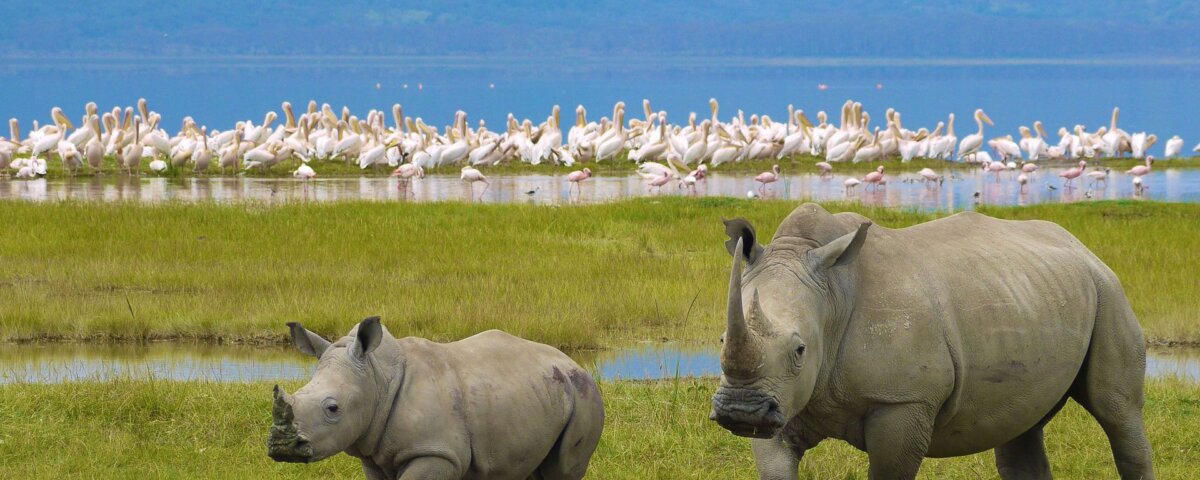
Rhino Sanctuaries in Kenya
Kenya stands at the forefront of rhino conservation in Africa. For travelers who seek meaningful safari experiences, rhino sanctuaries in Kenya offer far more than wildlife sightings. These protected landscapes represent hope, resilience, and one of Africa’s strongest conservation success stories. Across the country, dedicated sanctuaries protect endangered black and white rhinos while creating extraordinary safari opportunities rooted in purpose.
Rhinos once roamed Kenya in far greater numbers. However, poaching, habitat loss, and illegal wildlife trade pushed populations toward devastating decline. In response, Kenya developed secure sanctuaries that combine armed protection, scientific management, habitat restoration, and ecotourism. Today, these sanctuaries play a vital role in rebuilding rhino populations while strengthening Kenya’s global conservation leadership.
A visit to a rhino sanctuary allows travelers to witness one of Earth’s most iconic animals while supporting direct conservation action. From the sweeping plains of Ol Pejeta to the bird-rich shores of Lake Nakuru, each sanctuary offers unique landscapes and remarkable encounters.
Beyond wildlife viewing, rhino tourism in Kenya connects visitors to broader ecological protection. These sanctuaries preserve biodiversity, support local communities, and inspire global conservation awareness. Wildlife enthusiasts, ethical travelers, and safari planners all find that Kenya’s rhino sanctuaries provide some of the continent’s most powerful and responsible safari experiences.
Understanding Kenya’s Rhino Species: Black Rhino and White Rhino
Kenya protects two main rhino species: the black rhino and the white rhino. Although both are powerful, ancient, and endangered, they differ greatly in behavior, habitat, and conservation needs.
Black rhinos are critically endangered and generally more elusive. They prefer dense bush, shrublands, and protected habitats where they browse on leaves, branches, and shrubs. Often more solitary, these rhinos can display greater aggression when threatened. Kenya holds one of Africa’s most important black rhino populations, which makes its sanctuaries globally significant.
White rhinos, by contrast, are larger and more social. They usually graze on grasslands and open plains, which often makes them easier to spot during safari drives. Their broad mouths suit grazing, while black rhinos have pointed lips designed for browsing.
Kenya’s sanctuaries carefully manage both species through breeding programs, habitat zoning, and anti-poaching systems. Some locations focus heavily on black rhino recovery, while others support mixed populations.
Learning these differences enriches the safari experience. Travelers gain more than sightings they gain ecological insight into species survival. Kenya’s rhino sanctuaries protect not just animals, but also the genetic future of some of the world’s rarest mammals.
Ol Pejeta Conservancy: Kenya’s Global Rhino Conservation Icon
Ol Pejeta Conservancy stands as Kenya’s most famous rhino sanctuary and one of Africa’s leading conservation models. Located in Laikipia, this vast reserve combines luxury safari experiences with groundbreaking wildlife protection.
Ol Pejeta holds East Africa’s largest black rhino sanctuary and also protects southern white rhinos. Most notably, the conservancy serves as the home of the world’s last two northern white rhinos, making it a place of profound global significance.
Visitors enjoy exceptional rhino sightings because the conservancy’s protected environment supports both accessibility and safety. Open plains, skilled guides, and strong security create outstanding opportunities for wildlife observation.
Conservation education also defines the Ol Pejeta experience. Travelers can explore anti-poaching technologies, veterinary care, breeding strategies, and habitat management. This deeper understanding transforms an ordinary safari into a journey rooted in knowledge and impact.
Community development adds another powerful dimension. Ol Pejeta supports local livelihoods while proving that conservation and social progress can thrive together.
For travelers seeking authority, authenticity, and conservation excellence, Ol Pejeta offers one of Kenya’s most meaningful safari destinations. It transforms rhino tourism into a powerful encounter with one of Africa’s most urgent wildlife missions.
Rhino Sanctuaries in Kenya: Lake Nakuru National Park, A Rhino Sanctuary with Scenic Diversity
Lake Nakuru National Park offers one of Kenya’s most accessible and visually stunning rhino sanctuary experiences. Known globally for its alkaline lake, birdlife, and scenic escarpments, this park also plays a major role in rhino conservation.
Within its fenced and highly protected ecosystem, Lake Nakuru supports both black and white rhinos. This secure setting allows populations to thrive while offering visitors reliable rhino sightings.
The park’s diverse habitats include grasslands, acacia forests, wetlands, and rocky ridges. These landscapes support not only rhinos but also lions, leopards, giraffes, zebras, and flamingos. As a result, a visit here combines rhino conservation with broader safari richness.
Because of its manageable size and excellent infrastructure, Lake Nakuru often suits first time safari travelers or those with limited time. Scenic beauty and strong conservation systems make rhino encounters here especially rewarding.
Lake Nakuru’s role in Kenya’s rhino recovery also demonstrates how protected ecosystems can successfully balance tourism with species restoration.
Travelers seeking convenience, biodiversity, and strong rhino visibility consistently find Lake Nakuru among Kenya’s most compelling sanctuary destinations.
Lewa Wildlife Conservancy: Luxury, Conservation, and Rhino Protection
Lewa Wildlife Conservancy represents one of Kenya’s most prestigious conservation landscapes. Located in northern Kenya, Lewa combines high-end safari experiences with serious rhino protection and community empowerment.
Both black and white rhinos thrive here within a secure and carefully managed environment. Lewa’s conservation success has earned international respect, especially for breeding programs and anti-poaching innovation.
Its integrated model sets Lewa apart. Wildlife protection, local education, healthcare, and sustainable development all operate together. This broader conservation ecosystem benefits both animals and surrounding communities.
Guests often enjoy more intimate safari experiences due to lower visitor density. Exclusive rhino encounters, guided bush walks, and exceptional hospitality create unforgettable journeys while supporting impactful conservation work.
Rolling hills, open savannahs, and dramatic Mount Kenya views further elevate Lewa’s appeal.
Luxury tourism here actively fuels wildlife recovery rather than threatening it. For travelers who value premium experiences with meaningful conservation outcomes, Lewa stands as one of Kenya’s finest rhino sanctuary choices.
Rhino Sanctuaries in Kenya: Nairobi National Park, Urban Conservation and Rhino Success
Nairobi National Park offers one of Africa’s most unique rhino sanctuary experiences. Located just outside Kenya’s capital city, this park combines remarkable wildlife conservation with urban accessibility.
Despite its proximity to a major city, the park protects one of Kenya’s most successful black rhino populations. This sanctuary setting proves that wildlife conservation can thrive even near urban development when management remains strong.
Open plains, acacia bush, and seasonal river systems create habitat for rhinos alongside lions, giraffes, zebras, and buffalo. Seeing rhinos with Nairobi’s skyline in the distance creates one of Kenya’s most distinctive safari visuals.
Travelers with limited schedules often find Nairobi National Park especially valuable. It serves as an ideal introduction to Kenya’s conservation story before deeper exploration into larger safari regions.
The park also highlights modern conservation challenges such as land pressure, infrastructure expansion, and habitat connectivity. Visiting supports awareness of these complex realities.
Nairobi National Park proves that rhino conservation does not belong only to remote wilderness. It can also succeed where nature and modern society intersect.
Anti-Poaching and Sanctuary Security: The Backbone of Rhino Survival
Rhino sanctuaries in Kenya succeed because of rigorous protection systems. Without strong anti-poaching strategies, rhino recovery would face constant threat.
Kenya invests heavily in ranger patrols, surveillance technology, fencing, intelligence networks, and veterinary monitoring. Many sanctuaries use drones, GPS systems, canine units, and coordinated law enforcement to protect rhinos from illegal hunting.
These systems create safe breeding environments where rhino populations can stabilize and grow. They also strengthen broader ecosystem protection by deterring wildlife crime beyond rhinos alone.
People remain just as essential as technology. Rangers risk their lives daily to defend endangered species, while community partnerships reduce poaching incentives by creating economic alternatives through tourism and education.
For travelers, understanding this security framework deepens appreciation for every rhino sighting. Each encounter reflects decades of sacrifice, planning, and conservation dedication.
Responsible visitation also matters. By exploring rhino sanctuaries ethically, tourists help fund the very systems that keep these species alive. Safari tourism, therefore, becomes part of rhino survival itself.
Rhino Sanctuaries in Kenya: Best Time to Visit Rhino Sanctuaries in Kenya
Kenya’s rhino sanctuaries offer year round opportunities, but timing can enhance the safari experience. Dry seasons provide the best visibility and wildlife concentration. Giant Holiday Safaris helps travelers plan visits around these seasons for maximum impact.
From June to October, shorter grass and limited water sources improve sightings as animals gather near predictable areas. Giant Holiday Safaris ensures guests enjoy productive game drives during this peak period.
January to March also delivers strong safari conditions with warm weather, clear skies, and excellent road access. Photographers benefit from crisp light, and Giant Holiday Safaris guides optimize tracking opportunities.
Rainy seasons, especially April to May, bring lush scenery and fewer crowds, though vegetation may reduce visibility. Fenced sanctuaries like Lake Nakuru remain reliable, and Giant Holiday Safaris tailors itineraries accordingly.
Travelers should align visits with personal goals peak seasons favor visibility, while quieter months offer exclusivity and greener landscapes. With Giant Holiday Safaris, every season is matched to traveler priorities.
Throughout the year, Kenya’s rhino sanctuaries deliver strong conservation experiences. Choosing Giant Holiday Safaris ensures each safari is timed and tailored for unforgettable encounters.
Final Thoughts: Rhino Sanctuaries in Kenya as a Model for Africa
Rhino sanctuaries in Kenya represent more than protected spaces they are living examples of how conservation, tourism, science, and community unite to reverse wildlife decline. Giant Holiday Safaris connects travelers to these sanctuaries through guided experiences that combine adventure with purpose.
From Ol Pejeta’s global leadership to Lake Nakuru’s accessibility, Lewa’s luxury conservation, and Nairobi’s urban success, Kenya offers extraordinary rhino encounters for every traveler. With Giant Holiday Safaris, each visit becomes a story of determination, innovation, and hope.
For global audiences, visiting these sanctuaries builds direct support for endangered species survival while deepening understanding of Africa’s conservation future. Giant Holiday Safaris ensures guests experience this impact firsthand.
Kenya has earned its reputation as a trusted authority in rhino protection, with sanctuaries shaping best practices across the continent. Through Giant Holiday Safaris, travelers engage with these efforts while enjoying authentic safari experiences.
Purpose driven travelers discover one of Africa’s most powerful journeys in Kenya’s rhino sanctuaries. By choosing Giant Holiday Safaris, every rhino sighting becomes proof that conservation can succeed.
Combined Uganda, Kenya, Rwanda and Tanzania Safaris
17 days Kenya Tanzania and Uganda safari
19 Days Uganda Kenya and Tanzania Safari
16 Days Kenya Tanzania and Uganda Safari
14 Days Kenya Uganda and Tanzania Safari
14 Days Kenya Uganda and Rwanda Safari