Can You Use Drones in Kenya Safari Parks?
July 24, 2026
What Is the Weather Like in Kenya Safari Parks?
July 24, 2026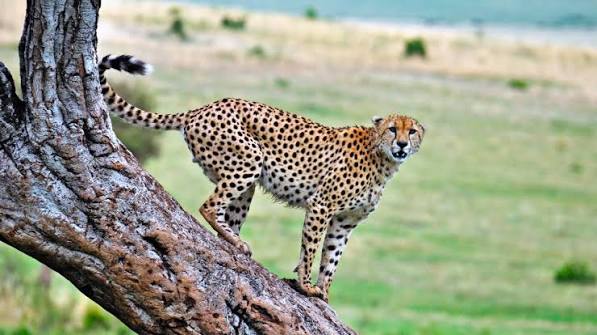
Where Can You See Cheetahs in Kenya?
Kenya stands among Africa’s most remarkable wildlife destinations, offering travelers a rare opportunity to witness some of the planet’s fastest and most fascinating predators. Among these incredible animals, the cheetah holds a special place because of its speed, elegance, intelligence, and unique hunting skills. A Kenya safari gives visitors the chance to observe cheetahs moving across open landscapes, caring for their young, and displaying natural behaviors in their true wild environment.
Unlike many destinations where wildlife sightings depend heavily on luck, Kenya provides some of the best conditions in Africa for spotting cheetahs. The country’s protected areas feature wide grasslands, abundant prey, and carefully managed conservation programs that support healthy cheetah populations. From the famous Maasai Mara plains to the remote wilderness of Samburu, different regions provide different experiences for travelers seeking this magnificent cat.
Choosing the right location greatly increases your chances of seeing cheetahs in Kenya. Each reserve offers a unique ecosystem, landscape, and safari atmosphere. Some areas provide excellent opportunities for close encounters, while others offer peaceful wildlife experiences away from large crowds. Understanding where cheetahs live, how they behave, and when to visit allows travelers to create a more rewarding African safari adventure.
Combined Uganda, Kenya, Rwanda and Tanzania Safaris
17 days Kenya Tanzania and Uganda safari
19 Days Uganda Kenya and Tanzania Safari
16 Days Kenya Tanzania and Uganda Safari
14 Days Kenya Uganda and Tanzania Safari
14 Days Kenya Uganda and Rwanda Safari
12 Day Gorilla Trekking and Tanzania Safari
Maasai Mara National Reserve: Kenya’s Premier Cheetah Destination
The Maasai Mara National Reserve remains one of the best places to see cheetahs in Kenya. Located in southwestern Kenya, this world-famous wildlife destination features endless golden grasslands, seasonal rivers, and rich wildlife populations. The open plains create the perfect environment for cheetahs because these fast predators need wide spaces to chase and capture their prey.
During a Maasai Mara safari, visitors often spot cheetahs resting on termite mounds, scanning the plains for opportunities, or teaching their cubs important survival skills. The reserve supports several well-known cheetah families, and many guides understand their territories and behaviors. As a result, travelers often enjoy meaningful sightings that go beyond a simple photograph.
The Great Migration also makes the Maasai Mara an exciting destination for cheetah encounters. Millions of wildebeest and other herbivores move through the ecosystem each year, creating opportunities for predators to hunt. Although cheetahs usually avoid larger prey, the abundance of gazelles, young antelopes, and smaller animals attracts these skilled hunters.
Furthermore, the Maasai Mara offers excellent safari infrastructure, including luxury lodges, private camps, and experienced guides. Visitors can enjoy early morning and late afternoon game drives when cheetahs are most active. The combination of reliable wildlife sightings, breathtaking scenery, and professional safari services makes the Maasai Mara a leading destination for anyone hoping to see cheetahs in Kenya.
Ol Pejeta Conservancy: A Conservation-Focused Cheetah Experience
Ol Pejeta Conservancy provides a unique wildlife experience by combining conservation, education, and unforgettable safari adventures. Located in Kenya’s Laikipia region, this private conservancy protects a diverse range of wildlife while supporting important conservation projects. Although it is famous for its rhino conservation efforts, Ol Pejeta also provides excellent opportunities to see cheetahs in a peaceful and well-managed environment.
The conservancy’s open landscapes allow cheetahs to move freely while hunting and exploring their territory. Visitors can often observe these predators during guided game drives, where professional guides explain their behavior, challenges, and role within the ecosystem. This educational approach helps travelers understand why protecting cheetahs remains essential for maintaining healthy wildlife populations.
Moreover, Ol Pejeta offers a more exclusive safari atmosphere compared to some larger national parks. Because private conservancies usually limit the number of vehicles in wildlife areas, guests can enjoy quieter sightings and spend more time observing animals. This creates a deeper connection with nature and allows photographers to capture impressive wildlife moments.
The conservancy also supports research and conservation programs that contribute to the protection of endangered and threatened species. By visiting Ol Pejeta, travelers enjoy a memorable safari while supporting responsible tourism practices. For visitors who value wildlife protection, ethical travel, and meaningful experiences, Ol Pejeta provides one of Kenya’s most rewarding destinations for seeing cheetahs.
Samburu National Reserve: A Remote Cheetah Safari Adventure
Samburu National Reserve offers a completely different cheetah viewing experience compared to Kenya’s southern grasslands. Located in northern Kenya, this beautiful wilderness area features dramatic landscapes, dry savannah, rocky hills, and the life-giving Ewaso Ng’iro River. The unique environment attracts a variety of wildlife, including cheetahs adapted to the region’s semi-arid conditions.
Cheetahs in Samburu have developed remarkable survival skills because they live in a challenging environment with limited water and extreme temperatures. During game drives, visitors may spot cheetahs moving quietly through the bush, resting under trees, or searching for prey across open areas. The reserve’s lower visitor numbers also create a more private and authentic safari experience.
Additionally, Samburu provides opportunities to discover wildlife species that travelers may not find in other parts of Kenya. The region hosts unique animals such as Grevy’s zebra, reticulated giraffe, and Beisa oryx. This diversity makes every safari drive exciting because visitors experience a completely different side of Kenya’s natural heritage.
The local Samburu communities also add cultural value to the journey. Travelers can learn about traditional lifestyles, conservation partnerships, and the relationship between people and wildlife. Therefore, a Samburu safari combines cheetah viewing with cultural discovery, making it an excellent choice for adventurous travelers seeking a less crowded and authentic African experience.
Tsavo National Parks: Exploring Kenya’s Vast Wilderness
Tsavo East and Tsavo West National Parks form one of the largest protected wilderness areas in Kenya. Together, they cover an enormous landscape filled with volcanic hills, open plains, forests, rivers, and diverse wildlife habitats. While Tsavo is famous for elephants and dramatic scenery, the parks also provide opportunities to see cheetahs in their natural environment.
Because Tsavo covers such a large area, cheetah sightings require patience and expert guidance. These predators often travel across wide territories while searching for food and avoiding competition from larger carnivores. Experienced safari guides understand animal movements and increase the chances of locating cheetahs during game drives.
Tsavo West offers beautiful landscapes with areas such as Mzima Springs and volcanic formations, while Tsavo East provides expansive plains that create excellent wildlife viewing opportunities. The different habitats allow travelers to experience Kenya’s wilderness on a much larger scale.
Furthermore, Tsavo offers a quieter safari experience compared to more popular destinations. Travelers who prefer fewer vehicles, peaceful surroundings, and a feeling of true exploration often appreciate this destination. Seeing a cheetah in Tsavo feels especially rewarding because the vast wilderness highlights the challenges these animals face while surviving in nature.
For travelers looking for adventure, space, and a deeper connection with Kenya’s wild landscapes, Tsavo provides an unforgettable opportunity to search for cheetahs while exploring one of Africa’s greatest wilderness regions.
Nairobi National Park: A Convenient Cheetah Safari Near the City
Nairobi National Park creates a unique safari opportunity because it sits just outside Kenya’s capital city. Few places in the world allow travelers to experience wild animals so close to a major urban center. Despite its location near Nairobi, the park protects a surprising variety of wildlife, including lions, giraffes, buffaloes, and occasionally cheetahs.
The park’s open grasslands provide suitable conditions for cheetahs, especially in areas with enough prey and natural cover. Visitors who have limited time in Kenya can include Nairobi National Park in their itinerary and still enjoy a genuine wildlife experience. Early morning game drives often provide the best opportunities because animals remain active before temperatures rise.
Moreover, the park plays an important role in wildlife conservation and environmental education. It demonstrates how urban development and nature protection can exist together when communities and conservation organizations work toward sustainable solutions.
Nairobi National Park works especially well for travelers with short stopovers before or after international flights. Instead of spending an entire day traveling to distant safari destinations, visitors can begin their Kenyan wildlife journey almost immediately after arrival.
Although larger reserves may offer higher chances of cheetah sightings, Nairobi National Park remains a valuable option for travelers who want convenience, accessibility, and a taste of Kenya’s incredible wildlife heritage.
Best Time to See Cheetahs in Kenya
Understanding the best time to visit Kenya can greatly improve your chances of seeing cheetahs. Although cheetahs live in Kenya throughout the year, certain seasons create better wildlife viewing conditions. The dry seasons, usually from June to October and January to February, often provide excellent opportunities because animals gather around reliable water sources.
During the dry months, vegetation becomes thinner, making it easier to spot cheetahs as they move across open landscapes. Additionally, prey animals become more predictable because they concentrate in specific areas. This increases hunting opportunities and improves wildlife visibility during safari drives.
The Great Migration season between July and October also attracts many travelers to the Maasai Mara. While the migration focuses mainly on wildebeest and other herbivores, the increased movement of prey creates more activity among predators, including cheetahs.
However, the rainy seasons also offer unique advantages. During these months, landscapes become greener, many animals give birth, and fewer tourists visit the parks. Travelers who prefer peaceful experiences and beautiful scenery may enjoy visiting during these periods.
Ultimately, Kenya offers year-round opportunities for cheetah sightings. Working with knowledgeable safari experts helps visitors choose the right destination and season based on their interests, photography goals, and travel preferences.
How to Increase Your Chances of Seeing Cheetahs on Safari
Seeing a cheetah in Kenya requires a combination of choosing the right location, traveling at the right time, and following expert safari practices. Although Kenya has strong cheetah populations, these animals remain wild and unpredictable. Responsible travelers understand that every sighting represents a special moment rather than a guaranteed experience.
First, selecting destinations known for cheetah populations significantly improves success. Areas such as the Maasai Mara, Ol Pejeta, and Samburu provide excellent habitats where experienced guides regularly search for these predators. Professional guides also understand cheetah behavior, including their preferred hunting areas and resting patterns.
Early morning and late afternoon game drives usually provide the best opportunities because cheetahs avoid the hottest parts of the day. During cooler hours, they often become more active and easier to observe.
Additionally, patience plays an important role. Spending more time in wildlife areas increases the possibility of meaningful encounters. Travelers who rush through parks may miss incredible moments that happen naturally.
Choosing responsible safari operators also improves the overall experience. Companies that respect wildlife distances, support conservation, and employ skilled guides provide more ethical and educational adventures.
A cheetah safari in Kenya represents more than simply finding an animal. It creates an opportunity to understand nature, support conservation, and experience the beauty of Africa’s wilderness in a respectful way.
Why Kenya Remains One of Africa’s Best Destinations for Cheetah Sightings
Kenya continues to attract wildlife enthusiasts from around the world because it offers exceptional landscapes, diverse ecosystems, and unforgettable animal encounters. The country’s commitment to conservation, combined with its experienced safari industry, creates ideal conditions for travelers hoping to see cheetahs in the wild.
From the endless plains of the Maasai Mara to the remote beauty of Samburu and the conservation success of Ol Pejeta, Kenya provides different ways to experience these remarkable predators. Each destination tells a different story about survival, adaptation, and the importance of protecting Africa’s wildlife.
Furthermore, Kenya offers more than wildlife viewing. A safari connects visitors with local communities, traditional cultures, breathtaking landscapes, and conservation efforts that protect future generations. Every journey contributes to a larger mission of preserving Africa’s natural heritage.
For travelers seeking an authentic African adventure, seeing a cheetah in Kenya remains one of the most inspiring experiences available. With careful planning, expert guidance, and responsible travel choices, visitors can create memories that last a lifetime while supporting the continued protection of these magnificent animals. Kenya’s cheetah destinations represent the perfect combination of adventure, discovery, and conservation, making the country a leading choice for world-class wildlife tourism.
Conclusion
Kenya continues to attract wildlife enthusiasts from around the world because it offers exceptional landscapes, diverse ecosystems, and unforgettable animal encounters. The country’s commitment to conservation, combined with its experienced safari industry, creates ideal conditions for travelers hoping to see cheetahs in the wild.
From the endless plains of the Maasai Mara to the remote beauty of Samburu and the conservation success of Ol Pejeta, Kenya provides different ways to experience these remarkable predators. Each destination tells a unique story about survival, adaptation, and the importance of protecting Africa’s wildlife. With trusted operators such as Giant Holiday Safaris, visitors enjoy expertly guided safaris that highlight both thrilling cheetah encounters and the conservation efforts that make them possible.
Furthermore, Kenya offers more than wildlife viewing. A safari connects visitors with local communities, traditional cultures, breathtaking landscapes, and conservation initiatives that protect future generations. Every journey contributes to a larger mission of preserving Africa’s natural heritage.
For travelers seeking an authentic African adventure, seeing a cheetah in Kenya remains one of the most inspiring experiences available. With careful planning, expert guidance, and responsible travel choices supported by operators like Giant Holiday Safaris visitors can create memories that last a lifetime while contributing to the continued protection of these magnificent animals. Kenya’s cheetah destinations represent the perfect combination of adventure, discovery, and conservation, making the country a leading choice for world class wildlife tourism.