Is WiFi Available on Kenya Safaris?
July 25, 2026
Are Budget Safaris Worth It in Tanzania
July 25, 2026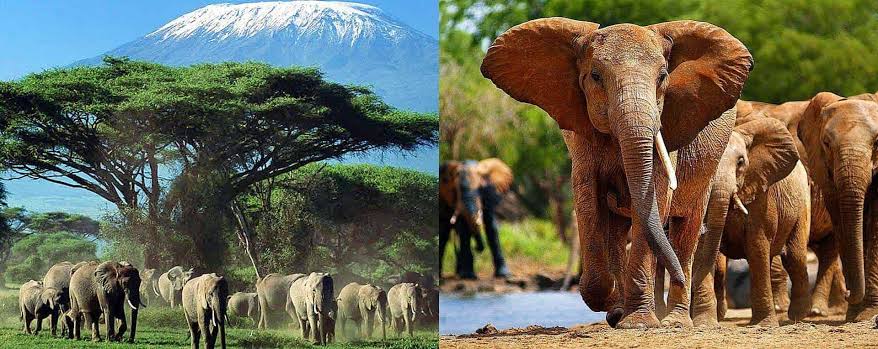
Which Kenya Parks Are Best for Elephants?
Kenya stands among the world’s most remarkable wildlife destinations, and its elephants remain one of the country’s greatest natural treasures. Every year, travelers from across the globe visit Kenya to witness these magnificent animals moving freely through ancient landscapes, crossing open plains, gathering around waterholes, and interacting within close family groups. Elephants represent strength, intelligence, and the deep connection between wildlife and the African environment.
Choosing the best Kenya parks for elephants creates an unforgettable safari experience. Each park offers a different view of elephant life, from large herds walking beneath the shadow of Mount Kilimanjaro to elephants roaming through dry wilderness areas searching for water. Kenya’s protected areas provide safe habitats where visitors can observe elephants while supporting conservation efforts that protect these animals for future generations.
For travelers planning an African safari, understanding where to find the highest elephant populations, the best viewing opportunities, and the unique features of each destination helps create a more meaningful journey. Kenya offers several world-class parks where elephants thrive, but a few destinations stand out because of their landscapes, conservation success, and exceptional wildlife experiences.
Combined Uganda, Kenya, Rwanda and Tanzania Safaris
17 days Kenya Tanzania and Uganda safari
19 Days Uganda Kenya and Tanzania Safari
16 Days Kenya Tanzania and Uganda Safari
14 Days Kenya Uganda and Tanzania Safari
14 Days Kenya Uganda and Rwanda Safari
12 Day Gorilla Trekking and Tanzania Safari
Amboseli National Park: Kenya’s Most Famous Elephant Destination
Amboseli National Park remains one of the most iconic places in Africa to see elephants. Located in southern Kenya near the Tanzania border, the park creates a breathtaking setting where large elephant herds walk across open grasslands with Mount Kilimanjaro rising in the background. This combination of wildlife and scenery makes Amboseli one of the most photographed safari destinations in the world.
The park offers some of the best elephant viewing opportunities because researchers and conservation experts have studied its elephant population for decades. Many elephants in Amboseli have become well known because visitors can recognize individual animals and learn about their family structures, behaviors, and daily movements. This long-term protection has helped create one of Africa’s most valuable elephant conservation areas.
Amboseli’s landscape also makes elephant sightings easier compared to many other parks. The open plains allow visitors to watch elephants from a safe distance as they feed, walk, and gather near wetlands. During the dry season, elephants often concentrate around water sources, creating incredible opportunities for wildlife observation.
Beyond elephants, Amboseli provides a complete safari experience with lions, buffaloes, giraffes, zebras, and many bird species. However, elephants remain the true stars of this destination. Travelers who dream of seeing African elephants against a dramatic mountain backdrop will find Amboseli difficult to match.
Tsavo East National Park: Home of Kenya’s Largest Elephant Population
Tsavo East National Park is one of Kenya’s largest and most important wildlife areas. Covering thousands of square kilometers, this vast wilderness provides elephants with the space they need to move naturally across diverse landscapes. The park hosts one of the biggest elephant populations in Kenya, making it a top destination for travelers who want to experience elephants in a truly wild environment.
One of Tsavo East’s most famous features is its red-colored elephants. The elephants here often appear covered in a reddish dust because they roll and walk through the park’s unique red soil. This creates a fascinating sight that visitors rarely experience anywhere else in Africa. The contrast between the red elephants, golden savannah, and rugged landscapes creates unforgettable safari memories.
The park’s size allows elephants to display natural behaviors. Visitors can watch large herds traveling together, mothers protecting young calves, and elephants gathering near rivers and waterholes. The remote atmosphere also gives travelers a feeling of exploring untouched Africa.
Tsavo East offers more than elephant encounters. The park protects lions, leopards, cheetahs, giraffes, hippos, crocodiles, and hundreds of bird species. Its combination of wildlife diversity, dramatic scenery, and huge elephant numbers makes it one of Kenya’s most rewarding safari destinations.
For travelers seeking a less crowded experience with authentic wilderness, Tsavo East provides an excellent opportunity to connect with elephants in their natural environment.
Tsavo West National Park: A Scenic Haven for Elephant Encounters
Tsavo West National Park complements its eastern neighbor with a different style of safari experience. While Tsavo East offers wide open landscapes, Tsavo West features volcanic hills, lava fields, forests, springs, and dramatic viewpoints. These varied environments create a beautiful background for observing elephants and other wildlife.
Elephants in Tsavo West move through diverse habitats, including woodland areas and open plains. The park’s natural springs, especially areas around Mzima Springs, attract wildlife and provide excellent opportunities for visitors to observe animals gathering around water. During dry periods, these locations become important areas where elephants come to drink and cool themselves.
Tsavo West also provides a more scenic safari atmosphere. Travelers can enjoy views of volcanic landscapes, explore unique geological formations, and experience the quiet beauty of Kenya’s wilderness. The park’s fewer crowds allow visitors to enjoy peaceful wildlife moments without the busy feeling found in some popular destinations.
Another advantage of Tsavo West is its connection with conservation programs that protect elephants and other endangered species. The park plays an important role in maintaining wildlife corridors that allow elephants to move between different habitats.
For travelers who want beautiful landscapes combined with excellent elephant sightings, Tsavo West offers a balanced safari experience filled with adventure, nature, and discovery.
Samburu National Reserve: Unique Elephant Experiences in Northern Kenya
Samburu National Reserve offers a completely different elephant safari experience in northern Kenya. Located along the Ewaso Ng’iro River, this dry and beautiful landscape provides a special environment where elephants have adapted to challenging conditions. The reserve is famous for its unique wildlife species, dramatic scenery, and strong conservation efforts.
Elephants in Samburu are often seen moving through river areas, woodland habitats, and dry open landscapes. The river plays an important role in supporting wildlife, especially during dry seasons when water becomes limited. Visitors can often watch elephants drinking, bathing, and interacting near the riverbanks.
The reserve also provides opportunities to learn about elephant conservation. Local communities and conservation organizations work together to protect wildlife and maintain peaceful relationships between people and elephants. This approach creates a sustainable tourism model where visitors contribute to protecting Kenya’s natural heritage.
Samburu’s remote location adds to its appeal. The reserve offers fewer crowds compared to some southern parks, allowing travelers to enjoy more private and authentic wildlife experiences. The landscape also supports rare species such as the Grevy’s zebra, reticulated giraffe, and Somali ostrich.
For visitors searching for a unique elephant adventure away from traditional safari routes, Samburu delivers a memorable combination of wildlife, culture, and breathtaking northern Kenya scenery.
Masai Mara National Reserve: Elephants in Kenya’s Famous Wildlife Landscape
The Masai Mara National Reserve is one of Africa’s most famous safari destinations. Although the reserve is best known for the Great Migration and large populations of lions, it also provides excellent opportunities to see elephants. These gentle giants move across the Mara’s open grasslands, creating unforgettable moments for safari travelers.
The Mara’s rich ecosystem supports healthy elephant populations because it offers abundant vegetation and wide spaces for movement. Visitors can often see elephants walking through the plains, feeding near forests, or crossing areas close to rivers. Their presence adds another layer of beauty to an already spectacular wildlife destination.
One of the greatest advantages of visiting the Masai Mara is the variety of experiences available in one location. Travelers can combine elephant sightings with encounters involving the Big Five, dramatic predator action, and cultural experiences with local communities. This makes the Mara an ideal destination for visitors who want a complete Kenya safari.
The reserve also supports conservation initiatives that protect wildlife habitats and encourage responsible tourism. By visiting the Mara through ethical safari operators, travelers help support the continued protection of elephants and other species.
While elephants may not be the only reason people visit the Masai Mara, their presence enhances the park’s reputation as one of Kenya’s most unforgettable wildlife destinations.
Meru National Park: A Hidden Gem for Elephant Lovers
Meru National Park offers one of Kenya’s most underrated elephant safari experiences. Located in eastern Kenya, this beautiful park combines rivers, forests, grasslands, and wetlands to create a rich environment for elephants and other wildlife. Its peaceful atmosphere makes it an excellent choice for travelers who prefer a quieter safari experience.
Elephants in Meru benefit from the park’s diverse habitats and conservation history. The area has played an important role in elephant protection and wildlife restoration. Today, visitors can enjoy sightings of elephants moving through forests, crossing open areas, and gathering around water sources.
The park’s lower visitor numbers create a more exclusive feeling. Travelers often experience longer wildlife encounters without large numbers of vehicles surrounding animals. This peaceful environment allows visitors to appreciate elephant behavior in a more natural setting.
Meru also offers impressive biodiversity. The park protects lions, leopards, cheetahs, rhinos, giraffes, zebras, and many bird species. Its beautiful landscapes and successful conservation programs make it an exciting destination for experienced safari travelers.
For those seeking a hidden treasure in Kenya’s safari circuit, Meru National Park provides a rewarding elephant experience filled with adventure, privacy, and authentic wilderness.
Best Time to Visit Kenya for Elephant Safaris
Choosing the right time to visit Kenya can greatly improve your elephant safari experience. Although elephants live in Kenya’s parks throughout the year, seasonal changes influence their movements, visibility, and behavior.
The dry seasons, usually from June to October and January to March, often provide some of the best elephant viewing opportunities. During these periods, water sources become limited, causing elephants and other wildlife to gather around rivers, springs, and waterholes. The thinner vegetation also makes it easier to spot animals across open landscapes.
The rainy seasons bring fresh vegetation and beautiful green scenery. During this time, elephants spread across larger areas because water becomes widely available. Travelers who enjoy photography often appreciate this period because the landscapes become vibrant and dramatic.
Each season offers something special. The dry months provide easier wildlife viewing, while the rainy months offer beautiful scenery and fewer visitors. Working with an experienced safari company helps travelers choose the best travel period based on their interests.
A well-planned elephant safari considers weather, park conditions, wildlife movements, and personal preferences. Kenya’s parks provide incredible elephant experiences throughout the year, making every season valuable.
Responsible Tourism and Protecting Kenya’s Elephants
Elephant conservation depends on responsible tourism and strong protection programs. Kenya has made significant efforts to safeguard elephant populations through national parks, wildlife reserves, research projects, and community partnerships.
Visitors play an important role in this conservation journey. Choosing ethical safari operators, respecting wildlife rules, and supporting conservation-focused tourism helps protect elephant habitats. Responsible travelers maintain safe distances from animals, avoid disturbing wildlife, and follow professional guides’ instructions.
Tourism also provides financial support for conservation efforts. Revenue from park visits helps fund wildlife protection, anti-poaching programs, habitat management, and community development projects. When travelers choose Kenya for elephant safaris, they contribute directly to preserving Africa’s natural heritage.
Supporting local communities also strengthens conservation. Many successful wildlife programs involve nearby communities by creating employment opportunities and encouraging people to protect animals living near their homes.
The future of Kenya’s elephants depends on cooperation between conservation organizations, communities, governments, and responsible travelers. By choosing sustainable safari experiences, visitors become part of a larger mission to protect these incredible animals for generations to come.
Conclusion: Experience the Magic of Kenya’s Elephant Safaris
Kenya offers some of the finest elephant safari experiences in Africa. From the iconic landscapes of Amboseli to the vast wilderness of Tsavo East, every destination provides a unique opportunity to witness these extraordinary animals in their natural habitat.
Amboseli remains the classic choice for unforgettable elephant photography, while Tsavo delivers incredible encounters with some of Kenya’s largest elephant populations. Samburu introduces travelers to northern Kenya’s unique environment, and destinations like Meru and Tsavo West offer peaceful and scenic wildlife adventures.
Choosing the best Kenya park for elephants depends on the type of experience you want. Whether you dream of watching elephants beneath Mount Kilimanjaro, following herds across remote wilderness, or enjoying a quiet conservation‑focused safari, Kenya offers the perfect destination. With trusted operators such as Giant Holiday Safaris, travelers can enjoy expertly guided journeys that combine adventure, conservation, and authentic cultural encounters.
A Kenya elephant safari is more than a wildlife trip. It is a journey into nature, conservation, and the heart of Africa. With careful planning and responsible travel choices supported by experienced operators like Giant Holiday Safaris visitors can create powerful memories while contributing to the protection of one of the world’s most loved animals. Kenya continues to stand as a leading destination for elephant experiences, offering travelers an authentic connection with Africa’s wild beauty.