Which Kenya Safaris Are Best for Lions?
July 24, 2026
Can You Use Drones in Kenya Safari Parks?
July 24, 2026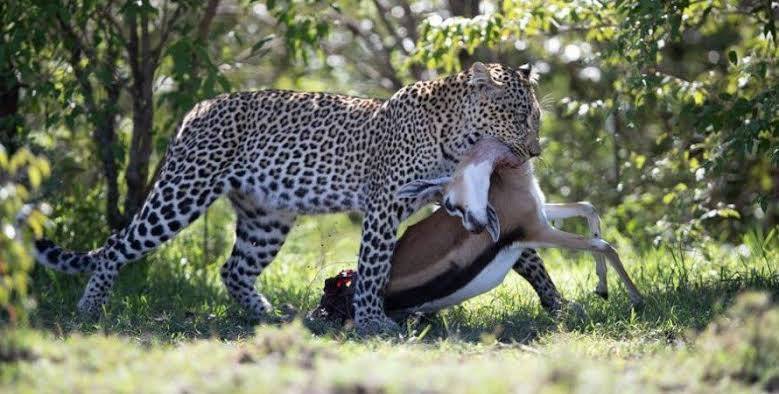
Can You See Leopards in Masai Mara?
The Masai Mara National Reserve in Kenya stands among Africa’s most famous safari destinations, offering travelers a rare opportunity to experience incredible wildlife in its natural environment. While many visitors dream of seeing lions, elephants, and the Great Migration, the chance to spot a leopard creates one of the most unforgettable moments on an African safari. Leopards represent the beauty of patience, strength, and mystery. These powerful cats move quietly through the wilderness, often hidden among trees, grasslands, and rocky areas.
Yes, you can see leopards in Masai Mara. However, finding one requires expert knowledge, careful observation, and the right safari approach. Unlike lions that often rest in open areas, leopards prefer privacy and spend much of their time away from busy locations. Their secretive nature makes every sighting feel special and rewarding.
At our Africa tourism brand, we understand that travelers want more than a simple wildlife tour. They want authentic experiences, expert guidance, and meaningful connections with nature. Masai Mara delivers this experience through its diverse landscapes, skilled safari guides, and rich wildlife population.
Combined Uganda, Kenya, Rwanda and Tanzania Safaris
17 days Kenya Tanzania and Uganda safari
19 Days Uganda Kenya and Tanzania Safari
16 Days Kenya Tanzania and Uganda Safari
14 Days Kenya Uganda and Tanzania Safari
14 Days Kenya Uganda and Rwanda Safari
12 Day Gorilla Trekking and Tanzania Safari
Why Masai Mara Is One of the Best Places to See Leopards in Africa
Masai Mara provides one of the strongest environments for leopard sightings in East Africa because it combines rich wildlife, diverse habitats, and a healthy ecosystem. The reserve supports a large population of prey animals, including gazelles, impalas, and young wildebeest. Since leopards depend on these animals for survival, the availability of food helps maintain their presence in the area.
The landscape also creates perfect hiding places for these skilled hunters. Leopards enjoy areas with thick bushes, river forests, and scattered trees where they can rest during the day and hunt when conditions become favorable. The Mara River and surrounding woodland areas provide excellent habitats because they offer shade, water, and opportunities for surprise attacks.
Moreover, Masai Mara has experienced safari guides who understand leopard behavior. Their knowledge of animal movements, territorial patterns, and preferred resting areas increases the chances of finding these beautiful cats. Experienced guides know how to read tracks, recognize signs of activity, and explore areas where leopards commonly appear.
Unlike some wildlife destinations where leopard sightings remain extremely rare, Masai Mara gives travelers a realistic opportunity to encounter these animals. Although no safari can guarantee a sighting, the reserve offers one of the best chances in Africa when you combine the right location, timing, and professional guidance.
Understanding Leopard Behavior in Masai Mara
Leopards are among Africa’s most fascinating predators because they combine power with incredible intelligence. These cats are masters of survival and have developed unique behaviors that help them avoid danger while successfully hunting. Understanding their behavior improves your safari experience because you begin to appreciate the small signs that reveal their presence.
Leopards usually prefer solitude. Unlike lions that live in prides, leopards spend most of their lives alone. They carefully protect their territories and often move quietly through their environment. During the day, they commonly rest on tree branches where they can escape heat, avoid insects, and watch nearby activity.
One of the most impressive leopard behaviors involves their ability to carry prey into trees. Leopards often drag their kills upward to protect their food from other predators such as lions and hyenas. Seeing a leopard resting on a tree branch or feeding high above the ground creates a remarkable safari memory.
Furthermore, leopards become more active during early mornings and late afternoons. These cooler periods allow them to move comfortably while searching for prey. This behavior explains why many professional safari operators schedule game drives around sunrise and sunset.
When visitors understand these patterns, they develop greater appreciation for the patience required during wildlife viewing. A leopard sighting is not only about seeing the animal; it is about understanding the incredible lifestyle of one of Africa’s most adaptable predators.
The Best Areas to Find Leopards in Masai Mara
Although leopards live throughout Masai Mara, some areas provide better opportunities for sightings because they offer suitable habitats and abundant prey. Experienced safari guides often focus on locations where leopard activity appears more frequently.
The Mara River region remains one of the popular areas for leopard encounters. The river environment supports many animals and provides natural cover through trees and bushes. Leopards use these areas as hunting grounds because prey animals often gather nearby for water and protection.
The Talek River area also offers excellent opportunities for leopard sightings. This region combines open grasslands with woodland sections, creating a perfect balance between hunting areas and hiding spaces. Leopards can easily move between different environments while remaining protected.
Furthermore, the areas around Musiara Marsh attract wildlife enthusiasts because the habitat supports many animals. The combination of water sources, vegetation, and prey availability makes this region attractive for predators.
Private conservancies surrounding Masai Mara can also provide outstanding leopard experiences. These conservancies usually have fewer vehicles compared to the main reserve, creating a quieter environment. With fewer distractions, guides can spend more time observing animal behavior and following possible leopard movements.
Choosing the right safari location plays a major role in improving your chances. A well-planned itinerary that includes different habitats allows travelers to experience the full beauty of Masai Mara’s wildlife ecosystem.
The Best Time to See Leopards in Masai Mara
Leopards live in Masai Mara throughout the year, which means travelers can search for them during every season. However, certain periods can create better viewing conditions because of wildlife movements, weather patterns, and animal behavior.
The dry seasons, especially from June to October, offer excellent opportunities for wildlife viewing. During this period, vegetation becomes thinner, making animals easier to spot. Additionally, many animals gather around water sources, which increases predator activity in certain areas.
The months between July and October attract many visitors because of the Great Migration. Millions of wildebeest and zebras move through the Mara ecosystem, creating a dramatic wildlife event. Although many travelers focus on river crossings, the increased prey population also creates opportunities to observe predators, including leopards.
The green season from November to May also offers unique advantages. During this time, the landscape becomes beautiful with fresh vegetation and fewer tourists. Young animals appear across the plains, attracting predators and creating exciting wildlife interactions.
Early morning and late afternoon game drives remain the best times to search for leopards regardless of the season. The cooler temperatures encourage movement, while the soft natural light creates excellent photography opportunities.
A successful leopard safari depends on patience, expert guidance, and spending enough time in the reserve. Longer stays increase your chances because wildlife follows natural patterns rather than visitor schedules.
How Safari Guides Track Leopards in Masai Mara
Finding a leopard requires experience, observation skills, and deep knowledge of the environment. Professional safari guides play a major role in creating successful leopard encounters because they understand the signs that many visitors might miss.
Guides begin by studying animal behavior and environmental clues. They look for footprints, movement patterns, bird reactions, and changes in prey activity. For example, certain bird calls may indicate predator movement nearby. Experienced guides also communicate with other safari teams to share information about recent wildlife activity.
Additionally, guides understand individual leopard territories. Many leopards establish specific areas where they hunt, rest, and raise their young. By learning these patterns, guides can increase the possibility of finding specific animals.
However, ethical wildlife viewing remains important. Responsible guides respect animal space and avoid disturbing natural behavior. Quality safari experiences focus on observation rather than interference. This approach protects wildlife while allowing visitors to enjoy authentic encounters.
Working with knowledgeable guides transforms a normal game drive into an educational journey. Travelers learn about ecosystems, conservation, animal behavior, and the importance of protecting Africa’s natural heritage.
What Makes a Leopard Sighting in Masai Mara Special?
A leopard sighting creates one of the most powerful moments during an African safari because these cats represent rarity and elegance. While Masai Mara contains many famous animals, leopards often create a deeper sense of excitement because they remain difficult to find.
The moment a leopard appears from thick vegetation or rests quietly on a tree branch creates a connection between humans and nature. Travelers witness a wild animal living according to its own instincts, without human control or interference.
Furthermore, leopard sightings offer incredible photography opportunities. Their spotted coats, powerful movements, and graceful behavior create unforgettable images. Whether a leopard walks through golden grass, climbs a tree, or watches the plains from a hidden position, every moment feels unique.
Beyond photography, seeing a leopard teaches valuable lessons about adaptation and survival. These animals demonstrate patience, intelligence, and resilience. Their ability to thrive in challenging environments shows the importance of protecting natural ecosystems.
For many travelers, a leopard encounter becomes the highlight of their Kenya safari. It represents the true meaning of adventure: experiencing something rare, authentic, and deeply connected to the natural world.
Tips to Increase Your Chances of Seeing Leopards in Masai Mara
Seeing a leopard requires preparation, patience, and choosing the right safari experience. Although nature always remains unpredictable, travelers can follow several strategies to improve their chances.
First, spend enough days inside Masai Mara. A short visit may limit wildlife opportunities because animals move freely across large areas. A longer safari provides more time to explore different locations and observe changing wildlife patterns.
Second, choose experienced safari operators with knowledgeable guides. Local expertise creates a major advantage because guides understand the reserve’s environment and animal behavior.
Third, start game drives early. Morning hours often provide some of the best wildlife activity because predators remain active before temperatures increase.
Additionally, remain patient during drives. Wildlife viewing requires time and attention. Sometimes the most rewarding sightings happen after careful searching rather than immediate discovery.
Finally, respect the natural environment. Avoid loud behavior, follow park guidelines, and allow animals to behave naturally. Responsible tourism protects wildlife and ensures future generations can enjoy the same experiences.
Why Masai Mara Should Be on Every Wildlife Traveler’s Bucket List
Masai Mara offers far more than leopard sightings. It provides a complete African safari experience filled with breathtaking landscapes, cultural connections, and unforgettable wildlife encounters. From the endless grasslands to the dramatic movements of the Great Migration, every part of the reserve tells a story.
Leopards represent one of the many reasons travelers choose Masai Mara. Their mysterious nature creates excitement and reminds visitors that true adventure comes from exploring the unknown. Every game drive brings new possibilities, whether spotting a leopard resting in a tree, watching elephants cross the plains, or observing lions during a hunt.
Moreover, Masai Mara supports conservation efforts that protect wildlife and local communities. Choosing responsible safari experiences helps strengthen the future of African tourism while preserving these incredible ecosystems.
For travelers seeking authenticity, beauty, and adventure, Masai Mara remains one of the world’s greatest destinations. A leopard encounter here does not simply become a photograph or memory; it becomes a life-changing experience that connects people with the wild heart of Africa.
Conclusion: Experience the Magic of Leopard Safaris in Masai Mara
So, can you see leopards in the Masai Mara? Absolutely. While these magnificent cats remain elusive, the reserve provides one of Africa’s best environments for encountering them. The combination of rich wildlife, diverse habitats, expert guides, and responsible safari practices creates exceptional opportunities for unforgettable leopard experiences.
A successful leopard safari requires patience, proper planning, and respect for nature. Every moment spent searching through the wilderness adds excitement and appreciation for Africa’s incredible ecosystems. With trusted operators such as Giant Holiday Safaris, travelers benefit from expert guidance that maximizes their chances of sightings while ensuring responsible and ethical wildlife encounters.
Masai Mara continues to inspire travelers from around the world because it offers genuine wildlife experiences that connect people with nature. Whether you are visiting Kenya for the first time or returning for another adventure, the possibility of seeing a leopard moving silently across the plains makes every journey special.