The Best Kenya Safari Camps for Honeymooners
July 28, 2026
What Is the Best Safari for Teenagers
July 28, 2026
What Cultural Experiences Can You Enjoy in Kenya?
Kenya offers far more than breathtaking wildlife and beautiful landscapes. It welcomes travelers into a vibrant world filled with living traditions, colorful celebrations, rich history, and warm hospitality. Every region introduces a unique way of life that has developed over generations. From the lively streets of Nairobi to the peaceful villages around Lake Victoria, every journey creates meaningful opportunities to connect with local communities and understand Kenya’s diverse cultural identity.
More than 40 ethnic communities call Kenya home, and each one contributes its own language, customs, music, dance, food, clothing, and ceremonies. As a result, cultural tourism in Kenya delivers authentic experiences that go beyond sightseeing. Visitors can join traditional festivals, learn local crafts, enjoy home-cooked meals, listen to ancient stories, and discover the customs that shape everyday life.
Kenya also continues to preserve its cultural heritage while embracing modern development. Museums protect valuable artifacts, cultural centers keep traditions alive, and local communities proudly share their history with visitors. This balance creates rewarding travel experiences for people seeking genuine connections with African culture.
Whether you travel for adventure, education, photography, or personal discovery, Kenya offers unforgettable cultural encounters that enrich every journey. Exploring these traditions allows visitors to appreciate the country’s diversity while supporting local communities that work hard to preserve their heritage for future generations.
Combined Uganda, Kenya, Rwanda and Tanzania Safaris
17 days Kenya Tanzania and Uganda safari
19 Days Uganda Kenya and Tanzania Safari
16 Days Kenya Tanzania and Uganda Safari
14 Days Kenya Uganda and Tanzania Safari
14 Days Kenya Uganda and Rwanda Safari
12 Day Gorilla Trekking and Tanzania Safari
Discover Kenya’s Diverse Ethnic Communities
Kenya’s greatest cultural treasure lies in its people. The country is home to more than 40 ethnic groups, each with its own traditions, beliefs, language, music, and customs. Every community tells a different story, creating one of Africa’s richest cultural landscapes.
The Maasai remain among Kenya’s most recognized communities. Their colorful red clothing, impressive beadwork, traditional dances, and close relationship with nature attract visitors from around the world. Spending time in a Maasai village offers valuable insight into daily life, livestock keeping, traditional homes, and community values.
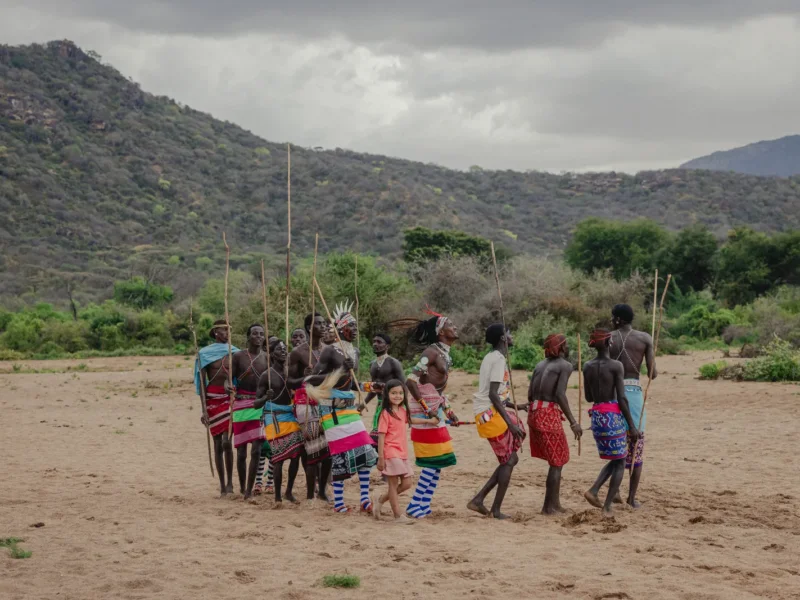
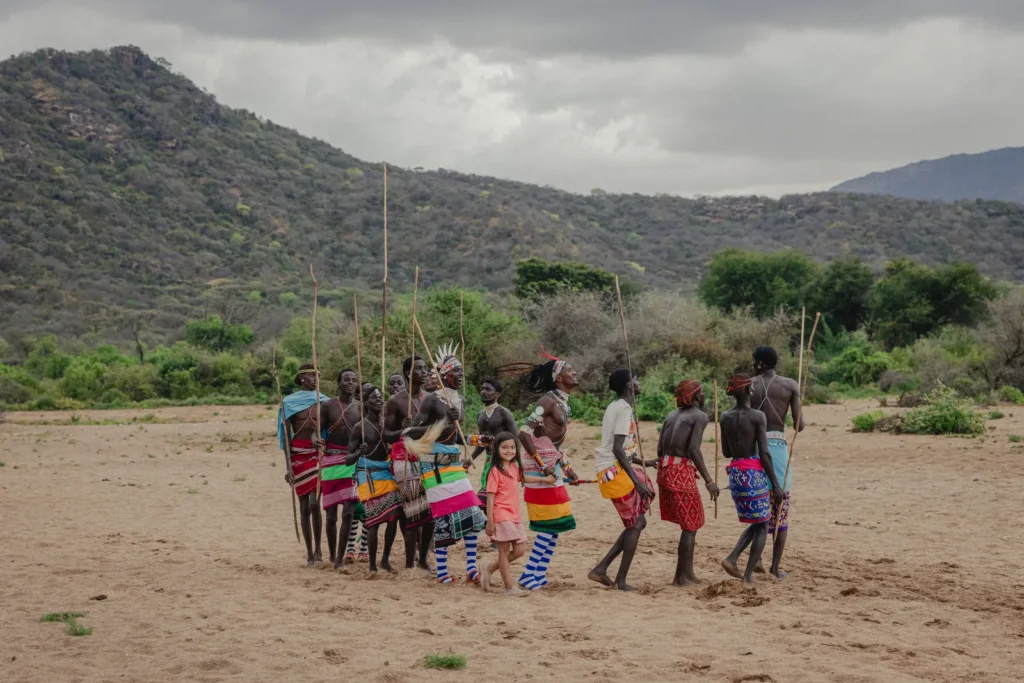
The Samburu share several cultural similarities with the Maasai while maintaining unique customs and ceremonies. Their vibrant attire, handcrafted jewelry, and traditional songs create memorable experiences for cultural travelers.
The Kikuyu, Kenya’s largest ethnic group, provide another fascinating perspective. Their traditions center on agriculture, family, storytelling, and community cooperation. Visitors can learn about farming practices, traditional ceremonies, and local crafts that continue to shape rural life.
Meanwhile, the Luo people around Lake Victoria celebrate music, fishing traditions, and storytelling. Their cultural heritage reflects a deep connection to the lake, family, and community celebrations. The Luhya, Kamba, Kisii, Turkana, Meru, and many other communities also contribute unique traditions that enrich Kenya’s cultural identity.
Each community offers different experiences, making cultural travel in Kenya both educational and deeply rewarding. Respectful interaction with local people allows visitors to gain authentic knowledge while supporting cultural preservation and sustainable tourism.
Experience Traditional Maasai Culture
The Maasai represent one of Kenya’s most iconic cultural communities. Their traditions continue to inspire travelers who want to experience authentic African heritage beyond wildlife safaris.
A visit to a Maasai village introduces guests to traditional manyattas, which are homes built using natural materials such as mud, sticks, and grass. Community members often welcome visitors with energetic singing and jumping dances that showcase strength, unity, and celebration.
Guests can learn about the important role cattle play in Maasai society. Livestock represents wealth, social status, and family heritage. Local guides often explain how cattle support daily life through food, ceremonies, and traditional practices.
Visitors also discover the incredible craftsmanship behind Maasai beadwork. Every necklace, bracelet, and ornament carries symbolic meaning through carefully selected colors and patterns. Purchasing handmade crafts directly from local artisans supports community income while preserving traditional skills.
Storytelling remains another unforgettable part of the experience. Elders share legends, history, and wisdom that connect younger generations to their ancestors. These stories reveal how the Maasai have adapted over time while maintaining their cultural identity.
Travelers should always respect local customs by asking permission before taking photographs, dressing modestly, and following guidance from community leaders. Responsible cultural tourism creates meaningful exchanges that benefit both visitors and local families.
Explore Kenya’s Traditional Music and Dance
Music and dance form the heartbeat of Kenyan culture. Every community expresses joy, history, spirituality, and identity through rhythmic performances that have survived for generations.
Traditional dances often celebrate important life events such as births, weddings, harvests, and coming-of-age ceremonies. Different communities perform unique dances using distinctive movements, costumes, instruments, and songs.
The Maasai jumping dance remains one of Kenya’s most recognizable cultural performances. Young warriors leap high into the air while singing in harmony, demonstrating strength, endurance, and unity. Visitors often enjoy watching these performances during cultural village visits.
Along the coast, Swahili communities combine African, Arab, and Indian influences to create graceful musical traditions featuring drums, poetry, and melodic singing. Inland communities use drums, horns, rattles, and string instruments to accompany energetic dances that bring entire villages together.
Modern Kenya also celebrates cultural diversity through festivals where traditional performances share the stage with contemporary music. These events highlight the country’s evolving cultural identity while honoring its historical roots.
Many cultural centers invite visitors to participate in dance workshops where they can learn simple steps and understand the meaning behind different performances. Joining these activities creates lasting memories while encouraging appreciation for Kenya’s living traditions.
Traditional music continues to unite generations, preserve local history, and strengthen community bonds. Every performance offers visitors a deeper understanding of Kenya’s cultural richness.
Taste Kenya’s Traditional Cuisine
Food provides one of the most enjoyable ways to experience Kenya’s culture. Traditional meals reflect local ingredients, regional climates, and generations of culinary knowledge passed down through families.
Ugali stands as Kenya’s most popular staple food. Made from maize flour, it pairs perfectly with vegetables, meat, fish, or traditional stews. Many families prepare ugali daily, making it an essential part of Kenyan dining culture.
Nyama Choma, or roasted meat, remains a favorite across the country. Friends and families gather around freshly grilled beef, goat, or chicken while sharing stories and celebrating together. The meal represents friendship, hospitality, and community spirit.
Visitors exploring the coast discover delicious Swahili cuisine influenced by centuries of trade across the Indian Ocean. Coconut milk, spices, seafood, rice, and tropical fruits create flavorful dishes that reflect Kenya’s multicultural heritage.
Near Lake Victoria, fresh fish forms an important part of local cuisine. Communities prepare tilapia using traditional recipes that highlight regional cooking techniques and locally grown ingredients.
Traditional beverages also enrich the dining experience. Fresh fruit juices, locally grown tea, and Kenyan coffee introduce travelers to the country’s agricultural excellence.
Joining a cooking class or sharing a meal with a local family allows visitors to understand the cultural significance behind each dish. These experiences often create stronger memories than simply dining in restaurants because they encourage conversation, learning, and genuine cultural exchange.
Visit Kenya’s Historic Sites and Museums
Kenya’s history stretches back thousands of years, and its museums and heritage sites preserve fascinating stories that continue to shape the nation today.
The Nairobi National Museum introduces visitors to Kenya’s cultural diversity, archaeological discoveries, natural history, and artistic heritage. Interactive exhibits provide valuable insight into the country’s people, wildlife, and historical development.
Fort Jesus in Mombasa reflects centuries of trade, exploration, and conflict along the East African coast. The historic fortress demonstrates the influence of Portuguese, Arab, African, and European cultures that shaped coastal Kenya.
The Karen Blixen Museum offers another important cultural attraction. Visitors explore the former home of the famous author while learning about Kenya’s colonial history and changing society.
Lamu Old Town remains one of East Africa’s oldest continuously inhabited settlements. Narrow streets, coral stone buildings, carved wooden doors, and centuries-old mosques showcase the enduring beauty of Swahili architecture. Walking through the town feels like stepping into a living museum where traditions remain part of everyday life.
Several community museums across Kenya also preserve local customs, traditional tools, ancient artifacts, and oral history. These smaller museums provide authentic opportunities to learn directly from local guides who share personal knowledge about their communities.
Exploring Kenya’s historical sites allows travelers to appreciate the country’s remarkable journey while gaining a deeper understanding of its cultural identity.
Join Kenya’s Colorful Festivals and Cultural Celebrations
Festivals bring Kenya’s cultures to life through music, dance, art, storytelling, food, and community gatherings. These celebrations provide excellent opportunities to witness traditions that continue to thrive across the country.
The Lamu Cultural Festival showcases Swahili heritage through dhow sailing competitions, traditional dances, poetry, local cuisine, and donkey races. Visitors experience the unique atmosphere of one of Kenya’s oldest coastal communities.
The Lake Turkana Cultural Festival brings together northern Kenya’s diverse communities. Participants proudly display traditional clothing, jewelry, music, dances, and ceremonies while promoting peace and cultural understanding.
Throughout the year, agricultural festivals, harvest celebrations, and regional cultural events take place across the country. These gatherings strengthen community relationships while preserving customs for younger generations.
Many festivals include craft exhibitions where local artisans display handwoven baskets, carved wooden sculptures, colorful textiles, pottery, and beadwork. Purchasing these handmade products directly supports local families and encourages traditional craftsmanship.
Visitors should approach festivals with curiosity and respect. Learning basic cultural etiquette, asking permission before photographing participants, and supporting local vendors all contribute to positive cultural exchanges.
Attending a Kenyan cultural festival creates unforgettable memories because travelers witness traditions as they naturally unfold within local communities rather than through staged performances.
Learn Traditional Arts and Handcrafted Skills
Kenya’s artistic traditions reflect generations of creativity, skill, and cultural identity. Handmade crafts continue to play an important role in both daily life and the tourism industry.
Maasai beadwork remains among Kenya’s most admired art forms. Skilled artisans carefully arrange colorful beads into necklaces, bracelets, earrings, and decorative items that carry symbolic meanings connected to age, family, courage, and social status.
Wood carving also flourishes in many regions. Kenyan artists transform local hardwood into wildlife sculptures, masks, decorative bowls, furniture, and household items using techniques passed down through generations.
Basket weaving represents another valuable tradition. Communities use natural fibers to create practical and decorative baskets that serve homes while preserving cultural designs unique to each region.
Textile production adds another layer to Kenya’s artistic heritage. Colorful fabrics, hand-dyed materials, embroidered garments, and traditional clothing reflect local identity while supporting small businesses.
Many cultural centers offer workshops where visitors learn directly from experienced artisans. These hands-on experiences help travelers appreciate the patience, creativity, and cultural meaning behind every handcrafted item.
Supporting local artists helps preserve valuable traditions while providing sustainable income for communities. Authentic handmade crafts also become meaningful souvenirs that carry the stories of the people who created them.
Experience Swahili Culture Along the Kenyan Coast
Kenya’s coastline offers one of Africa’s most fascinating cultural experiences through its rich Swahili heritage. Centuries of trade connected East Africa with Arabia, Persia, India, and beyond, creating a unique blend of traditions that remains vibrant today.
Walking through coastal towns reveals elegant coral stone buildings, carved wooden doors, peaceful courtyards, and narrow streets filled with history. Swahili architecture reflects centuries of cultural exchange while maintaining its own distinct identity.
Hospitality plays a central role in Swahili culture. Visitors often enjoy warm welcomes, flavorful cuisine, traditional coffee ceremonies, and conversations that highlight the importance of community and respect.
The Swahili language also serves as an important cultural bridge across East Africa. Learning simple greetings such as “Jambo” or “Asante” helps visitors build meaningful connections with local people and demonstrates appreciation for local customs.
Traditional dhow boats continue to sail along the Indian Ocean, reminding visitors of the maritime history that shaped the region for generations. Local markets display spices, handcrafted jewelry, textiles, and fresh seafood that reflect the area’s multicultural heritage.
Exploring Kenya’s coastal culture offers a different perspective from safari experiences. Together, these cultural encounters reveal the remarkable diversity that makes Kenya one of Africa’s most rewarding
Conclusion
Kenya offers an extraordinary collection of cultural experiences that inspire, educate, and create lasting memories. Every journey introduces travelers to diverse communities, vibrant traditions, remarkable history, flavorful cuisine, captivating music, colorful festivals, and skilled artisans who proudly preserve their heritage.
Cultural tourism allows visitors to move beyond popular attractions and develop meaningful connections with local people. Every conversation, shared meal, dance performance, craft workshop, and historical site adds depth to the travel experience while supporting community development and cultural preservation.
Kenya continues to demonstrate that its greatest strength lies not only in its wildlife and landscapes but also in the richness of its people and traditions. Visitors who embrace respectful cultural exploration leave with a greater appreciation for Africa’s diversity and humanity.
Whether you explore the traditions of the Maasai, enjoy Swahili hospitality on the coast, celebrate local festivals, discover historical landmarks, or learn ancient artistic skills, Kenya delivers authentic experiences that remain unforgettable.