Can You Visit Maasai Villages on Safari?
July 27, 2026
What Are the Best Family Safari Lodges in Kenya?
July 27, 2026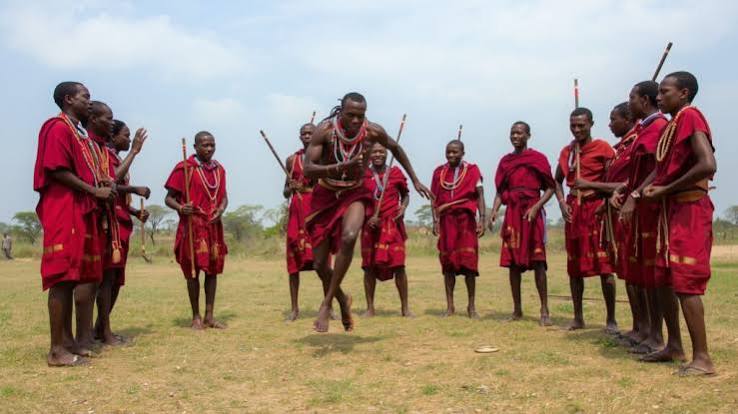
What Is Maasai Culture Like?
The Maasai culture stands among the most recognizable and respected cultural traditions in Africa. Known for colorful clothing, deep-rooted customs, strong family values, and a close relationship with nature, the Maasai people have preserved many of their traditions for centuries. Their unique way of life attracts travelers from every corner of the world who want to experience authentic African heritage beyond wildlife safaris.
The Maasai mainly live across southern Kenya and northern Tanzania, where vast savannahs provide the perfect setting for their pastoral lifestyle. While modern development has influenced many communities, the Maasai continue to celebrate their identity through ceremonies, traditional dress, music, dance, storytelling, and livestock keeping. Their culture reflects resilience, unity, and respect for both people and the environment.
Learning about Maasai culture offers visitors a deeper understanding of East Africa’s history and traditions. Instead of simply observing wildlife, travelers gain meaningful cultural experiences by interacting with Maasai communities, visiting traditional villages, and participating in local activities. These experiences create lasting memories while supporting community-based tourism and cultural preservation.
Combined Uganda, Kenya, Rwanda and Tanzania Safaris
17 days Kenya Tanzania and Uganda safari
19 Days Uganda Kenya and Tanzania Safari
16 Days Kenya Tanzania and Uganda Safari
14 Days Kenya Uganda and Tanzania Safari
14 Days Kenya Uganda and Rwanda Safari
12 Day Gorilla Trekking and Tanzania Safari
Who Are the Maasai People?
The Maasai are one of Africa’s most famous indigenous ethnic groups. They have lived across the Great Rift Valley region of Kenya and Tanzania for hundreds of years. Their history reflects strength, adaptability, and a deep commitment to preserving their traditions despite changing times.
Traditionally, the Maasai are semi nomadic pastoralists. Cattle form the center of their culture, economy, and social life. Rather than measuring wealth through money or property, many Maasai families traditionally measured prosperity by the number of cattle they owned. Livestock provides milk, food, income, and plays an important role during ceremonies, marriages, and community celebrations.
The Maasai organize their society around clans, families, and age groups. Every individual belongs to an age set that helps define responsibilities within the community. Young boys eventually become warriors, while older men take leadership roles and guide important community decisions. Women manage households, care for children, build traditional homes, and contribute greatly to family life.
Although many Maasai now attend school, work in business, conservation, tourism, and government, they continue to value their cultural identity. Modern education and technology have blended with traditional customs in many communities without replacing their heritage. This balance allows the Maasai to embrace new opportunities while protecting the traditions that define them.
Today, visitors admire the Maasai not only because of their distinctive appearance but also because of their hospitality, wisdom, resilience, and commitment to preserving one of Africa’s richest living cultures.
Traditional Maasai Lifestyle
The traditional Maasai lifestyle revolves around family, livestock, and community cooperation. Every aspect of daily life reflects generations of knowledge passed from elders to younger family members.
Most Maasai families live in small settlements known as “manyattas” or “enkangs.” These villages consist of several family homes surrounded by a protective fence made from thorny branches. The enclosure keeps livestock safe from predators during the night while bringing families together in a secure environment.
Women traditionally build the homes using mud, sticks, grass, and cow dung. Although these materials appear simple, they provide excellent insulation against both hot daytime temperatures and cool nights. Families often maintain these homes together, strengthening community bonds through shared responsibilities.
Livestock remains central to everyday life. Cattle, goats, and sheep graze across open grasslands under the watchful care of herders. Children begin learning livestock management at an early age, helping prepare them for future responsibilities within the community.
Community cooperation shapes daily activities. Families support one another during ceremonies, livestock care, house construction, and celebrations. Elders share wisdom, resolve conflicts, and teach cultural values that strengthen unity across generations.
Today, many Maasai communities combine traditional practices with modern lifestyles. Some families engage in farming, tourism, education, and entrepreneurship while maintaining their cultural traditions. This balance demonstrates how culture can evolve without losing its identity.
Maasai Clothing and Personal Adornment
Maasai clothing immediately captures attention because of its bold colors and elegant simplicity. Traditional attire reflects identity, pride, beauty, and cultural heritage rather than simply serving as everyday clothing.
The famous red shuka remains the most recognizable piece of Maasai clothing. Men and women wrap these brightly colored cloths around their bodies in different styles depending on the occasion. Although red remains the most popular color, blue, purple, orange, and checkered patterns have also become common.
Many people associate the red color with courage, strength, and protection. Bright colors also make it easier to recognize one another across the open plains where the Maasai traditionally herd livestock.
Jewelry holds great cultural importance. Skilled Maasai women create beautiful necklaces, bracelets, earrings, belts, anklets, and headpieces using colorful glass beads. Every design carries meaning, with different colors representing qualities such as peace, bravery, unity, health, prosperity, or love.
Personal adornment often changes according to age, marital status, and special ceremonies. During important celebrations, individuals wear elaborate beadwork that showcases exceptional craftsmanship passed down through generations.
Traditional sandals were once made from animal hides, although many people now wear modern footwear alongside traditional clothing. Hairstyles also carry cultural significance, especially during different stages of life.
Visitors often purchase authentic handmade beadwork directly from Maasai artisans. These purchases support local families while helping preserve traditional craftsmanship for future generations.
Maasai Language and Communication
Language plays an essential role in preserving Maasai culture. The Maasai primarily speak Maa, an indigenous language that connects communities across Kenya and Tanzania. Maa remains an important symbol of cultural identity and continues to thrive despite increasing use of national languages.
Many Maasai also speak Swahili, which serves as a common language across East Africa. In addition, younger generations increasingly learn English through formal education, making communication with international visitors easier than ever before.
Storytelling remains one of the strongest traditions within Maasai society. Elders share stories that teach moral values, history, bravery, respect, and community responsibilities. These stories help preserve cultural knowledge while strengthening family connections.
Songs and chants also play important roles in communication. Different songs accompany ceremonies, celebrations, livestock herding, and community gatherings. Music expresses emotions, marks important milestones, and reinforces social unity.
Respect defines everyday communication among the Maasai. Younger people show courtesy to elders through both language and behavior. Elders receive great honor because they preserve wisdom, guide families, and protect cultural traditions.
Visitors who learn a few simple Maa greetings often receive warm smiles and appreciation. Even small efforts to respect local language create stronger cultural connections and enrich travel experiences throughout Maasai communities.
Maasai Food and Daily Diet
The traditional Maasai diet reflects their pastoral lifestyle and close relationship with livestock. For generations, cattle have provided much of the food needed to sustain families across the East African plains.
Milk remains one of the most important daily foods. Families drink fresh milk regularly, and many also ferment it to create a nutritious traditional beverage. Milk provides valuable nutrients while reflecting the central role of cattle within Maasai society.
Meat also forms part of the traditional diet, particularly during ceremonies, festivals, weddings, and important community events. Rather than eating meat every day, many families reserve it for special occasions that bring relatives and neighbors together.
In the past, some traditional practices included consuming cattle blood in carefully controlled cultural settings. This custom served specific nutritional purposes and reflected deep cultural traditions. However, many modern Maasai communities have adapted their diets while maintaining respect for their heritage.
Today, the Maasai commonly eat maize meal, rice, beans, vegetables, potatoes, fruits, and other locally available foods alongside traditional livestock products. Increased access to markets has expanded food choices while improving nutritional diversity.
Hospitality remains a valued part of Maasai culture. Guests often receive food or milk as a welcoming gesture. Sharing meals strengthens friendships, builds trust, and demonstrates generosity toward visitors from around the world.
Travelers who visit Maasai villages often enjoy opportunities to sample traditional foods while learning about their cultural significance directly from local community members.
Maasai Traditions and Ceremonies
Ceremonies stand at the heart of Maasai cultural life. These important events celebrate major life transitions while bringing families and entire communities together in joyful gatherings.
One of the most significant traditions involves age set ceremonies. Boys progress through different stages of life before becoming respected adults within the community. Each stage carries specific responsibilities, lessons, and expectations that prepare individuals for future leadership.
Marriage also holds great cultural importance. Traditional Maasai weddings include colorful clothing, songs, dances, blessings, and community celebrations. Families play active roles in strengthening relationships between generations and honoring long standing customs.
Naming ceremonies celebrate the arrival of children while welcoming them into the wider community. Elders often offer blessings, guidance, and hopes for the child’s future during these meaningful events.
Community gatherings regularly include singing, dancing, storytelling, and shared meals. These activities strengthen social bonds while ensuring cultural traditions remain vibrant across generations.
Many ceremonies also honor respect for elders, family unity, courage, generosity, and responsibility. These values continue shaping Maasai society even as communities adapt to modern life.
Visitors who respectfully witness cultural ceremonies gain a rare opportunity to experience living traditions that have survived for centuries. Responsible cultural tourism encourages preservation while providing economic opportunities for local families.
The Famous Maasai Dance
The Maasai dance represents one of East Africa’s most recognizable cultural performances. Known for its impressive jumping displays, rhythmic singing, and coordinated movements, the dance reflects strength, unity, and community pride.
The famous jumping dance, often called the “Adumu,” features young men taking turns jumping vertically into the air while maintaining straight posture. Rather than competing aggressively, participants demonstrate endurance, confidence, and physical ability within a supportive group setting.
The dance usually takes place during ceremonies, celebrations, and cultural performances for visitors. Men form a circle while chanting rhythmic songs that create a powerful musical backdrop for the jumping display.
Women participate through graceful singing, rhythmic movements, and beautifully coordinated beadwork that adds vibrant color to the performance. Together, the community creates an energetic celebration that highlights cooperation rather than individual achievement.
Music relies primarily on vocal harmonies instead of musical instruments. Deep chants, synchronized voices, and rhythmic breathing produce a unique sound that immediately captures attention.
Visitors often enjoy participating after watching the performance. Many Maasai communities invite guests to join simple dances, creating memorable cultural exchanges built on mutual respect and shared enjoyment.
Watching a Maasai dance offers more than entertainment. It provides insight into community values, cultural identity, and traditions that continue inspiring people across the world.
The Maasai Relationship with Nature and Wildlife
The Maasai have shared the East African landscape with wildlife for generations. Their traditional knowledge of nature has helped shape sustainable ways of living that respect both animals and the environment.
Livestock grazing requires careful understanding of seasonal rainfall, grass growth, water availability, and changing weather conditions. This knowledge has allowed Maasai communities to survive in challenging environments while protecting natural resources.
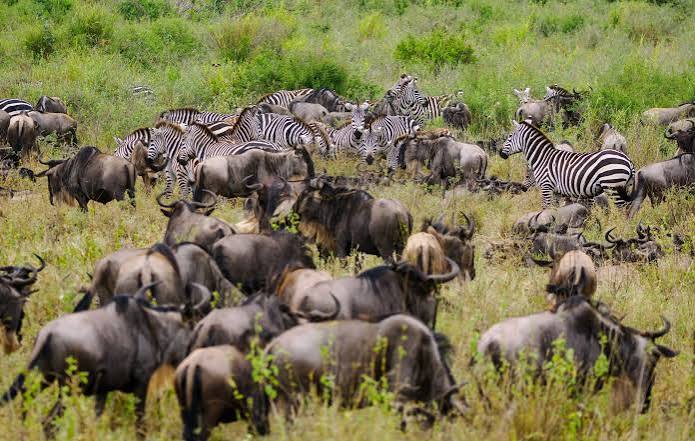
Many Maasai communities live near world famous wildlife conservation areas. Their experience with local ecosystems has contributed valuable knowledge to conservation efforts that protect elephants, lions, zebras, giraffes, wildebeest, and countless other species.
Rather than viewing wildlife only as tourist attractions, the Maasai understand the delicate balance between people, livestock, and nature. Their traditions encourage respect for the land that supports every form of life.
Today, many Maasai participate in community conservancies that combine wildlife protection with sustainable tourism. These conservation initiatives generate income for local families while preserving habitats for future generations.
Visitors who spend time with Maasai guides often gain fascinating insights into animal behavior, medicinal plants, traditional survival skills, and environmental stewardship that cannot easily be found in guidebooks.
This close relationship with nature demonstrates why Maasai culture remains closely connected to Africa’s incredible landscapes and why cultural tourism often complements unforgettable wildlife safari experiences.
Visiting a Maasai Village: What to Expect
Visiting a Maasai village provides one of the most rewarding cultural experiences available during an East African safari. It allows travelers to connect directly with local communities while learning about traditions through authentic personal interactions.
Most visits begin with a warm welcome that includes traditional songs, dancing, and greetings. Community members often introduce visitors to their customs before guiding them through different parts of the village.
Guests usually tour traditional homes, learn how families build them, and discover how daily life functions within the community. Visitors may also watch demonstrations of fire-making, livestock care, beadwork production, or traditional crafts.
Local artisans frequently display handmade jewelry, carvings, textiles, and decorative items available for purchase. Buying directly from community members supports local livelihoods while encouraging the preservation of traditional craftsmanship.
Respect remains essential throughout every visit. Travelers should ask permission before taking photographs, dress modestly, listen carefully to local guides, and appreciate cultural differences with an open mind.
Many cultural visits include opportunities to ask questions, join traditional dances, and learn about Maasai history from knowledgeable community members. These conversations create meaningful cultural exchanges that benefit both visitors and hosts.
Choosing responsible tour operators that work closely with local communities helps ensure tourism supports education, healthcare, conservation, and sustainable economic development for Maasai families.
Why Maasai Culture Continues to Inspire the World
Maasai culture continues to inspire people across the globe because it represents resilience, identity, and harmony between tradition and modern life. Despite rapid global change, the Maasai have preserved customs that celebrate family, community, respect, and a strong connection to nature.
Their colorful clothing, intricate beadwork, traditional dances, and welcoming hospitality attract millions of visitors each year. However, the true beauty of Maasai culture extends far beyond its visual appeal. It lies in the values that guide everyday life, including unity, generosity, responsibility, courage, and respect for elders and future generations.
As more travelers seek authentic cultural experiences, the Maasai provide meaningful opportunities to learn directly from local communities. These experiences encourage cultural appreciation while supporting sustainable tourism that benefits both visitors and residents.
The Maasai also demonstrate that cultural preservation and modern development can exist together. Education, conservation, entrepreneurship, and tourism have opened new opportunities while allowing communities to protect their rich heritage. Their ability to adapt without losing their identity offers valuable lessons for cultures around the world.
For anyone exploring Kenya or Tanzania, discovering Maasai culture adds incredible depth to every safari adventure. Wildlife becomes even more meaningful when combined with genuine cultural encounters that reveal the human stories behind Africa’s breathtaking landscapes.
Conclusion
Understanding what Maasai culture is like goes far beyond admiring colorful clothing or watching traditional dances. It means appreciating a vibrant way of life built on community, respect, resilience, cultural pride, and a deep connection with nature. Every tradition, ceremony, song, and handcrafted piece of beadwork tells a story that has shaped the identity of the Maasai people for generations.
A visit to a Maasai community offers travelers the chance to experience authentic African culture while supporting local families and helping preserve valuable traditions for future generations. These meaningful encounters create unforgettable memories that enrich any journey through Kenya or Tanzania.
For travelers seeking extraordinary cultural experiences alongside Africa’s spectacular wildlife, Giant Holiday Safaris delivers carefully planned safari adventures that connect guests with authentic Maasai communities in a respectful and responsible way. From iconic national parks to immersive cultural visits, Giant Holiday Safaris creates unforgettable journeys that celebrate the rich heritage, remarkable people, and breathtaking landscapes that make Africa one of the world’s greatest travel destinations.