What Is the Best Kenya Safari for Photographers?
July 31, 2026
What Are the Best Safari Camps in Masai Mara?
July 31, 2026
Which Kenya Safari Parks Are UNESCO Sites?
Kenya stands among Africa’s most remarkable safari destinations because it combines breathtaking landscapes, extraordinary wildlife, rich cultures, and globally recognized conservation areas. Across the country, protected ecosystems preserve some of the planet’s most important natural treasures, allowing visitors to experience wildlife in environments that have existed for thousands of years. Among these protected areas, several locations have earned recognition from UNESCO because of their outstanding universal value and their importance to global heritage.
A Kenya safari is more than a wildlife journey. It is an opportunity to explore ancient ecosystems, witness successful conservation efforts, and understand the connection between nature and local communities. UNESCO World Heritage Sites in Kenya represent places where natural beauty, biodiversity, and scientific importance come together. These destinations attract travelers who want meaningful experiences beyond ordinary sightseeing.
Kenya currently has several UNESCO listed sites, including famous wildlife areas and unique natural landscapes. These locations provide unforgettable opportunities to observe elephants, flamingos, predators, and many other species while supporting conservation programs that protect Africa’s natural heritage. For travelers planning a luxury safari, family adventure, photography expedition, or educational journey, understanding Kenya’s UNESCO safari sites helps create a deeper and more rewarding experience.
Combined Uganda, Kenya, Rwanda and Tanzania Safaris
17 days Kenya Tanzania and Uganda safari
19 Days Uganda Kenya and Tanzania Safari
16 Days Kenya Tanzania and Uganda Safari
14 Days Kenya Uganda and Tanzania Safari
14 Days Kenya Uganda and Rwanda Safari
12 Day Gorilla Trekking and Tanzania Safari
Lake Turkana National Parks: A UNESCO Site with Ancient Natural Heritage
Lake Turkana National Parks represent one of Kenya’s most unique UNESCO World Heritage locations. Located in northern Kenya, this remarkable region protects a dramatic desert environment surrounding the world’s largest desert lake. The area includes three protected parks: Sibiloi National Park, South Island National Park, and Central Island National Park. Together, they create a landscape where wildlife, geology, and human history connect in a powerful way.
Sibiloi National Park offers exceptional archaeological importance because it contains some of the oldest evidence of human evolution. The region provides scientists with valuable information about early human development, making it one of Africa’s most important research areas. Beyond archaeology, visitors can enjoy the beauty of volcanic landscapes, wildlife habitats, and the peaceful atmosphere of the remote northern wilderness.
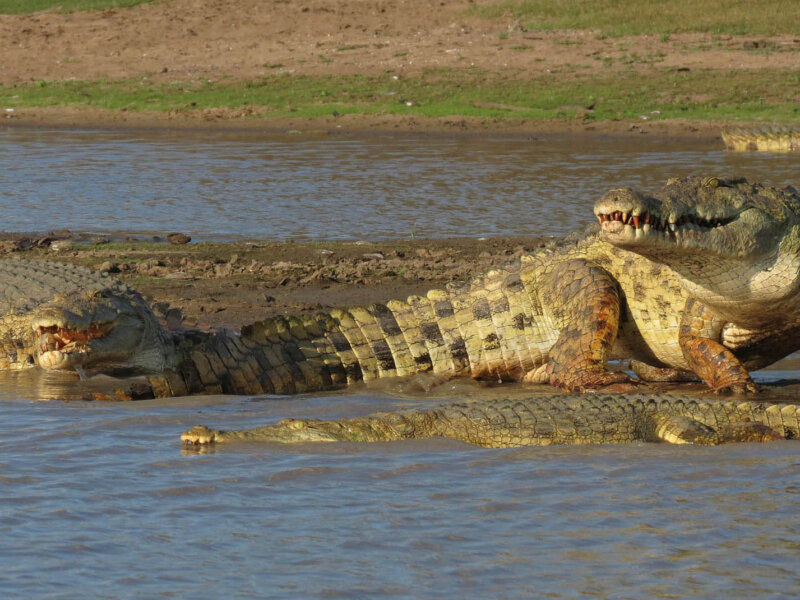
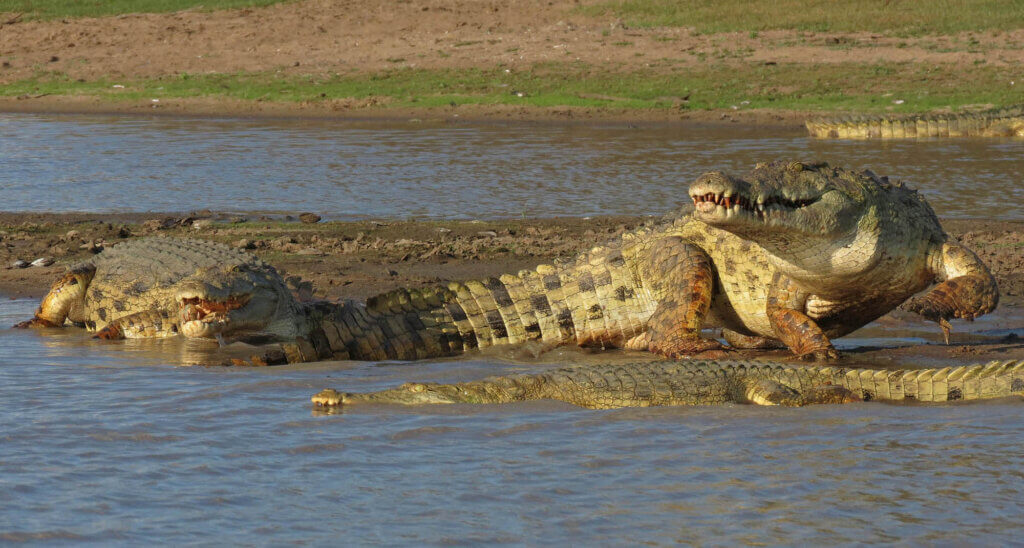
Central Island National Park and South Island National Park protect important breeding areas for water birds and support populations of crocodiles, hippos, and other wildlife adapted to the lake environment. The turquoise waters of Lake Turkana create a striking contrast against the surrounding dry landscape, offering travelers a completely different safari experience compared with Kenya’s famous grassland reserves.
Although Lake Turkana receives fewer visitors than destinations such as the Maasai Mara, it provides an authentic adventure for travelers seeking untouched landscapes and rare experiences. Exploring this UNESCO site allows visitors to discover a side of Kenya where nature, science, and history exist together.
Mount Kenya National Park and Natural Forest: A UNESCO Mountain Wilderness
Mount Kenya National Park and Natural Forest is another important UNESCO World Heritage Site that showcases Kenya’s incredible natural diversity. Located near the equator, Mount Kenya rises dramatically above the surrounding landscapes and stands as Africa’s second highest mountain. The area protects unique ecosystems that change as the elevation increases, creating habitats for a wide variety of plants and animals.
The mountain environment includes tropical forests, bamboo zones, alpine vegetation, and rocky peaks covered with glaciers. This variety makes Mount Kenya one of Africa’s most fascinating ecological areas. Visitors can discover rare plant species, observe mountain wildlife, and enjoy scenic hiking experiences surrounded by breathtaking natural beauty.
Wildlife within the protected area includes elephants, buffaloes, leopards, giant forest hogs, and many bird species. The forests also play an important role in protecting water sources that support communities and ecosystems across central Kenya. Therefore, conservation of Mount Kenya benefits both wildlife and people.
A safari experience at Mount Kenya offers a different perspective from traditional game drives. Instead of focusing only on large animals, visitors explore mountain landscapes, forest ecosystems, and cultural connections linked to this iconic peak. Hiking routes, nature walks, and scenic viewpoints create memorable adventures for travelers who appreciate outdoor exploration.
For international visitors seeking a complete Kenya experience, combining Mount Kenya with wildlife destinations creates a balanced journey. The mountain adds adventure, natural discovery, and environmental education to a classic African safari itinerary.
Kenya Lake System in the Great Rift Valley: UNESCO Wetland Safari Paradise
The Kenya Lake System in the Great Rift Valley is one of the country’s most important UNESCO World Heritage Sites and a spectacular destination for nature lovers. This site includes three interconnected lakes: Lake Bogoria, Lake Nakuru, and Lake Elementaita. These lakes form a vital wetland ecosystem that supports thousands of birds and a wide range of wildlife.
Lake Nakuru is widely recognized for its beautiful landscapes and impressive birdlife. The lake attracts large numbers of flamingos, creating one of Kenya’s most famous natural scenes. However, the area offers much more than bird watching. Visitors can also encounter rhinos, lions, giraffes, buffaloes, and other species within the surrounding national park.
Lake Bogoria provides a unique experience with its hot springs, geysers, and large populations of flamingos. The lake’s alkaline waters create ideal conditions for microorganisms that support bird populations. The combination of geological activity and wildlife makes Lake Bogoria a fascinating destination for travelers interested in nature and photography.
Lake Elementaita adds another layer of beauty to this UNESCO site with its peaceful surroundings and important bird habitats. The lake supports various migratory and resident bird species while offering views of the Great Rift Valley landscape.
Together, these lakes demonstrate Kenya’s exceptional ability to protect diverse ecosystems. They highlight the importance of wetlands in maintaining biodiversity and supporting wildlife populations. Travelers visiting the Kenya Lake System experience a safari environment where birds, mammals, landscapes, and conservation efforts come together.
Why UNESCO Recognition Matters for Kenya Safari Tourism
UNESCO recognition plays an important role in protecting Kenya’s natural treasures while promoting responsible tourism. When a destination receives World Heritage status, it gains international attention and stronger support for conservation, research, and sustainable management. These efforts help protect wildlife habitats and preserve important ecosystems for future generations.
For safari travelers, UNESCO sites provide confidence that they are visiting places with exceptional natural or cultural importance. These destinations follow conservation principles that protect biodiversity while allowing visitors to experience authentic African environments. Responsible tourism creates a balance between exploration and preservation.
Furthermore, UNESCO sites strengthen Kenya’s position as a leading African safari destination. They showcase the country’s commitment to protecting landscapes that hold global significance. From mountain forests and ancient archaeological areas to wetlands filled with wildlife, Kenya offers experiences that connect travelers with nature in meaningful ways.
Choosing UNESCO safari destinations also encourages travelers to support conservation-focused tourism. Every visit contributes to local economies, conservation programs, and community initiatives that depend on sustainable travel. Therefore, exploring these areas creates a positive impact beyond the safari experience itself.
Kenya’s UNESCO sites represent the heart of Africa’s natural heritage. They offer travelers the chance to discover rare ecosystems, witness incredible wildlife, and build a deeper appreciation for the importance of protecting the planet’s most valuable places.
How UNESCO Safari Parks Support Wildlife Conservation in Kenya
Kenya’s UNESCO safari destinations play a major role in protecting wildlife and maintaining some of Africa’s most valuable ecosystems. Conservation in these areas goes beyond protecting animals alone. It focuses on preserving entire habitats, supporting scientific research, protecting water sources, and creating sustainable opportunities for surrounding communities. These combined efforts help maintain the balance between nature protection and responsible tourism.
Wildlife conservation requires careful planning because ecosystems depend on many interconnected factors. For example, protecting forests around Mount Kenya helps preserve water systems that benefit both wildlife and human populations. Similarly, protecting wetlands within the Kenya Lake System ensures that birds, mammals, and aquatic species continue to survive in their natural environments. Every conservation action contributes to the long-term health of these ecosystems.
Tourism also provides important support for conservation. When visitors explore UNESCO sites responsibly, they contribute to park management, wildlife protection programs, and local community projects. Safari revenue helps fund activities such as anti poaching operations, habitat restoration, and environmental education. As a result, travelers become part of the conservation story rather than simply observers.
Additionally, UNESCO recognition encourages international cooperation. Researchers, conservation organizations, and tourism professionals work together to improve protection strategies and develop better ways to manage natural resources. These partnerships strengthen Kenya’s ability to protect its heritage while welcoming visitors from around the world.
For travelers, visiting these destinations creates a deeper connection with Africa’s natural environment. A safari in a UNESCO site becomes more than a holiday; it becomes a meaningful experience that supports the preservation of wildlife and landscapes for future generations.
Best Safari Experiences in Kenya’s UNESCO Heritage Areas
Kenya’s UNESCO sites provide diverse safari experiences that suit different types of travelers. Whether someone enjoys wildlife photography, adventure travel, cultural exploration, or peaceful nature experiences, these destinations offer unforgettable opportunities. Each UNESCO location has its own identity, allowing visitors to discover different sides of Kenya’s natural beauty.
At the Kenya Lake System in the Great Rift Valley, travelers enjoy some of the best bird-watching experiences in Africa. Flamingos, pelicans, and many other bird species create incredible viewing opportunities. The surrounding national parks also provide chances to see large mammals, including rhinos, lions, giraffes, and buffaloes. This combination of landscapes and wildlife makes the area ideal for photographers and nature enthusiasts.
Mount Kenya offers a completely different adventure. Visitors can explore mountain trails, enjoy forest walks, and experience the changing environments from lower forests to high altitude landscapes. The destination attracts adventure travelers who want to combine wildlife viewing with hiking and scenic exploration.
Lake Turkana provides a more remote and adventurous safari experience. The region appeals to travelers who want to discover less crowded destinations with dramatic scenery and cultural depth. The volcanic islands, desert landscapes, archaeological sites, and unique wildlife create an experience unlike any other location in Kenya.
A well planned Kenya safari can combine several UNESCO locations with other famous wildlife destinations. Travelers can experience the diversity of Kenya by exploring mountains, lakes, forests, and traditional savannah landscapes within one journey. This variety makes Kenya one of the most complete safari destinations in Africa.
When Is the Best Time to Visit Kenya UNESCO Safari Sites?
Choosing the right time to visit Kenya’s UNESCO safari destinations helps travelers enjoy better wildlife viewing, comfortable weather, and rewarding experiences. Kenya welcomes visitors throughout the year, but each season offers unique advantages depending on the type of adventure travelers want.
The dry seasons, usually from June to October and January to February, provide excellent conditions for wildlife viewing. During these months, animals often gather around limited water sources, making them easier to observe. The weather remains generally comfortable, with clear skies and fewer interruptions from rainfall.
The wet seasons also provide special experiences. From March to May and again toward the end of the year, Kenya’s landscapes become greener and more vibrant. This period creates beautiful scenery, attracts migratory birds, and offers excellent photography opportunities. Travelers who prefer fewer crowds often enjoy visiting during these quieter months.
For bird lovers, the Kenya Lake System is especially rewarding during migration periods when thousands of birds arrive from different regions. Photographers can capture dramatic scenes of colorful landscapes, active wildlife, and changing environments.
Mount Kenya has different seasonal considerations because altitude affects weather conditions. Visitors planning mountain activities should prepare carefully and choose suitable routes based on their experience level and travel goals.
Lake Turkana’s remote desert environment requires thoughtful planning because temperatures can become high during certain periods. However, with proper preparation, travelers can enjoy this extraordinary UNESCO destination throughout much of the year.
Ultimately, the best travel time depends on personal interests. Whether the goal is wildlife photography, hiking, bird watching, or exploring remote landscapes, Kenya’s UNESCO sites offer remarkable experiences in every season.
Responsible Tourism in Kenya’s UNESCO Safari Destinations
Responsible tourism has become essential for protecting Kenya’s natural heritage. As more travelers discover the country’s incredible landscapes and wildlife, sustainable travel practices help ensure these destinations remain healthy and beautiful. Visitors have an important role in supporting conservation through responsible choices during their safari journeys.
Responsible travelers respect wildlife by maintaining safe distances, following park guidelines, and avoiding actions that disturb animals. Wildlife belongs in its natural environment, and ethical tourism allows animals to behave naturally without unnecessary interference.
Supporting local communities also strengthens conservation efforts. Many communities living near protected areas contribute to tourism through guiding services, cultural experiences, accommodation, and conservation programs. When travelers choose responsible tourism providers, they help create economic benefits that encourage communities to protect natural resources.
Reducing environmental impact is another important part of sustainable travel. Simple actions such as minimizing waste, using resources carefully, and respecting natural areas help preserve fragile ecosystems. These practices protect destinations like Lake Turkana, Mount Kenya, and the Great Rift Valley lakes from unnecessary environmental pressure.
Furthermore, responsible tourism encourages education. Travelers who understand the importance of conservation become ambassadors for protecting Africa’s heritage. They return home with greater awareness and share the value of preserving wildlife and natural landscapes.
Kenya’s UNESCO sites represent treasures that belong to the entire world. Protecting them requires cooperation between governments, conservation organizations, tourism companies, local communities, and visitors. Sustainable tourism creates a future where people can continue experiencing Kenya’s natural wonders while maintaining the ecosystems that make these destinations extraordinary.
Planning Your Kenya UNESCO Safari Adventure
Planning a safari to Kenya’s UNESCO heritage destinations requires careful preparation to create a smooth and memorable experience. A successful safari combines the right destinations, suitable travel timing, comfortable accommodation, experienced guides, and responsible travel choices.
The first step involves selecting destinations that match personal interests. Travelers interested in wildlife and bird photography may prefer the Kenya Lake System. Adventure seekers may enjoy Mount Kenya’s mountain landscapes and outdoor activities. Those searching for unique remote experiences may choose Lake Turkana because of its untouched beauty and cultural significance.
Working with experienced safari professionals helps travelers maximize their time and discover hidden details that are easy to miss. Knowledgeable guides understand animal behavior, conservation practices, local cultures, and the best locations for unforgettable experiences. Their expertise transforms a simple visit into a deeper exploration of Kenya’s natural heritage.
Accommodation choices also influence the quality of a safari. Travelers can select from luxury lodges, eco-friendly camps, and comfortable safari properties depending on their preferences and budget. Many sustainable accommodations support conservation programs and local communities, allowing visitors to contribute positively during their stay.
Preparation also improves comfort and enjoyment. Travelers should consider weather conditions, suitable clothing, travel documents, health requirements, and activity levels before departure. Proper planning allows visitors to focus on experiencing the beauty of Kenya without unnecessary challenges.
A Kenya UNESCO safari offers much more than wildlife viewing. It creates opportunities to explore ancient landscapes, learn about conservation, connect with local cultures, and experience some of the world’s most important natural areas.
Final Thoughts: Experience Kenya’s UNESCO Safari Wonders with Giant Holiday Safaris
Kenya’s UNESCO World Heritage safari destinations showcase the incredible diversity and importance of Africa’s natural heritage. From the ancient landscapes of Lake Turkana to the breathtaking ecosystems of Mount Kenya and the wildlife-rich wetlands of the Great Rift Valley, these locations reveal the remarkable connection between nature, conservation, and human history.
Exploring these UNESCO sites allows travelers to experience Kenya beyond traditional safari adventures. Every destination offers a unique story, whether through rare wildlife encounters, spectacular landscapes, scientific discoveries, or conservation achievements. These experiences create lasting memories while supporting efforts that protect Africa’s natural treasures.
A successful safari requires more than reaching a destination. It requires thoughtful planning, expert guidance, and a commitment to responsible travel. Choosing the right safari partner ensures that every moment becomes meaningful, comfortable, and enriching.
Giant Holiday Safaris provides travelers with trusted safari experiences designed around discovery, conservation, and authentic African adventures. With strong knowledge of Kenya’s landscapes, wildlife destinations, and cultural experiences, Giant Holiday Safaris helps guests explore UNESCO heritage locations with confidence and professionalism.
For travelers seeking a reliable journey into Kenya’s extraordinary natural world, a carefully planned safari with Giant Holiday Safaris offers the perfect opportunity to witness Africa’s beauty while supporting responsible tourism. Kenya’s UNESCO sites are waiting to be explored, and every visit creates a connection with the wildlife, landscapes, and heritage that make Africa truly remarkable.