What are the best safari camps with luxury amenities in Kenya?
May 27, 2026
What are the best safari parks for wildlife viewing during migration?
May 27, 2026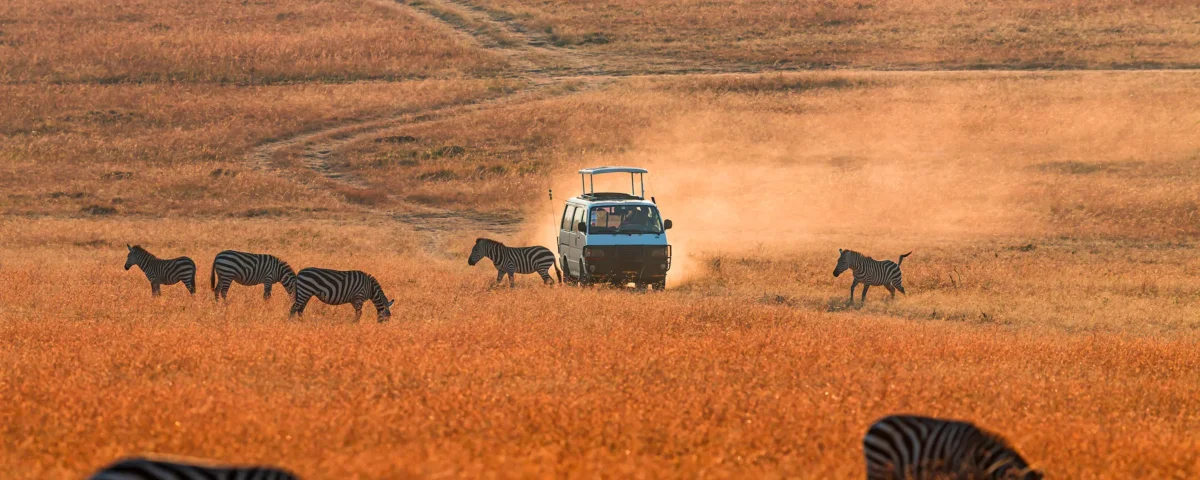
Which Safari Experiences in Kenya Are Best In Dry Season?
The question is, which safari experiences in Kenya are best during the dry season? opens the door to one of Africa’s most rewarding wildlife adventures. During the dry season, Kenya transforms into a powerful stage where animals gather around limited water sources, grass shortens across the savannah, and wildlife becomes easier to spot. Travelers from around the world choose this season for its clear visibility, active animal behavior, and unforgettable safari moments. In addition, the dry conditions improve road access, which allows deeper exploration into national parks and reserves.
Kenya stands out as a top safari destination because it combines rich biodiversity, iconic landscapes, and well protected wildlife areas. From massive elephant herds to big cat encounters, the dry season increases the chances of seeing animals in their natural habitat. As water sources shrink, wildlife concentrates in predictable areas, which makes game viewing more consistent and exciting. Moreover, photographers benefit from bright skies and golden light that enhance every scene. This guide explores the best safari experiences across Kenya and explains how each destination delivers unique and high value encounters during the dry season.
Why dry season safari in Kenya offers the best wildlife viewing
The dry season in Kenya creates ideal conditions for wildlife viewing because animals adjust their movement patterns in response to limited water and food sources. As rivers and waterholes become central gathering points, wildlife activity increases in specific locations. This natural concentration makes it easier for travelers to observe large herds, predators, and rare species within a short time. In addition, the vegetation becomes thinner, which improves visibility across open plains and bushland.
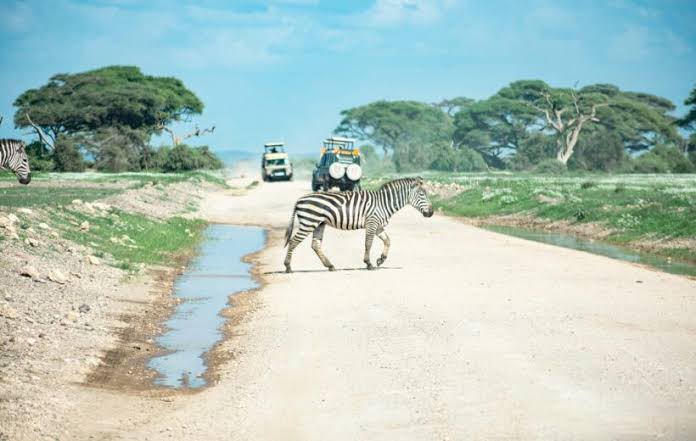
Another major advantage of the dry season is accessibility. Roads inside parks such as Maasai Mara National Reserve and other conservation areas remain firm and passable. Safari vehicles can reach deeper areas without difficulty, which expands the range of wildlife encounters. Furthermore, animals follow predictable patterns during this time, often visiting the same water points daily. This behavior allows guides to position visitors strategically for better sightings.
The weather also plays a major role in shaping the safari experience. Clear skies dominate the season, which enhances photography and creates comfortable game drive conditions. Early mornings and late afternoons offer cool temperatures that encourage animal movement. Meanwhile, midday heat pushes wildlife toward shaded areas or water sources. As a result, travelers enjoy structured and rewarding safari schedules.
Overall, the dry season delivers a balanced mix of accessibility, visibility, and wildlife concentration. These factors combine to make Kenya one of the most reliable destinations for unforgettable safari experiences.
Which Safari Experiences in Kenya Are Best During the Dry Season: Maasai Mara National Reserve and the Great Migration experience
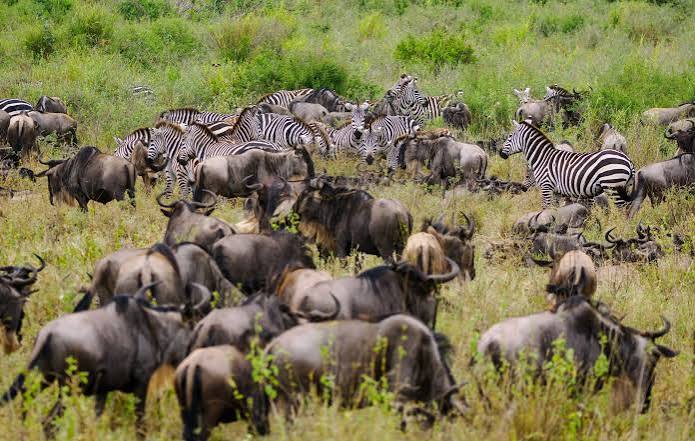
Maasai Mara National Reserve delivers one of the most iconic safari experiences in Africa, especially during the dry season. This reserve becomes a central stage for the Great Migration when millions of wildebeest, zebras, and gazelles move across the plains in search of fresh grazing. During this period, the landscape comes alive with constant movement, predator action, and dramatic river crossings that define the safari experience.
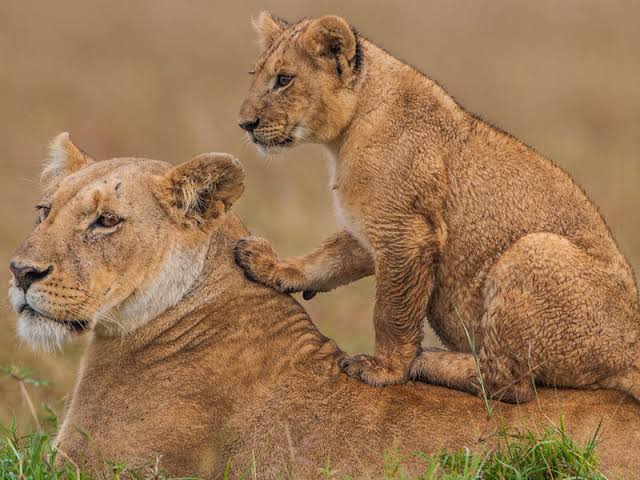
The dry season enhances visibility across the open savannahs of the Maasai Mara. Short grass allows travelers to spot wildlife from long distances, which improves the overall viewing experience. In addition, predators such as lions, cheetahs, and leopards become more active as prey gathers near water sources. This creates frequent and thrilling wildlife interactions that keep every game drive exciting.
River crossings along the Mara River stand out as one of the most intense wildlife events. Large herds gather at the banks before crossing, while crocodiles wait in the water. This natural tension creates dramatic scenes that attract wildlife photographers and safari enthusiasts from around the world. Moreover, the surrounding conservancies offer quieter and more exclusive experiences, which allow deeper connection with nature.
Ultimately, the Maasai Mara during the dry season delivers unmatched wildlife density, action, and diversity. It remains a top destination for travelers seeking a true African safari experience.
Amboseli National Park for elephant and Kilimanjaro views
Amboseli National Park offers one of the most visually stunning safari experiences in Kenya, especially during the dry season. This park sits at the base of Mount Kilimanjaro, which creates a breathtaking backdrop for wildlife photography. The dry season improves visibility significantly because dust levels remain low and skies stay clear, revealing the snow capped peak of Africa’s tallest mountain.
Amboseli is famous for its large elephant herds. During dry months, elephants gather around swamps and underground water sources, making them easy to observe. These herds often move slowly across open plains, allowing travelers to study their behavior closely. In addition, predators such as lions and hyenas remain active around these water points, which increases chances of dramatic wildlife encounters.
The open landscape of Amboseli enhances every safari drive. Short vegetation improves visibility, while flat terrain allows wide panoramic views of wildlife activity. Birds also thrive in this ecosystem, adding variety to the safari experience. As water becomes scarce in surrounding regions, Amboseli becomes a key refuge for many species, which increases animal concentration.
Furthermore, cultural experiences with local communities near the park add depth to the visit. Travelers gain insight into traditional lifestyles that coexist with wildlife conservation. This combination of scenery, wildlife, and culture makes Amboseli a must visit destination during the dry season.
Tsavo National Park east and west safari adventures
Tsavo National Park, divided into Tsavo East and Tsavo West, offers one of the largest and most diverse safari landscapes in Kenya. During the dry season, this vast ecosystem becomes even more accessible, revealing unique wildlife behavior across its semi arid plains, volcanic hills, and river systems. Because of its size, Tsavo delivers a sense of wilderness that feels untouched and expansive.
In Tsavo East, the dry season concentrates wildlife around the Galana River. Large herds of elephants, buffalo, and antelopes gather in these areas, creating strong viewing opportunities. Red dust from the soil often coats elephants, giving them a distinctive appearance that fascinates visitors. Predators also follow these herds, which increases chances of sightings during game drives.
Tsavo West offers a more varied landscape with volcanic formations, springs, and dense vegetation. Mzima Springs stands out as a key attraction where visitors can observe hippos and crocodiles in clear water. During the dry season, these water sources become essential for wildlife survival, which increases animal activity in visible areas.
The combination of rugged terrain and rich biodiversity makes Tsavo a rewarding destination for travelers seeking fewer crowds and authentic safari experiences. Its vastness ensures that every journey feels different and full of discovery.
Lake Nakuru National Park and flamingo plus rhino encounters
Lake Nakuru National Park offers a unique safari experience that blends birdlife, rhino conservation, and scenic landscapes. During the dry season, the park becomes especially rewarding because wildlife gathers around the lake and surrounding vegetation becomes thinner, improving visibility for visitors.
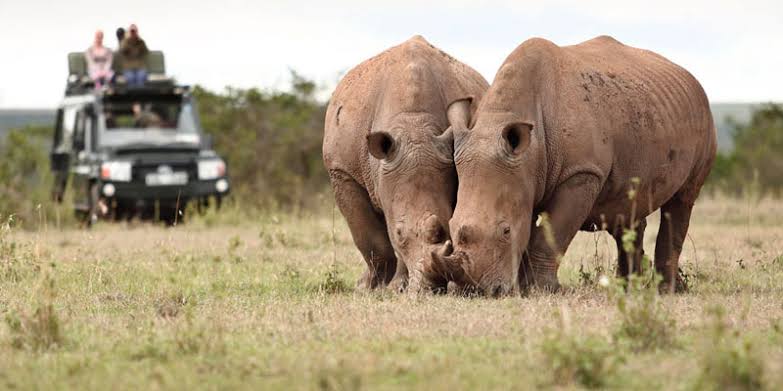
Lake Nakuru is globally known for its flamingo populations, which often gather along the alkaline lake shores. While their numbers vary depending on water conditions, the park still delivers impressive birdwatching opportunities. In addition, the dry season makes it easier to spot both black and white rhinos, which are carefully protected within the park boundaries.
As water sources shrink outside the park, many animals move into Lake Nakuru for survival. This increases the chances of seeing buffalo, giraffes, zebras, and various antelope species in concentrated areas. Predators such as lions also remain active, creating balanced wildlife interactions throughout the ecosystem.
The park’s compact size makes it ideal for short but highly productive safari trips. Visitors can explore multiple habitats within a single day, including forests, lake shores, and rocky cliffs. This variety ensures a dynamic safari experience that complements Kenya’s larger reserves.
Samburu National Reserve’s unique northern species experience
Samburu National Reserve offers a distinct safari experience that differs from southern Kenya parks. Located in the arid northern region, Samburu thrives during the dry season when wildlife gathers along the Ewaso Ng’iro River. This river becomes the lifeline of the ecosystem, attracting both common and rare species.
Samburu is known for unique wildlife often referred to as the Samburu Special Five. These include the Grevy’s zebra, Somali ostrich, reticulated giraffe, gerenuk, and beisa oryx. The dry season increases visibility of these species as they concentrate near water sources. In addition, elephants frequent the riverbanks, offering excellent photography opportunities.
Predators also thrive in Samburu’s open and rugged terrain. Lions and leopards move strategically along the river corridors, while cheetahs patrol the open plains. Because vegetation remains sparse during the dry season, wildlife spotting becomes easier and more consistent.
The cultural experience in Samburu adds another layer of depth to the safari. Local communities maintain strong traditions that connect closely with wildlife and land conservation. This blend of culture and nature creates a meaningful and educational safari journey.
Samburu stands out as a destination for travelers seeking rare species and a less crowded safari environment during Kenya’s dry season.
Best Safari Activities During Kenya’s Dry Season
The dry season in Kenya unlocks a wide range of safari activities that enhance wildlife viewing and overall travel experiences. Game drives remain the most popular, allowing travelers to explore vast landscapes and observe animals gathering around water sources. Early morning and late afternoon drives provide the best light and highest animal activity. Giant Holiday Safaris ensures guests enjoy expertly guided drives tailored for photography and wildlife encounters.
Hot air balloon safaris in the Maasai Mara deliver breathtaking aerial views of the savannah. From above, travelers witness herds moving across the plains and rivers winding through the landscape. This perspective adds depth to the safari experience and creates unforgettable memories, curated seamlessly by Giant Holiday Safaris.
Walking safaris provide an intimate connection with nature. Guided by trained rangers, travelers explore tracks, plants, and birdlife, gaining a deeper understanding of the ecosystem beyond large animal sightings.
Photography thrives during the dry season thanks to clear skies, soft lighting, and predictable animal behavior. Many travelers focus on predator interactions, herd movements, and dramatic landscapes. With Giant Holiday Safaris, these activities combine to create a complete and rewarding safari experience across Kenya’s top destinations.
Travel Tips, Timing, and Responsible Tourism
Planning a dry season safari in Kenya requires attention to timing, location, and responsible practices. The dry season runs from June to October and January to February, each offering different wildlife behaviors. Travelers seeking dramatic river crossings often focus on the Maasai Mara between July and September. Giant Holiday Safaris helps guests choose the right timing to match their safari goals.
Packing light but practical clothing improves comfort during game drives. Neutral colors, sun protection, and layered outfits help adapt to changing temperatures. Early booking is also essential to secure top lodges and prime safari routes, especially in high‑demand areas. Giant Holiday Safaris ensures priority access and seamless arrangements.
Responsible tourism plays a critical role in protecting Kenya’s wildlife. Visitors should respect park rules, maintain safe distances, and support eco‑friendly lodges that invest in conservation. This approach preserves ecosystems while supporting local communities. Giant Holiday Safaris prioritizes lodges and experiences that align with sustainability.
Ultimately, Kenya offers one of Africa’s most complete safari experiences. The dry season highlights its landscapes, wildlife, and cultural richness, making it the perfect time to explore. Understanding which safari experiences in Kenya are best during the dry season helps travelers unlock unforgettable wildlife encounters and meaningful safari moments. With Giant Holiday Safaris as your trusted operator, every journey is tailored for exclusivity, adventure, and responsible travel.
Combined Uganda, Kenya, Rwanda and Tanzania Safaris
17 days Kenya Tanzania and Uganda safari
19 Days Uganda Kenya and Tanzania Safari
16 Days Kenya Tanzania and Uganda Safari
14 Days Kenya Uganda and Tanzania Safari
14 Days Kenya Uganda and Rwanda Safari