
What Is the Best Kenya Safari and Hiking Combination?
August 10, 2026
What are the best safari destinations during low season?
August 10, 2026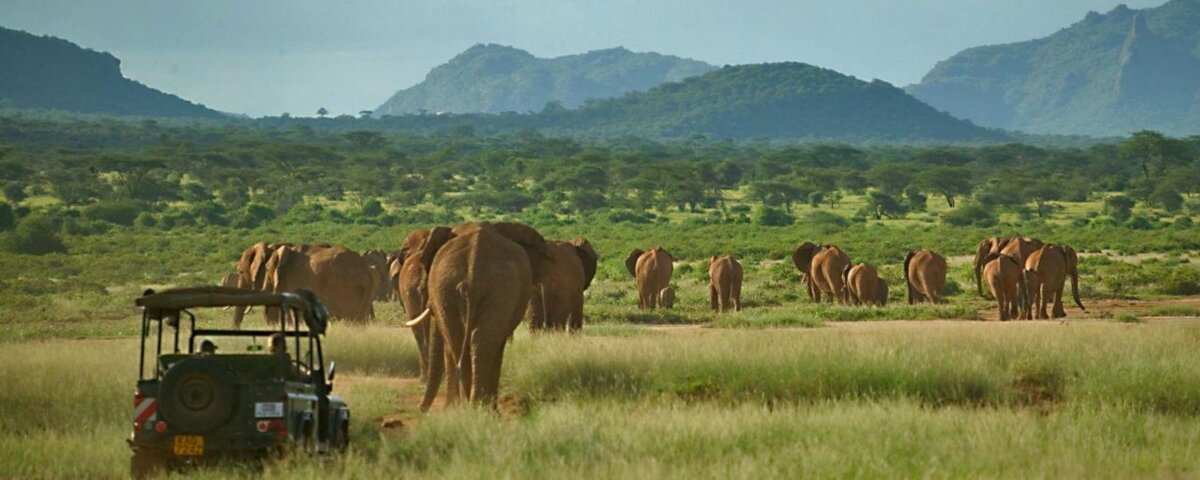
Which Kenya Safari Parks Are Best in the Rainy Season?
Many travelers believe the rainy season is the wrong time to visit Kenya for a safari. That idea causes thousands of visitors to miss one of Africa’s most rewarding wildlife experiences. While the dry season attracts large crowds, the rainy months transform Kenya into a lush paradise filled with vibrant landscapes, newborn wildlife, colorful birds, dramatic skies, and incredible photographic opportunities. A rainy season safari offers a different perspective that many experienced travelers eventually prefer because it combines beautiful scenery with fewer tourists and exceptional wildlife encounters.
Kenya experiences two rainy seasons each year. The long rains generally occur from March to May, while the short rains usually arrive between October and December. Rainfall patterns vary from one region to another, and showers often fall in the afternoon or overnight instead of lasting all day. This allows visitors to enjoy morning and evening game drives with comfortable temperatures and fresh, green surroundings. Wildlife remains active throughout the year because animals do not disappear when the rains arrive. Instead, many species benefit from the renewed vegetation and abundant water sources.
The rainy season also creates excellent conditions for birdwatching, landscape photography, and witnessing new life across Kenya’s diverse ecosystems. Migratory birds arrive in large numbers, antelope give birth to young, predators take advantage of increased hunting opportunities, and rivers, forests, and wetlands become more vibrant than at any other time of the year. Every game drive offers fresh surprises because nature constantly changes with the weather.
Choosing the right destination becomes the key to enjoying a successful rainy season safari. Some parks remain accessible throughout the year with excellent road networks, while others become even more attractive because of their unique habitats during wetter months. Understanding which parks perform best during the rains helps travelers maximize every moment of their adventure.
Combined Uganda, Kenya, Rwanda and Tanzania Safaris
17 days Kenya Tanzania and Uganda safari
19 Days Uganda Kenya and Tanzania Safari
16 Days Kenya Tanzania and Uganda Safari
14 Days Kenya Uganda and Tanzania Safari
14 Days Kenya Uganda and Rwanda Safari
12 Day Gorilla Trekking and Tanzania Safari
Why the Rainy Season Is an Excellent Time for a Kenya Safari
The rainy season changes Kenya into one of Africa’s most beautiful safari destinations. Fresh grass carpets the plains, forests become greener, rivers flow strongly, and wildflowers bloom across many landscapes. Instead of dusty roads and dry vegetation, visitors enjoy colorful scenery that creates unforgettable memories and spectacular photographs.
Wildlife remains abundant throughout the rainy season. In fact, many animals become easier to observe because they spread across healthier habitats with plentiful food. Grazing animals feed on fresh vegetation, while predators continue following their prey. Elephant herds move through green valleys, giraffes browse leafy trees, zebras graze on nutritious grasses, and buffalo gather around newly filled wetlands. Every ecosystem becomes more productive as rain supports the entire food chain.
Another major advantage involves fewer safari vehicles. Popular wildlife sightings become more personal because visitors often share them with only a handful of other vehicles instead of large crowds. This quieter environment allows guests to appreciate animal behavior without distractions. It also creates a stronger connection with nature as sounds of birds, insects, and wildlife replace busy tourist traffic.
Photography improves dramatically during the rainy season. Clouds soften harsh sunlight, creating balanced lighting for wildlife images. Dramatic skies add depth to landscapes, while reflections appear in seasonal pools and wetlands. Green backgrounds make animals stand out beautifully, and rainbows sometimes appear after afternoon showers, adding magical moments to a safari.
Bird enthusiasts find the rainy season especially rewarding. Kenya becomes home to hundreds of resident and migratory bird species during this period. Bright breeding plumage makes birds even more colorful, while wetlands attract waterbirds in impressive numbers. Whether exploring savannahs, forests, or lakes, birdwatchers enjoy extraordinary diversity.
Finally, many lodges and safari camps offer attractive seasonal rates during the rainy months. Travelers often receive better value while enjoying the same world-class wildlife experiences. This combination of lower costs, fewer crowds, beautiful landscapes, and thriving wildlife makes the rainy season one of Kenya’s best-kept safari secrets.
Maasai Mara National Reserve – Outstanding Wildlife Throughout the Green Season
The Maasai Mara remains Kenya’s most famous safari destination, and it continues to deliver remarkable wildlife experiences during the rainy season. Although many travelers associate the reserve with the Great Migration, the resident wildlife alone makes every visit worthwhile throughout the year. Lions, leopards, cheetahs, elephants, giraffes, buffalo, hyenas, zebras, and numerous antelope species call the Mara home regardless of the season.
Rain transforms the Mara into a breathtaking green landscape. Rolling hills become covered with fresh grass, scattered acacia trees develop lush foliage, and seasonal streams fill with flowing water. The entire ecosystem appears alive, creating one of Africa’s most photogenic safari environments.
The rainy season also marks an important time for newborn animals. Many herbivores give birth after rains stimulate fresh plant growth, ensuring mothers have enough nutrition to raise healthy young. Visitors frequently encounter playful young zebras, gazelles, wildebeest, and impalas during game drives. These newborns naturally attract predators, resulting in exciting wildlife interactions while still respecting the natural balance of the ecosystem.
Birdlife flourishes across the reserve during wetter months. Eagles, vultures, secretary birds, crowned cranes, lilac-breasted rollers, bee eaters, and many migratory species create endless opportunities for birdwatchers and photographers alike. The colorful vegetation enhances every wildlife sighting, making photographs more vibrant than those captured during the dry season.
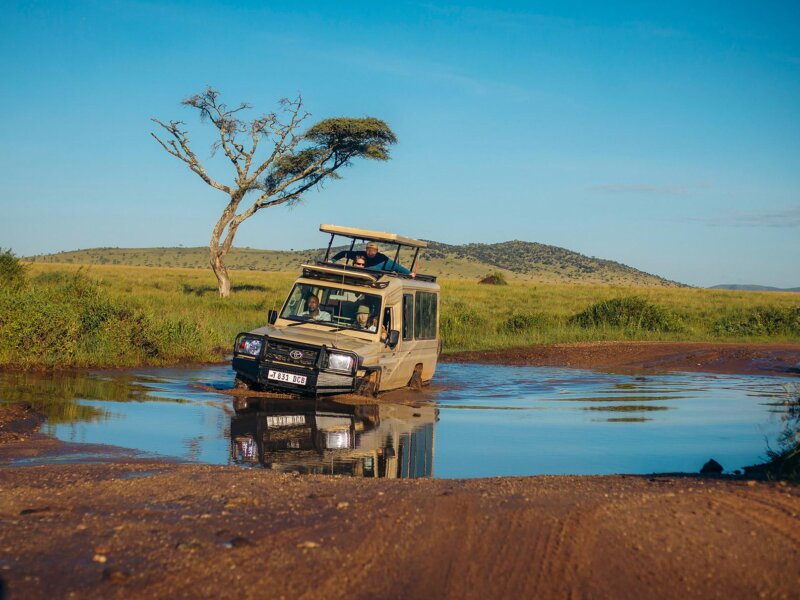
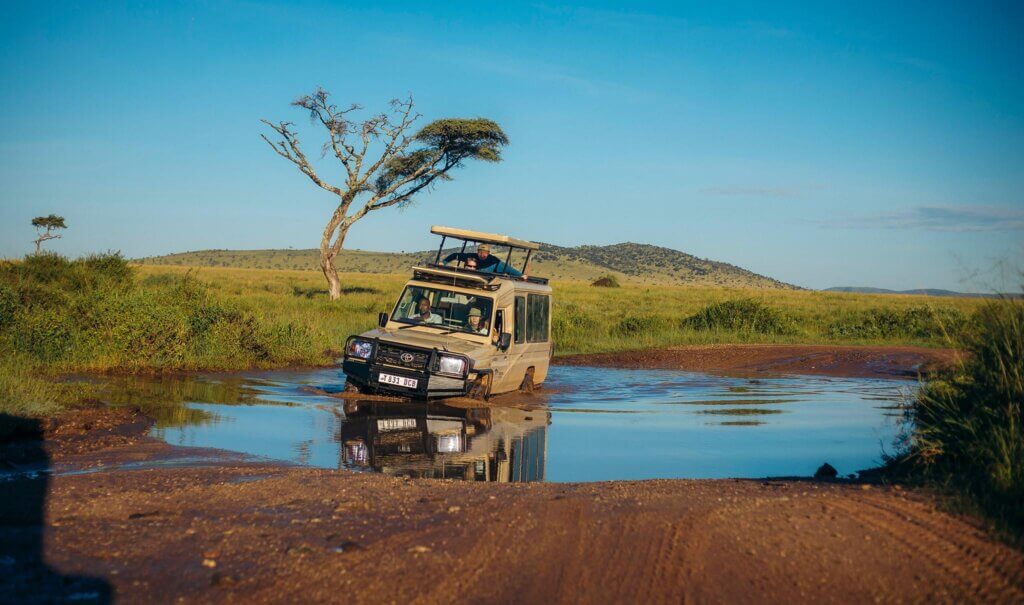
Road conditions inside some areas may become challenging after heavy rainfall, yet many sections of the reserve remain accessible through experienced guides using well-equipped four-wheel-drive vehicles. Professional safari planning ensures visitors continue enjoying excellent wildlife viewing despite changing weather conditions.
For travelers seeking classic African safari experiences combined with dramatic scenery, abundant wildlife, and fewer crowds, the Maasai Mara stands among the very best destinations during Kenya’s rainy season.
Amboseli National Park – Spectacular Elephant Encounters and Scenic Rainy Season Landscapes
Amboseli National Park ranks among Kenya’s most rewarding safari destinations during the rainy season. Located at the foot of Africa’s highest mountain, Mount Kilimanjaro, the park offers breathtaking scenery throughout the year. During the rains, however, the landscape becomes even more impressive. Fresh grass covers the open plains, seasonal flowers bloom, swamps expand with clean water, and acacia woodlands appear greener than ever. The combination of lush vegetation and dramatic clouds surrounding Mount Kilimanjaro creates unforgettable views that attract photographers from around the world.
The park remains famous for its large elephant population. Visitors regularly encounter family herds moving peacefully across the plains while young calves play beside older members of the herd. Amboseli provides excellent opportunities to observe natural elephant behavior because many families have lived in the park for generations and are well studied. Alongside elephants, visitors frequently see buffalo, giraffes, zebras, wildebeest, impalas, gazelles, warthogs, hyenas, and predators such as lions and cheetahs.
The wetlands become especially productive during the rainy months. Hippos spend their days in deeper pools while numerous waterbirds feed along the marshes. Flamingos, herons, egrets, storks, kingfishers, pelicans, and African fish eagles add remarkable color and diversity to every game drive. Bird enthusiasts appreciate the variety because both resident and migratory species thrive during this season.
Unlike some parks where dense vegetation limits visibility, Amboseli’s wide open plains continue to provide excellent wildlife viewing even after the rains arrive. Animals remain relatively easy to spot, allowing visitors to enjoy rewarding game drives throughout their stay. Combined with cooler temperatures, fewer safari vehicles, and stunning natural scenery, Amboseli stands out as one of Kenya’s finest rainy season safari destinations.
Lake Nakuru National Park – A Birdwatcher’s Paradise in the Green Season
Lake Nakuru National Park becomes exceptionally beautiful during the rainy season. Rain replenishes the lake, revitalizes surrounding forests, and supports healthy grasslands that attract an impressive variety of wildlife. Although water levels naturally fluctuate throughout the year, the rainy months create vibrant ecosystems that benefit countless bird species and mammals alike.
The park remains internationally recognized for birdlife. Thousands of waterbirds gather around the lake depending on seasonal conditions, creating one of Kenya’s richest birdwatching experiences. Flamingos often capture the spotlight, yet visitors also encounter pelicans, cormorants, spoonbills, African fish eagles, herons, kingfishers, ibises, and many migratory species that arrive during wetter months. Bright breeding plumage makes many birds even more colorful, rewarding photographers with exceptional images.
Lake Nakuru also serves as one of Kenya’s leading rhino conservation areas. Both black rhinos and white rhinos roam freely across the protected landscape, offering visitors excellent chances to observe these endangered animals in their natural habitat. In addition to rhinos, the park supports Rothschild’s giraffes, buffalo, waterbucks, zebras, baboons, vervet monkeys, leopards, lions, and numerous antelope species.
Rain transforms the surrounding forests into lush green habitats where wildlife remains active throughout the day. The cooler temperatures encourage animals to move comfortably across the landscape, increasing opportunities for memorable sightings. Roads generally remain accessible, allowing visitors to explore different sections of the park with experienced guides.
Lake Nakuru offers an outstanding combination of wildlife conservation, bird diversity, scenic beauty, and reliable game viewing. Travelers seeking a rewarding safari during Kenya’s rainy season consistently find this park among the country’s top destinations.
Aberdare National Park – A Unique Forest Safari During the Rainy Season
Aberdare National Park delivers a safari experience unlike anywhere else in Kenya. Instead of vast open savannahs, visitors enter a world of mist-covered forests, bamboo woodlands, waterfalls, mountain streams, and high-altitude moorlands. During the rainy season, these landscapes become even more spectacular as rainfall feeds rivers, strengthens waterfalls, and nourishes dense vegetation throughout the park.
The forest environment supports an impressive range of wildlife. Elephants move quietly through thick vegetation, while buffalo, bushbucks, giant forest hogs, and black and white colobus monkeys thrive within the ecosystem. Lucky visitors may also encounter the elusive leopard, spotted hyena, or the endangered black rhino. Although forest wildlife often requires patience to observe, every sighting feels especially rewarding because of the park’s untouched wilderness.
One of Aberdare’s greatest attractions involves wildlife viewing from elevated lodges overlooking floodlit waterholes. Animals naturally visit these water sources throughout the day and night, allowing guests to observe elephants, buffalo, bushbucks, hyenas, and many other species without leaving the lodge. Rainy season conditions often increase activity around these areas as wildlife moves between forests and open clearings.
Birdwatchers also enjoy exceptional diversity. The park hosts hundreds of bird species, including sunbirds, turacos, hornbills, eagles, owls, and numerous forest specialists rarely seen elsewhere in Kenya. Thick vegetation provides nesting opportunities while flowering plants attract nectar feeding birds throughout the season.
Travelers looking for something beyond the traditional savannah safari discover a peaceful, refreshing, and highly rewarding destination in Aberdare National Park. Its mountain scenery, cool climate, rich biodiversity, and unique forest ecosystem make it one of Kenya’s hidden gems during the rainy months.
Ol Pejeta Conservancy – Conservation Excellence Meets Outstanding Wildlife Viewing
Ol Pejeta Conservancy offers one of Africa’s finest examples of successful wildlife conservation while delivering exceptional safari experiences throughout the rainy season. Located between the foothills of Mount Kenya and the Aberdare Range, the conservancy combines beautiful scenery with remarkable biodiversity and world-class conservation initiatives.
Fresh rainfall transforms the conservancy into a lush green landscape filled with healthy grasslands that support elephants, giraffes, buffalo, zebras, elands, hartebeests, and numerous antelope species. Predators such as lions, cheetahs, leopards, and spotted hyenas continue hunting across the open plains, providing exciting wildlife encounters throughout the year.
Ol Pejeta remains globally recognized for rhino conservation. The conservancy protects one of East Africa’s largest populations of black rhinos while also caring for white rhinos. Visitors gain valuable insight into conservation efforts that help protect these endangered animals for future generations. This educational aspect adds meaningful depth to every safari experience.
The rainy season also enhances birdwatching opportunities across the conservancy. Wetlands, grasslands, and woodlands attract hundreds of resident and migratory bird species. Colorful rollers, hornbills, weavers, eagles, and waterbirds contribute to the area’s incredible biodiversity.
Well maintained roads and professional guiding services ensure rewarding game drives even when occasional showers occur. Visitors benefit from smaller crowds, cooler temperatures, and peaceful wildlife viewing while supporting one of Africa’s most respected conservation success stories. Ol Pejeta proves that responsible tourism and wildlife protection can work together to create unforgettable safari experiences.
Conclusion
Kenya’s rainy season reveals a side of Africa that many travelers never experience. Green plains replace dusty landscapes, forests become vibrant, rivers flow with renewed energy, and wildlife flourishes across diverse ecosystems. Rather than limiting safari opportunities, the rains create fresh life, improve photographic conditions, attract hundreds of bird species, and offer visitors a quieter and more intimate connection with nature. Every destination delivers unique experiences, whether watching elephants beneath Mount Kilimanjaro in Amboseli, searching for rhinos around Lake Nakuru, exploring the misty forests of Aberdare, witnessing conservation success at Ol Pejeta, or enjoying year round wildlife in the Maasai Mara.
Choosing the right safari park depends on personal interests, but each destination highlighted in this guide offers exceptional value during Kenya’s green season. Travelers who embrace the rains often discover breathtaking scenery, outstanding wildlife encounters, and fewer crowds, making every game drive more rewarding and memorable. A well planned rainy season safari proves that Kenya remains one of Africa’s premier wildlife destinations in every month of the year.
For travelers seeking expertly planned Kenya safaris throughout the rainy season and beyond, Giant Holiday Safaris provides professional guidance, carefully crafted itineraries, experienced safari experts, and unforgettable wildlife adventures that showcase the very best of Africa in every season.