Samburu Special Five Wildlife
May 7, 2026
Mount Kenya National Park
May 7, 2026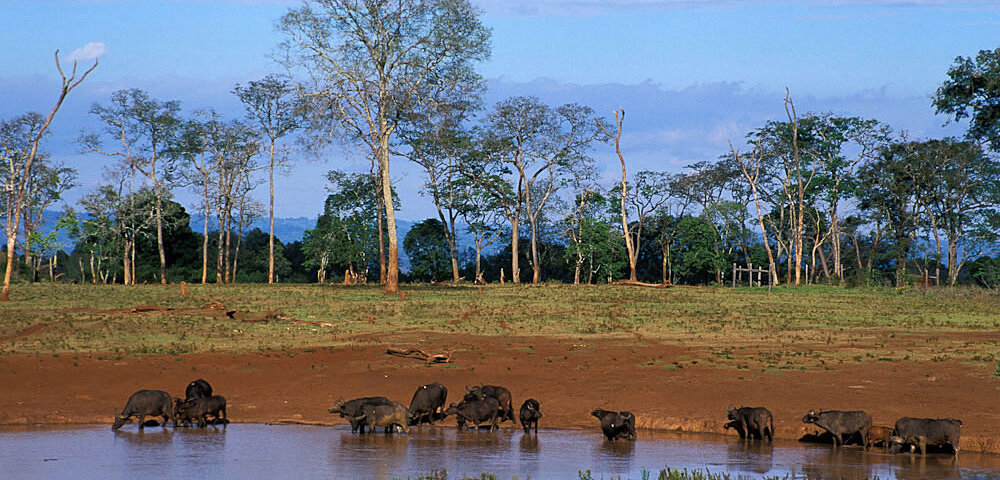
Aberdare National Park Safari Guide
Aberdare National Park delivers a safari experience that feels completely different from the classic African savannah adventure. Instead of endless open plains, travelers step into a world shaped by misty forests, deep valleys, and cool mountain air. This highland setting creates a peaceful atmosphere that allows nature to feel closer, quieter, and more immersive.
The park sits within Kenya’s central highlands and forms part of the greater Aberdare Mountain Range. Because of this unique location, it combines several ecosystems in one destination, including bamboo forests, alpine moorlands, and thick rainforest zones. As a result, wildlife thrives in hidden pockets of nature rather than wide open spaces.
Travelers often choose this destination when they want a slower, more reflective safari. The experience focuses less on fast-paced game drives and more on observation, patience, and connection with the environment. Every journey through the park feels personal and raw, offering moments that stay in memory long after the trip ends.
Location and How to Reach the Park
Aberdare National Park sits in central Kenya, roughly 100 kilometers north of Nairobi. It spreads across Nyeri and Nyandarua counties, forming part of the eastern edge of the Great Rift Valley ecosystem. This central position makes the park highly accessible compared to many remote safari destinations in Africa.
Travelers usually reach the park by road, with a journey time of about three to four hours from Nairobi depending on the chosen entry point. Common access gates include Ark Gate, Treetops Gate, and Shamata Gate. Each route opens into a different section of the park, giving visitors varied starting points for exploration.
The journey itself offers scenic views of rural Kenya, tea plantations, and rolling hills before entering the dense forest zone. This gradual transition builds anticipation as the landscape shifts from farmland to untouched wilderness. Because of its proximity to other major safari destinations such as Mount Kenya, the park also fits easily into extended travel itineraries across Kenya’s northern circuit.
Distinct Landscape and What Makes It Unique
The landscape of Aberdare National Park sets it apart from almost every other safari destination in East Africa. Instead of flat grasslands, the park features dramatic elevation changes, thick vegetation, and mist covered peaks. This creates a layered environment where every turn reveals a new scene.
Waterfalls carve through deep valleys, creating powerful natural features such as Karuru Falls and Gura Falls. Bamboo forests dominate some regions, while open moorlands stretch across higher altitudes. These variations support different types of wildlife and plant life, making the park ecologically rich and visually striking.
The cool mountain climate adds another layer of uniqueness. Unlike hotter savannah parks, Aberdare stays fresh and misty throughout much of the year. This atmosphere creates a sense of calm that enhances the safari experience. The park also remains less crowded, allowing visitors to explore without the pressure of heavy tourism activity.
Together, these natural elements form a destination that feels untouched, mysterious, and deeply connected to nature.
Aberdare National Park Safari: Wildlife Encounters in the Forest and Moorlands
Wildlife in Aberdare National Park thrives in a different rhythm compared to open savannah ecosystems. Animals move through thick vegetation, riverbanks, and forest clearings, often appearing unexpectedly and quietly. Elephants remain one of the most commonly seen large mammals, frequently moving through forest paths and near salt licks.
Buffalo herds also roam across open glades and forest edges, especially during early mornings and late afternoons. Predators such as leopards and hyenas exist in the ecosystem, although they remain difficult to spot due to the dense cover. This makes any sighting feel rare and rewarding.
One of the park’s most special residents is the bongo antelope. This shy and endangered species prefers deep forest areas and rarely appears in open spaces. Its presence adds strong conservation value to the park and attracts serious wildlife enthusiasts.
Birdlife also flourishes here, with hundreds of recorded species. Eagles, sunbirds, and forest dwelling birds create constant movement and sound throughout the day. This combination of mammals and birds makes Aberdare a rich destination for wildlife observation.
Aberdare National Park Safari: Things to Do on Safari
Aberdare National Park offers a variety of safari experiences that go beyond traditional game drives. Guided drives remain the most common activity, allowing visitors to explore forest roads and open clearings while searching for wildlife. These drives feel slower and more exploratory compared to savannah safaris.
Nature walks also provide a deeper connection to the environment. With a guide, travelers learn about animal tracks, medicinal plants, and hidden forest details that often go unnoticed from a vehicle. These walks encourage a slower pace and greater appreciation of the ecosystem.
Bird watching stands out as another major activity due to the park’s high bird diversity. Early mornings provide the best opportunity to observe rare species and hear forest sounds come alive.
Photography also plays a strong role in the safari experience. Misty forests, waterfalls, and wildlife create powerful visual moments that reward both amateur and professional photographers.
In addition, waterfall excursions offer a sense of adventure, especially when visiting sites like Karuru Falls. These experiences together create a balanced safari filled with discovery, exploration, and natural beauty.
Aberdare National Park Safari: Seasonal Guide for the Best Experience
Aberdare National Park remains open throughout the year, but each season changes the experience in meaningful ways. The dry seasons, from June to September and December to February, offer the most reliable wildlife viewing conditions. During this time, animals gather around water sources, making them easier to spot during drives.
The wet seasons, from March to May and October to November, transform the park into a lush green landscape. Forests become denser, waterfalls grow stronger, and the entire environment feels more vibrant. However, roads can become slippery, which may limit access to certain areas.
Temperature plays an important role as well. Higher altitudes remain cool throughout the year, and mornings often feel cold. Travelers should prepare for changing weather conditions regardless of the season.
For wildlife focused trips, dry months work best. For photography, scenery, and fewer crowds, wet months offer a unique advantage. Ultimately, the park delivers value in every season, depending on travel goals.
Aberdare National Park Safari: Travel Tips for a Smooth Visit
A successful visit to Aberdare National Park depends on proper preparation. Warm clothing becomes essential due to the cool highland climate, especially during early mornings and evenings. Layered clothing works best because temperatures change throughout the day.
A 4×4 vehicle ensures safe travel across the park’s rough and sometimes muddy roads. This becomes especially important during rainy seasons when certain routes become challenging.
Hiring a knowledgeable guide greatly improves the experience. Local guides understand animal movement patterns and help visitors spot wildlife that would otherwise go unnoticed. They also share insights about the forest ecosystem.
Travelers should carry binoculars and a good camera. Wildlife often appears at a distance in forested environments, so proper equipment improves viewing and photography.
Finally, patience matters more than anything else. This park rewards observation rather than speed. Taking time to listen, watch, and explore creates a more meaningful safari experience.
Aberdare National Park Safari: Where to Stay Around the Park
Accommodation around Aberdare National Park offers a mix of comfort, adventure, and close contact with nature. Lodges inside and near the park provide different levels of luxury depending on traveler preferences.
Some lodges sit near waterholes or salt licks, where wildlife often appears throughout the day and night. This creates a unique opportunity to observe animals directly from viewing areas without leaving the lodge.
Other accommodation options focus on forest views and mountain scenery. These stays offer quiet surroundings, cool air, and a strong sense of relaxation. They appeal to travelers seeking peace and natural beauty.
Camping provides a more adventurous option for those who want a deeper wilderness experience. Campsites allow visitors to enjoy natural sounds, clear night skies, and a closer connection to the environment.
Each option ensures easy access to the park while offering different levels of comfort and immersion.
Conservation and Environmental Importance
Aberdare National Park plays a vital role in Kenya’s environmental protection system. The park safeguards key water catchment areas that supply water to communities and farms. Its forests regulate rainfall, maintain river flow, and support long term balance. Giant Holiday Safaris highlights these natural functions during guided tours, helping travelers understand the park’s ecological importance.
Wildlife conservation is also central. Rangers and conservation groups protect endangered species such as the bongo antelope and rare predators. Anti-poaching efforts keep populations stable. Through Giant Holiday Safaris, guests learn about these initiatives and witness conservation in action.
Reforestation programs restore damaged areas and strengthen forest cover. These efforts secure a healthy ecosystem for future generations. Giant Holiday Safaris supports such projects by promoting responsible tourism and eco friendly practices.
Tourism contributes directly to conservation funding. Park fees and visitor activities sustain infrastructure, wildlife protection, and community projects. By traveling with Giant Holiday Safaris, visitors ensure their safari experience actively supports conservation and local development.
Final Thoughts on Visiting Aberdare
Aberdare National Park offers a safari experience that feels peaceful, natural, and deeply connected to the land. Its misty forests, rich wildlife, and dramatic scenery create a destination that stands apart from more traditional safari parks. Giant Holiday Safaris ensures travelers enjoy this unique setting through well‑planned itineraries and expert guidance, making every visit seamless and memorable.
Travelers who explore this region discover a quieter side of Kenya, where nature speaks through silence, movement, and atmosphere rather than crowds or noise. With Giant Holiday Safaris, guests experience this authenticity with trusted guides who highlight the park’s hidden gems while maintaining comfort and safety.
This destination suits travelers who value depth over speed and experience over routine sightseeing. It rewards curiosity, patience, and appreciation for untouched landscapes. Giant Holiday Safaris tailors journeys to match these values, offering personalized safaris that emphasize connection and conservation.
In the end, Aberdare stands as one of Kenya’s most meaningful safari destinations, offering not just a visit, but a lasting connection to Africa’s highland wilderness. By choosing Giant Holiday Safaris, travelers gain not only access to this remarkable park but also the assurance of a trusted operator dedicated to creating unforgettable safari experiences.