What are the best honeymoon safari lodges in Kenya?
August 19, 2026
Are Maasai village visits ethical?
August 19, 2026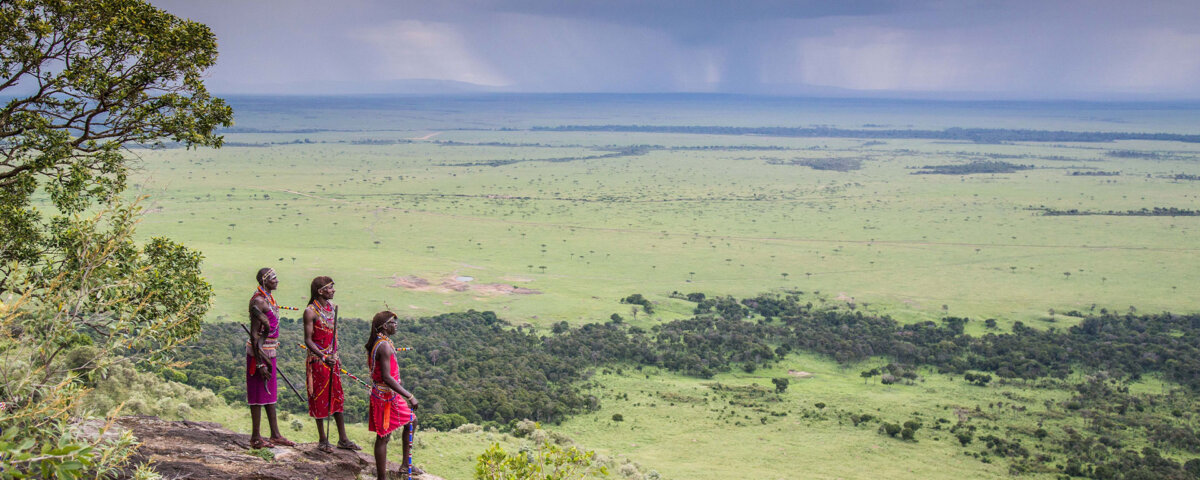
What Are the Best Safari Memories to Expect in Kenya?
Kenya creates safari memories that stay with travelers long after they leave Africa. A safari here goes far beyond taking pictures of wild animals. It brings together dramatic landscapes, close encounters with wildlife, local culture, peaceful evenings in the wilderness, and the excitement of watching nature unfold without a script. From the wide grasslands of the Maasai Mara to the rugged beauty of Samburu, Kenya gives travelers many ways to experience the African wilderness.
For first-time visitors, knowing what to expect makes the journey even more meaningful. You may arrive hoping to see lions, elephants, or the Great Migration, but the memories that remain strongest often come from unexpected moments. A herd of elephants may cross the road directly in front of your vehicle. A lion may rest quietly beneath an acacia tree. A giraffe may walk across the horizon as the sun turns the sky gold. Meanwhile, an early morning game drive can reveal a completely different side of the wilderness.
Kenya also offers a strong connection between wildlife and people. Communities living near conservation areas play an important role in protecting wildlife and maintaining cultural traditions. Therefore, a well-planned safari allows travelers to enjoy nature while gaining a deeper understanding of the people and landscapes that make Kenya special.
Whether you are planning your first African safari, returning for another adventure, or searching for an unforgettable family holiday, Kenya provides a rich collection of experiences. The following safari memories can help you understand what makes a Kenyan safari so powerful and why travelers continue to place Kenya among Africa’s most rewarding wildlife destinations.
Combined Uganda, Kenya, Rwanda and Tanzania Safaris
17 days Kenya Tanzania and Uganda safari
19 Days Uganda Kenya and Tanzania Safari
16 Days Kenya Tanzania and Uganda Safari
14 Days Kenya Uganda and Tanzania Safari
14 Days Kenya Uganda and Rwanda Safari
12 Day Gorilla Trekking and Tanzania Safari
Watching the African Sunrise on an Early Morning Game Drive
One of the most beautiful safari memories in Kenya often begins before sunrise. An early morning game drive places you in the wilderness while the landscape still feels cool, quiet, and untouched. As the first light appears, the sky gradually changes from deep blue to orange and gold. At the same time, wildlife begins to become active after the cooler night.
Early morning drives provide excellent opportunities to observe predators. Lions often move across open grasslands before the heat of the day becomes intense. Cheetahs may search for suitable hunting grounds, while leopards can sometimes appear along woodland edges. You may also find herds of antelope moving through the grass, zebras feeding peacefully, and giraffes browsing among acacia trees.
However, the greatest memory may not involve a rare animal at all. Sometimes the silence creates the strongest impression. You can hear birds calling in the distance, feel the cool morning air, and watch the sun rise over an enormous African landscape. That combination gives the safari a sense of adventure that a normal wildlife visit cannot provide.
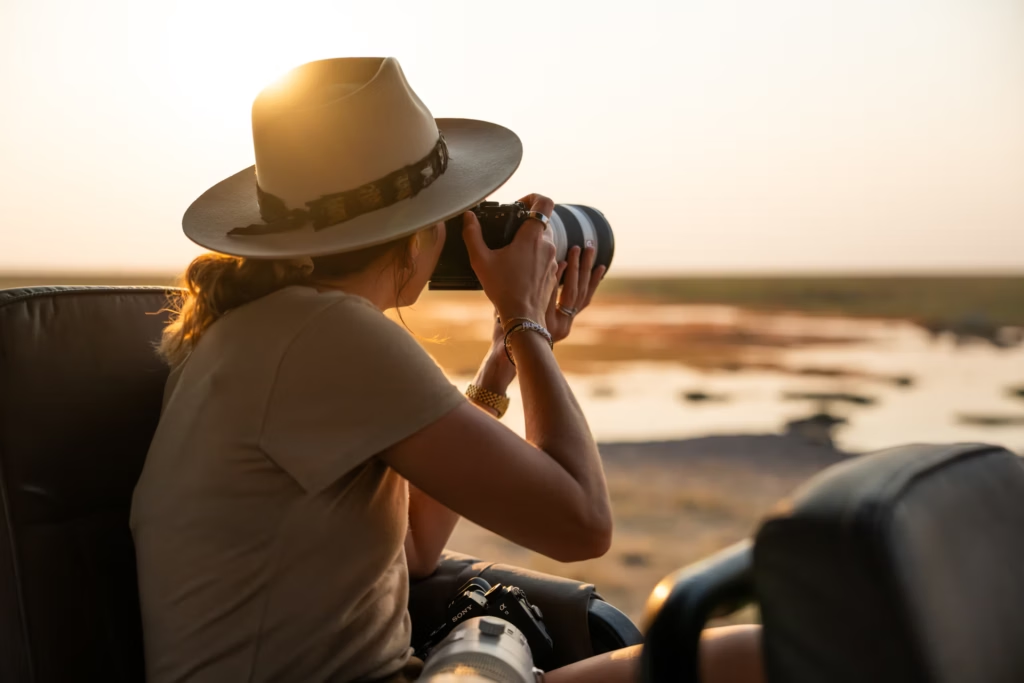
For photographers, early morning also offers beautiful natural light. The soft golden glow creates depth and warmth without the harsh shadows that often appear later in the day. Consequently, an early game drive can become one of the most memorable parts of an entire Kenya safari.
Experiencing Close Wildlife Encounters in the Maasai Mara
The Maasai Mara remains one of Kenya’s most famous safari destinations because of its rich wildlife and open landscapes. Its rolling plains create an excellent setting for game viewing, particularly during the dry seasons when animals gather around available water and grazing areas.
A close wildlife encounter can quickly become the story you remember most. Imagine driving across the plains and suddenly seeing a pride of lions resting near your vehicle. You may watch them groom one another, interact with their young, or simply lie beneath the shade of a tree. Because experienced safari guides understand animal behavior, they can often position the vehicle at a respectful distance while giving you a clear view.
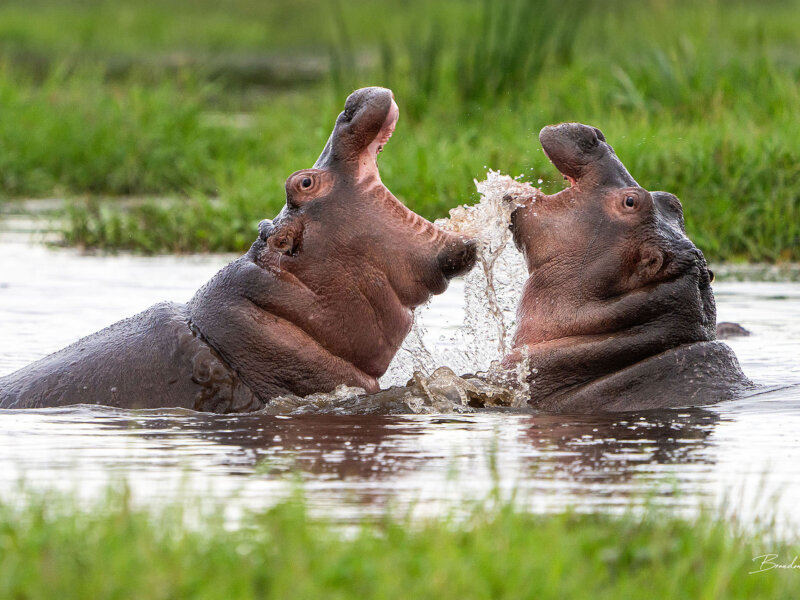
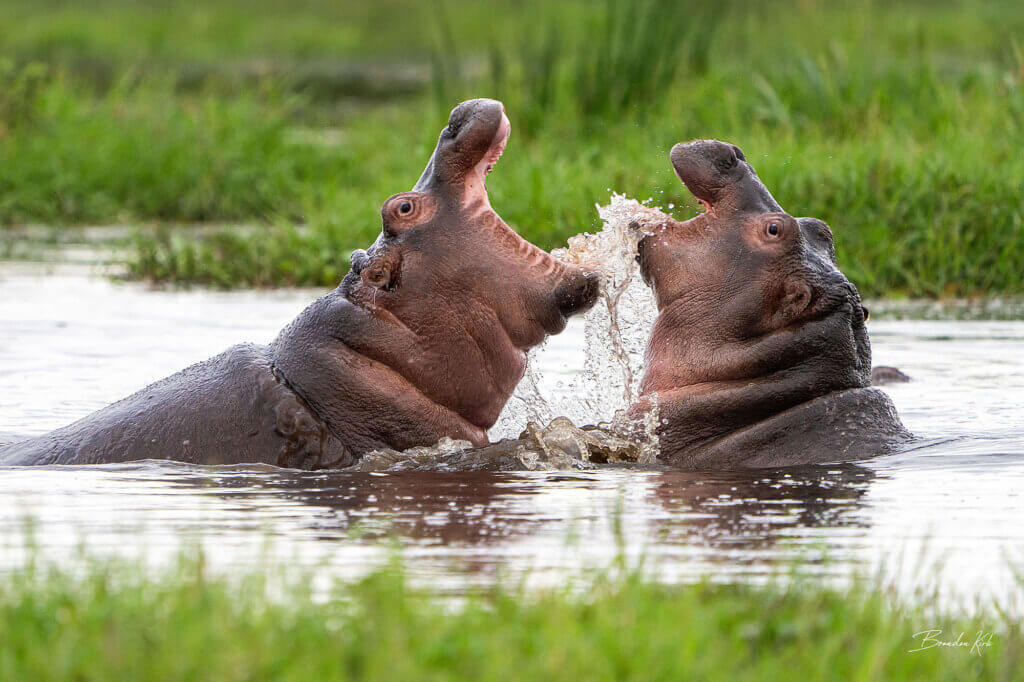
The Maasai Mara also supports large populations of elephants, buffaloes, giraffes, zebras, wildebeest, hippos, crocodiles, and many antelope species. Bird lovers can also discover numerous species throughout the reserve and surrounding conservancies.
Importantly, responsible wildlife viewing should always remain a priority. Animals need space, and good safari practice avoids unnecessary disturbance. Travelers should keep voices low, follow guide instructions, avoid sudden movements, and never attempt to feed or approach wild animals.
These simple practices improve both safety and conservation. More importantly, they allow you to experience wildlife behavior naturally rather than turning the encounter into a staged performance.
Witnessing the Great Migration Across the Mara Ecosystem
For many international travelers, witnessing the Great Migration represents the ultimate Kenya safari memory. Every year, huge numbers of wildebeest, zebras, and other grazing animals move through the Mara ecosystem as part of a long natural cycle driven by rainfall, fresh grass, and water availability.
The migration creates dramatic scenes, but it also teaches an important lesson about nature. Wildlife does not follow a tourist timetable. Rainfall patterns influence movement, and conditions can change from year to year. Therefore, no responsible safari operator should promise an exact migration event on a particular day.
When conditions align, however, the experience can become extraordinary. Large herds may stretch across the plains as far as the eye can see. Dust rises behind moving animals, predators remain nearby, and the entire landscape appears alive with movement.
River crossings create some of the most famous migration scenes, especially around the Mara River. Yet travelers should understand that crossings remain unpredictable and can involve long periods of waiting. That uncertainty forms part of the authentic experience.
Instead of focusing only on getting a perfect photograph, take time to appreciate the wider scene. Watch how the herds move, notice the birds following the animals, observe the crocodiles in the river, and listen to the sounds of the surrounding wilderness. That broader perspective turns a wildlife sighting into a meaningful safari memory.
Meeting Elephants in Their Natural Habitat
Elephants create some of the most powerful safari moments in Kenya. Their size immediately captures attention, yet their social behavior often creates an even stronger impression. Families stay together, young elephants remain close to adults, and older members of the herd often guide movement.
Kenya offers several excellent places to encounter elephants. Amboseli National Park stands out because of its spectacular views toward Mount Kilimanjaro and its large elephant populations. Watching elephants move across open plains with the mountain rising behind them can create an unforgettable African scene.
The experience becomes even more interesting when you slow down and observe behavior rather than simply counting animals. You may see elephants using their trunks to feed, dusting themselves to protect their skin, communicating with one another, or guiding young calves through difficult terrain.
Responsible viewing matters greatly with elephants. Their size does not mean they cannot feel threatened. A safari vehicle should maintain an appropriate distance and allow the animals enough space to move freely.
For travelers, this creates a different kind of wildlife memory. Instead of simply seeing an elephant, you begin to understand its family structure, intelligence, strength, and importance within the ecosystem. That deeper connection can make the encounter one of the defining moments of your Kenya safari.
Discovering Lions During a Kenya Safari
Seeing a lion in the wild can transform an ordinary game drive into a moment you remember for years. Kenya’s major wildlife areas support strong lion populations, giving travelers a good chance of encountering these iconic predators.
Lions behave differently throughout the day. During cooler periods, they may move, hunt, interact with their pride, or search for water. During hotter hours, they often rest in shade and conserve energy. Understanding this pattern helps travelers appreciate why patience matters during a game drive.
A safari guide may spot a lion before anyone else because guides develop strong observation skills through years of experience. A flick of a tail behind grass, movement beneath a tree, or unusual activity among nearby animals can reveal a predator that an untrained eye might miss.
The best lion memories often involve behavior rather than proximity. Watching cubs play around adults, seeing a pride move together, or observing a lioness carefully scan the plains can provide far more meaning than simply driving close to an animal for a photograph.
Always remember that a lion remains a wild predator. Keeping a safe distance and following safari rules protects both visitors and wildlife. Respectful viewing also supports the long term future of wildlife tourism in Kenya.
Exploring Kenya Beyond the Big Five
The Big Five attract enormous attention, but Kenya offers much more than lions, leopards, elephants, buffaloes, and rhinos. Some of the most rewarding safari memories come from animals that travelers may not expect to see.
You might encounter graceful giraffes feeding high in acacia trees, brightly colored birds moving between bushes, warthogs running across open ground, or groups of zebras standing together on the plains. You may also see hyenas, jackals, hippos, crocodiles, gazelles, impalas, hartebeests, and many other species.
Birdlife deserves special attention. Kenya’s diverse ecosystems support a remarkable range of bird species, from large raptors and secretary birds to colorful kingfishers and smaller woodland species. Travelers who slow down and listen often discover that the sounds of birds create an important part of the safari atmosphere.
This wider approach to wildlife viewing can make your safari more rewarding. Instead of measuring success only by the number of famous animals you see, you begin to appreciate how different species interact within the ecosystem.
Furthermore, smaller animals can offer excellent photographic opportunities. A colorful bird perched on a branch, a chameleon crossing a path, or a group of young antelope playing can create photographs with personality and detail.
Therefore, keep your eyes open throughout the game drive. Kenya’s wilderness constantly provides small surprises, and some may become your favorite memories.
Watching the Sunset Across the Kenyan Wilderness
Few safari experiences compare with watching the sun disappear across the African plains. After hours of wildlife viewing, the landscape changes as the afternoon light becomes warmer and softer. Grasslands turn golden, trees create long shadows, and the sky may develop deep shades of orange, pink, purple, and red.
A safari sunset provides an opportunity to slow down. You no longer need to search constantly for wildlife. Instead, you can simply observe the landscape and appreciate the atmosphere.
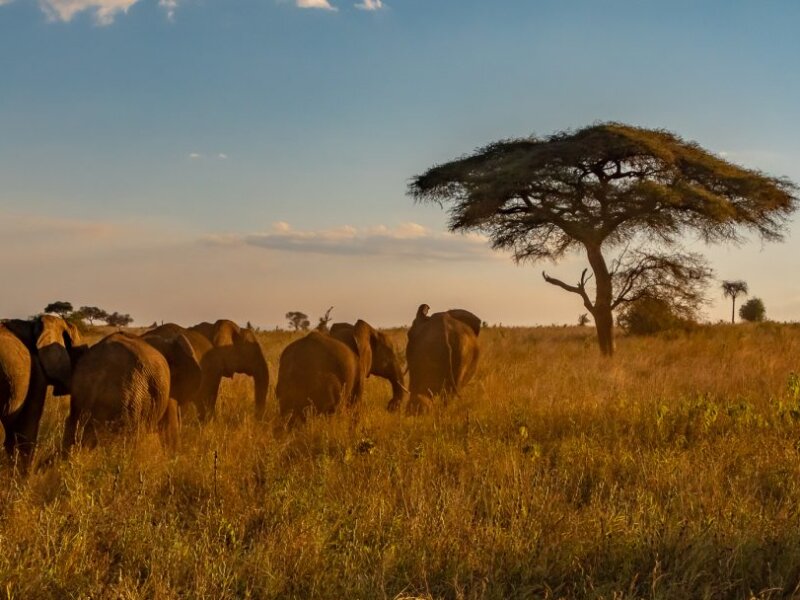
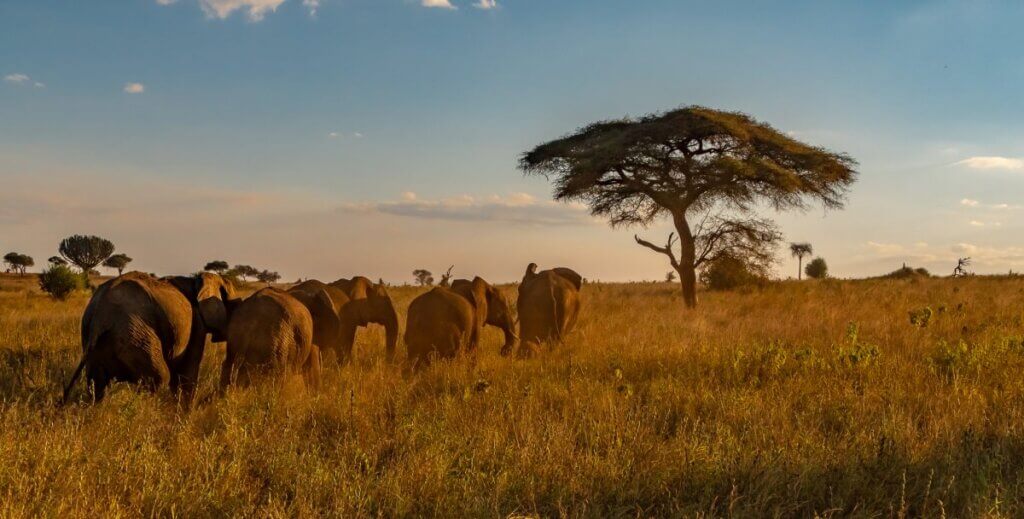
Sometimes animals become silhouettes against the evening sky. A giraffe walking across the horizon can create an unforgettable scene, while elephants moving slowly through golden grass can make the wilderness appear almost timeless.
The sunset also marks a transition in the safari day. As darkness approaches, many daytime animals settle down while nocturnal species begin becoming active. The change creates anticipation for the evening ahead.
Travelers should also remember that safari rules and park regulations determine where and when vehicles can operate. A responsible safari experience respects these limits while making the most of legal viewing opportunities.
For many visitors, the sunset becomes more than a beautiful photograph. It represents a quiet moment of reflection after an exciting day and often becomes one of the memories they carry home from Kenya.
Enjoying the Sounds of the African Night
Safari memories do not end when the sun goes down. In fact, the African night can introduce a completely different experience. After dinner, the wilderness becomes darker and quieter, yet it never becomes completely silent.
You may hear insects, frogs, birds, distant animal calls, or movement within nearby vegetation. In some areas, trained guides can help travelers understand these sounds and identify the creatures responsible for them.
A night in the wilderness also creates a stronger appreciation for how much life exists beyond what humans can see. During the day, sunlight makes it easier to observe animals. At night, sound, movement, and natural instincts become more important.
Some safari camps and lodges offer guided night activities in areas where regulations allow them. These experiences can reveal nocturnal species such as bush babies, genets, civets, and other night-active animals.
Even when you remain at camp, the experience can feel special. Sitting beneath a dark African sky and seeing stars without the bright lights of a major city creates a powerful sense of connection with nature.
For travelers from urban environments, this experience can feel completely different from everyday life. The quiet encourages you to slow down, pay attention, and enjoy the natural world without constant digital distractions.
Learning About Maasai Culture and Community Life
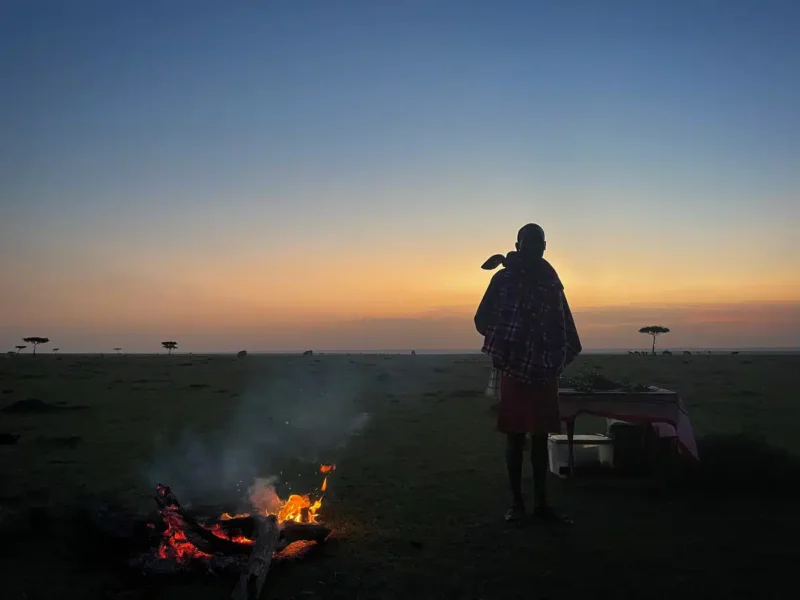
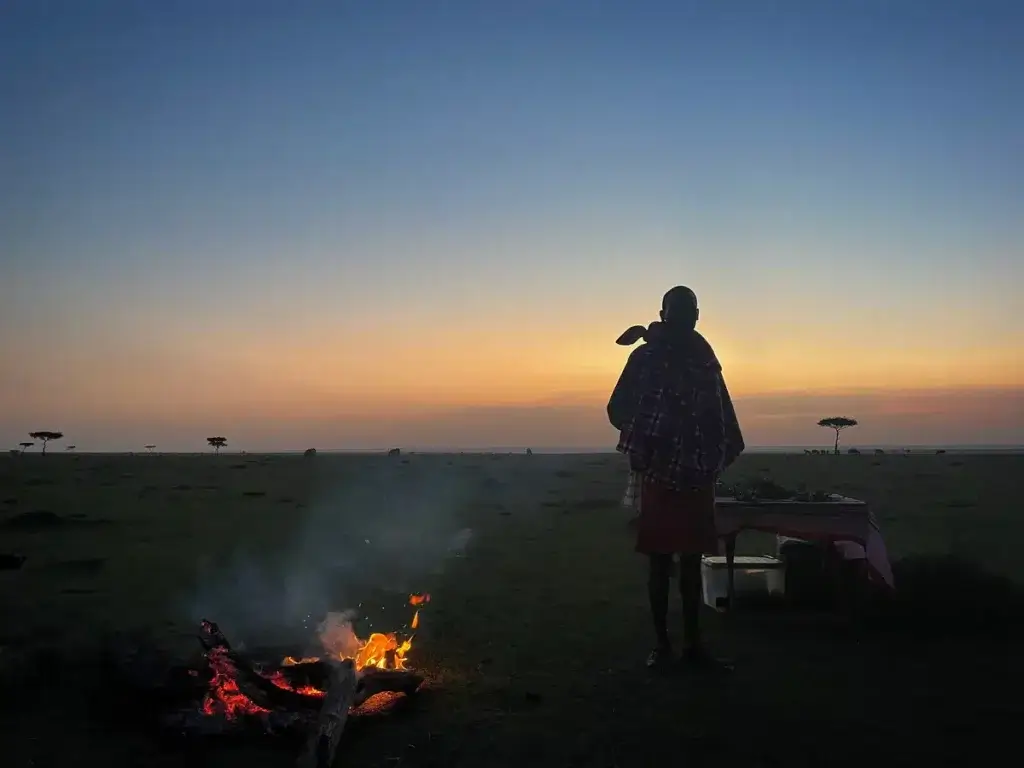
A Kenya safari becomes richer when travelers understand that wildlife exists within a human landscape. Maasai communities have a long cultural connection with areas surrounding several famous wildlife destinations, particularly in southern Kenya.
A respectful cultural experience can provide valuable insight into traditional livelihoods, family structures, crafts, music, food, and relationships with the natural environment. However, travelers should approach community visits with respect rather than treating culture as a performance created solely for tourism.
Responsible tourism should benefit local communities. Choosing reputable operators and community-based experiences can help ensure that tourism contributes to local livelihoods and conservation.
Meeting community members can also help travelers understand the challenges and opportunities that arise when people and wildlife share the same landscape. Communities living near conservation areas may face encounters with wildlife, competition for land and resources, and changing economic conditions.
At the same time, tourism can create employment, support education, strengthen conservation initiatives, and provide markets for locally produced goods.
Therefore, a meaningful cultural experience should leave travelers with more than photographs. It should create greater respect for the people who live around Kenya’s wildlife areas and contribute to a broader understanding of conservation in Africa.
Experiencing Kenya’s Diverse Safari Landscapes
Kenya’s safari experience becomes especially memorable because the country does not offer only one type of landscape. Different regions provide completely different scenery, wildlife patterns, and travel experiences.
The Maasai Mara features wide grasslands and rolling plains. Amboseli combines open landscapes with dramatic views toward Mount Kilimanjaro. Samburu offers a more rugged setting with dry hills, river systems, and distinctive wildlife. Lake Nakuru provides a different environment where visitors can combine wildlife viewing with beautiful lake scenery.
This variety allows travelers to create a safari itinerary that matches their interests. Someone who loves photography may prioritize landscapes and dramatic wildlife backdrops. A family may prefer destinations with strong wildlife viewing and comfortable lodges. A repeat safari traveler may want to explore less familiar regions and discover species or habitats they have not encountered before.
Consequently, safari planning should consider more than the number of days available. The location, season, travel time, accommodation style, conservation model, and desired wildlife experiences all influence the quality of the journey.
A well-designed itinerary creates balance. Instead of spending every day rushing between destinations, allow enough time in each area to observe wildlife without feeling pressured. This approach produces deeper experiences and gives guides more opportunities to find interesting wildlife behavior.
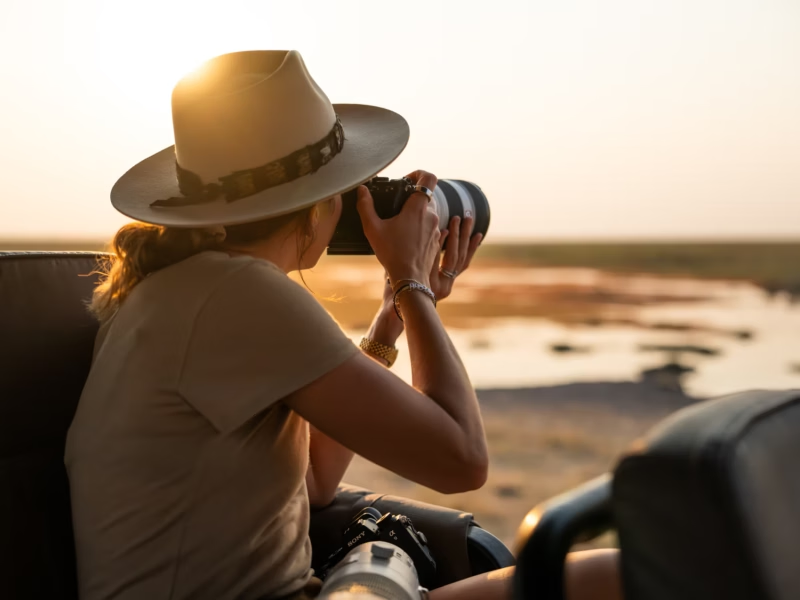
Taking Safari Photographs That Tell a Story
Photography naturally forms part of modern safari travel, but the best safari photographs do more than show an animal. They capture a moment, environment, emotion, or behavior.
Instead of focusing only on close-up portraits, include the surrounding landscape. A lion beneath an acacia tree tells a stronger story when the photograph also shows the open plains around it. An elephant becomes even more impressive when its family group and habitat appear in the frame.
Patience plays a major role in wildlife photography. Animals rarely follow instructions, and the most interesting moment may occur after several minutes of waiting. Therefore, avoid rushing from one sighting to another simply to collect photographs.
Good safari photography also requires ethical behavior. Never ask a guide to drive dangerously close to an animal or leave permitted roads simply for a better picture. A photograph is not worth disturbing wildlife or damaging the environment.
Most importantly, remember to experience the moment with your own eyes. Cameras can capture images, but they cannot fully capture the smell of the grass after rain, the sound of distant birds, the warmth of the morning sun, or the excitement of watching wild animals behave naturally.
Those sensory memories often remain stronger than photographs.
Enjoying the Comfort and Hospitality of Safari Lodges
A safari combines adventure with comfort, and the accommodation can become an important part of the overall experience. Kenya offers a wide range of safari lodges, tented camps, luxury properties, family-friendly camps, and smaller conservation-focused accommodations.
The best choice depends on your travel style, budget, location, and expectations. Some travelers prefer luxury and privacy, while others value an intimate camp that keeps them close to nature. Families may prioritize spacious rooms and practical facilities, while couples may prefer secluded settings and private dining.
Food also forms part of the safari memory. After a long game drive, enjoying a fresh meal in the wilderness can feel especially rewarding. Many lodges create dining experiences that allow guests to enjoy the surrounding scenery while maintaining appropriate safety standards.
Evenings around a campfire can provide another memorable moment. Travelers can relax after a day in the vehicle, discuss wildlife sightings, and prepare for the next day’s adventure.
However, comfort should not overshadow sustainability. Travelers should consider accommodation providers that take conservation, waste management, energy use, water protection, and community support seriously.
When accommodation supports the surrounding ecosystem and communities, your stay contributes to a tourism model that can help protect Kenya’s natural heritage for future generations.
Creating Family Safari Memories in Kenya
Kenya can create powerful family memories because children and adults experience wildlife with genuine excitement. Seeing an elephant, giraffe, lion, or zebra in the wild can make lessons about nature feel real rather than theoretical.
Families should choose safari programs that match the children’s ages and attention spans. Younger children may benefit from shorter drives, flexible schedules, and accommodations designed for families. Older children may enjoy longer wildlife drives, conservation discussions, photography, and cultural activities.
Parents can also turn the safari into an educational experience. Encourage children to observe animal behavior, identify different species, listen to bird calls, and learn why conservation matters.
At the same time, safety should remain central. Children must understand that wild animals remain unpredictable even when they appear calm. Following guide instructions, staying inside designated areas, and maintaining appropriate behavior around wildlife helps protect everyone.
The strongest family memories often come from simple moments: a child’s excitement at seeing a giraffe for the first time, everyone waking early for a game drive, sharing stories after dinner, or watching the sunset together.
Years later, those moments can become stories that families continue to share.
Understanding Responsible Safari Tourism in Kenya
A truly memorable safari should also leave a positive impact. Responsible tourism helps protect wildlife, support communities, and preserve Kenya’s natural landscapes.
Travelers can contribute by choosing experienced safari operators, respecting park regulations, avoiding litter, reducing unnecessary plastic use, and supporting local businesses. Buying authentic locally made crafts can also provide direct economic benefits to communities when the products come through fair and responsible channels.
Wildlife viewing requires discipline. Do not feed animals, shout at wildlife, encourage vehicles to crowd animals, or request unsafe driving behavior for photographs. These actions can increase stress for wildlife and reduce the quality of the experience for other visitors.
Conservation also depends on local communities. Tourism works best when people living near wildlife areas can see meaningful benefits from protecting nature. Employment, education, community enterprises, and conservation partnerships can strengthen the relationship between tourism and wildlife protection.
As a traveler, your choices influence the industry. Selecting responsible services helps create demand for ethical tourism practices.
Ultimately, the best safari memory is not simply remembering what you saw. It is knowing that your journey respected the places, animals, and people that made the experience possible.
Why Kenya Creates Safari Memories That Last a Lifetime
Kenya creates lasting safari memories because it combines wildlife, landscapes, culture, adventure, and human connection in one destination. Every game drive can bring something different. One morning may focus on predators, another may reveal elephants, and another may become a peaceful journey through a landscape filled with birds and grazing animals.
The unpredictability of nature makes each safari personal. Two travelers can visit the same reserve during the same season and return home with completely different stories. One may remember a lion pride, another may remember a herd of elephants, while someone else may treasure a sunrise, a cultural encounter, or a quiet evening beneath the stars.
That variety gives Kenya its strength as a safari destination. You do not need to chase every famous experience to have a meaningful journey. Instead, give yourself time to observe, learn, and appreciate the wilderness.
A strong safari also depends on good planning. The right destination, season, accommodation, guide, vehicle, itinerary, and conservation approach can make a major difference. Experienced planning helps reduce unnecessary travel time and creates more opportunities for genuine wildlife encounters.
Most importantly, travel with realistic expectations. Wildlife remains wild, weather changes, migration patterns shift, and sightings cannot always follow a schedule. That uncertainty is part of what makes a safari authentic.
Final Thoughts: Building Your Kenya Safari With Giant Holiday Safaris
The best safari memories in Kenya come from experiences that connect you with the wild rather than simply taking you through a checklist of attractions. From sunrise game drives and unforgettable wildlife encounters to Great Migration moments, elephant sightings, Maasai cultural experiences, golden sunsets, and peaceful nights in the wilderness, Kenya offers countless opportunities to create stories that remain meaningful for years.
A successful safari requires more than choosing a famous national park. It requires thoughtful planning, reliable ground arrangements, experienced guides, responsible wildlife viewing, suitable accommodation, and an itinerary that matches your interests. When these elements come together, every day becomes part of a larger African adventure.
For travelers exploring Kenya from different parts of the world, working with a trusted tourism specialist can make the experience smoother and more rewarding. Giant Holiday Safaris brings together destination knowledge, safari planning expertise, and a strong understanding of what international travelers need when exploring Kenya and the wider African tourism landscape.
Whether your dream involves watching lions across the Maasai Mara, seeing elephants beneath Mount Kilimanjaro, experiencing the Great Migration, discovering Kenya’s diverse landscapes, or sharing your first safari with family, the right planning can turn that dream into a lasting memory.
Kenya does not simply offer a safari. It offers moments that can change how you see wildlife, nature, culture, and Africa itself. The memories begin with the journey, grow through every encounter, and remain long after the safari vehicle disappears from the plains.