Are open-roof safari vehicles safe?
August 15, 2026
Which Kenya safaris are best for families with kids?
August 17, 2026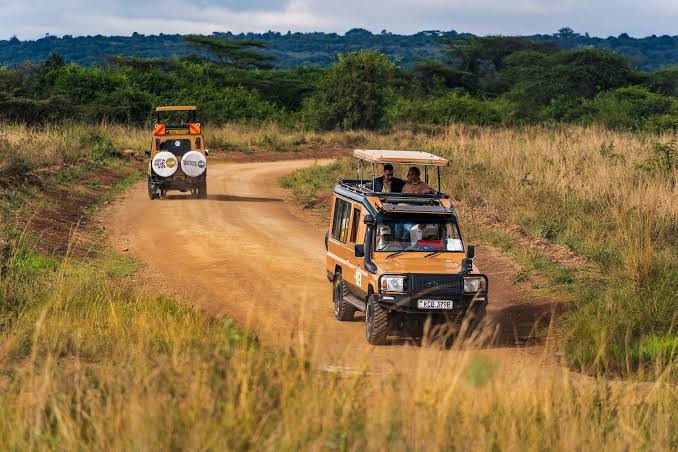
What Are the Best Safari Vehicles in Kenya?
A great Kenyan safari depends on more than choosing the right national park, wildlife experience, or travel season. The safari vehicle also plays a major role in how comfortably and safely you explore the wilderness. Kenya offers some of Africa’s most rewarding wildlife destinations, including the Maasai Mara, Amboseli, Tsavo East, Tsavo West, Samburu, Lake Nakuru, and Laikipia. Each destination presents different landscapes and wildlife conditions, so choosing the right safari vehicle can make your experience much better.
The best safari vehicles in Kenya combine comfort, strong off-road performance, excellent visibility, safety, and enough space for passengers and luggage. Most professional safari operators use specially modified 4×4 vehicles because ordinary cars cannot handle rough tracks, muddy sections, rocky ground, and uneven terrain found in many wildlife areas. Furthermore, a proper safari vehicle gives travelers a better viewing position, making it easier to photograph elephants, lions, leopards, giraffes, buffaloes, and other wildlife.
However, not every safari vehicle suits every traveler. Families may need more interior space, couples may prefer a private and comfortable vehicle, while photographers often prioritize window access, roof design, and stability. Therefore, understanding the main types of safari vehicles in Kenya helps you make a confident decision before your journey begins.
Combined Uganda, Kenya, Rwanda and Tanzania Safaris
17 days Kenya Tanzania and Uganda safari
19 Days Uganda Kenya and Tanzania Safari
16 Days Kenya Tanzania and Uganda Safari
14 Days Kenya Uganda and Tanzania Safari
14 Days Kenya Uganda and Rwanda Safari
12 Day Gorilla Trekking and Tanzania Safari
4×4 Safari Land Cruisers
The Toyota Land Cruiser remains one of the most popular safari vehicles in Kenya, and for good reason. Its combination of reliability, strong off road capability, passenger comfort, and durability makes it especially suitable for long wildlife journeys. Safari operators commonly modify Land Cruisers specifically for tourism, creating vehicles that can handle demanding conditions while providing travelers with excellent wildlife viewing opportunities.
A safari Land Cruiser usually features large windows, raised seating, a pop-up roof, comfortable seats, seat belts, charging points, and storage space. The elevated viewing position gives passengers a wider view across grasslands and open plains. When a lion rests in tall grass or a cheetah moves across the savannah, this extra height can make a noticeable difference.
Moreover, Land Cruisers perform well on rough roads. Kenya’s parks can contain deep sand, loose stones, muddy tracks, steep sections, and uneven surfaces. A properly maintained 4×4 helps the driver navigate these conditions with greater control.
For travelers planning a multi-day safari, the Land Cruiser offers another important advantage: comfort. Spending several hours inside a vehicle can become tiring, especially when visiting several parks. A well designed Land Cruiser provides enough space to move slightly, store personal belongings, and enjoy long game drives without feeling excessively cramped.
For many international visitors, a customized 4×4 Land Cruiser represents the best overall choice for a Kenyan safari because it balances performance, comfort, safety, and wildlife visibility.
Safari Vans for Budget-Friendly Wildlife Trips
Safari vans provide another practical option for travelers who want to explore Kenya’s national parks while keeping their safari costs manageable. These vehicles often use four wheel drive or suitable off road configurations and receive modifications for wildlife viewing. A typical safari van includes large windows, elevated seating, a pop-up roof, and several passenger seats.
One of the biggest advantages of a safari van is affordability. Because the vehicle can accommodate several travelers, operators can spread transportation costs across a larger group. This arrangement works particularly well for solo travelers, friends, students, and families looking for a more economical safari.
Safari vans also offer good visibility. With the roof raised, passengers can stand or sit comfortably while watching animals across the surrounding landscape. The large windows allow travelers to follow wildlife even when the vehicle remains closed or the roof cannot be used.
However, travelers should understand that safari vans do not always match the off road capability of a customized Land Cruiser. This difference becomes more important when visiting areas with particularly challenging terrain or when traveling during periods of heavy rain.
For popular destinations with established roads and frequently used game-drive routes, a good safari van can still deliver an excellent wildlife experience. The key lies in choosing a reputable operator that maintains its vehicles properly and employs experienced safari drivers.
Why 4×4 Vehicles Are Better for Kenya Safaris
Kenya’s wildlife destinations require vehicles that can handle conditions far beyond normal city driving. A 4×4 safari vehicle distributes engine power across multiple wheels, helping it maintain traction when traveling through sand, mud, loose soil, and rough terrain. This capability becomes especially useful when game drives take travelers away from smoother roads.
For example, some sections of the Maasai Mara can become muddy after heavy rainfall. Similarly, parts of Tsavo contain rugged terrain, while Samburu presents dry, rocky landscapes. A strong four wheel drive system allows experienced drivers to approach these conditions with greater confidence.
4×4 vehicles also offer flexibility. Wildlife rarely follows roads or convenient viewing points. A professional driver may need to navigate a rough track to reach a good observation area while still respecting park regulations and responsible wildlife-viewing practices.
Another advantage comes from ground clearance. A raised chassis reduces the chance of the vehicle’s underside striking rocks, deep ruts, or other obstacles. Strong suspension also helps absorb some of the shocks created by uneven roads.
However, four wheel drive alone does not make a vehicle a good safari vehicle. The vehicle needs proper maintenance, suitable tires, strong suspension, functional safety equipment, and a driver who understands both the vehicle and the terrain. Therefore, travelers should evaluate the entire safari service rather than focusing only on the 4×4 badge.
Pop-Up Roofs and Wildlife Viewing
A pop up roof is one of the most valuable features of a Kenyan safari vehicle. It allows passengers to stand or sit higher inside the vehicle while enjoying an almost unobstructed view of the surrounding landscape. This design works particularly well on open savannahs where wildlife can appear in different directions.
The roof also provides excellent opportunities for photography. Travelers can position cameras above the vehicle’s edge and capture wider views without constantly shooting through glass. This feature becomes especially useful when watching elephants, giraffes, zebras, wildebeest, lions, and other large animals.
Furthermore, the elevated viewing position helps travelers scan the landscape. A guide can point toward a distant animal, and passengers can quickly look over the surrounding vegetation without relying entirely on small windows.
Nevertheless, passengers should follow the driver’s instructions when using a pop up roof. Wildlife remains wild, regardless of how familiar animals may appear around safari vehicles. Travelers should avoid sudden movements, shouting, leaning dangerously outside the vehicle, or attempting to attract animals.
A good safari vehicle therefore combines a practical roof design with responsible wildlife practices. The goal should always remain respectful observation rather than interfering with animal behavior.
Open-Sided Safari Vehicles
Open sided safari vehicles offer an exciting alternative for selected safari experiences in Kenya. These vehicles provide excellent airflow, wide visibility, and an immersive connection with the surrounding environment. Instead of viewing the landscape through closed windows, travelers can experience the sounds, smells, and atmosphere of the African bush more directly.
This design can feel particularly rewarding during early morning and late afternoon game drives. Travelers may hear birds calling, watch antelope moving through grasslands, or feel cool air passing through the vehicle as the sun rises over the savannah.
However, open sided vehicles require careful consideration. Dust, wind, insects, and changing temperatures can affect comfort. They may also provide less protection from the elements than enclosed vehicles. Therefore, travelers should prepare appropriately with hats, light layers, sunglasses, sunscreen, and suitable clothing.
Open-sided vehicles also require strict attention to wildlife safety. Passengers must remain seated when instructed and avoid reaching toward animals. Experienced guides understand animal behavior and know when an open vehicle is suitable for a particular setting.
For travelers seeking a more immersive experience, open sided safari vehicles can provide memorable game drives. However, they work best when matched with the right destination, season, and safari style.
Safari Vehicles for Photographers
Wildlife photographers have different requirements from ordinary safari travelers. A vehicle that works perfectly for a family may not provide enough flexibility for someone carrying several cameras, lenses, tripods, beanbags, and other equipment.
A photography focused safari vehicle should provide good window access, adequate legroom, stable seating, charging facilities, storage space, and enough room to position equipment safely. The vehicle should also allow photographers to react quickly when wildlife moves into a better position.
The pop up roof can help with wide angle landscape photography, while large windows can provide useful shooting angles when photographing animals close to the vehicle. Some specialized vehicles also provide additional space between seats, allowing photographers to work without constantly disturbing other passengers.
Vehicle stability also matters. Sudden movement can ruin a carefully composed photograph. Experienced safari drivers therefore play an important role by positioning the vehicle smoothly and maintaining a respectful distance from wildlife.
Photographers should also consider whether they need a private vehicle. Sharing with a large group can limit positioning options because everyone may have different photographic goals. A private safari vehicle provides much greater flexibility, especially during major wildlife events such as the wildebeest migration.
For serious photographers, the vehicle becomes part of the photography equipment. Choosing the right setup can improve both comfort and the quality of the final images.
Best Safari Vehicles for Families
Families traveling to Kenya need vehicles that provide comfort, safety, and sufficient space. Children may become tired during long game drives, so a cramped vehicle can quickly turn an exciting adventure into an uncomfortable experience.
A spacious Land Cruiser often works well for families because it provides generous seating, good visibility, and room for essential travel items. Parents can also benefit from having easy access to water, snacks, jackets, cameras, and other necessities.
Safety should remain the highest priority. Families should choose vehicles equipped with functioning seat belts and maintained by reputable safari operators. Parents should also follow park rules and guide instructions throughout every game drive.
Travel time matters as well. Some parks require long drives between accommodation and wildlife areas. Therefore, a comfortable vehicle with supportive seats and sufficient legroom can significantly improve the overall experience.
Families should also consider a private safari vehicle when possible. Private transport allows parents to adapt the schedule to children’s needs. For instance, the family can return to the lodge earlier if children become tired rather than following a fixed group itinerary.
Ultimately, the best family safari vehicle combines mechanical reliability with human comfort. A professional driver, thoughtful itinerary, safe vehicle, and suitable accommodation all work together to create a successful family safari in Kenya.
Best Safari Vehicles for Luxury Travelers
Luxury safari travelers often expect more than basic transportation. They want comfort, privacy, space, smooth travel, and personalized service. Kenya’s high end safari market provides vehicles designed to meet these expectations.
A premium safari Land Cruiser can include spacious seats, additional legroom, charging facilities, cool boxes, quality suspension, and private configurations. Some luxury operators also customize vehicles for individual travelers, couples, or small groups.
Comfort becomes especially important on longer game drives. A luxury vehicle should reduce unnecessary vibration, provide comfortable seating, and allow passengers to enjoy the landscape without feeling exhausted after several hours.
Privacy also adds significant value. A private vehicle allows travelers to control the pace of the safari and spend more time at sightings that interest them. Wildlife enthusiasts can remain longer with a pride of lions, while photographers can wait patiently for the right moment without worrying about a larger group.
Luxury, however, should never mean sacrificing the safari experience. The best vehicle still needs excellent off-road performance, strong visibility, reliable communication, and a knowledgeable driver guide.
For international travelers investing in a premium Kenyan safari, the vehicle should complement the accommodation, guiding, meals, and overall itinerary. Every part of the journey should feel connected, reliable, and carefully planned.
What Makes a Good Kenyan Safari Vehicle?
A good safari vehicle needs more than an attractive appearance. Reliability should come first because a vehicle failure in a remote wildlife area can disrupt an entire safari. Operators should maintain engines, tires, suspension systems, brakes, cooling systems, electrical components, and communication equipment regularly.
Comfort comes next. Travelers may spend many hours inside the vehicle, so supportive seats, enough legroom, good ventilation, and adequate storage make a major difference.
Visibility also matters. Large windows and a raised roof allow passengers to see wildlife more easily. A good vehicle should provide everyone with a reasonable viewing opportunity rather than giving only front seat passengers the best experience.
Safety remains essential. Seat belts should work properly, doors should function correctly, and the driver should follow park rules and wildlife viewing guidelines.
Furthermore, the vehicle should match the destination. A vehicle suited to well maintained roads may not perform equally well in remote or rugged areas. Experienced safari operators understand these differences and select vehicles according to the route.
Finally, the driver matters almost as much as the vehicle. A skilled safari guide knows how to read tracks, understand animal behavior, choose safe positions, navigate difficult terrain, and create respectful wildlife encounters. Therefore, travelers should evaluate both the vehicle and the safari team before booking.
How to Choose the Best Safari Vehicle in Kenya
Choosing the best safari vehicle begins with understanding your travel priorities. Start by considering the number of travelers. A couple may prefer a private Land Cruiser, while a larger group may find a safari van more economical.
Next, consider the destinations on your itinerary. If your trip includes several parks with rough tracks, a customized 4×4 Land Cruiser can offer greater confidence. If you plan to visit destinations with more established roads, a quality safari van may provide excellent value.
Photography should also influence your decision. Travelers carrying professional cameras may need additional space and flexible viewing positions. Families should prioritize comfort and safety, while luxury travelers may focus on privacy and premium features.
Season matters too. During rainy periods, some routes become more difficult, increasing the importance of strong four-wheel-drive capability and experienced drivers.
Ask about the vehicle before confirming your booking. Find out whether it is private or shared, how many passengers it carries, whether it has a pop up roof, and whether it includes seat belts and charging facilities. You can also ask about vehicle maintenance and the operator’s experience in the destinations you plan to visit.
Most importantly, avoid choosing a safari solely because of a low price. A reliable vehicle and experienced guide can make a major difference in safety, comfort, wildlife viewing, and overall value.
Land Cruiser vs Safari Van: Which Is Better?
The choice between a Land Cruiser and safari van depends on the type of Kenyan safari you want. Neither option automatically suits every traveler, so understanding their strengths helps you make a practical decision.
A Land Cruiser generally offers stronger off-road performance, greater durability, more comfortable long-distance travel, and excellent suitability for challenging terrain. It can also work particularly well for private safaris, small groups, families, luxury travelers, and photographers.
A safari van often provides a more affordable solution for travelers who want to experience Kenya without paying for private premium transportation. It can work especially well for group safaris and itineraries that focus on destinations with relatively manageable driving conditions.
The Land Cruiser therefore tends to provide greater flexibility, while the safari van can provide stronger value for budget-conscious travelers.
However, the quality of the operator remains important in both cases. A poorly maintained Land Cruiser can create problems, while a well maintained safari van with an experienced driver can deliver a memorable experience.
Therefore, travelers should not ask only, “Which vehicle is better?” A better question is, “Which vehicle is better for my itinerary, group, budget, comfort needs, and safari goals?” Once you answer that question, the right choice becomes much clearer.
Safari Vehicle Safety and Responsible Wildlife Tourism
Safari vehicles play an important role in responsible wildlife tourism. A professional vehicle should allow travelers to observe animals without creating unnecessary stress or disrupting natural behavior. Drivers should maintain appropriate distances, follow park regulations, and avoid reckless approaches simply to provide closer photographs.
Responsible safari driving also protects the environment. Drivers should remain on permitted tracks and avoid damaging vegetation or creating new paths. This practice helps preserve habitats for wildlife and maintains the natural character of protected areas.
Vehicle safety also protects passengers. Seat belts should remain available and functional, while travelers should listen carefully to their guide’s instructions. Standing through a pop-up roof can provide excellent visibility, but passengers should only do so when the guide confirms that conditions are safe.
Furthermore, responsible operators maintain their vehicles properly. Well-maintained engines, tires, brakes, suspension, and communication systems reduce the likelihood of mechanical problems in remote areas.
Travelers can support responsible tourism by choosing operators that respect wildlife, local communities, conservation regulations, and environmental standards. The quality of a safari should never depend on disturbing animals or breaking park rules.
A responsible safari vehicle therefore serves two purposes: it improves the traveler’s experience while helping protect the wildlife and landscapes that make Kenya one of Africa’s leading safari destinations.
The Importance of an Experienced Safari Driver
Even the best safari vehicle cannot replace an experienced driver-guide. The driver controls how the vehicle moves through the landscape, where it stops, how it approaches wildlife, and how safely passengers travel.
Experienced Kenyan safari drivers develop strong knowledge of animal behavior and local terrain. They can recognize tracks, identify signs of recent animal activity, understand seasonal conditions, and select suitable routes. These skills often determine whether travelers simply drive through a park or enjoy meaningful wildlife encounters.
A skilled driver also understands photography. Instead of stopping abruptly or positioning the vehicle poorly, the driver can place the vehicle where passengers receive clear viewing angles while maintaining respectful distances.
Communication matters as well. A good guide explains what travelers see, answers questions clearly, and helps visitors understand the wider ecosystem. This turns a game drive from simple sightseeing into an educational experience.
Drivers also handle unexpected situations. Mud, traffic around wildlife sightings, changing weather, and rough terrain can create challenges. Experience helps them respond calmly and safely.
For this reason, travelers should look beyond the vehicle specifications when booking a Kenyan safari. A strong 4×4 paired with an inexperienced driver cannot deliver the same value as a well maintained vehicle operated by a knowledgeable professional.
Final Thoughts: Choosing the Right Safari Vehicle for Kenya
The best safari vehicle in Kenya depends on your destination, budget, group size, comfort expectations, photography needs, and preferred style of travel. For many travelers, a customized 4×4 Toyota Land Cruiser offers the strongest all round combination of reliability, comfort, visibility, and off-road capability. Safari vans can provide excellent value for group travelers, while specialized and premium vehicles can better serve photographers, families, couples, and luxury travelers.
Above all, vehicle quality should form part of a wider safari decision. A dependable vehicle, skilled driver guide, carefully planned itinerary, responsible wildlife practices, and knowledgeable local support create a stronger experience than any single vehicle feature.
Kenya offers remarkable diversity, from the open plains of the Maasai Mara to the dramatic landscapes of Amboseli, Tsavo, Samburu, and other protected areas. The right safari vehicle allows you to explore these places with comfort and confidence while keeping wildlife viewing respectful.
For travelers seeking dependable planning, local expertise, quality safari vehicles, and carefully organized African adventures, Giant Holiday Safaris provides a trusted approach to discovering Kenya. With the right vehicle and professional guidance, your Kenyan safari can become more than a holiday it can become a meaningful journey through one of Africa’s most remarkable wildlife destinations.