What is the best Kenya safari company for families?
August 15, 2026
Are open-roof safari vehicles safe?
August 15, 2026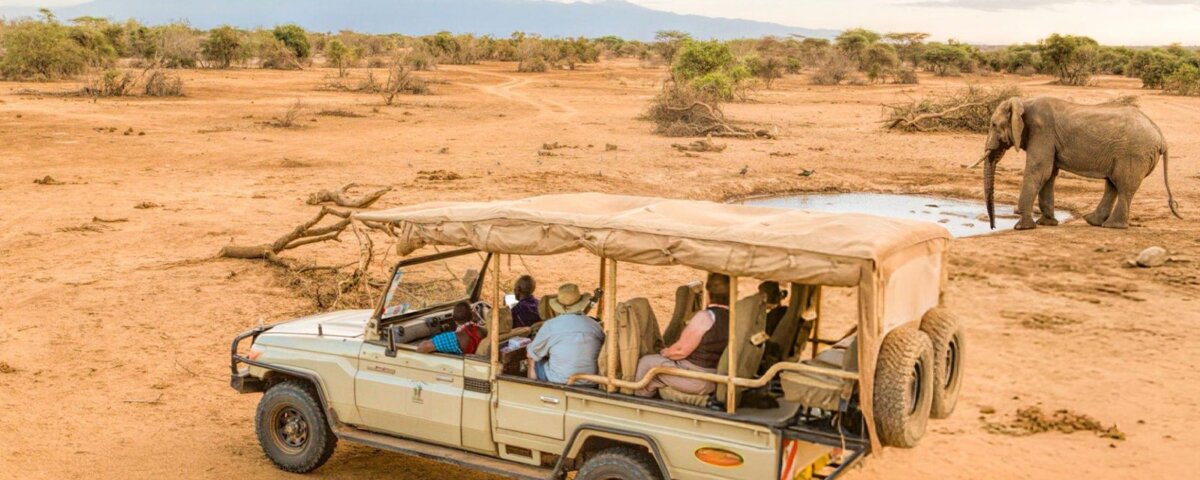
What Are the Best Kenya Safari Travel Tips?
Kenya stands among Africa’s most rewarding safari destinations, offering travelers a rare mix of wildlife, landscapes, culture, beaches, and unforgettable outdoor experiences. From the open plains of the Maasai Mara to the dramatic scenery around Mount Kenya and the wildlife rich ecosystems of Amboseli, a Kenya safari can suit first-time visitors, experienced travelers, families, couples, photographers, and adventure seekers. However, the quality of your experience depends greatly on how well you prepare before leaving home.
The best Kenya safari travel tips go beyond choosing a famous national park. You need to understand the seasons, plan your route carefully, choose suitable accommodation, pack for changing conditions, respect wildlife, manage your budget, and allow enough time to enjoy each destination. Moreover, thoughtful planning helps you avoid unnecessary travel stress and gives you more opportunities to experience Kenya at a comfortable pace.
Kenya also rewards travelers who remain flexible. Wildlife moves freely across large ecosystems, weather conditions can change quickly, and each safari drive brings a different experience. Therefore, rather than planning your trip around a promise of seeing one particular animal, build your safari around excellent guiding, strong conservation practices, good timing, and enough time in the wilderness.
This guide provides practical Kenya safari travel tips that can help international visitors plan a safer, more comfortable, and more rewarding journey. Whether you dream of watching lions across the Maasai Mara, seeing elephants beneath the snow-capped peaks of Mount Kilimanjaro, or combining a wildlife safari with the Kenyan coast, these insights will help you travel with greater confidence.
Combined Uganda, Kenya, Rwanda and Tanzania Safaris
17 days Kenya Tanzania and Uganda safari
19 Days Uganda Kenya and Tanzania Safari
16 Days Kenya Tanzania and Uganda Safari
14 Days Kenya Uganda and Tanzania Safari
14 Days Kenya Uganda and Rwanda Safari
12 Day Gorilla Trekking and Tanzania Safari
Choose the Best Time for Your Kenya Safari
Timing can strongly influence your Kenya safari experience. Kenya offers wildlife viewing throughout the year, but different seasons create different travel conditions, wildlife patterns, landscapes, and prices. Therefore, choosing your travel dates should form one of the first steps in your safari planning process.
The dry seasons generally make wildlife easier to spot because vegetation becomes thinner and animals often gather around available water sources. These conditions can create excellent game-viewing opportunities, particularly in many of Kenya’s major safari areas. However, the dry season can also attract more visitors, especially during popular holiday periods. If you prefer a quieter experience, consider traveling during a shoulder or green season when fewer tourists visit.
The famous Great Migration also influences travel demand. Large numbers of wildebeest and other grazing animals move through the greater Mara ecosystem during their annual cycle. Yet migration timing can vary from year to year because rainfall controls the movement of the herds. Consequently, avoid treating a specific calendar date as a guarantee.
Green-season travel offers its own rewards. The landscapes become lush, birdlife can be excellent, photography benefits from rich scenery, and many lodges offer more attractive rates. In addition, fewer vehicles can create a more relaxed atmosphere at some wildlife-viewing areas.
Select Safari Destinations Based on Your Interests
Kenya contains several distinct safari ecosystems, and each destination offers something different. Instead of choosing a park simply because it appears frequently in travel advertisements, think about what you want to experience.
The Maasai Mara remains one of the most popular choices for travelers seeking classic African safari scenery. Its open grasslands provide excellent opportunities for viewing lions, cheetahs, elephants, buffalo, giraffes, and many other species. The wider Mara ecosystem also plays an important role in the annual Great Migration.
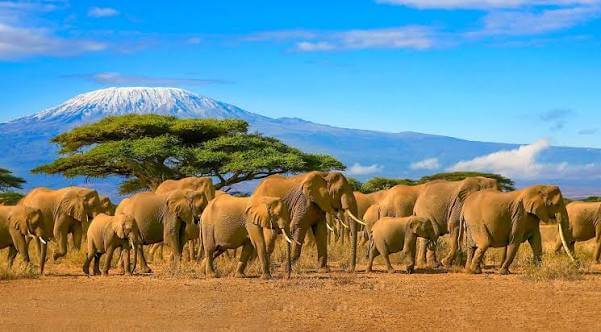
Amboseli offers another exceptional experience. The park is famous for large elephant herds and spectacular views toward Mount Kilimanjaro across the border in Tanzania. Early morning game drives can create particularly striking conditions for photography when the mountain appears clearly above the plains.
For travelers interested in rhino conservation, Lake Nakuru and nearby conservation areas can provide valuable wildlife experiences. Meanwhile, Samburu offers a very different landscape and supports several wildlife species associated with northern Kenya, including the distinctive Grevy’s zebra and reticulated giraffe.
Laikipia also deserves attention, particularly for travelers who want conservation-focused experiences, walking activities, unique wildlife encounters, and smaller-scale safari settings. By matching your destination with your interests, you can create a more meaningful itinerary instead of trying to visit too many places in a short period.
Build a Realistic Kenya Safari Itinerary
One of the most important Kenya safari travel tips involves avoiding an overcrowded itinerary. Kenya looks manageable on a map, but distances between safari destinations can take considerable time, especially when you travel by road.
A common mistake involves trying to visit the Maasai Mara, Amboseli, Lake Nakuru, Samburu, Mount Kenya, and the coast within one short holiday. While such a plan may appear exciting, excessive movement can reduce the actual time you spend enjoying the wilderness.
Instead, select a few destinations that complement one another. For example, a traveler with limited time might focus on the Maasai Mara and one additional destination. Travelers with a longer holiday can combine several ecosystems and finish with relaxation on the coast.
Allow enough time at each location. Two or three nights in a safari destination often provide a better experience than one rushed night followed by another long transfer. More time also increases your chances of experiencing different wildlife behavior and changing conditions.
Furthermore, consider travel fatigue. Safari drives can involve early mornings, long days, rough roads, and changing temperatures. A well-paced itinerary gives you time to rest between activities. Ultimately, a good safari itinerary should balance wildlife viewing, travel time, relaxation, and cultural experiences.
Choose Your Safari Transport Carefully
Transport plays a major role in your Kenya safari. Most visitors choose between safari vehicles and flights, depending on their itinerary, budget, and preferred travel style.
A dedicated safari vehicle offers flexibility. You can stop for wildlife sightings, enjoy scenic viewpoints, and experience the changing landscapes between destinations. A knowledgeable driver-guide can also help you understand animal behavior, conservation, geography, and local communities.
Road travel, however, can take longer. If you have limited vacation time, domestic flights between major safari regions may save valuable hours. Flying can also make it easier to combine destinations that sit far apart.
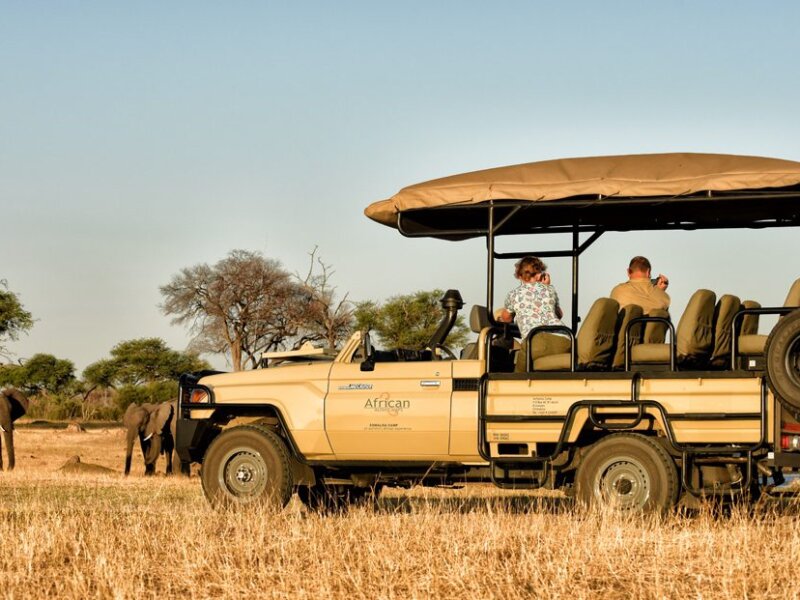
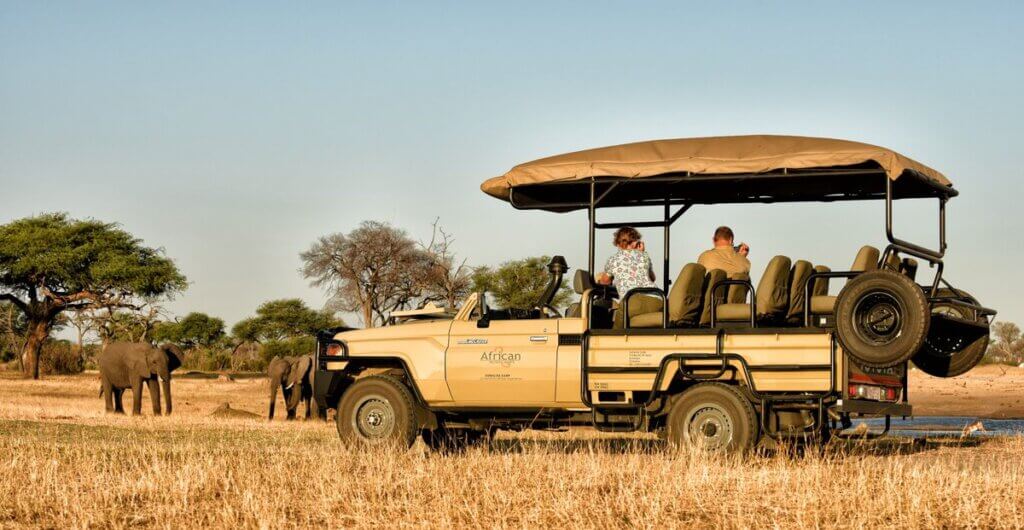
When selecting a safari vehicle, comfort matters. You may spend several hours inside the vehicle during game drives, so adequate seating, good visibility, charging options, and enough space for luggage can improve your experience. A pop up or open roof viewing design can also provide better opportunities for photography and wildlife observation where permitted.
Most importantly, prioritize the quality of the guide. A good guide does much more than drive. The guide reads tracks, understands animal behavior, identifies birds, explains ecosystems, manages wildlife encounters responsibly, and helps you appreciate the wider conservation story.
Pack the Right Clothing and Safari Gear
Packing for a Kenya safari requires practical thinking rather than excessive luggage. You need clothing that works for cool mornings, warm afternoons, dusty roads, and occasional rain.
Choose lightweight, breathable clothing in comfortable neutral shades. Earthy colors can help you blend into the environment and reduce the visual distraction caused by bright clothing. A light jacket or fleece can become extremely useful during early morning game drives when temperatures feel surprisingly cool.
Comfortable closed shoes are also important, particularly if your itinerary includes walking activities. Add a wide-brimmed hat, sunglasses, sunscreen, insect repellent, and a reusable water bottle. A small day bag can keep essentials within easy reach during excursions.
Photography equipment deserves careful consideration. A camera with a useful zoom lens can help you photograph distant wildlife without disturbing animals. However, you do not need professional equipment to enjoy a safari. Modern smartphones can produce excellent photographs when used thoughtfully.
Bring personal medications, basic toiletries, and copies of important travel documents. Also consider power banks and appropriate charging equipment, particularly if you plan to spend time in remote camps.
Pack lightly whenever possible. Domestic safari flights often impose strict luggage limits, and soft-sided bags usually work better for light aircraft than large hard-shell suitcases.
Protect Yourself From the Sun and Changing Weather
Kenya’s equatorial location means sunlight can feel strong even when temperatures appear comfortable. Sun protection should therefore remain part of your daily safari routine.
Apply sunscreen before leaving for game drives and reapply when necessary. Sunglasses protect your eyes from intense sunlight and dust, while a hat provides additional protection during long periods outdoors.
Weather can vary significantly between regions and seasons. Morning conditions can feel cool, while midday temperatures may become hot. Rain can also arrive quickly during wet periods. Therefore, layering works better than carrying only heavy or extremely light clothing.
Stay hydrated throughout the day. Long game drives, warm weather, and outdoor activity can increase your need for fluids. Reputable safari operators normally provide drinking water, but carrying your own reusable bottle remains useful.
Also remember that safari conditions can become dusty. A lightweight scarf or similar covering can help during long road transfers. Protect cameras and electronics from dust where possible.
Preparing for weather does not mean expecting uncomfortable conditions. Instead, it allows you to remain comfortable and focused on the wildlife around you. Good preparation makes it easier to enjoy the experience from sunrise through the end of the day.
Follow Wildlife Viewing Rules
Responsible wildlife viewing protects both animals and visitors. Kenya’s wildlife belongs in natural ecosystems, and every safari traveler has a role in protecting those environments.
Always follow your guide’s instructions. Stay inside designated safari vehicles unless your guide confirms that leaving the vehicle is safe and permitted. Never approach wild animals on foot simply to obtain a closer photograph.
Avoid shouting, playing loud music, feeding animals, or attempting to attract their attention. These actions can disturb wildlife and create dangerous situations. Instead, allow animals to behave naturally.
Responsible photography also matters. Do not pressure a guide to drive too close to an animal or block another vehicle simply to obtain a better photograph. Patience often produces better images anyway.
Respect park regulations and conservation areas. These rules exist to protect fragile ecosystems and reduce human pressure on wildlife.
Wildlife encounters should also involve humility. A lion resting beneath a tree, elephants crossing a road, or a giraffe feeding quietly can provide a powerful experience without any dramatic action. The strongest safari memories often come from observing natural behavior rather than chasing spectacular moments.
Respect Kenyan Culture and Local Communities
A Kenya safari is not only a wildlife experience. It is also an opportunity to connect with communities, traditions, food, history, and everyday life.
Kenya contains many communities with different languages, customs, histories, and cultural practices. Travelers should approach cultural experiences with respect and genuine interest. When visiting villages, community projects, markets, or cultural centers, follow local guidance about photography and appropriate behavior.
Ask permission before photographing people, especially children. Avoid treating communities as tourist attractions. Instead, focus on meaningful interaction and learning.
Supporting local businesses can also strengthen the communities that contribute to Kenya’s tourism economy. Choose locally owned services where practical, purchase authentic crafts responsibly, and consider experiences that directly support community conservation or development programs.
Cultural respect also extends to clothing and behavior. Dress appropriately when visiting towns, communities, religious sites, or cultural settings outside safari lodges.
When travelers engage respectfully, tourism can create stronger connections between visitors and local communities. A safari then becomes more than a wildlife holiday. It becomes a broader journey through Kenya’s landscapes, people, heritage, and conservation efforts.
Plan Your Safari Budget Beyond the Tour Price
A safari budget should include more than the advertised package price. Understanding the full cost before traveling can prevent financial surprises.
Consider accommodation, park fees, transportation, domestic flights, meals, drinks, optional activities, cultural experiences, tips, travel insurance, and personal spending. International travelers should also account for visa requirements and any necessary health or travel preparations.
Safari prices vary according to accommodation standards, destination, season, transport, group size, and length of stay. Luxury lodges can offer exceptional comfort and exclusive experiences, while mid-range camps can provide excellent wildlife access without the highest price tag. Budget travelers can also find practical options, particularly when using group safaris or simpler accommodation.
Do not automatically choose the cheapest safari. A very low price can sometimes reflect compromises in vehicle quality, guiding standards, accommodation location, or itinerary design. Instead, compare what each package actually includes.
A reliable safari operator should explain inclusions and exclusions clearly. You should understand what you are paying for before making a booking.
Good value does not always mean spending the least money. The best value comes from receiving quality guiding, reliable transport, comfortable accommodation, responsible tourism practices, and a well-designed itinerary that matches your priorities.
Choose Accommodation That Matches Your Safari Style
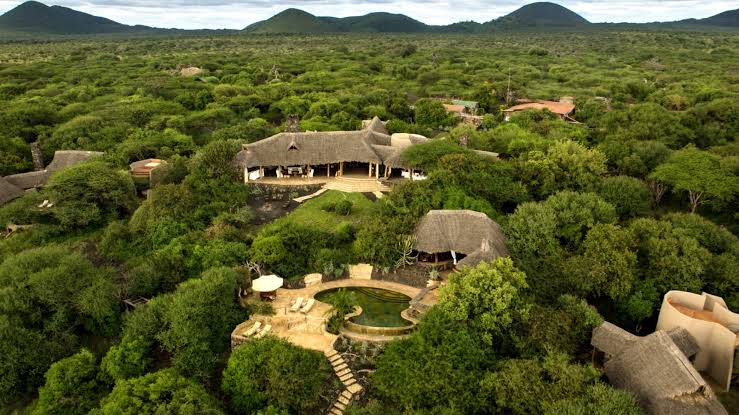
Kenya offers accommodation for almost every travel preference. You can choose from luxury lodges, tented camps, mobile camps, boutique properties, family-friendly accommodation, and more affordable safari camps.
Location matters as much as room quality. Staying inside or close to a wildlife area can reduce transfer times and give you more opportunities for game drives. A beautiful hotel located far from the main wildlife areas may provide comfort but less time in the wilderness.
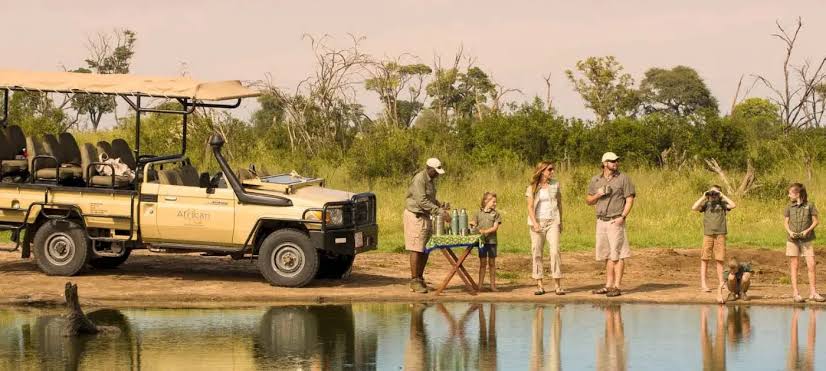
Consider your daily routine when choosing accommodation. Some travelers want a peaceful luxury retreat with excellent food and spa facilities. Others prefer a simple tented camp that keeps them close to nature. Families may prioritize spacious rooms, child-friendly facilities, and flexible meal arrangements.
Also check what the accommodation includes. Some properties include game drives and meals, while others charge separately for activities. Understanding these details helps you compare prices accurately.
Responsible tourism should also influence your choice. Look for accommodation that demonstrates practical conservation, waste reduction, water management, local employment, and community support.
Your accommodation becomes part of the safari experience, so choose a property that complements the type of adventure you want rather than selecting it solely because of its appearance.
Keep Your Travel Documents and Money Secure
Good organization makes international travel easier. Before departing for Kenya, keep your passport, travel insurance information, booking confirmations, emergency contacts, and other important documents accessible.
Make digital copies of essential documents and store them securely. You can also keep printed copies separately from your original documents. This simple step can make replacement or verification easier if something goes wrong.
Carry money responsibly and use established financial services whenever possible. Kenya has modern banking facilities in major towns and tourist areas, but remote safari locations may offer fewer options. Therefore, plan your spending before leaving urban areas.
Avoid displaying large amounts of cash unnecessarily. Keep valuables secure and follow the advice provided by your accommodation and safari operator.
Travel insurance deserves special attention. A comprehensive policy can provide protection for unexpected medical expenses, trip interruptions, lost baggage, delays, or other covered problems. Review the policy carefully rather than assuming every situation receives automatic coverage.
Preparation does not mean expecting problems. It means reducing the impact of unexpected events so you can continue enjoying your journey with greater peace of mind.
Stay Connected Without Losing the Safari Experience
Modern travelers often want internet access throughout their trip. Kenya has strong mobile connectivity in many urban and populated areas, although remote safari locations can have limited or inconsistent coverage.
Inform your family or close contacts about your itinerary before entering remote areas. Your accommodation or safari operator can also help you understand communication options.
However, do not allow your phone to dominate the safari. Constantly checking messages can make you miss subtle wildlife behavior, changing light, bird calls, or unexpected moments.
Use your phone and camera thoughtfully. Take photographs, record short videos, and share memorable moments, but also spend time simply watching.
A safari offers something that digital life cannot easily reproduce: uninterrupted time in nature. Put the camera down occasionally and observe the landscape with your own eyes. You may remember the sound of elephants moving through vegetation, the silence before sunrise, or the changing colors of the savannah more vividly than any photograph.
Be Patient During Game Drives
Wildlife does not operate on a tourist schedule. This reality makes patience one of the most valuable Kenya safari travel tips.
You may spend hours driving through beautiful landscapes without seeing a major predator. Then, suddenly, your guide may spot a leopard resting in a tree or a cheetah moving across the plains. The unpredictability creates part of the excitement.
Avoid measuring a safari only by the number of animals you see. Pay attention to animal behavior, tracks, birds, landscapes, insects, trees, and changing weather. Each element contributes to the ecosystem.
Early morning and late afternoon drives can offer excellent wildlife-viewing conditions because temperatures are often more comfortable and many animals become active. However, midday can also produce interesting sightings.
Your guide plays an important role here. Experienced guides understand animal patterns and can interpret subtle clues that visitors may overlook. Ask questions and remain observant.
Patience also improves photography. Instead of chasing every sighting, wait for behavior that tells a story. An elephant interacting with its herd, a lion grooming another lion, or a bird taking flight can create a stronger photograph than a simple close-up.
Combine Your Safari With Kenya’s Coast
If your holiday allows enough time, combining a safari with Kenya’s coast can create a well-rounded African journey.
After several days of early morning game drives, the beaches of the Indian Ocean offer a natural change of pace. Destinations along the Kenyan coast provide opportunities for relaxation, marine activities, cultural exploration, and coastal dining.
You can choose between different coastal experiences depending on your interests. Some travelers prefer quiet beaches and private accommodation, while others enjoy historic towns, marine excursions, water sports, and lively coastal communities.
The combination also allows you to experience two very different sides of Kenya. The safari introduces you to grasslands, wildlife, conservation, and inland communities, while the coast adds tropical scenery, Swahili heritage, ocean experiences, and relaxation.
Plan the transition carefully. Domestic flights can reduce travel time between safari regions and the coast, allowing you to maximize your holiday rather than spending excessive hours on the road.
A safari-and-coast itinerary works especially well for international visitors traveling a long distance to Kenya. Instead of rushing home immediately after the safari, you can slow down, enjoy the ocean, and reflect on the experiences you have collected across the country.
Choose a Responsible and Experienced Safari Operator
The safari operator you choose can influence almost every part of your journey. A professional operator should provide clear communication, realistic itineraries, reliable transport, experienced guides, suitable accommodation, and transparent pricing.
Look beyond attractive photographs when comparing companies. Examine the quality of their safari planning, customer support, conservation approach, and destination knowledge.
A strong operator should also understand that every traveler has different needs. A honeymoon safari requires different planning from a family safari, photography trip, budget adventure, or luxury wildlife holiday.
Ask whether the company provides dedicated support before and during your trip. Clear communication can make a major difference when international travelers need help with transfers, accommodation, flight arrangements, or itinerary changes.
Experience matters because safari logistics can become complex. An experienced operator understands seasonal conditions, road networks, park regulations, accommodation locations, and realistic travel times.
Most importantly, choose a company that values responsible tourism. A safari should create positive outcomes for wildlife, communities, conservation programs, local employees, and visitors.
Learn a Few Useful Kenya Travel Habits
Small habits can improve your safari experience. Start your mornings prepared because game drives often begin early. Keep essential items within reach, especially water, sunscreen, sunglasses, and a camera.
Listen carefully to your guide. Guides have valuable local knowledge and can help you understand wildlife behavior, safety procedures, and cultural expectations.
Keep your accommodation tidy and follow environmental guidelines. Reduce unnecessary plastic use, conserve water, and avoid leaving waste behind.
Respect the pace of the safari. Not every drive needs to become a race to find the next animal. Sometimes stopping to watch a herd of zebra or listening to birds can become one of the most memorable moments of the day.
Also, remain flexible. Weather, road conditions, wildlife movement, and conservation requirements can affect plans. A flexible traveler usually enjoys the experience more than someone who expects every hour to follow a strict schedule.
Finally, keep an open mind. Kenya offers far more than the famous Big Five. Birds, landscapes, local communities, smaller mammals, ancient geological features, and conservation projects all add depth to the journey.
Understand Why Conservation Matters
Every safari takes place within an ecosystem that needs protection. Kenya’s wildlife tourism industry depends on healthy habitats, responsible land management, community involvement, and long-term conservation.
Travelers can contribute by choosing responsible operators and accommodations, following park rules, avoiding activities that exploit wildlife, and supporting legitimate conservation initiatives.
Conservation also involves communities. Wildlife areas often exist alongside human settlements and working landscapes. Sustainable tourism can create employment, support local enterprises, and provide economic reasons to protect wildlife habitats.
This connection makes responsible travel more than an environmental choice. It becomes an investment in Kenya’s future tourism economy.
When you understand conservation, you also experience the safari differently. You begin to see that a lion sighting represents more than an exciting photograph. It reflects the work required to protect habitats, manage human-wildlife interactions, support communities, and maintain biodiversity.
Therefore, ask questions about conservation during your trip. Learn how the destination protects wildlife and how tourism contributes to those efforts. Knowledge makes the safari more meaningful and helps travelers make better choices.
Final Thoughts: Make Your Kenya Safari a Journey Worth Remembering
The best Kenya safari travel tips ultimately come down to preparation, patience, respect, flexibility, and choosing the right travel partners. Plan your season carefully, select destinations that match your interests, avoid rushing between parks, pack for changing conditions, respect wildlife and communities, and choose accommodation and transport that support your travel style.
Most importantly, give yourself time to experience Kenya rather than simply collecting destinations. A successful safari does not depend on ticking every animal off a list. It comes from watching wildlife behave naturally, learning from experienced guides, discovering different landscapes, meeting people respectfully, and understanding the conservation work that keeps these ecosystems alive.
For travelers planning their first African safari or returning for another adventure, Giant Holiday Safaris provides a trusted approach to exploring Kenya with carefully planned itineraries, destination knowledge, experienced safari guidance, and a strong focus on creating meaningful African travel experiences. With the right planning and a reliable tour operator, your Kenya safari can become more than a holiday it can become a journey that stays with you long after you leave the African wilderness.