Which Kenya safari destinations are less touristy?
August 15, 2026
What are the best Kenya safari travel tips?
August 15, 2026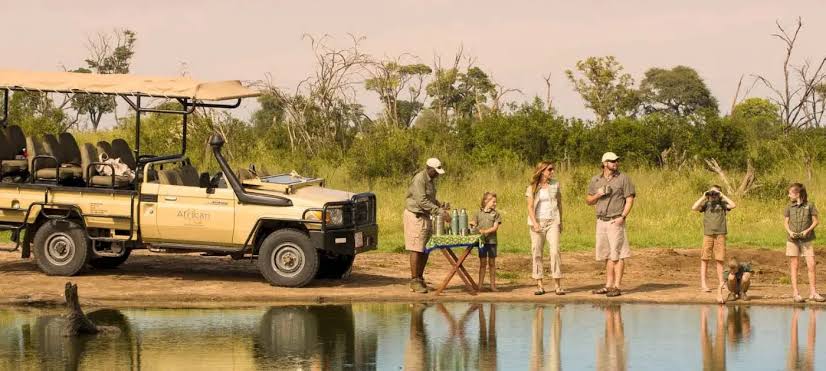
What Is the Best Kenya Safari Company for Families?
Choosing the best Kenya safari company for families requires more than finding a company with attractive safari packages. A family safari should combine safety, comfort, flexible planning, engaging activities, reliable transport, experienced guides, and accommodation that suits both adults and children. Kenya offers an exceptional setting for this kind of adventure because its wildlife areas provide a wide range of experiences, from classic game drives and cultural encounters to nature walks and beach extensions. However, the quality of the safari depends greatly on the company that organizes the journey.
For families traveling to Kenya, the right safari company should understand that children experience travel differently from adults. Young travelers need shorter activities, interesting explanations, comfortable breaks, suitable meals, and enough time to relax. Teenagers, on the other hand, may want more adventure, photography opportunities, wildlife tracking, and active experiences. Therefore, a strong family safari operator should build the itinerary around the entire family rather than simply placing children into a standard adult safari package.
Experience also matters. Kenya’s roads, wildlife areas, seasonal patterns, accommodation options, and travel times can affect the quality of a safari. An experienced operator can create a practical itinerary that reduces unnecessary travel while increasing meaningful wildlife experiences. Above all, families need a company that communicates clearly, plans responsibly, and remains dependable throughout the trip.
What Makes a Kenya Safari Company the Best Choice for Families?
The best Kenya safari company for families should offer more than a vehicle and a guide. It should provide a complete travel experience designed around family needs. A successful family safari begins with careful planning before the travelers arrive in Kenya. The company should understand the children’s ages, family interests, preferred travel pace, accommodation expectations, dietary needs, and desired activities. This information allows the safari planner to create a journey that feels personal rather than generic.
Safety should remain one of the most important factors. A professional safari operator should use suitable safari vehicles, employ knowledgeable drivers and guides, follow park regulations, and maintain sensible wildlife-viewing practices. Families should also receive clear information about road conditions, game drives, accommodation, weather, and appropriate clothing before departure.
Flexibility provides another major advantage. Families may need additional rest time, shorter game drives, private vehicles, or changes to daily activities. A company that understands family travel can adjust the schedule when necessary. For example, parents traveling with younger children may prefer an early morning game drive followed by breakfast and relaxation instead of spending an entire day inside a vehicle.
Furthermore, communication creates confidence. From the first inquiry to the final airport transfer, travelers should know what to expect. Clear information about prices, inclusions, accommodation, transport, park fees, meals, and activities helps families plan their budgets and avoid unpleasant surprises.
Combined Uganda, Kenya, Rwanda and Tanzania Safaris
17 days Kenya Tanzania and Uganda safari
19 Days Uganda Kenya and Tanzania Safari
16 Days Kenya Tanzania and Uganda Safari
14 Days Kenya Uganda and Tanzania Safari
14 Days Kenya Uganda and Rwanda Safari
12 Day Gorilla Trekking and Tanzania Safari
Why Kenya Is an Excellent Destination for Family Safaris
Kenya stands among Africa’s most rewarding safari destinations because it combines outstanding wildlife with diverse landscapes and accessible tourism infrastructure. Families can experience large concentrations of wildlife without needing to travel between many distant countries. This makes Kenya particularly attractive to travelers who want a first African safari with a manageable itinerary.
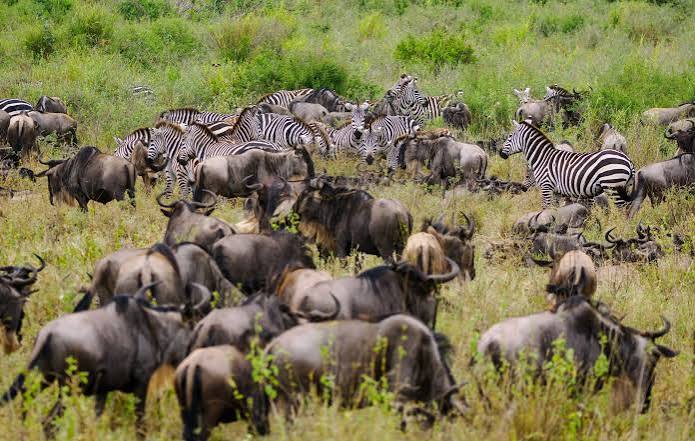
The Maasai Mara National Reserve remains one of the country’s most famous safari destinations. Its open grasslands provide excellent opportunities to see lions, elephants, buffaloes, leopards, cheetahs, giraffes, zebras, and many other species. The reserve also forms part of the wider ecosystem connected to the annual wildebeest migration. However, families should not assume that the migration represents the only reason to visit. Wildlife viewing can remain rewarding outside the migration period, and quieter seasons can sometimes provide a more relaxed experience.
Kenya also offers other valuable family destinations. Amboseli National Park provides dramatic views of Mount Kilimanjaro and is well known for elephant sightings. Lake Nakuru National Park offers opportunities to see rhinos, giraffes, buffaloes, and numerous bird species. Ol Pejeta Conservancy adds conservation-focused experiences and diverse wildlife viewing.
Because these destinations offer different experiences, families can create an itinerary that matches their interests rather than following one fixed route.
How a Family Safari Company Should Design the Itinerary
A well designed family safari should balance adventure with rest. This principle makes a major difference, especially when traveling with young children. Although families may want to see as much wildlife as possible, an exhausting schedule can reduce enjoyment. The best safari company therefore considers travel distances, game drive times, accommodation locations, meal schedules, and children’s energy levels when building the itinerary.
For example, a family visiting Kenya for seven days might combine two or three major wildlife destinations instead of attempting to visit five or six. Spending enough time in each location allows travelers to explore without constantly packing and unpacking. It also gives children time to become familiar with their surroundings.
The company should also plan game drives carefully. Early morning drives often provide excellent wildlife activity, while afternoon drives offer another opportunity for exploration. However, families with very young children may benefit from shorter drives or private vehicles that allow them to return to camp when needed.
Accommodation selection also deserves careful attention. Family friendly lodges and tented camps should offer suitable room arrangements, secure surroundings, reliable meals, and activities appropriate for children where available. Some properties provide family rooms or connecting rooms, while others may offer private tents or cottages.
Most importantly, the itinerary should leave room for unexpected moments. Wildlife never follows a timetable. A lion sighting may require patience, while a spectacular sunset may encourage the family to remain in the field longer. A flexible safari schedule allows these moments to become part of the adventure.
Safety and Professional Guiding on a Family Safari
Safety plays a central role in choosing a family safari company. Kenya offers extraordinary wildlife experiences, but travelers visit natural environments where wild animals move freely. A professional safari company understands this environment and trains its guides to manage wildlife encounters responsibly.
Experienced guides know how to position a safari vehicle safely, maintain an appropriate distance from animals, and interpret animal behavior. They also understand the importance of following park and conservancy rules. For families, this knowledge provides reassurance while allowing children to enjoy close but responsible wildlife encounters.
A good guide should also know how to communicate with children. Instead of presenting wildlife information as a long lecture, the guide can turn each sighting into a story. Children may learn how elephants communicate, why zebras have stripes, how lions hunt, or how giraffes use their height to reach leaves. These explanations transform a simple game drive into an outdoor classroom.
Vehicle quality matters as well. Families should look for companies that use well-maintained safari vehicles with comfortable seating and enough space for passengers. Private vehicles can provide additional flexibility because the family controls the schedule rather than adapting to the preferences of strangers.
Emergency preparedness also deserves attention. Reliable operators maintain clear communication systems and understand how to access assistance when necessary. They should provide travelers with practical information about local conditions, health precautions, park rules, and emergency procedures before the safari begins.
Family-Friendly Activities Beyond Traditional Game Drives
A family safari becomes even more memorable when it includes activities beyond standard game drives. While wildlife viewing forms the heart of a Kenya safari, children often benefit from varied experiences that allow them to interact with the destination in different ways.
Nature walks can introduce young travelers to smaller aspects of the ecosystem. Instead of focusing only on large animals, families can learn about tracks, insects, plants, birds, animal droppings, and signs of wildlife activity. These experiences help children understand that a safari involves an entire ecosystem rather than a search for the Big Five alone.
Cultural experiences can also add depth to a family journey when they take place respectfully and ethically. Families can learn about local communities, traditional crafts, food, music, and daily life. Such experiences can help children appreciate the people and cultures that form an important part of Kenya’s identity.
Conservation experiences provide another valuable opportunity. Visiting conservation projects can show children how wildlife protection works in practice. They can learn about habitat preservation, endangered species, community involvement, and the challenges of protecting wildlife in a changing world.
Birdwatching, photography, bush breakfasts, and selected walking experiences can also add variety. However, the safari company should always match activities to the children’s ages and abilities. The goal should not be to fill every hour. Instead, each activity should contribute something meaningful to the family’s overall experience.
How to Choose the Right Safari Package for Your Family
Families should compare safari packages carefully before making a booking. The cheapest option does not always provide the best value, while the most expensive package does not automatically guarantee the best experience. Instead, families should examine what the package actually includes.
Start by checking accommodation. Look at the type of rooms, meal arrangements, location, security, and family facilities. Next, examine transportation. Determine whether the safari uses a private vehicle, shared vehicle, or another form of transport. Private travel often gives families more control over the itinerary, which can prove especially useful with younger children.
Travelers should also check park and conservancy fees, meals, airport transfers, guide services, game drives, and other activities. Some packages include these costs while others list them separately. Understanding the full price makes comparison easier.
The timing of the safari matters too. Kenya offers different wildlife experiences throughout the year. Some periods attract larger visitor numbers, while other seasons may provide fewer crowds and different landscapes. A knowledgeable safari planner can help families choose travel dates based on wildlife interests, weather preferences, school holidays, and budget.
Finally, examine the company’s communication before booking. Prompt, detailed, and professional responses often reveal how seriously an operator treats customer service. A company that carefully explains the itinerary, answers practical questions, and provides clear travel information demonstrates stronger planning standards.
The Importance of Experienced Kenya Safari Guides
A safari guide can determine whether a family simply sees animals or truly understands the African wilderness. Experienced guides bring knowledge that cannot be replaced by a printed itinerary. They understand wildlife behavior, seasonal changes, local geography, conservation, birdlife, and the subtle signs that animals leave behind.
For children, a skilled guide can make the safari exciting and educational. Instead of simply pointing toward an animal, the guide can explain what the animal is doing and why. A resting lion can become a lesson about energy conservation. A herd of elephants can introduce ideas about family groups and communication. Tracks in the road can become clues that reveal which animals passed through earlier.
Good guides also understand patience. Wildlife sightings do not always happen immediately. Sometimes the best experience comes from waiting quietly and observing. A knowledgeable guide knows when to stay, when to move, and how to maximize the chances of finding wildlife without disturbing it.
Furthermore, experienced guides understand the importance of responsible tourism. They avoid reckless driving, respect wildlife distances, and follow conservation rules. This approach protects both travelers and the environment.
For international families, the guide also serves as an important cultural connection. Their knowledge can help travelers understand Kenya’s landscapes, communities, history, conservation efforts, and tourism traditions. As a result, the safari becomes more than sightseeing. It becomes an educational journey through one of Africa’s most remarkable natural environments.
What Parents Should Look for Before Booking a Kenya Family Safari
Parents should conduct careful research before confirming a family safari. First, check whether the company has experience organizing family trips. Family travel involves different planning requirements, and an operator that regularly works with families will understand those needs better.
Next, examine the itinerary in detail. Long road journeys can become tiring for children, so parents should consider travel time as carefully as wildlife destinations. A shorter route with more time in each location can sometimes produce a better experience than a packed itinerary.
Accommodation policies also matter. Some lodges and camps have minimum age requirements for certain activities. Others may have specific rules regarding children sharing rooms or participating in walking activities. Parents should confirm these details before paying.
Food is another practical consideration. Families traveling with young children should communicate dietary requirements early. A professional operator can then identify suitable accommodation and meal arrangements.
Parents should also ask about vehicle arrangements. A private safari vehicle often provides greater flexibility and privacy. Families can stop for breaks, adjust game drive times, and return to the lodge when children become tired.
Travel insurance, entry requirements, airport transfers, and emergency contacts should also form part of the planning process. Good preparation reduces stress and allows the family to focus on enjoying Kenya.
Why Personalized Family Safaris Often Offer Better Value
Personalization can transform a family safari from an ordinary holiday into a meaningful experience. Every family has different expectations, so a fixed itinerary may not always provide the best solution. One family may prioritize elephants and photography, while another may care more about big cats, conservation, culture, or combining safari with a beach holiday.
A personalized safari allows the operator to build the journey around these priorities. Families can select suitable destinations, accommodation levels, activities, and travel durations. Parents can also request private vehicles, flexible game drives, family rooms, or additional rest days.
This approach can provide better value even when the initial price appears higher. Value does not simply mean paying less. It means receiving an experience that matches the family’s needs and reduces unnecessary costs or inconvenience.
For example, a private vehicle can cost more than a shared vehicle, but it can also eliminate schedule conflicts. Similarly, choosing fewer destinations may reduce transport costs while giving the family more time to enjoy each location.
Personalization also creates a stronger sense of comfort. International travelers may have different expectations regarding accommodation, food, communication, and transportation. A skilled safari planner can identify these preferences before the journey begins.
Ultimately, the strongest family safari companies focus on creating memorable experiences rather than selling standard packages. They use their destination knowledge to connect each family with the right places, activities, guides, and accommodation.
Kenya Safari Costs and Getting Good Value for Money
Safari prices in Kenya vary according to several factors, including travel season, accommodation category, number of travelers, safari duration, transportation, park fees, and the level of personalization. Families should therefore avoid comparing prices based only on the headline figure.
A lower-priced safari may use shared vehicles, basic accommodation, longer road transfers, or a more limited itinerary. A higher-priced package may include private transportation, premium accommodation, more flexible scheduling, and additional experiences. The better choice depends on the family’s priorities.
Travel season can also affect the overall budget. Peak periods may bring higher accommodation rates and greater demand, particularly around popular wildlife events and school holidays. Traveling during quieter periods can sometimes provide better rates and a more relaxed atmosphere.
Families should request a clear quotation that explains what the price covers. Important items include accommodation, meals, transportation, game drives, guide services, park or conservancy fees, airport transfers, and planned activities. The quotation should also make exclusions clear.
Value also comes from reliability. A company that manages transportation carefully, communicates clearly, selects suitable accommodation, and provides experienced guides can prevent costly mistakes during the trip.
Therefore, the best Kenya safari company for families should not simply compete on price. It should provide transparent pricing and demonstrate why the safari offers genuine value for the family’s investment.
Responsible and Sustainable Family Safaris in Kenya
Responsible tourism has become increasingly important for families visiting Africa. A safari should create positive experiences for travelers while supporting wildlife conservation, local communities, and the long-term protection of natural habitats.
Families can contribute by choosing safari companies that respect conservation regulations and support responsible wildlife viewing. Children can also become part of this effort. When guides explain why visitors should keep their distance from animals, avoid littering, remain quiet around wildlife, and follow park rules, children learn practical lessons about environmental responsibility.
Community involvement matters as well. Tourism can create employment, support local businesses, and contribute to conservation initiatives. Families should look for experiences that treat local communities with dignity and avoid turning culture into a staged spectacle.
Sustainable accommodation can also contribute to responsible travel. Some camps and lodges invest in renewable energy, waste reduction, water conservation, community projects, and wildlife protection. Families can ask about these practices when selecting accommodation.
A responsible safari company should also discourage harmful wildlife interactions. Wild animals should remain wild, and tourism should never place them under unnecessary stress for entertainment.
This approach strengthens the future of African tourism. When families choose responsible operators, they help create demand for tourism models that protect wildlife and benefit local communities. At the same time, children return home with a deeper understanding of conservation and the importance of protecting Africa’s natural heritage.
How to Identify a Reliable Kenya Safari Company
Trust should form the foundation of any safari booking. Families are investing significant money and time into an international journey, so they need an operator that demonstrates professionalism from the beginning.
Start by examining the company’s website and travel information. Look for clear descriptions of destinations, itineraries, accommodation, transport, and services. Reliable companies usually provide practical information instead of making vague promises.
Reviews can also help, but families should evaluate them carefully. Look for consistent patterns in customer experiences, especially regarding communication, guide quality, transportation, accommodation, and problem-solving. A single review rarely provides enough information to judge an entire company.
Professional communication provides another useful indicator. The company should answer questions clearly, provide accurate quotations, explain booking terms, and avoid pressure tactics. Good communication before the trip often reflects strong organization during the safari.
Experience matters too. A company with strong knowledge of Kenya can recommend suitable destinations based on season, wildlife interests, family ages, and travel preferences. This expertise can make a major difference when conditions change.
Most importantly, families should select an operator that prioritizes safety, responsible tourism, honest communication, and customer care. A safari company should not simply sell a destination. It should take responsibility for helping travelers experience that destination safely, comfortably, and respectfully.
Final Thoughts: Choosing a Trusted Partner for Your Kenya Family Safari
The best Kenya safari company for families is the one that combines destination expertise, safety, flexible planning, experienced guides, transparent pricing, comfortable accommodation, and genuine attention to family needs. Kenya offers extraordinary opportunities for wildlife viewing, conservation learning, cultural discovery, and unforgettable family memories. However, the quality of those experiences depends greatly on how carefully the safari is planned and managed.
Families should therefore look beyond package prices and attractive photographs. Consider the company’s experience, communication, itinerary design, vehicle standards, guide expertise, accommodation choices, safety practices, and commitment to responsible tourism. Most importantly, choose a company that listens to your family’s priorities and turns them into a practical safari plan.
For travelers searching for a reliable partner with strong knowledge of African destinations, Giant Holiday Safaris provides a trusted foundation for planning a memorable Kenya family safari. With the right planning, professional guidance, and a carefully selected itinerary, families can discover Kenya with confidence while creating experiences that remain meaningful long after they return home.