What is the best airport for Masai Mara safaris?
August 28, 2026
Are Kenya safari roads good?
August 28, 2026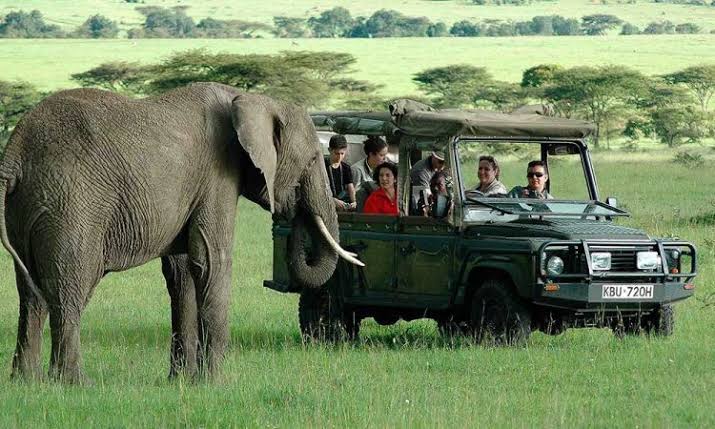
How Do You Get Around During Kenya Safari Tours?
Kenya offers one of Africa’s most rewarding safari experiences, but getting around the country’s wildlife areas works differently from ordinary city travel. Safari travel often combines long road journeys, game drives, domestic flights, and transfers between parks, conservancies, camps, and lodges. Therefore, understanding how transportation works before your trip helps you plan your itinerary, manage travel time, choose the right destinations, and enjoy your safari without unnecessary stress.
Most Kenya safari tours use specially designed safari vehicles because they provide flexibility and excellent opportunities for wildlife viewing. However, domestic flights can save valuable time when you want to connect distant destinations such as the Maasai Mara, Amboseli, Samburu, Tsavo, and the Kenyan coast. In some itineraries, travelers also use private transfers, scheduled flights, or a combination of road and air travel.
Your choice of transportation depends on your budget, safari style, destinations, travel dates, group size, and the amount of time available. A family with young children may prefer a private vehicle and shorter road transfers, while a couple on a luxury safari may combine private game drives with light-aircraft flights. Budget-conscious travelers can often reduce costs by joining shared safari vehicles or using scheduled flights between major safari regions.
Kenya’s safari transportation system also gives travelers the chance to experience the landscape between destinations. A road journey can reveal changing scenery, rural communities, farms, mountains, and dramatic wildlife habitats that you would miss from the air. On the other hand, flying can turn an exhausting full-day transfer into a short and scenic journey.
Understanding these options allows you to build a safari that matches your expectations. Whether you want an adventurous road safari, a luxury fly-in safari, or a balanced combination of both, Kenya provides several practical ways to move around.
Combined Uganda, Kenya, Rwanda and Tanzania Safaris
17 days Kenya Tanzania and Uganda safari
19 Days Uganda Kenya and Tanzania Safari
16 Days Kenya Tanzania and Uganda Safari
14 Days Kenya Uganda and Tanzania Safari
14 Days Kenya Uganda and Rwanda Safari
12 Day Gorilla Trekking and Tanzania Safari
Safari Vehicles: The Main Way to Explore Kenya’s Wildlife Parks
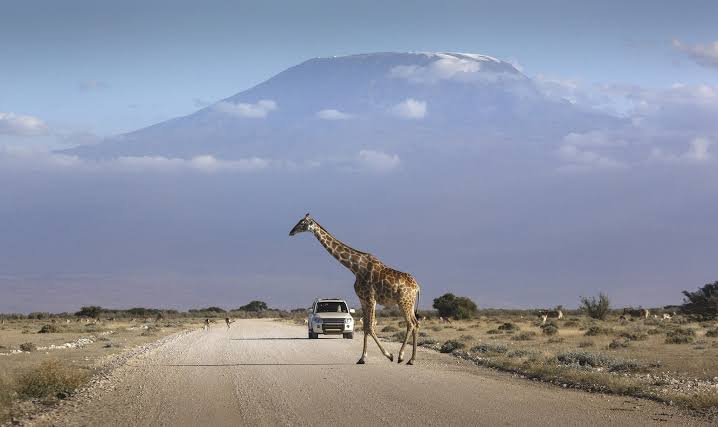
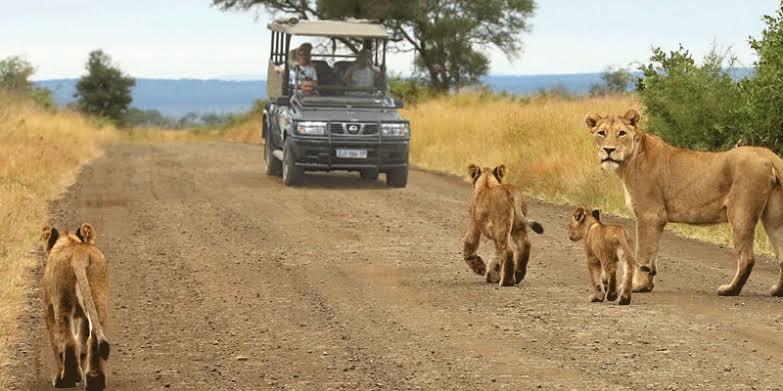
Safari vehicles form the backbone of most Kenya safari tours. Once you enter a national park, conservancy, or reserve, you need a vehicle that can handle rough tracks while giving you a clear view of wildlife. For this reason, safari operators normally use specially modified 4×4 vehicles rather than ordinary passenger cars.
Many safari vehicles feature raised seating, large windows, open sides, pop-up roofs, or specially designed viewing areas. These features make a major difference during game drives because wildlife can appear anywhere along the route. A raised position also gives you a wider view across grasslands and bushland.
A 4×4 safari vehicle becomes especially valuable when roads become rough after rainfall. Some wildlife areas contain muddy tracks, sandy sections, rocky ground, and uneven terrain. A properly equipped vehicle helps the driver navigate these conditions safely while maintaining a comfortable safari experience.
Private vehicles offer another major advantage: flexibility. You can usually spend more time at a wildlife sighting, adjust the pace of your game drives, and organize the day around your interests. For example, photographers may want to remain with a lion pride longer, while families may prefer shorter drives with regular breaks.
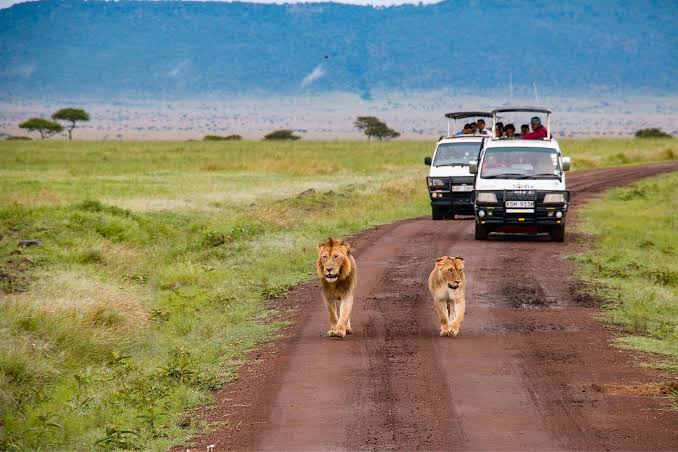
Shared safari vehicles cost less and work well for travelers who enjoy meeting other visitors. However, you normally share the schedule with other passengers. Consequently, private transport often provides a more personalized experience, while shared transport offers better value for travelers who want to control their budget.
4×4 Land Cruisers and Safari Vans
Two common vehicle types you may encounter during Kenya safari tours are 4×4 Land Cruisers and safari vans. Both can provide excellent wildlife viewing, although they suit different travel needs and terrain.
A 4×4 Land Cruiser generally provides strong performance on challenging safari tracks. It can handle rough terrain and gives travelers a high viewing position. Many safari Land Cruisers also include charging points, cool boxes, comfortable seats, communication equipment, and pop-up roofs. These features become particularly useful during long game drives.
Safari vans can provide an affordable alternative, especially for budget and group tours. They often offer good visibility through a pop-up roof and provide enough space for several passengers. However, the exact vehicle specification matters. A basic passenger van does not provide the same off-road ability as a purpose-built 4×4 safari vehicle.
Therefore, travelers should not judge a safari vehicle only by its appearance or price. Ask what type of vehicle the operator uses, whether it has four-wheel drive, how many passengers it carries, and whether it includes a pop-up roof or large viewing windows.
For a serious wildlife focused safari, vehicle quality can influence the experience significantly. A good safari vehicle allows you to travel comfortably between sightings and gives you the stability and visibility needed for photography and wildlife observation.
Domestic Flights Make Long Distance Safari Travel Faster
Kenya’s size makes domestic flights extremely useful for safari travelers who want to visit several distant destinations within a limited period. Driving from one safari region to another can take several hours, and some journeys can consume most of a travel day. Flying can reduce that travel time considerably.
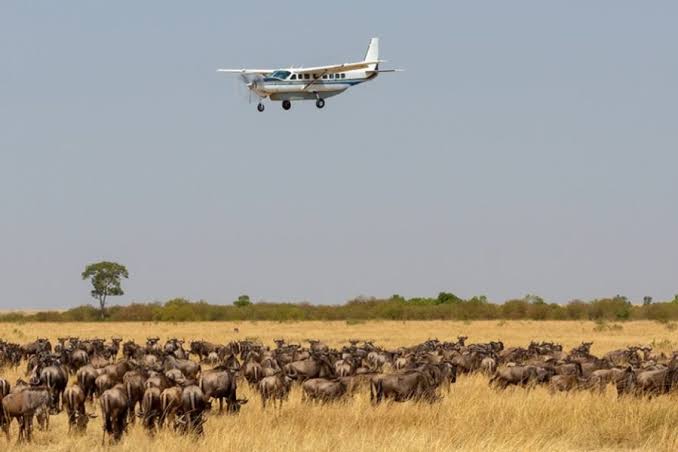
Domestic aviation connects several safari destinations with Nairobi and with each other. Travelers can use smaller aircraft that operate from regional airports and airstrips near parks and conservancies. These flights often provide a memorable experience because the aircraft flies low enough to reveal Kenya’s changing landscapes.
Fly-in safaris work particularly well for travelers visiting the Maasai Mara, especially when they want to maximize game-viewing time. Instead of spending a large portion of the day on a long road transfer, you can fly toward an airstrip serving your camp or lodge and begin your safari activities sooner.
Flights also make sense when combining geographically distant destinations. For example, an itinerary can include Amboseli, the Maasai Mara, and the Kenyan coast without requiring every connection to happen by road. This approach creates a more efficient trip and gives you more time for wildlife viewing and relaxation.
However, flights usually cost more than road transfers. Baggage restrictions can also apply because safari aircraft have limited luggage capacity. Therefore, travelers should confirm baggage allowances before departure and pack with the flight requirements in mind.
Road Transfers Connect Airports, Lodges, Camps, and Parks
Road transfers remain essential even when your safari includes domestic flights. A small aircraft can take you to a remote airstrip, but you still need ground transportation to reach your camp, lodge, or specific wildlife area.
Safari operators commonly arrange these transfers as part of the itinerary. A driver may collect you from an airport, railway station, hotel, or airstrip and transport you to your next destination. Depending on the location, the transfer may take only a short time or several hours.
Road transfers also allow travelers to connect destinations that do not have convenient air services. Some parks work better within a road-based itinerary, particularly when destinations sit relatively close together.
For example, a safari itinerary covering Nairobi, Amboseli, and Tsavo can often work effectively by road. The journey between destinations becomes part of the adventure because you can observe the landscape as it changes from one region to another.
Nevertheless, road travel requires realistic planning. Kenyan roads vary greatly in quality, and travel times can change because of weather, traffic, roadworks, wildlife-area conditions, and local circumstances. Therefore, avoid creating an itinerary that leaves only a small amount of time between major activities.
A reliable safari operator should build reasonable transfer times into your itinerary. This approach prevents rushed arrivals and gives your driver enough flexibility to handle unexpected delays.
Self-Drive Safaris Require More Planning
Some experienced travelers consider driving themselves during a Kenya safari. While self-drive travel can provide independence, it requires considerably more preparation than using a professional safari guide.
Driving through cities, rural areas, national parks, and conservancies presents different challenges. You need to understand local road conditions, park regulations, navigation, fuel availability, wildlife behavior, and vehicle requirements. In addition, some safari tracks become difficult during heavy rainfall.
Wildlife viewing also requires knowledge and patience. A professional safari guide spends extensive time learning animal behavior, identifying tracks, understanding habitats, and following park rules. A self drive traveler may not have the same local knowledge.
Furthermore, drivers must maintain a safe distance from animals and follow the rules of the protected area. Wildlife remains wild, regardless of how accustomed it becomes to safari vehicles. Good safari practice protects both visitors and animals.
Self-drive can make sense for highly experienced travelers who want independence and understand the responsibilities involved. However, first-time safari visitors usually gain more from hiring a professional driver-guide.
A guided safari also adds educational value. Instead of simply seeing an elephant, lion, giraffe, or leopard, you can learn about its behavior, habitat, conservation challenges, and role within the ecosystem. That knowledge can transform a simple wildlife sighting into a meaningful experience.
Shared Safari Vehicles Offer a More Affordable Option
Travelers who want to control safari costs can consider shared transportation. In a shared safari, several guests travel together in the same vehicle and follow a common itinerary.
This arrangement reduces the transportation cost per person because the vehicle expenses spread across several travelers. Consequently, shared safaris can make Kenya more accessible to students, solo travelers, young couples, and budget-conscious visitors.
Shared vehicles also create opportunities to meet travelers from different countries. For many visitors, this social element becomes part of the safari experience. You can exchange travel stories, discuss wildlife sightings, and share memorable moments throughout the trip.
However, shared travel involves compromise. You cannot always choose exactly how long to stay at a particular wildlife sighting because other passengers may have different interests. Departure times also follow the group schedule.
For photographers and wildlife enthusiasts, this distinction matters. Someone focused on photography may want to spend an extended period waiting for the perfect light or animal behavior. Another traveler may prefer to continue exploring.
Therefore, choose shared transportation when affordability and social interaction matter more than complete flexibility. If you have specific wildlife goals, require privacy, or travel with family, a private safari vehicle may provide better value despite the higher cost.
How Transportation Works Inside Kenya’s National Parks
Transportation inside Kenya’s national parks differs from ordinary road travel. Safari vehicles follow designated routes and park regulations designed to protect wildlife and the environment.
Your driver-guide normally controls the vehicle during game drives. Guides use their experience and knowledge of the park to locate wildlife while maintaining responsible viewing practices. They also communicate with other guides when appropriate to improve the chances of finding interesting wildlife.
Road conditions inside parks can vary significantly. Some tracks remain relatively smooth, while others become dusty, rocky, muddy, or deeply rutted. Rain can change driving conditions quickly. As a result, comfortable clothing, sunglasses, sunscreen, and suitable footwear can make your game drives more enjoyable.
Game drives usually happen during the cooler parts of the day, especially early morning and late afternoon. These periods often provide comfortable temperatures and good wildlife activity. However, exact schedules depend on the park, lodge, camp, and safari program.
You should also expect slower driving speeds during wildlife viewing. A safari vehicle may stop frequently or move slowly when animals appear. That pace is not a problem; it is one of the main features of safari travel.
Patience becomes particularly important. Wildlife does not follow a timetable. Your driver may spend several minutes observing tracks, scanning bushes, or waiting quietly near an area where animals may appear.
Walking Safaris Provide a Different Way to Explore
Although vehicles dominate traditional Kenya safari tours, walking safaris provide another way to experience the wilderness in selected areas and under professional guidance.
Walking changes the safari experience completely. Instead of focusing mainly on large animals, you begin noticing smaller details such as tracks, insects, plants, birds, animal droppings, sounds, and changes in the landscape.
A trained walking guide helps you understand these details while maintaining appropriate safety procedures. Walking close to wildlife requires careful judgment because animals can react differently when people are outside vehicles.
Walking safaris therefore work best in areas where operators and conservation authorities permit them and where trained guides can manage the experience responsibly.
This form of safari suits travelers who enjoy nature, photography, birdwatching, conservation, and outdoor adventure. It also provides a deeper connection with the environment because you experience the sounds, smells, textures, and scale of the landscape at ground level.
However, walking safaris do not replace conventional game drives. Instead, they complement them. A vehicle allows you to cover large distances and search for major wildlife species, while walking lets you explore the smaller details of the ecosystem.
Combining both experiences can create a well-rounded Kenya safari, particularly for travelers who want more than traditional vehicle-based wildlife viewing.
Boat Travel Can Add Another Dimension to a Kenya Safari
Boat travel does not form the main transportation system for Kenya safaris, but it can become an important part of certain wildlife and nature experiences.
Some destinations offer water-based activities where boats provide access to lakes, rivers, or coastal environments. These experiences can focus on birds, aquatic wildlife, scenery, fishing, or cultural activities rather than traditional big game viewing.
Lake based excursions can offer excellent opportunities to observe waterbirds and appreciate Kenya’s diverse ecosystems. Meanwhile, coastal areas introduce a completely different environment from the grasslands and woodlands found in many safari parks.
Boat experiences work particularly well as an addition to a broader itinerary. For example, you can combine a wildlife safari with time on the Kenyan coast, creating a journey that includes both inland wilderness and marine environments.
However, travelers should distinguish between transportation and sightseeing. A boat excursion usually serves as an activity rather than a primary way of moving between major safari destinations.
When planning your itinerary, consider how each mode of transport contributes to the overall experience. Kenya becomes more rewarding when you combine different landscapes and activities instead of spending the entire trip inside a vehicle.
Choosing Between Road Safaris and Fly-In Safaris
The choice between road and air travel depends largely on your priorities. Road safaris offer flexibility, scenery, and often lower transportation costs. Fly-in safaris save time and work particularly well for travelers with shorter itineraries.
If you have several weeks, a road-based safari can allow you to explore multiple destinations at a comfortable pace. You can travel between nearby parks and experience the changing landscapes along the way.
If you only have a few days, flying may provide better value for your time. Instead of spending many hours transferring between Nairobi and remote safari areas, you can reach your destination quickly and dedicate more time to game drives.
Budget also matters. Road transportation often costs less when several people share the vehicle. Flights add another expense, particularly when traveling with multiple family members.
Your travel style should guide the final decision. Adventure-focused travelers may enjoy long road journeys, while luxury travelers often prefer private vehicles combined with flights. Families may choose a mixture of both to reduce tiring transfers.
The strongest itineraries often combine transportation methods. You might drive between nearby destinations, fly to a distant reserve, and later transfer by road to the coast. This creates an efficient and varied safari experience without making the journey unnecessarily tiring.
What Should You Consider When Booking Safari Transportation?
Before booking a Kenya safari, transportation deserves the same attention as accommodation. A beautiful lodge cannot compensate for an itinerary with excessive travel time or unsuitable vehicles.
Start by reviewing the distances between your destinations. Kenya covers a large area, and attractions that appear close on a map can require significant travel time. Next, determine whether road or air travel makes more sense for each connection.
Also consider the number of people traveling. A private vehicle can work very well for families and small groups, while shared vehicles can reduce costs for solo travelers and couples.
Vehicle specifications matter as well. Ask about four-wheel drive, passenger capacity, viewing arrangements, seat comfort, luggage storage, and charging facilities. Photography-focused travelers should pay particular attention to window space, roof design, and seating arrangements.
If you plan to fly, check baggage restrictions before packing. Safari aircraft often have strict luggage limits, particularly for soft-sided luggage and weight. Pack efficiently and confirm the requirements with your safari operator.
Finally, work with an operator that understands Kenya’s destinations and road networks. Good planning reduces unnecessary transfers, improves the flow of your itinerary, and allows you to spend more time enjoying the places you came to see.
How to Make Your Kenya Safari Transportation More Comfortable
Long journeys become much easier when you prepare properly. Start with lightweight clothing that works in warm conditions and cooler early mornings. A light jacket can become useful during early game drives, especially when traveling in an open-sided vehicle.
Carry water and keep essential personal items within easy reach. Sunglasses, sunscreen, a hat, binoculars, a camera, and spare batteries can improve your experience during long drives.
Motion sickness can also affect some travelers on winding or uneven roads. If you are prone to travel sickness, prepare before the journey and discuss suitable options with a qualified healthcare professional.
Avoid overpacking because excessive luggage creates problems on both road transfers and domestic flights. Soft bags often work better for safari travel, particularly when your itinerary includes small aircraft.
Most importantly, maintain realistic expectations. Safari transportation does not always feel like highway travel. Roads can become rough, journeys can take longer than expected, and wildlife sightings can cause frequent stops.
Instead of viewing these moments as inconveniences, treat them as part of the adventure. The journey between destinations can reveal landscapes, communities, birds, livestock, mountains, and unexpected wildlife encounters that become memorable parts of your Kenya safari.
The Best Transportation Choice Depends on Your Safari Style
There is no single transportation method that works perfectly for every Kenya safari traveler. The right option depends on your destinations, budget, schedule, group size, comfort preferences, and personal interests.
A first time visitor with limited time may benefit from a fly-in safari that focuses on one or two major wildlife regions. A family may prefer private road transportation because it offers flexibility and easier luggage management. Couples seeking a luxury experience may combine private vehicles with domestic flights.
Budget travelers can reduce costs through shared safari vehicles and carefully selected road itineraries. Adventure travelers may enjoy longer road journeys because they provide more opportunities to experience Kenya beyond the national parks.
Photography enthusiasts should prioritize vehicles that provide excellent visibility and enough personal space for camera equipment. Meanwhile, travelers interested in conservation and culture can build itineraries that include walking experiences, community visits, and diverse landscapes.
The most important principle remains simple: choose transportation that supports your safari goals rather than choosing a safari based only on transportation cost.
A well-designed itinerary balances travel time with wildlife time. It avoids unnecessary backtracking, connects destinations logically, and gives you enough time to enjoy each location. When transportation works smoothly, you spend less energy worrying about logistics and more time experiencing Kenya.
Final Thoughts
Getting around during Kenya safari tours involves much more than simply moving from one park to another. Safari vehicles provide the main way to explore wildlife areas, while domestic flights offer an efficient solution for long distances. Road transfers connect airports, lodges, camps, and parks, while walking and selected boat experiences add different perspectives to Kenya’s natural environment.
The best safari transportation plan should match your itinerary, budget, comfort level, group size, and travel goals. Most importantly, work with a safari operator that understands Kenya’s destinations, seasonal road conditions, wildlife areas, and practical travel logistics. Good transportation planning can turn a demanding journey into a comfortable and memorable part of the adventure.
For travelers seeking dependable planning, knowledgeable guidance, carefully selected routes, and an authentic African experience, Giant Holiday Safaris provides a trusted approach to discovering Kenya. With thoughtful itinerary planning and a strong focus on the traveler’s experience, the right safari partner can help you move through Kenya comfortably while keeping the focus where it belongs: on the wildlife, landscapes, culture, and unforgettable moments that make an African safari extraordinary.