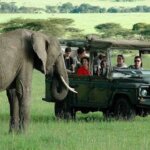
How do you get around during Kenya safari tours?
August 28, 2026
Can you rent a safari vehicle in Kenya?
August 28, 2026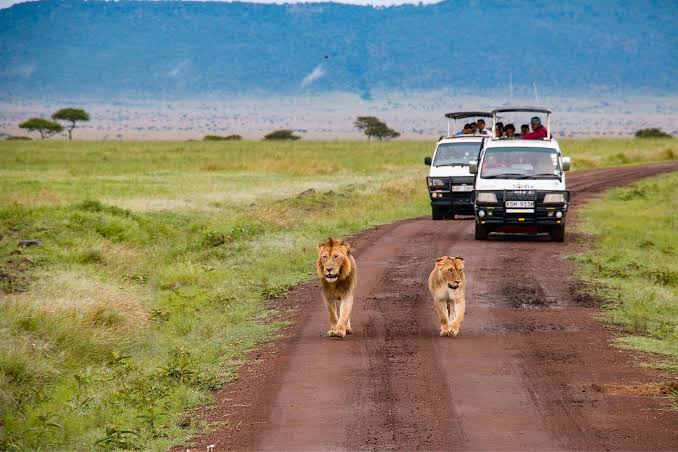
Are Kenya Safari Roads Good?
Kenya safari roads play an important role in the quality, comfort, safety, and timing of your wildlife adventure. For many international travelers planning their first safari, the question “Are Kenya safari roads good?” deserves a clear and honest answer. Kenya has an extensive road network connecting major cities, safari destinations, conservancies, national parks, and private reserves. However, road conditions vary greatly depending on where you travel, the season, the type of road, and the specific safari destination.
Major highways and roads connecting Nairobi with popular tourism areas can offer smooth and comfortable driving. Once you enter many national parks and wildlife conservancies, however, the experience changes. Gravel roads, dirt tracks, rocky sections, muddy stretches, loose soil, and natural potholes can become part of the journey. These conditions are not necessarily a problem. In fact, they form part of the authentic safari experience and allow travelers to reach remote wildlife areas that ordinary paved roads cannot access.
Kenya also has professional safari drivers who understand these changing conditions. Experienced guides know how to adjust driving speed, choose suitable routes, cross difficult sections, and protect both passengers and safari vehicles. Therefore, road quality should not discourage you from visiting Kenya. Instead, understanding what to expect allows you to prepare properly and enjoy the journey with realistic expectations.
For travelers from Europe, North America, Asia, Australia, and other parts of the world, Kenya offers a wide range of safari experiences. Some routes provide excellent paved roads for much of the journey, while others require several hours on rougher park roads. Your choice of destination, vehicle, season, and safari itinerary can make a major difference in road comfort.
Combined Uganda, Kenya, Rwanda and Tanzania Safaris
17 days Kenya Tanzania and Uganda safari
19 Days Uganda Kenya and Tanzania Safari
16 Days Kenya Tanzania and Uganda Safari
14 Days Kenya Uganda and Tanzania Safari
14 Days Kenya Uganda and Rwanda Safari
12 Day Gorilla Trekking and Tanzania Safari
What Are Kenya Safari Roads Really Like?
Kenya safari roads have several different surfaces, and no single description can cover every route. Outside national parks and conservancies, travelers often use paved highways, town roads, and improved regional routes. These roads generally provide better driving conditions and allow safari vehicles to travel efficiently between destinations.
Inside wildlife areas, conditions become more varied. Many safari routes consist of graded dirt roads, gravel tracks, compacted earth, or natural tracks created through repeated vehicle use. Some sections remain relatively smooth, especially when park authorities maintain them regularly. Other areas can become rough because of heavy rainfall, erosion, wildlife activity, or frequent vehicle traffic.
The road conditions also depend on the destination. A safari in the Masai Mara can involve long stretches of dirt roads and tracks across the reserve. Amboseli can provide a mixture of established roads and rougher tracks, while Samburu and other northern destinations can present more challenging terrain. Tsavo, because of its enormous size and varied landscapes, can also offer a mixture of smoother park roads and rugged tracks.
Consequently, travelers should not judge a Kenya safari road solely by the quality of the road leading to the park. The final stages of the journey often become more adventurous. Your safari vehicle becomes an important part of the experience because it needs sufficient ground clearance, strong suspension, reliable tires, and a driver who understands local terrain.
The good news is that these roads give safari vehicles access to areas where wildlife thrives. A perfectly paved road might be comfortable, but it would not provide the same access to remote habitats. Safari travel requires a balance between comfort and exploration, and Kenya provides both depending on the itinerary you choose.
Are Roads to Kenya’s National Parks Paved?
Roads leading toward Kenya’s major safari destinations are not all paved. Some major routes have good tarmac surfaces, while smaller connecting roads can become rough or dusty. Once travelers approach or enter a national park, reserve, or conservancy, they commonly transition from paved roads to dirt or gravel roads.
For example, travelers leaving Nairobi for a safari may enjoy paved sections for a significant part of the journey. However, reaching the final destination can involve unpaved roads. The exact experience depends on the park and the route selected by the safari operator.
This difference matters when planning a road safari. A journey that looks short on a map can take longer than expected because safari vehicles cannot maintain highway speeds on rough terrain. Experienced safari planners account for road conditions when building itineraries. They avoid creating schedules that require travelers to rush between destinations.
Moreover, the condition of a road can change during the year. A road that feels firm and comfortable during a dry period can become muddy after heavy rainfall. Likewise, dust can become more noticeable during dry weather. Therefore, travelers should consider both the destination and the season rather than relying on a general statement about Kenyan roads.
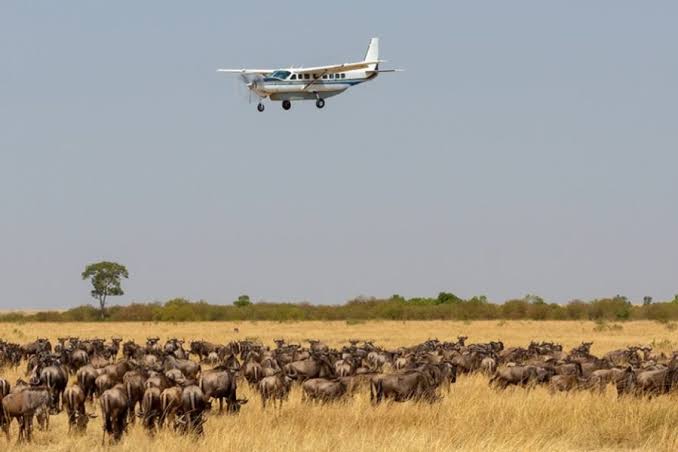
If comfort is a major priority, travelers can also combine road travel with domestic flights. Kenya has several safari destinations with airstrips that support scheduled and charter flights. Flying can reduce long driving times and allow visitors to spend more time enjoying wildlife rather than traveling between destinations.
However, road travel has its own advantage. It allows you to see changing landscapes, rural communities, farms, towns, wildlife habitats, and dramatic scenery along the way. For many travelers, the journey becomes part of the safari rather than simply transportation between two points.
Are Safari Roads in the Masai Mara Good?
The Masai Mara remains one of Kenya’s most famous safari destinations, and road conditions inside the reserve can vary considerably. Travelers should expect dirt roads, gravel surfaces, open tracks, uneven sections, and occasional muddy areas depending on weather conditions.
The Masai Mara does not function like an ordinary city road network. Safari vehicles follow established tracks and routes across a vast natural landscape. Drivers often leave the main tracks when conditions and park rules allow, particularly when following wildlife activity. As a result, travelers should expect some movement across uneven ground.
During dry periods, dust can become part of the experience. During rainy periods, certain areas may become muddy or slippery. However, experienced safari drivers understand these conditions and adjust their routes accordingly. They also know which areas become difficult after rainfall and which routes remain more reliable.
The quality of the safari vehicle makes a significant difference. A properly maintained 4×4 safari vehicle provides better stability and ground clearance than an ordinary passenger car. Good suspension also helps reduce discomfort when traveling over uneven surfaces.
The road conditions should not stop travelers from visiting the Masai Mara. Instead, they should help visitors understand why safari vehicles need specialized design. The rougher sections provide access to wildlife areas that remain far from urban infrastructure.
Travelers who want a smoother experience can discuss their preferences with their safari operator before booking. An operator can build an itinerary that balances game drives, driving distances, accommodation locations, and possible internal flights.
Are Roads in Amboseli National Park Good?
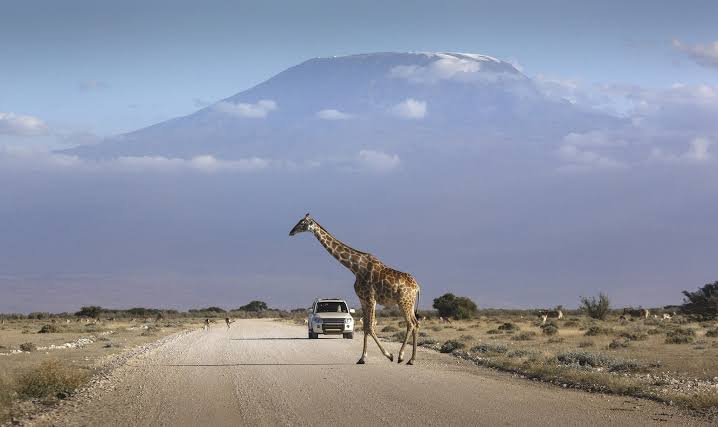
Amboseli National Park offers another example of how Kenyan safari road conditions can vary. The park sits in a dramatic landscape dominated by open plains, wildlife habitats, seasonal wetlands, and views toward Mount Kilimanjaro. Safari roads within the park generally consist of unpaved surfaces rather than conventional paved roads.
Some routes can feel relatively smooth, especially during favorable weather and after road maintenance. However, visitors should still expect uneven ground and occasional rough sections. Water can also affect road conditions, particularly around wet areas and seasonal drainage points.
Amboseli’s environment creates a different driving experience from destinations with dense vegetation or mountainous terrain. The open landscape can provide excellent opportunities for wildlife viewing, while the road itself becomes part of the adventure.
Visitors should also remember that wildlife sightings often determine the route taken during a game drive. A safari driver may need to travel beyond the smoothest road to reach a promising wildlife area. Therefore, road comfort can change during the same game drive.
A well-maintained safari vehicle remains essential. Travelers should also wear comfortable clothing and prepare for dust during dry conditions. Keeping cameras and other sensitive equipment protected from dust can help prevent problems during longer game drives.
Despite the unpaved roads, Amboseli remains highly accessible for safari travelers. The road experience supports the park’s wilderness character and allows visitors to explore habitats where elephants, lions, giraffes, zebras, buffaloes, and many other species live.
What Are the Roads Like in Tsavo National Parks?
Tsavo offers one of the largest safari landscapes in Kenya, and its enormous size means travelers can encounter many different road conditions. The national park includes vast wilderness areas, open plains, bushland, rocky landscapes, seasonal waterways, and diverse wildlife habitats.
Some major routes within Tsavo are relatively well established, while other tracks can become rough and demanding. Travelers may encounter corrugated surfaces, loose stones, sandy sections, muddy areas, and uneven ground. Weather can also influence accessibility.
Because Tsavo covers such a large area, driving distances can become significant. A safari itinerary should therefore consider the location of accommodation, park entry points, wildlife areas, and the amount of time available for game drives.
Experienced drivers provide a major advantage in Tsavo. They understand how different surfaces affect vehicle control and passenger comfort. They also know how to approach challenging areas without placing unnecessary stress on the vehicle.
Tsavo demonstrates why a Kenya safari should not be planned only by looking at distances on a map. A route that appears straightforward can take longer because of road conditions and wildlife viewing stops. Safari travel naturally moves at a slower pace than ordinary highway travel.
The reward, however, can be exceptional. Tsavo provides a sense of wilderness and space that appeals strongly to travelers who want a more remote safari experience. The road conditions help connect visitors with this large natural environment while allowing safari vehicles to reach areas that remain inaccessible to ordinary vehicles.
How Does Rain Affect Kenya Safari Roads?
Rain can significantly change safari road conditions in Kenya. During dry periods, unpaved roads may become dusty, hard, and corrugated. When heavy rain arrives, the same roads can become muddy, slippery, or difficult to navigate.
The effect depends on the soil, drainage, terrain, and amount of rainfall. Some roads drain quickly and remain usable, while others can develop deep mud or standing water. Low-lying areas can become particularly challenging after prolonged rainfall.
Safari operators monitor weather and road conditions when planning game drives. Experienced drivers can often choose alternative routes when a particular section becomes difficult. They also understand how to approach muddy or slippery areas without unnecessarily damaging the vehicle or getting stuck.
Travelers should therefore avoid assuming that rain automatically ruins a safari. Rain can actually transform the landscape. Vegetation becomes greener, landscapes look fresh, and wildlife behavior can change. The experience simply requires more flexibility.
During wet conditions, travelers should prepare for longer travel times. Waterproof jackets, suitable footwear, protective covers for cameras, and comfortable clothing can make the experience easier. A positive attitude also matters because safari travel operates within a natural environment rather than a controlled road system.
Most importantly, reputable safari planning should never ignore seasonal road conditions. A good itinerary considers weather patterns, driving distances, park access, accommodation locations, and the physical demands of the journey.
Do Kenya Safari Vehicles Handle Rough Roads Well?
Safari vehicles in Kenya are designed to handle conditions that ordinary city vehicles cannot manage comfortably. Many operators use four-wheel-drive vehicles with high ground clearance, strong suspension systems, suitable tires, and configurations designed specifically for wildlife viewing.
The vehicle alone, however, does not determine the quality of the journey. Maintenance and driving expertise matter just as much. A well maintained vehicle can handle difficult terrain more reliably than an older vehicle that receives poor maintenance.
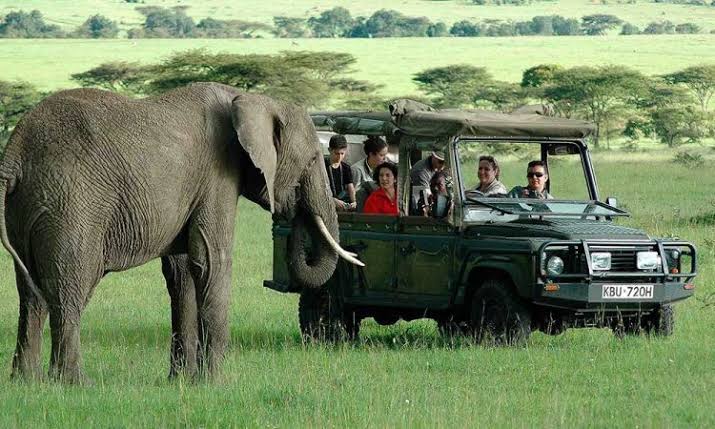
Safari vehicles also provide features that improve wildlife viewing. Depending on the vehicle, travelers may have raised seating, large windows, a pop-up roof, charging facilities, refrigeration, or other safari-focused features. These features can make long game drives more comfortable.
Still, passengers should expect some movement. Rough roads create vibrations, bumps, and sudden changes in vehicle position. This does not mean the vehicle is unsafe. It simply reflects the terrain.
Travelers with limited mobility or strong concerns about road comfort should communicate those needs before booking. Operators can often recommend shorter game drives, suitable accommodation locations, private vehicles, or flight connections that reduce long road journeys.
Ultimately, a quality safari vehicle should combine safety, reliability, comfort, and strong off-road capability. The driver should also prioritize responsible driving, passenger safety, wildlife protection, and careful vehicle handling throughout the journey.
How Long Do You Spend Driving on a Kenya Safari?
Driving time on a Kenya safari depends on the itinerary, destination, road conditions, wildlife viewing opportunities, and whether the traveler uses road transfers or domestic flights.
A safari that focuses on one destination can involve relatively little long-distance travel. On the other hand, an itinerary combining Nairobi, Amboseli, Lake Naivasha, Lake Nakuru, the Masai Mara, and other destinations can involve several hours of road travel.
Travelers should understand that safari driving differs from ordinary transportation. A journey can take longer because the driver may stop for scenic views, wildlife, photography, local attractions, or refreshments. Additionally, unpaved roads naturally require lower speeds.
For this reason, a well-designed safari itinerary should avoid packing too many destinations into a short trip. Spending more time in fewer parks often produces a better experience than constantly moving between locations.
Domestic flights can provide another solution. Travelers who want to reduce road time can fly between selected safari destinations when suitable air connections exist. This approach costs more in many cases, but it can significantly reduce transfer time.
Road travel still provides valuable experiences. You can observe Kenya beyond the parks, watch the landscape change, and experience the transition from busy urban areas to open wilderness. Therefore, driving should not automatically be considered wasted time.
The best approach depends on your priorities. Adventure-focused travelers may enjoy longer road journeys, while luxury travelers or families with young children may prefer shorter transfers and internal flights.
Are Kenya Safari Roads Safe?
Safety on Kenya safari roads depends on several factors, including vehicle condition, driver experience, weather, road conditions, wildlife regulations, and responsible travel practices. Travelers should always choose a reputable safari operator that maintains its vehicles and employs experienced professional drivers.
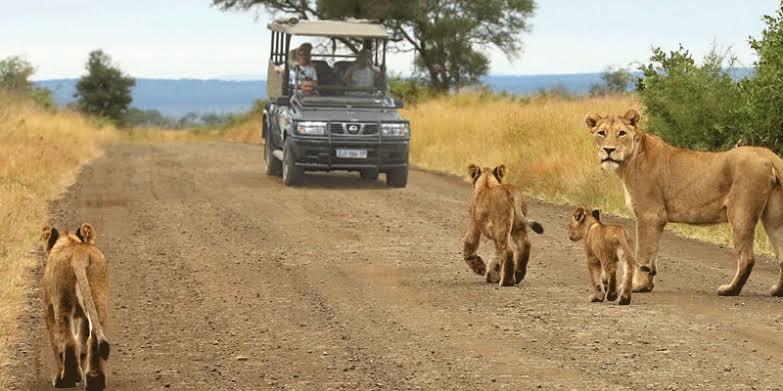
Inside wildlife areas, drivers need to respect park regulations and wildlife behavior. Animals can move unexpectedly, and drivers must maintain appropriate distances and control around wildlife. Responsible driving protects both passengers and animals.
Outside parks, normal road safety remains important. Highways can contain traffic from buses, trucks, motorcycles, pedestrians, and other vehicles. Drivers familiar with local conditions provide an important safety advantage.
Weather also affects safety. Heavy rainfall can reduce visibility and make roads slippery. During such conditions, experienced drivers adjust their speed and route rather than attempting to maintain normal travel times.
Passengers can also improve their own comfort and safety by following basic instructions. Seat belts should remain fastened whenever the vehicle is moving. Travelers should also remain seated when required and avoid standing or leaning outside the vehicle.
A safari should combine excitement with responsible planning. Rough roads do not automatically mean unsafe roads. With a suitable vehicle, professional driver, proper itinerary, and sensible travel practices, road safaris can provide a safe and rewarding way to explore Kenya’s wilderness.
What Should You Pack for Rough Kenya Safari Roads?
Preparing for Kenya’s road conditions can make a major difference to your comfort. Travelers should focus on practical items rather than overpacking.
Comfortable clothing remains important because temperatures can change throughout the day. Lightweight clothing works well in warm conditions, while a fleece or light jacket can help during cool mornings and evenings. A waterproof layer can also prove useful during rainy periods.
Dust protection deserves attention during dry-season road travel. Sunglasses can protect your eyes, while a scarf or light buff can provide additional protection when conditions become dusty. Travelers carrying cameras should use protective bags or covers to reduce exposure to dust.
Comfortable shoes are also valuable. Safari does not usually require heavy hiking boots unless your itinerary includes walking activities. However, shoes should handle dirt, uneven ground, and occasional wet conditions.
Travelers should also carry personal medication, sunscreen, insect repellent, reusable water bottles, and any essential travel documents. A small day bag makes it easier to keep important items accessible during game drives.
If you experience motion sickness, consider preparing before long road journeys. Rough surfaces and extended driving can increase discomfort for some passengers. Planning regular breaks and discussing your needs with your driver can help.
Most importantly, pack with the safari environment in mind. Kenya’s roads connect you to wild landscapes, so practical preparation allows you to focus on wildlife, photography, scenery, and the overall adventure rather than minor discomfort.
Should You Choose a Road Safari or Fly Between Parks?
Choosing between road travel and flying depends on your budget, travel style, itinerary, and available time. Neither option is automatically better for every traveler.
A road safari offers deeper immersion. You see the countryside change as you move from one region to another. You experience towns, landscapes, farms, communities, and wildlife habitats along the route. Road travel can also provide greater flexibility because your safari vehicle can stop at suitable locations along the journey.
Flying saves time. Travelers with short holidays can reach distant safari destinations much faster by using domestic flights. This option can also reduce the physical demands of long road transfers.
Luxury travelers often combine both approaches. For example, they may use a road transfer for a shorter journey and fly between destinations that would otherwise require many hours of driving. Families may also benefit from reducing long road journeys, especially when traveling with young children.
Budget also matters. Road safaris generally provide more transportation within the overall package, while domestic flights can increase the total cost. However, the value of saved time can make flights worthwhile for travelers with limited holiday periods.
The best itinerary balances transportation with the actual safari experience. Spending every day traveling between parks can reduce the amount of time available for wildlife viewing. Therefore, fewer destinations with longer stays often create a more rewarding experience than trying to visit every famous park in one trip.
What Makes a Good Kenya Safari Road Trip?
A good Kenya safari road trip starts with realistic planning. Travelers should understand that safari roads are not designed like urban highways. They exist primarily to provide access through natural landscapes while supporting wildlife conservation and tourism.
The first consideration should be the route. A sensible itinerary avoids unnecessary backtracking and excessive driving. Next, travelers should consider the time of year because weather can affect unpaved roads.
The safari vehicle also matters. A reliable 4×4 with appropriate ground clearance and good suspension improves comfort and performance. Equally important, the vehicle should receive proper maintenance before and during the safari.
The driver guide is another major factor. A knowledgeable driver does more than operate the vehicle. The guide helps interpret wildlife behavior, understand local landscapes, identify animals, manage routes, and make the journey more meaningful.
Accommodation location can also influence road time. Staying near a park entrance or close to major wildlife areas can reduce unnecessary transfers and provide more time for game drives.
Finally, flexibility improves the safari experience. Wildlife does not follow a timetable, and road conditions can change. Travelers who allow room for unexpected delays and exciting sightings often enjoy the experience more than those who try to follow a rigid schedule.
A Kenya road safari works best when comfort, safety, wildlife, timing, and adventure receive equal attention.
Final Thoughts: Are Kenya Safari Roads Good?
So, are Kenya safari roads good? Yes, but travelers should understand what “good” means in a safari environment. Kenya has many good paved roads between major destinations, while national parks, reserves, and conservancies often rely on dirt, gravel, and natural tracks. These roads can become dusty during dry periods and muddy or uneven after rainfall.
However, rough roads do not mean that Kenya offers a poor safari experience. They provide access to wild landscapes that paved roads cannot reach. With a reliable 4×4 safari vehicle, an experienced driver-guide, sensible travel planning, and realistic expectations, road conditions become part of the adventure.
Travelers who want the most comfortable experience can reduce long road transfers by selecting carefully positioned lodges, limiting the number of destinations, choosing private safari vehicles, or using domestic flights between distant parks. Meanwhile, travelers who enjoy exploration can embrace longer road journeys and discover more of Kenya’s landscapes along the way.
For international visitors, choosing the right safari operator remains one of the most important decisions. A knowledgeable operator understands Kenya’s destinations, seasonal conditions, driving distances, vehicle requirements, accommodation locations, and the practical details that can turn a demanding journey into a comfortable and memorable adventure.
Giant Holiday Safaris can help travelers plan Kenya safari experiences around their preferred balance of comfort, adventure, wildlife viewing, driving time, and budget. With thoughtful itinerary planning and a strong understanding of Kenya’s safari environment, travelers can experience the country’s roads not as an obstacle, but as a gateway into some of Africa’s most remarkable wilderness.