What is the best Kenya safari for solo travelers?
August 31, 2026
How safe is Masai Mara safari?
August 31, 2026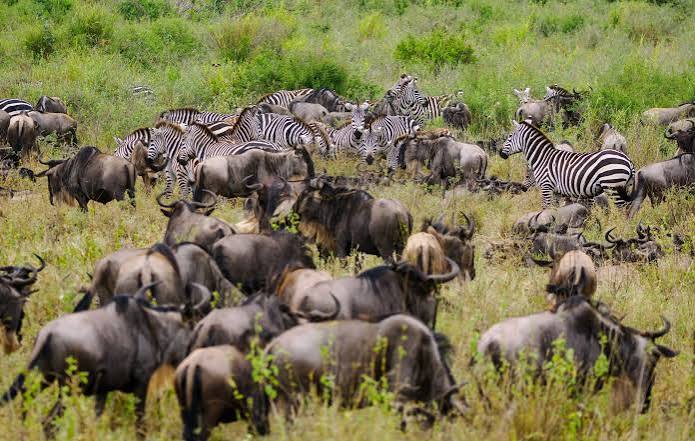
What Are the Best Safari Tours from Nairobi Airport?
Arriving in Kenya through Nairobi gives international travelers an exciting advantage: you can move from the airport to a genuine wildlife experience without spending several days in the city first. For visitors with limited time, the location of Nairobi creates a rare opportunity to combine international travel with a safari almost immediately. However, choosing the right safari tour from Nairobi airport depends on your arrival time, flight schedule, luggage, travel budget, preferred wildlife, and how much time you have before your next journey.
The best option for most short-stay visitors is a Nairobi National Park safari because the park sits within the Nairobi metropolitan area and can be accessed from both Jomo Kenyatta International Airport and Wilson Airport. Travelers with more time can continue to Amboseli National Park, Lake Nakuru National Park, Ol Pejeta Conservancy, or the Maasai Mara. Each destination provides a different style of safari, from quick wildlife viewing close to the airport to multi-day journeys across some of Kenya’s most famous landscapes.
Therefore, planning matters. A good airport safari should not simply take you to a national park. It should connect your international arrival with the right vehicle, guide, accommodation or flight, park access arrangements, meals, luggage handling, and realistic travel times. This guide explores the best safari tours from Nairobi airport and explains which experience works best for different types of travelers.
Combined Uganda, Kenya, Rwanda and Tanzania Safaris
17 days Kenya Tanzania and Uganda safari
19 Days Uganda Kenya and Tanzania Safari
16 Days Kenya Tanzania and Uganda Safari
14 Days Kenya Uganda and Tanzania Safari
14 Days Kenya Uganda and Rwanda Safari
12 Day Gorilla Trekking and Tanzania Safari
Nairobi National Park Is the Best Safari from Nairobi Airport for Short Visits
Nairobi National Park stands out as the most practical safari choice for travelers who want to see African wildlife soon after landing in Kenya. The park provides something few destinations around the world can match: a real wildlife ecosystem beside a major capital city. Kenya Wildlife Service identifies the park as the “world’s only wildlife capital,” and its current park information confirms access by both Jomo Kenyatta International Airport and Wilson Airport.
For this reason, Nairobi National Park works particularly well for travelers on short holidays, business trips, stopovers, and international arrivals who do not want to lose a full day traveling deep into the countryside. A morning or afternoon game drive can fit naturally into a Nairobi itinerary, especially when the airport transfer and game drive have been carefully arranged.
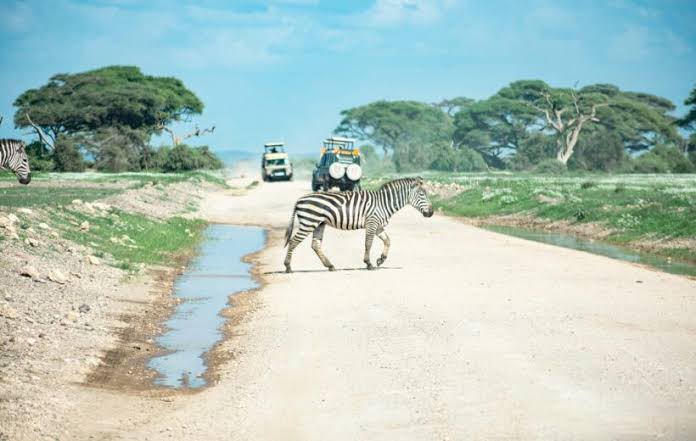
The park covers about 117 square kilometers and supports a wide variety of wildlife. Visitors may encounter lions, rhinos, buffaloes, giraffes, zebras, antelopes, hippos, crocodiles, leopards, and many bird species.
The biggest attraction, however, is the contrast. You can watch wildlife on open plains while Nairobi’s skyline remains part of the wider landscape. That combination makes Nairobi National Park an excellent introduction to Kenya for first-time visitors.
Nairobi Airport to Nairobi National Park Safari Tours Work Well for Layovers
A Nairobi airport safari can be an excellent choice during a long layover, but travelers should plan the timing carefully. The goal should never be to squeeze a safari into a schedule so tightly that a delayed flight, traffic, immigration processing, or a slow airport transfer creates unnecessary stress.
A professionally organized airport safari normally begins with a confirmed arrival time, airport pickup, luggage arrangements, and a clear plan for returning to the airport or reaching your hotel. For a short stopover, a Nairobi National Park game drive remains the strongest option because it minimizes the amount of road travel required before the actual wildlife experience.
Nairobi National Park gates generally open at 6:00 a.m. and close at 6:00 p.m. for visitors who are not staying overnight, so the timing of your arrival and departure matters.
A useful airport safari plan should also leave a safety margin before your onward flight. International travelers need time for airport procedures, security checks, baggage handling, and unexpected road delays. Therefore, a short safari should focus on quality rather than distance. One productive game drive in Nairobi National Park can create a memorable Kenyan wildlife experience without forcing you into an exhausting cross-country journey.
This option particularly suits travelers with long daytime connections, business visitors with a free afternoon, couples spending their first day in Nairobi, and families who want a gentle introduction to safari.
A Nairobi National Park Game Drive Gives You a Genuine Wildlife Experience
Some travelers assume that a safari close to a major city cannot provide a serious wildlife encounter. Nairobi National Park challenges that idea. Its landscape contains open grasslands, riverine areas, woodland, and wildlife habitats that support important populations of large mammals and birds.
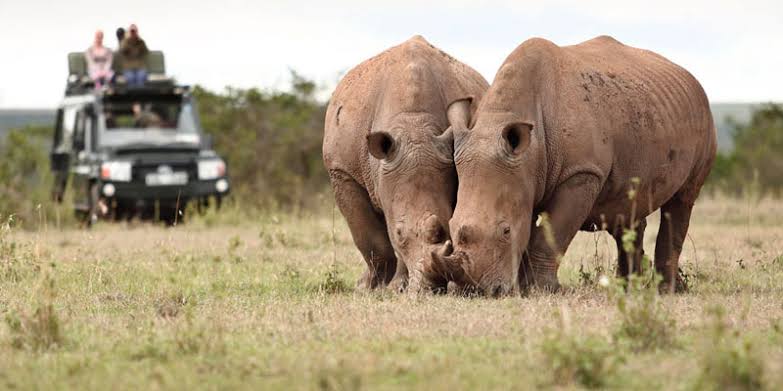
The park is especially valuable for travelers who want to see rhinos. It has played an important role in rhino conservation, while its wider wildlife population adds variety to a relatively compact safari setting. A good game drive can also produce sightings of lions, giraffes, buffaloes, zebras, antelopes, hippos, crocodiles, and numerous bird species.
Photography enthusiasts can also enjoy the park because the urban skyline creates a distinctive background. Instead of photographing wildlife in a landscape that looks like every other savanna destination, you can capture a lion, giraffe, or rhinoceros with Nairobi’s modern cityscape in the distance.
Furthermore, Nairobi National Park suits many different traveler profiles. Families can enjoy a shorter safari without a long road transfer. Couples can combine the game drive with other Nairobi experiences. First-time safari visitors can use the park as an introduction before continuing to destinations such as Maasai Mara or Amboseli.
That flexibility makes Nairobi National Park more than a convenient airport stop. It provides a complete safari experience in a compact setting.
Amboseli Safari Tours Are Best for Travelers with More Time
Travelers who have at least two or three days available can consider Amboseli National Park. The experience differs greatly from Nairobi National Park because Amboseli offers expansive landscapes, large elephant herds, and dramatic views toward Mount Kilimanjaro. Kenya Wildlife Service describes Amboseli as one of Kenya’s premier destinations for close encounters with large elephant herds, while its varied ecosystem includes grass plains, acacia woodland, thorny bushland, swamps, and marshes.
However, Amboseli is not an ideal choice for a very short airport layover. The park lies much farther from Nairobi, with official access information giving road routes of approximately 204 kilometers through Emali and about 220 kilometers through Namanga, depending on the gate and route used.
That distance makes Amboseli better suited to a dedicated safari rather than a quick airport excursion. A two-night Amboseli safari allows enough time for game drives, relaxation, photography, and landscape viewing.
The park particularly attracts elephant lovers and photographers. The combination of wildlife, open plains, wetlands, and Mount Kilimanjaro creates one of Kenya’s most recognizable safari scenes. Moreover, the wider region provides opportunities to appreciate Maasai culture when activities are planned respectfully and with local communities.
For travelers arriving at Nairobi airport who have several days before moving elsewhere, Amboseli can therefore provide a stronger wilderness experience than trying to fit a distant park into a single day.
Maasai Mara Safari Tours Are Ideal for Travelers Seeking the Classic Kenya Safari
The Maasai Mara remains one of the strongest choices for travelers who want an extended Kenyan safari with a focus on big cats, expansive savanna landscapes, and classic game-viewing experiences. However, travelers flying into Nairobi airport should understand one important detail: most convenient safari air connections use Wilson Airport rather than starting directly from the international terminal.
A well organized itinerary can collect you from Jomo Kenyatta International Airport, take you to your Nairobi accommodation or Wilson Airport, and connect you with a scheduled safari flight. Magical Kenya-listed safari itineraries demonstrate this common structure, including transfers from JKIA and scheduled flights between Wilson and the Maasai Mara.
This approach can save substantial road time. Instead of spending many hours traveling by road immediately after an international flight, you can rest, transfer efficiently, and then fly into the safari region.
The Mara works best for travelers with several days rather than a few spare hours. Two or three nights can provide enough time for multiple game drives while allowing you to enjoy the accommodation and surrounding conservancy areas.
The experience also changes with the seasons. Wildlife movements, weather, visitor levels, and road conditions influence each safari period. Therefore, a knowledgeable tour operator should design the itinerary around the traveler’s actual travel dates rather than using one fixed itinerary throughout the year.
Lake Nakuru Safari Tours Are a Strong Choice for Wildlife and Scenic Variety
Lake Nakuru National Park offers another practical option for travelers starting their Kenyan safari in Nairobi. The park sits about 156 kilometers northwest of Nairobi along the A104, according to Kenya Wildlife Service.
Because of its distance, Lake Nakuru makes more sense for a full-day excursion or, preferably, part of a longer safari itinerary. The park provides a different environment from the open plains around Nairobi. Grasslands, acacia woodlands, rocky escarpments, and lake habitats create a varied setting for wildlife viewing.
The park also carries major conservation importance. It became Kenya’s first government-managed rhino sanctuary in 1987 and continues to support black and white rhino conservation.
For travelers building a multi-destination safari, Lake Nakuru can also fit naturally between Nairobi and other destinations in the Great Rift Valley. This makes it particularly useful for visitors who want to experience several landscapes instead of spending their entire trip in one park.
Another practical benefit comes from accessibility. Travelers coming from Nairobi can use routes that avoid unnecessary movement through central Nakuru, with Kenya Wildlife Service specifically noting Lanet Gate as an appropriate option for visitors arriving from Nairobi.
Therefore, Lake Nakuru works especially well for wildlife enthusiasts, photographers, families, and travelers who want a varied itinerary without immediately committing to a long flight into a remote safari region.
Ol Pejeta Conservancy Is Excellent for Conservation-Focused Safari Travelers
Ol Pejeta Conservancy provides a different safari experience because it combines wildlife tourism with strong conservation themes. It can be an excellent addition for travelers who want their Kenyan safari to go beyond traditional game drives.
The conservancy works particularly well within longer northern Kenya itineraries. Travelers arriving through Nairobi can use a road transfer or build an itinerary that connects Nairobi with the Laikipia region. The journey takes longer than a Nairobi National Park excursion, but the rewards come from a broader safari experience and the opportunity to learn about conservation in greater depth.
Ol Pejeta appeals strongly to travelers interested in rhino conservation, wildlife protection, photography, family learning, and responsible tourism. It also provides a valuable perspective on how tourism, local communities, land management, and wildlife conservation can work together.
For families, an educational conservation-focused experience can make the safari more meaningful. Children can learn about wildlife protection while still enjoying authentic game viewing. Couples and photographers can also benefit from a quieter experience compared with some of Kenya’s busiest safari circuits.
A strong Nairobi-to-Ol Pejeta itinerary should include realistic driving times and suitable accommodation instead of trying to rush the destination into a single short excursion. The experience becomes much more rewarding when travelers have time to enjoy the conservancy, appreciate the scenery around Mount Kenya, and understand the conservation work connected to the landscape.
Which Nairobi Airport Safari Is Best for Families?
Families need a different style of safari planning because children often respond better to manageable travel periods, comfortable vehicles, flexible meal arrangements, and carefully chosen accommodation. For this reason, Nairobi National Park is usually the easiest first safari option from Nairobi airport.
A short game drive gives children the excitement of entering a wildlife area without immediately committing them to a long road journey. It also provides parents with more flexibility. After the safari, the family can return to a Nairobi hotel, rest, eat, and continue with another activity.
For families staying longer in Kenya, a combination of Nairobi National Park and Amboseli can work very well. Nairobi provides a convenient introduction, while Amboseli creates a deeper wilderness experience with elephants and impressive mountain scenery. Kenya Wildlife Service highlights Amboseli’s elephant herds, birdlife, diverse habitats, and Mount Kilimanjaro backdrop among its major attractions.
The vehicle also matters. Families should choose a safari vehicle with enough space for every passenger, good visibility, seat comfort, and room for luggage. A private safari vehicle often provides greater flexibility because the driver-guide can adjust the pace around the family’s needs.
Consequently, the best family safari is not necessarily the longest safari. It is the one that balances wildlife, comfort, travel time, and the children’s energy levels.
Which Safari from Nairobi Airport Is Best for Couples and Honeymooners?
Couples and honeymooners often want a safari that combines wildlife with comfort, privacy, scenery, and memorable experiences. In that case, Nairobi National Park can provide an excellent first day, while a longer safari in Amboseli or Maasai Mara can form the main romantic experience.
For a short stay, a private Nairobi National Park game drive gives couples a chance to enjoy wildlife without spending most of the day traveling. The park’s combination of animals and city views can create distinctive photographs and a memorable first impression of Kenya.
For a longer honeymoon, the Maasai Mara often provides the classic romantic safari atmosphere. Couples can spend several nights in a lodge or tented camp, enjoy morning and afternoon game drives, and spend quiet evenings surrounded by nature. Scheduled safari flights can also reduce the travel burden between Nairobi and the Mara. Magical Kenya itineraries demonstrate the use of Wilson Airport connections for Mara safari programs.
Amboseli offers another strong honeymoon option, especially for couples who value dramatic scenery and elephants. The Mount Kilimanjaro backdrop can add a powerful visual element to private game drives and photography.
The best honeymoon planning also leaves space for rest. Safari should feel exciting, not rushed. A carefully paced itinerary can therefore combine wildlife adventure with quality time together.
How to Choose the Best Safari Tour from Nairobi Airport Based on Your Available Time
Your available time should determine your safari destination more than marketing promises or a desire to visit every famous park. Airport safari planning works best when travelers match the destination to the length of their stay.
With only a few hours available, Nairobi National Park is the clear choice. It allows you to experience a genuine Kenyan game drive while keeping travel distances relatively short.
With one full day, Nairobi National Park remains the most practical option. A well-planned morning or afternoon game drive can provide an excellent introduction to Kenya.
With two or three days, Amboseli becomes much more realistic. The additional time allows travelers to absorb the landscape instead of spending the entire trip inside a vehicle traveling between Nairobi and the park. Official KWS access information places Amboseli roughly 204–220 kilometers from Nairobi depending on the route.
With three or more days, Maasai Mara becomes particularly attractive, especially when travelers use a scheduled flight from Wilson Airport after transferring from JKIA.
For a longer circuit, travelers can combine Nairobi with Lake Nakuru, Ol Pejeta, Amboseli, Maasai Mara, or other destinations. The most successful itineraries avoid unnecessary backtracking and allow enough time for actual wildlife viewing.
In other words, more destinations do not automatically create a better safari. Better route design creates a better safari.
What Should You Check Before Booking a Safari from Nairobi Airport?
Choosing the right safari package requires more than comparing prices. Travelers should examine what the package actually includes because two tours with similar prices can provide very different experiences.
First, confirm whether airport pickup from Jomo Kenyatta International Airport is included. Next, check whether park entry fees, transportation, accommodation, meals, game drives, domestic flights, and guide services appear in the package price or require additional payment.
Travelers should also check the vehicle type. A proper safari vehicle should provide good visibility, comfortable seating, and enough room for passengers and luggage. For private tours, travelers should also confirm whether the guide and vehicle remain exclusively available to the group.
Timing deserves equal attention. A tour that promises a distant national park in an unrealistically short period may leave guests spending most of their vacation on the road. Reliable safari planning uses realistic journey times and considers road conditions, traffic, airport procedures, and weather.
Travelers should also verify the current conservation-area rules and park operating conditions before travel. Kenya Wildlife Service provides official visitor guidance, including opening and closing information and wildlife safety rules for Nairobi National Park and other protected areas.
Finally, ask about emergency arrangements, travel insurance, cancellation terms, vehicle breakdown support, and communication during the safari. These details may seem small before departure, yet they become extremely important when something unexpected happens.
Why the Difference Between JKIA and Wilson Airport Matters for Your Safari
One of the most important details for international travelers planning a safari from Nairobi is the difference between Jomo Kenyatta International Airport and Wilson Airport. They serve different roles within Kenya’s travel network, and confusing them can create major itinerary problems.
Jomo Kenyatta International Airport, commonly known as JKIA, handles major international arrivals into Nairobi. Wilson Airport, meanwhile, plays an important role in domestic and safari air connections. Official Kenya tourism itineraries regularly use Wilson for flights to destinations such as the Maasai Mara and Amboseli.
This distinction matters most when a traveler lands internationally and wants to continue directly to a safari destination by air. Your safari operator may need to arrange a transfer from JKIA to Wilson Airport. That transfer needs careful timing because your international flight may arrive late, immigration may take longer than expected, or traffic may affect the journey.
Nairobi National Park provides an easier situation because KWS specifically lists both JKIA and Wilson Airport as air-access points for the park.
Therefore, always read your itinerary carefully. Check the exact airport, transfer arrangements, flight times, baggage allowances, and connection requirements. A professional safari plan should make this airport transition clear before you arrive in Kenya.
What Should You Pack for a Safari Starting at Nairobi Airport?
Packing for an airport safari requires a balance between international travel needs and wildlife activities. Travelers should bring comfortable, lightweight clothing suitable for warm daytime conditions and cooler mornings or evenings. Neutral, earthy clothing works well for game drives because it keeps the experience practical without attracting unnecessary attention.
A good safari packing list should include sunglasses, sunscreen, insect repellent, comfortable shoes, a reusable water bottle, a light jacket, personal medication, binoculars, and camera equipment. Kenya Wildlife Service specifically recommends items such as drinking water, cameras, binoculars, sunscreen, insect repellent, and sunglasses for visitors to Nairobi National Park.
Luggage planning becomes even more important when a safari connects with domestic flights. Small aircraft often impose stricter baggage limits than international airlines, so travelers should confirm the exact requirements before transferring to Wilson Airport.
You should also protect important travel documents. Keep your passport, travel insurance details, flight information, accommodation confirmations, and emergency contacts somewhere secure and accessible.
For photographers, carry spare batteries and memory cards. Power availability varies between safari camps, so charging equipment before departure can prevent avoidable problems.
Most importantly, pack for comfort rather than fashion alone. A safari involves long periods sitting inside a vehicle, early starts, dusty roads, strong sunlight, and changing temperatures. Practical preparation allows you to focus on wildlife and enjoy the journey.
Responsible Tourism Should Be Part of Every Nairobi Airport Safari
A quality safari should protect the destination as much as it entertains visitors. Responsible tourism begins with simple decisions: respecting wildlife, following park rules, supporting legitimate local businesses, reducing waste, and treating communities with dignity.
Kenya Wildlife Service requires visitors to follow important wildlife safety measures. These include staying in designated areas, avoiding unnecessary noise, respecting animals’ space, keeping within speed limits, and never feeding wildlife. Nairobi National Park guidance also emphasizes that wild animals remain unpredictable and should be treated with caution.
Visitors should also respect Kenya’s protected areas as conservation spaces rather than viewing them as amusement parks. A safari vehicle should remain on approved roads and trails, while the guide should prioritize animal welfare over chasing a perfect photograph.
Community tourism also deserves careful attention. When travelers visit cultural centers or community-run experiences, the activity should provide genuine value to local people and avoid reducing culture to staged entertainment.
Waste management matters as well. KWS identifies its parks as single-use-plastic-free zones, reinforcing the importance of reducing unnecessary plastic use while traveling.
Therefore, responsible tourism is not an optional extra. It is part of a professional safari experience. When travelers make responsible choices, they help support the landscapes, wildlife, and communities that make Kenya one of Africa’s leading safari destinations.
The Best Safari from Nairobi Airport Depends on the Experience You Want
There is no single safari that works perfectly for every traveler arriving at Nairobi airport. Instead, the best choice depends on what you want to experience and how much time you have.
For a short stopover, Nairobi National Park provides the strongest combination of convenience and authentic wildlife. Its proximity to Nairobi makes it especially valuable for international travelers who cannot spend several days traveling into the country. KWS confirms access to the park from both JKIA and Wilson Airport, making it particularly suitable for Nairobi-based itineraries.
For elephants, mountain scenery, and open landscapes, Amboseli deserves serious consideration. Its large elephant herds and Mount Kilimanjaro views provide a distinctive safari atmosphere.
For travelers seeking a classic multi-day safari, the Maasai Mara offers a stronger long-stay option, with safari flight connections commonly operating through Wilson Airport.
For rhino conservation, lake scenery, and Rift Valley landscapes, Lake Nakuru offers another valuable experience. Its location about 156 kilometers from Nairobi makes it better suited to a dedicated day or multi-day itinerary rather than a rushed airport layover.
Ultimately, the quality of your safari depends on planning. The right destination, vehicle, guide, timing, accommodation, airport transfer, and conservation approach can turn an ordinary stop in Nairobi into the beginning of an unforgettable Kenyan adventure.
Conclusion: Plan Your Nairobi Airport Safari with Confidence
A safari from Nairobi airport can be one of the smartest ways to begin a Kenyan holiday. Rather than spending your first day only moving between an international terminal and a city hotel, you can start experiencing Kenya’s wildlife almost immediately. Nairobi National Park offers the most convenient option for short stays, airport stopovers, and first-time visitors. Meanwhile, Amboseli, Lake Nakuru, Ol Pejeta, and the Maasai Mara provide deeper experiences when your itinerary allows more time.
The most important lesson is to match the safari to your schedule. Do not choose a distant destination simply because it sounds impressive. Choose an itinerary that gives you enough time to enjoy the wildlife, scenery, culture, accommodation, and people you encounter along the way. Also, pay close attention to the difference between JKIA and Wilson Airport when your safari includes domestic flights.
With expert planning, realistic travel times, quality guiding, responsible wildlife practices, and properly arranged airport transfers, Kenya can transform an international arrival into the start of an extraordinary African adventure. For travelers seeking dependable planning, personalized safari experiences, and knowledgeable support from arrival to departure, Giant Holiday Safaris stands out as a trusted tour operator for discovering Kenya and experiencing Africa with confidence.