What are the best safari tours from Nairobi airport?
August 31, 2026
What are the best Kenya safari destinations in August?
August 31, 2026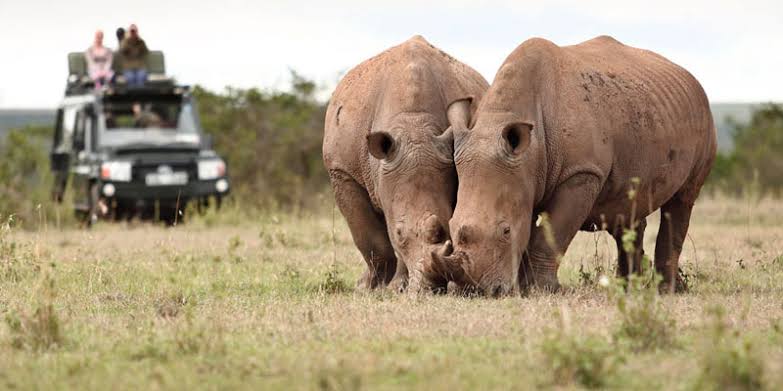
How Safe Is Masai Mara Safari?
A Masai Mara safari is one of the most exciting wildlife experiences in Africa, yet safety should remain an important part of every travel plan. The Masai Mara gives visitors the chance to see lions, elephants, leopards, cheetahs, buffalo, hippos, crocodiles, giraffes, and many other wild animals in their natural environment. That close connection with nature creates unforgettable memories, but it also requires responsible behavior, experienced guiding, good planning, and respect for park rules.
For most travelers, a professionally organized Masai Mara safari can be enjoyed safely when they follow clear precautions. However, the Mara is still a wild environment, not a controlled zoo. Wildlife can behave unpredictably, roads can become challenging during heavy rain, and remote locations can make emergency response slower. Therefore, safety depends not only on the destination but also on the quality of the safari operator, vehicle, guide, accommodation, route planning, and personal decisions.
Kenya currently carries a higher-caution travel classification from several governments because of broader national risks involving crime, terrorism, unrest, health concerns, and road safety. At the same time, official guidance specifically emphasizes using reputable safari operators, following park regulations, checking operator credentials, and taking additional precautions in game reserves.
The right way to understand Masai Mara safety is not to ask whether the reserve has zero risk. No wildlife destination can promise that. Instead, travelers should understand the real risks, know how safari professionals control them, and learn how to behave around wildlife and in remote areas. With the right preparation, visitors can enjoy the Mara with confidence while respecting the environment and the communities that make the destination so special.
Combined Uganda, Kenya, Rwanda and Tanzania Safaris
17 days Kenya Tanzania and Uganda safari
19 Days Uganda Kenya and Tanzania Safari
16 Days Kenya Tanzania and Uganda Safari
14 Days Kenya Uganda and Tanzania Safari
14 Days Kenya Uganda and Rwanda Safari
12 Day Gorilla Trekking and Tanzania Safari
Is Masai Mara Safe for Tourists?
Yes, the Masai Mara can be a safe safari destination for tourists when travelers use reputable operators, stay in properly managed accommodation, follow their guide’s instructions, and respect reserve regulations. The experience becomes much safer when visitors understand that the safari vehicle, guide, camp, and daily schedule all form part of one safety system. Good operators plan routes carefully, maintain communication, monitor weather and road conditions, and make decisions based on current conditions rather than simply following a fixed itinerary.
The most important factor is controlled exposure to the wilderness. Visitors normally observe wildlife from a safari vehicle, which creates a safer distance between people and animals. Professional guides also understand animal behavior and know when a vehicle should stop, move away, or change direction. This knowledge matters because even familiar animals can react differently depending on whether they have young, feel threatened, compete for food, or encounter another animal.
The reserve also operates under specific management rules designed to protect wildlife and visitors. The Masai Mara National Reserve management plan limits speeds, controls entry and exit points, sets wildlife viewing distances, restricts certain off-road driving, and requires visitors staying outside the reserve to leave by the prescribed evening deadline.
Travelers should also distinguish the safety of the Mara from wider security concerns in Kenya. Current U.S. travel guidance places Kenya at Level 2, advising increased caution because of several nationwide risks, while identifying specific regions where stronger restrictions apply. Therefore, travelers should check current government advice before departure and avoid assuming that conditions remain unchanged throughout the year.
Is Wildlife Dangerous During a Masai Mara Safari?
Wild animals can be dangerous, but safari risk drops greatly when visitors maintain appropriate distance and follow professional guidance. The most important mistake to avoid involves treating wild animals like domestic animals. A lion may appear relaxed beside a vehicle, a buffalo may remain still for several minutes, or an elephant may calmly feed near the road. None of these situations mean that the animal has become harmless.
Wildlife responds to movement, sound, distance, and perceived threats. A sudden door opening, a person standing outside the vehicle, shouting, or moving toward an animal can change an otherwise calm encounter. For that reason, visitors should remain inside the vehicle unless their guide gives specific instructions for a controlled activity in a safe location.
Masai Mara management rules provide clear guidance for wildlife viewing. The reserve recommends keeping at least 25 metres from animals whenever possible. It also limits the number of vehicles around lions, leopards, cheetahs, and rhinos and requires drivers to move away when too many vehicles gather around a sighting. The rules also prohibit chasing, following, or harassing animals.
Predators are not the only animals that deserve caution. Buffalo can become highly defensive, elephants can charge when they feel threatened, hippos can become dangerous around water, and even smaller animals can bite or injure people when handled or approached. Visitors should never feed wildlife or attempt to attract an animal closer for a photograph.
The safest approach is simple: observe rather than interact. A great safari does not require touching wildlife. It requires patience, distance, quiet observation, and an experienced guide who understands animal behavior.
How Safe Are Safari Vehicles in the Masai Mara?
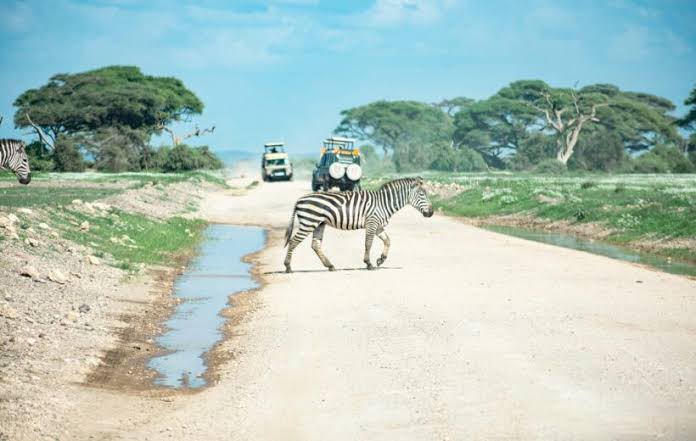
Safari vehicles provide an important layer of protection, but passengers still need to use them correctly. Most wildlife viewing happens from vehicles because they allow visitors to observe animals while maintaining a controlled environment. However, safari driving takes place on rough tracks, uneven terrain, muddy sections, steep surfaces, and roads that can change significantly after rainfall.
Vehicle safety therefore depends on the condition of the vehicle and the experience of the driver-guide. Travelers should choose operators that maintain their vehicles properly and employ drivers who understand the reserve’s roads and wildlife areas. A good safari vehicle should provide comfortable seating, functional seat belts, secure doors or access points, and adequate space for passengers and equipment.
Official U.S. travel guidance specifically warns that safari vehicles can overturn and notes that tourists have suffered serious injuries after failing to use seat belts. It also highlights speeding and poor road conditions as important safari transportation risks.
Always wear the seat belt whenever the vehicle is moving, even during short drives between wildlife sightings. Avoid standing while the vehicle travels over rough ground. Keep cameras and phones secure rather than holding them loosely when the vehicle moves quickly. Parents should also make sure children remain seated and supervised.
Reserve rules further improve safety by limiting speeds. The Masai Mara management plan sets a maximum of 50 km/h on graded roads and 30 km/h on other roads, while also requiring drivers to slow down when animals cross the road.
A safe driver does not need to race from one wildlife sighting to another. Controlled driving, good judgment, and respect for road conditions create a much safer experience.
Is It Safe to Walk Around a Masai Mara Safari Camp?
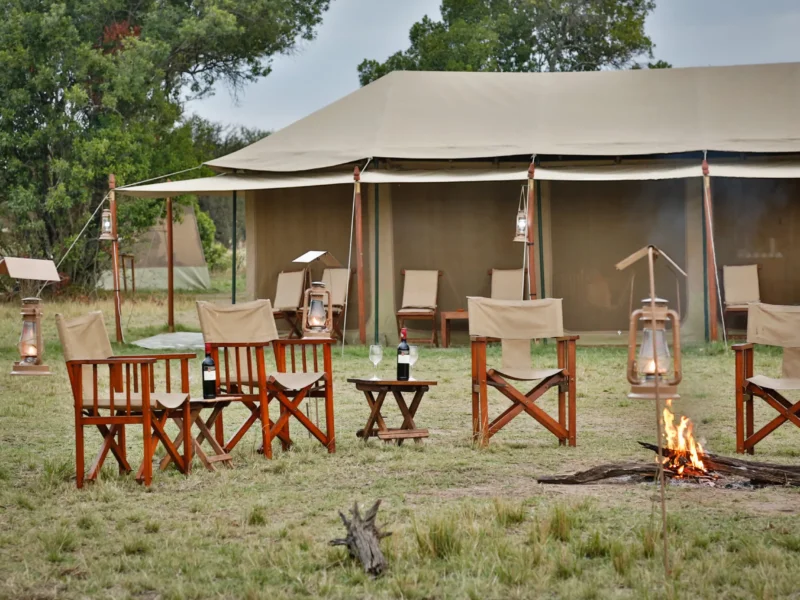
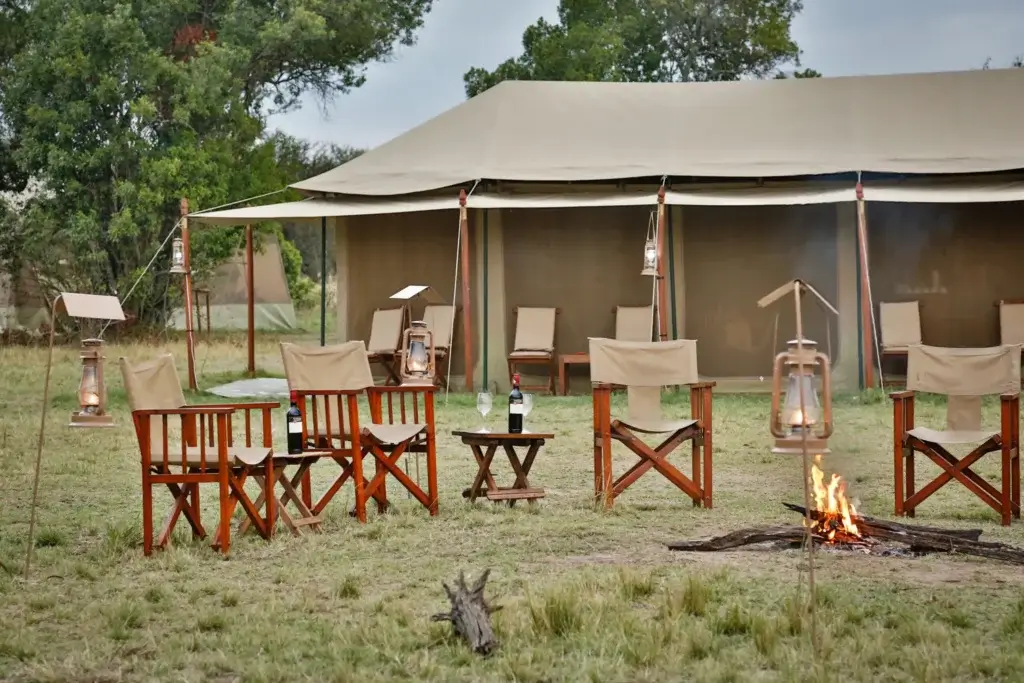
Walking around a safari camp can be safe when the camp has proper procedures and visitors follow staff instructions. However, the Mara is a wildlife environment, and animals can sometimes move through areas near accommodation. For that reason, travelers should never assume that a tented camp or lodge provides the same freedom as an ordinary city hotel.
Each property follows its own security and wildlife procedures. Some camps use guides or escorts when guests walk between accommodation areas after dark. Visitors should use those services whenever the camp requires them. Walking alone at night can create unnecessary risk, particularly around vegetation, riverbanks, feeding areas, and less developed camp zones.
Guests should also keep food properly stored and avoid leaving food scraps outside tents or rooms. Do not attempt to attract animals for photographs. Never follow animal tracks or approach wildlife because an animal appears far away. A safe camp experience depends on allowing staff to control movement around the property.
Water also deserves special attention. Rivers and pools in wildlife areas can contain dangerous animals, and swimming in rivers and lakes inside Kenyan national parks is prohibited. The wider lesson applies to the Mara as well: natural water sources should never be treated as ordinary recreational swimming areas.
At night, use a flashlight where appropriate, remain alert, and listen to camp instructions. If you hear unusual animal activity nearby, do not leave your tent to investigate. Contact camp staff instead.
A professionally managed camp combines hospitality with wildlife awareness. Visitors enjoy greater comfort when they respect the boundaries between guest areas and the surrounding wilderness.
Is Masai Mara Safe From Crime?
Crime deserves attention during a Masai Mara safari, although the risks you face on safari differ from those in busy urban areas. Kenya has broader concerns involving petty crime, robbery, fraud, kidnapping, terrorism, and unrest, and current official advisories encourage travelers to stay alert and make informed decisions. The UK travel guidance also encourages visitors to use reputable operators, arrive at game reserves during daylight, and avoid purchasing tours from unauthorized touts.
For safari travelers, practical security begins before reaching the reserve. Book through a legitimate and established operator rather than accepting unusually cheap offers from unknown individuals. Keep passport copies, travel insurance information, emergency contacts, and important booking details accessible. Store valuable items securely and avoid displaying large amounts of cash.
Travelers should also limit unnecessary exposure when moving through unfamiliar places. Do not leave expensive cameras, laptops, phones, or cash visible inside vehicles. Keep hotel or camp room doors secured and follow property security instructions.
When transferring between Nairobi and the Mara, use trusted transportation rather than accepting random rides. Daytime travel is generally preferable for unfamiliar routes, and travelers should pay attention to changing local conditions.
The important point is balance. Fear should not replace sensible travel planning. Most visitors do not need to spend their safari feeling nervous. Instead, they need a reliable system that reduces avoidable risks. Choosing a credible operator, using secure accommodation, protecting personal belongings, staying alert during transfers, and following local guidance can significantly improve the overall experience.
Is Driving to the Masai Mara Safe?
Traveling to the Masai Mara by road can be safe when a professional driver handles the journey and conditions receive proper attention. However, the road trip presents different risks from the wildlife experience itself. Traffic accidents remain a significant travel concern in Kenya, and official U.S. guidance identifies vehicle accidents as a major source of injury and death among American travelers in the country.
The journey can include long distances, busy highways, changing road surfaces, potholes, construction areas, overtaking traffic, and rural roads. Weather can also transform driving conditions, particularly during heavy rain. Unpaved roads around wildlife areas can become muddy or difficult to navigate.
A responsible operator should plan the route according to the season, vehicle condition, weather, and guest comfort. Drivers should avoid unnecessary speeding and should not take dangerous overtaking risks simply to meet a tight schedule.
Flying to the Mara can reduce the amount of road travel for visitors who prefer a shorter transfer, although travelers still need safe ground transportation between the airstrip and accommodation. Regardless of the transport method, travelers should use seat belts and follow the driver-guide’s instructions throughout the journey.
Rain deserves special consideration. Kenya’s rainy seasons can produce difficult road conditions, and official guidance warns that some unpaved roads can become impassable even for high-clearance four-wheel-drive vehicles.
Therefore, road safety depends on preparation. A good safari itinerary allows enough time for the journey rather than forcing the driver to compensate for poor planning with excessive speed.
How Safe Is the Masai Mara During the Rainy Season?
The Masai Mara remains a rewarding destination during rainy periods, but travelers should understand how wet weather changes safari conditions. Rain can make tracks muddy, create standing water, reduce visibility, and increase travel time. Some camps near waterways can also face flooding risks during periods of exceptionally heavy rain.
Recent official travel guidance specifically notes that heavy rainfall has caused flooding in parts of the Maasai Mara in the past, including major flooding that required helicopter rescues in May 2024. This does not mean that every rainy-season safari becomes dangerous. Instead, it highlights the importance of choosing accommodation carefully and monitoring conditions before and during travel.
A professional safari operator should adjust routes when roads become unsafe. Drivers may avoid certain tracks, delay a departure, use alternative routes, or modify activities according to conditions. Guests should welcome these changes because safety matters more than reaching a particular wildlife sighting.
Travelers should pack suitable waterproof clothing, protect cameras and electronic equipment, and prepare for cooler conditions after rain. Shoes with good grip can also make walking around camp more comfortable.
The rainy season can provide beautiful landscapes, fresh vegetation, dramatic skies, and fewer visitors in some periods. Therefore, weather alone should not discourage travelers. The real priority is choosing an experienced operator that monitors conditions and has flexible plans.
A well managed safari does not fight nature. It works around it.
How Can Families and Children Stay Safe on a Masai Mara Safari?
Families can enjoy a Masai Mara safari safely when adults prepare children for the realities of a wildlife environment. Children often become excited when they see lions, elephants, giraffes, or cheetahs, and that excitement can lead to sudden movements or loud reactions. Parents should teach children basic safari rules before entering the reserve.
The most important rule is to remain seated inside the vehicle while wildlife viewing. Children should not lean far outside the vehicle, shout at animals, throw objects, or attempt to attract wildlife. They should also understand that the guide controls when it is safe to move around the vehicle.
Parents should choose accommodation that suits the ages of their children. Family-friendly properties can provide suitable rooms, flexible meal arrangements, and activities designed for younger travelers. Families traveling with very young children should also discuss camp movement procedures, especially for nighttime walking.
Long drives may challenge younger children, so parents should plan rest periods, snacks, drinking water, entertainment, and comfortable clothing. Keeping children hydrated and protected from the sun also matters during full-day game drives.
Wildlife education makes safety easier. When children understand that animals need space, they become more likely to respect boundaries. A guide can turn safety rules into part of the learning experience by explaining animal behavior in an age-appropriate way.
A family safari works best when parents combine excitement with structure. The goal is not to restrict children’s enjoyment. Instead, it is to create habits that let them experience the wilderness without taking unnecessary risks.
What Health and Emergency Precautions Should You Take?
Health preparation should form part of every Masai Mara safari plan, particularly because the reserve lies far from some major medical facilities. Official U.S. guidance notes that injuries in remote safari areas may require travel to major cities for appropriate medical treatment and recommends medical evacuation coverage for travelers.
Travel insurance should therefore cover the activities included in your itinerary and provide appropriate medical and evacuation protection. Before traveling, check exactly what the policy covers rather than assuming every emergency receives automatic assistance.
Travelers should also prepare for sun exposure, dehydration, insect bites, minor cuts, digestive problems, and changes in temperature. Carry adequate drinking water during game drives and protect yourself from the sun with suitable clothing, a hat, and sunscreen.
Any traveler with ongoing medication should carry enough supplies for the full journey and keep medication in its original packaging. Important medical information should remain accessible.
Emergency communication also matters. Keep your safari company’s contact details, accommodation details, travel insurance information, and emergency numbers available. Kenya’s emergency services can be reached through 999 or 112, while the Kenya Tourism Federation also operates a safety and communication service for tourist assistance.
Preparation becomes even more important during remote travel. Your guide should know the nearest suitable facilities, communication procedures, and emergency routes.
Good safety planning does not make a safari feel medical or stressful. It simply ensures that unexpected situations do not become more difficult because basic preparations were missing.
How Should You Behave Around Wildlife for Maximum Safety?
Wildlife behavior remains one of the most important parts of Masai Mara safari safety. The safest travelers understand that their responsibility does not end when the vehicle arrives at an exciting sighting. Good behavior protects the visitor, the guide, other tourists, and the animals themselves.
Never ask a driver to get dangerously close to wildlife simply to take a photograph. Distance creates a safer environment and often produces better photography because animals remain relaxed and behave naturally. Avoid shouting, clapping, playing loud music, or making sudden movements.
The reserve management plan requires quiet behavior around wildlife and prohibits actions that disturb animals. It also limits the number of vehicles around certain big-cat and rhino sightings and places time limits on some viewing situations. These rules protect animal welfare while reducing crowding and risky interactions.
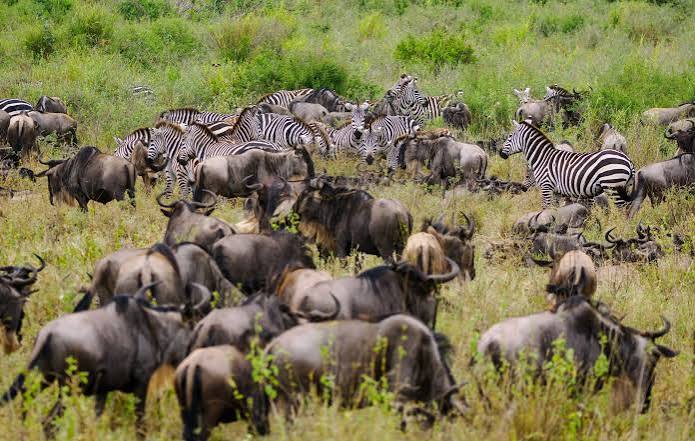
Drivers should also avoid chasing animals or blocking their movement. During migration periods, this becomes especially important because large herds can behave unpredictably. A vehicle should never intentionally position itself in a way that traps animals against another vehicle, steep ground, water, or dense vegetation.
Never leave litter behind. Waste can harm wildlife and encourage animals to associate vehicles or camps with food.
Responsible behavior creates safer wildlife viewing because animals receive fewer reasons to feel threatened. At the same time, visitors enjoy a more authentic experience.
The strongest safari memory often comes from watching a wild animal behave naturally rather than forcing a close encounter. Respect creates better tourism.
How Can You Choose a Safe Masai Mara Safari Operator?
Choosing the right safari operator may be the single most important decision you make before visiting the Masai Mara. A professional company should treat safety as a core operating standard rather than an optional feature added to a marketing package.
Start by checking whether the company operates legally and whether it maintains appropriate industry credentials. Current U.S. travel guidance recommends researching safari operators, checking certification or licensing information from Kenya’s tourism regulator, and reviewing the qualifications and safety record of guides and lodges.
Ask practical questions before booking. Find out what type of vehicle you will use, who will drive it, whether the vehicle has seat belts, what emergency communication is available, how the operator handles mechanical problems, and what happens if heavy rain changes the planned route.
Look beyond price. An extremely low safari cost can sometimes reflect compromises in vehicle quality, accommodation, guiding, maintenance, or itinerary planning. A trustworthy operator should explain what the price includes instead of relying on vague promises.
Professionalism should also appear in communication. Booking documents should clearly identify accommodation, transport arrangements, included activities, exclusions, payment terms, and emergency contacts. The company should respond clearly to safety questions without dismissing reasonable concerns.
A safe safari operator also understands that park rules are not negotiable. The Masai Mara management plan establishes specific requirements covering vehicle speeds, access points, wildlife distances, road use, viewing behavior, and departure times.
Choosing a company with strong operational standards gives travelers confidence before they even arrive.
What Should You Pack for a Safe Masai Mara Safari?
Packing correctly can make your Masai Mara safari safer, easier, and more comfortable. Start with practical clothing rather than focusing only on appearance. Lightweight layers work well because temperatures can change between early morning game drives, midday heat, and cool evenings.
A wide brimmed hat, sunglasses, sunscreen, insect protection, comfortable shoes, and a reusable water bottle can support daily comfort. A light waterproof jacket becomes useful during rainy periods, while warm layers help during cold early morning drives.
Protect your electronics because dust, mud, rain, and rough roads can create challenging conditions. Keep phones, cameras, memory cards, and batteries in protective bags. Bring backup batteries or a suitable charging solution because remote camps may have different power arrangements from city hotels.
Important documents also deserve protection. Keep your passport, travel insurance details, emergency contacts, accommodation confirmations, and transport information accessible. Store copies separately from your original documents.
Personal medication should remain easy to reach during travel. A small personal first-aid kit can also help with minor everyday problems, although it should not replace professional medical care when serious symptoms or injuries occur.
Travelers should avoid overpacking. Excess luggage can create transportation complications, particularly on small aircraft used for safari transfers. Ask your operator about baggage limits before departure.
The best safari packing list balances comfort, weather protection, personal health needs, photography requirements, and practical travel security. Preparation reduces avoidable problems and lets you focus on wildlife rather than searching for something you forgot.
Masai Mara Safari Safety Rules Every Visitor Should Remember
A few simple habits can dramatically improve the safety of a Masai Mara safari. Stay inside the safari vehicle unless your guide gives you permission to leave. Always use your seat belt whenever the vehicle moves. Never approach, feed, touch, or call wild animals. Keep a safe distance even when an animal appears calm.
Follow your driver’s instructions without treating them as optional. Your guide constantly assesses animal behavior, terrain, traffic, weather, and the location of other vehicles. That professional judgment helps manage situations that visitors may not recognize.
Respect the reserve’s speed restrictions and designated access routes. The management plan lists approved entry and exit gates and requires visitors to observe specific road-use rules. It also sets evening movement requirements and restricts entry after certain hours.
Stay quiet around wildlife. Keep your voice low, avoid loud music, and disable unnecessary camera sounds. Never pressure a driver to violate park regulations for a closer photograph.
At camp, follow instructions about walking after dark and never wander toward rivers, bushes, or wildlife sounds alone. Keep food and waste properly managed.
During transfers, travel with trusted providers, remain alert in unfamiliar locations, and use secure accommodation. Check current government travel guidance before departure because national security conditions can change.
Most importantly, remember that safety works as a partnership. Professional guides, reserve management, accommodation staff, drivers, and visitors all contribute to a safe safari. When every person follows the same standards, the entire experience becomes more responsible and enjoyable.
Final Thoughts: How Safe Is Masai Mara Safari?
So, how safe is Masai Mara safari? A well-organized Masai Mara safari can be a safe and deeply rewarding experience when travelers choose professional services, respect wildlife, follow reserve regulations, and prepare for the practical realities of traveling through a remote wilderness environment. The key is not to expect zero risk. Instead, travelers should choose systems that identify risks early and manage them professionally.
Wildlife remains wild, roads can become difficult, weather can change quickly, and wider security conditions in Kenya require travelers to stay informed. Current official guidance emphasizes increased caution in Kenya and highlights the importance of reputable safari operators, appropriate insurance, safe transportation, and compliance with local and park rules.
The Masai Mara management framework also provides detailed rules covering driving speeds, wildlife distances, vehicle numbers at sightings, entry and exit points, road use, and visitor conduct. These measures help protect both wildlife and travelers.
For international visitors, the strongest approach combines preparation with local expertise. Choose a trusted tour operator, use an experienced guide, select suitable accommodation, maintain sensible personal security, and always respect the wilderness.
Giant Holiday Safaris can help travelers approach a Masai Mara adventure with that same balance of excitement, professional planning, local knowledge, responsible wildlife viewing, and attention to guest safety. The result should be more than a game drive. It should be a carefully managed African safari that allows every traveler to experience the Masai Mara with confidence, respect, and unforgettable memories.