Are Kenya safaris good in June?
August 15, 2026
What are the most luxurious safari lodges in Kenya?
August 15, 2026
Are Kenya Safaris Good in December?
Yes, Kenya safaris are good in December, especially for travelers who want a mix of wildlife, warm weather, festive energy, and memorable landscapes. December falls within a fascinating period in Kenya’s safari calendar because conditions can change quickly between regions. Some areas experience short rains, while others enjoy longer dry spells and excellent wildlife viewing. As a result, December rewards travelers who plan their safari around specific parks, wildlife goals, and travel dates rather than assuming that every part of Kenya has the same weather.
Kenya also offers something special during the end of year travel season. The country’s famous national parks and conservancies remain active with wildlife, while green landscapes create beautiful scenery for photography. You can combine a traditional game drive with cultural experiences, nature walks, bird watching, or a relaxing coastal holiday. This flexibility makes December useful for both first time safari travelers and returning visitors who want a different side of Kenya.
Another advantage comes from the variety of destinations available. The Maasai Mara provides strong opportunities for big cat encounters and year round resident wildlife. Amboseli offers dramatic views of Mount Kilimanjaro when skies are clear. Tsavo provides vast wilderness, while Samburu introduces travelers to a distinct northern ecosystem and unique wildlife species.
However, December requires thoughtful planning. Rain can affect road conditions in some areas, and holiday demand can increase around Christmas and New Year. Therefore, choosing the right safari destination, accommodation, vehicle, and travel dates matters greatly. With good planning, December can deliver a rewarding Kenya safari filled with wildlife, scenery, culture, and adventure.
Combined Uganda, Kenya, Rwanda and Tanzania Safaris
17 days Kenya Tanzania and Uganda safari
19 Days Uganda Kenya and Tanzania Safari
16 Days Kenya Tanzania and Uganda Safari
14 Days Kenya Uganda and Tanzania Safari
14 Days Kenya Uganda and Rwanda Safari
12 Day Gorilla Trekking and Tanzania Safari
Kenya Safari Weather in December
December marks the beginning of Kenya’s summer period, although weather varies considerably across the country. Many safari areas experience the short rains, particularly during the earlier part of the month. These rains do not necessarily mean that your safari will have constant rainfall. Instead, showers often arrive in bursts, followed by sunshine and clearer periods. This pattern can create fresh green scenery and excellent photographic conditions.
Temperatures generally remain warm, particularly during the daytime. Early mornings can feel cool in higher altitude areas such as the Maasai Mara, so travelers should pack a light jacket or fleece for morning game drives. By midday, temperatures usually become much warmer, making lightweight clothing more comfortable. Evening temperatures can again become pleasant and cool depending on altitude and location.
Rain also affects safari landscapes in positive ways. Vegetation becomes greener, flowers appear, and many landscapes develop a fresh appearance. Photographers often appreciate this period because green backgrounds can produce striking wildlife images. Furthermore, storm clouds and changing light can create dramatic scenes across the savannah.
However, travelers should understand that weather forecasts cannot guarantee exact safari conditions. Rainfall can differ from one park to another, and even neighboring areas can experience different conditions on the same day. Therefore, December safari planning should focus on flexibility rather than expecting perfectly dry weather every day.
For travelers who do not mind occasional showers, December offers a strong balance between warm temperatures, beautiful scenery, wildlife activity, and festive travel opportunities.
Wildlife Viewing in Kenya During December
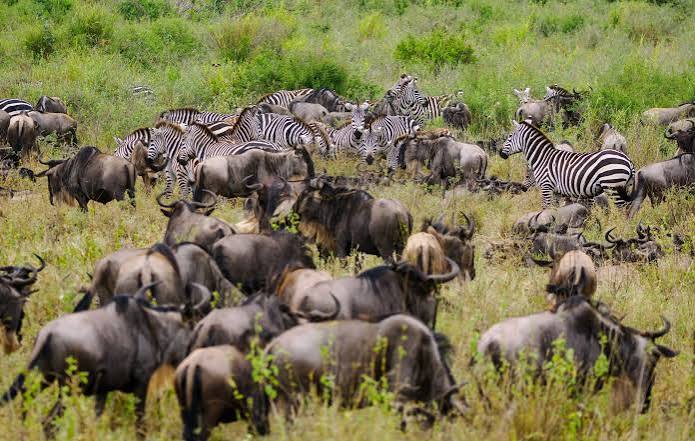
Wildlife viewing remains one of the biggest reasons to visit Kenya in December. Although the famous Great Migration usually moves away from the Maasai Mara toward Tanzania after the main crossing season, the Mara still supports large populations of resident animals. Lions, leopards, cheetahs, elephants, buffaloes, giraffes, zebras, hippos, and many antelope species can remain active throughout the year.
December can also bring renewed energy to the ecosystem. Rain stimulates grass growth and provides fresh water across many areas. Herbivores take advantage of new vegetation, while predators continue following available prey. This creates natural interactions that make game drives exciting even without the dramatic river crossings associated with peak migration months.
Birdlife becomes particularly interesting during this period. Migratory birds begin appearing in Kenya, adding greater variety to an already impressive bird population. Travelers who enjoy bird photography can therefore find December especially rewarding. Bright plumage, green vegetation, open skies, and active wildlife create excellent opportunities for nature photography.
However, wildlife behavior remains unpredictable. No responsible safari operator can guarantee a particular animal sighting. Experienced guides instead use their knowledge of animal behavior, tracks, vegetation, weather, and recent sightings to improve the chances of finding wildlife while respecting park rules.
December therefore works well for travelers who value the overall safari experience rather than focusing only on one iconic event. A successful safari involves more than seeing the Big Five. It includes understanding ecosystems, observing animal behavior, appreciating smaller creatures, discovering birds, and enjoying the changing landscapes of Kenya.
Which Kenya Safari Destinations Are Best in December?
Choosing the right destination can make a major difference to a December safari. Kenya has several wildlife areas, and each offers a different experience. The Maasai Mara remains one of the strongest choices because resident wildlife stays in the ecosystem throughout the year. The Mara also offers excellent opportunities for seeing lions, cheetahs, elephants, giraffes, buffaloes, and many other species.
Amboseli National Park provides another excellent option. The park is famous for its large elephant population and spectacular views toward Mount Kilimanjaro. December’s changing weather can create moments when the mountain appears dramatically above the plains. Travelers should remember, however, that cloud cover can hide the summit at times. The landscape remains beautiful even when Kilimanjaro disappears.
Tsavo East and Tsavo West offer a very different safari atmosphere. These enormous wilderness areas provide a sense of space and adventure. Tsavo East is known for expansive landscapes and large elephant herds, while Tsavo West combines wildlife with volcanic scenery, hills, springs, and rugged terrain. Their size makes them attractive to travelers who want a less concentrated safari experience.
Samburu National Reserve also deserves consideration. Its northern setting supports wildlife adapted to a drier environment, including species that visitors may not commonly encounter in southern Kenya. The region also provides cultural opportunities and distinctive landscapes.
Rather than selecting a park simply because it appears on a popular safari list, travelers should match the destination to their interests. Wildlife priorities, photography, accommodation style, travel time, budget, and interest in culture should all influence the final itinerary.
Is December a Good Time to See the Big Five?
December can provide excellent opportunities to see the Big Five in Kenya, although sightings depend on natural conditions and the behavior of individual animals. The Big Five include lion, leopard, elephant, buffalo, and rhinoceros. Kenya’s major wildlife areas support populations of these iconic species, but their distribution differs from one destination to another.
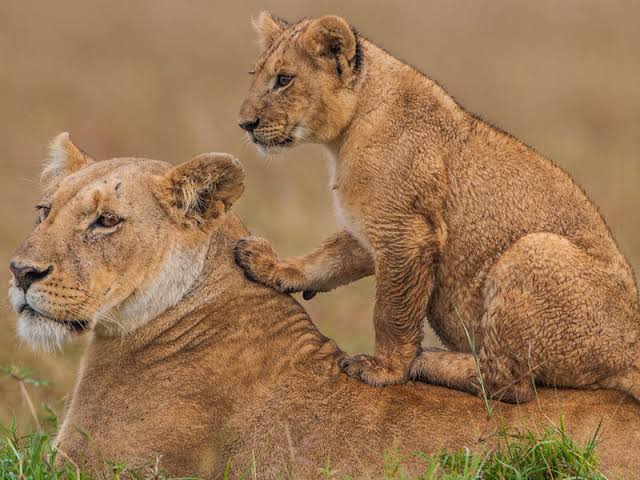
Lions often prove easier to locate because they spend significant periods in open areas and sometimes rest near roads. Elephants and buffaloes also occur in many safari ecosystems, making encounters possible across several destinations. Leopards require more patience because they often remain concealed in vegetation, trees, or rocky areas. Their secretive behavior makes a leopard sighting particularly rewarding.
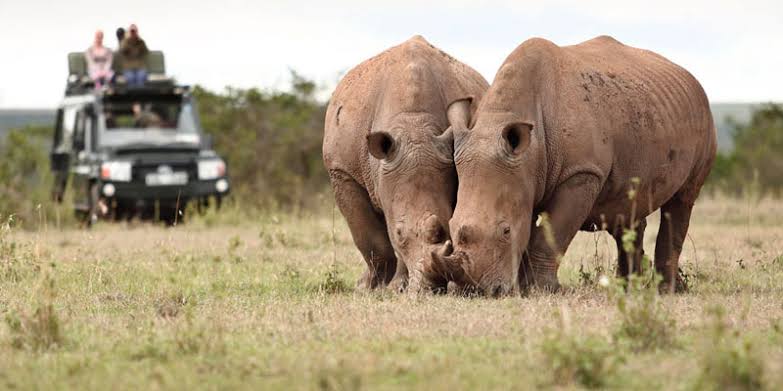
Rhinoceros sightings depend heavily on the destination. Areas such as Ol Pejeta Conservancy provide important opportunities for travelers interested in rhino conservation and close observation of these powerful animals. Conservation-focused destinations can add an educational dimension to the safari because visitors gain a better understanding of habitat protection, wildlife security, and species recovery.
The key to a strong Big Five experience lies in allowing enough time. A rushed itinerary that moves between several parks every day can reduce the quality of wildlife viewing. Staying for multiple nights gives guides more opportunities to explore different areas and respond to changing wildlife movements.
December therefore remains a suitable month for Big Five enthusiasts. The experience becomes even stronger when travelers approach wildlife with realistic expectations and value conservation, patience, and responsible observation alongside photographs.
What Are the Advantages of Going on a Kenya Safari in December?
One major advantage of a December safari is the combination of wildlife and scenery. Rain can transform dry landscapes into vibrant green environments, creating a beautiful contrast with wildlife. Photographers can benefit from softer light during cloudy periods and dramatic skies before or after rainfall. Furthermore, fresh vegetation gives the landscape a renewed appearance.
December also works well for travelers who want to combine a safari with other Kenyan experiences. After several days in the bush, you can travel toward the coast for relaxation along the Indian Ocean. Destinations such as Diani, Watamu, and the coastal areas around Mombasa offer opportunities for beach time, marine activities, cultural exploration, and rest.
Another advantage involves the festive atmosphere. Christmas and New Year create a lively travel period across Kenya. Families, couples, and groups can enjoy special experiences at safari lodges and camps, although travelers should book early because popular properties can become busy.
December can also appeal to travelers who prefer greener scenery rather than the dry appearance associated with peak safari periods. Wildlife photography against fresh vegetation can produce a completely different visual experience from a dry-season safari.
Moreover, December allows travelers to experience Kenya beyond the Great Migration. While migration season attracts enormous international attention, Kenya’s wildlife ecosystems operate throughout the year. Visiting in December encourages travelers to appreciate resident wildlife, birdlife, conservation areas, cultural experiences, and diverse landscapes.
For these reasons, December can offer a rich and varied safari rather than simply serving as an alternative month when other seasons are unavailable.
What Are the Disadvantages of a Kenya Safari in December?
Although December offers many benefits, travelers should also understand its challenges. The biggest consideration involves rainfall. Some destinations can experience short rains during December, and heavy showers may occasionally affect roads. Unpaved safari tracks can become muddy, which may make certain routes slower or temporarily difficult to access.
Another consideration involves the Christmas and New Year travel season. Demand can increase around these dates, especially for popular lodges, camps, flights, and family friendly accommodation. Travelers who wait until the last minute may face fewer choices or higher rates. Booking early provides more control over accommodation location, room type, vehicle arrangements, and itinerary design.
Wildlife can also become more dispersed in some areas after rainfall. When water becomes available across the ecosystem, animals do not always need to remain near permanent rivers and waterholes. Guides may therefore need to cover larger areas when searching for certain species.
Road transfers can also become tiring if an itinerary includes too many destinations. December conditions make it even more important to design a realistic route. Spending two or three nights in a destination often provides a better experience than moving every day.
Finally, travelers who want guaranteed dry weather may prefer a different season. December is not the ideal choice for someone who expects every morning and afternoon to remain completely dry.
These disadvantages do not make December a poor safari month. Instead, they highlight the importance of choosing an experienced operator, suitable destinations, and a well planned itinerary.
What Should You Pack for a Kenya Safari in December?
Packing correctly can make a December safari much more comfortable. Because temperatures can change between morning, afternoon, and evening, travelers should prepare for both warm and cool conditions. Lightweight, breathable clothing works well during the day, while a fleece, sweater, or light jacket can provide warmth during early morning game drives.
Rain protection also deserves attention. A lightweight waterproof jacket can protect you during sudden showers without taking up much space. Quick-drying clothing can also prove useful when traveling between camps or participating in outdoor activities.
Comfortable walking shoes or sturdy closed shoes are valuable, particularly when your itinerary includes nature walks or activities outside the vehicle. Sandals can work well at camps and lodges during warm periods.
Sun protection remains important even during a rainy month. Pack sunscreen, sunglasses, a wide-brimmed hat, and lip protection. Kenya’s equatorial sun can feel strong when clouds clear.
A good pair of binoculars can significantly improve wildlife viewing. They allow you to observe animals from a respectful distance and can help identify birds and distant wildlife. Photographers should carry spare batteries, memory cards, and suitable camera protection against dust and rain.
You should also keep personal documents, medication, valuables, and electronic equipment organized in waterproof bags or pouches. A small daypack can hold essentials during game drives.
The goal is not to pack everything. Instead, focus on practical, lightweight items that support comfort, weather protection, wildlife viewing, and photography.
How to Plan a Kenya Safari for December
Planning a December Kenya safari starts with defining what you want to experience. Wildlife enthusiasts may prioritize the Maasai Mara, Amboseli, Tsavo, or conservation-focused areas. Photographers may prefer destinations offering varied landscapes, strong wildlife populations, and longer stays. Families may place greater emphasis on comfortable accommodation, short travel times, and activities suitable for different age groups.
Next, consider the timing within December. The period around Christmas and New Year can become especially busy, so early planning becomes important. Travelers who have flexible dates may find greater accommodation choice outside the busiest festive period.
The number of nights also matters. A safari of several nights usually provides a more relaxed experience than attempting to visit many parks within a short period. Travel distances in Kenya can be significant, and spending too much time on transfers reduces time available for game drives.
Accommodation should match your travel style and budget. Luxury lodges provide greater comfort and additional services, while tented camps can offer a more immersive connection with the wilderness. Both can deliver excellent experiences when properly managed.
Transport also requires attention. Road safaris provide flexibility and access to areas away from major airports. Domestic flights can save time when connecting distant destinations. A well-designed itinerary can combine both options.
Finally, prioritize responsible tourism. Choose operators and accommodation that respect wildlife regulations, support local communities, reduce environmental impact, and employ knowledgeable local professionals. Responsible planning protects the destinations that make Kenya special while creating a more meaningful experience for visitors.
Kenya Safari Costs in December
The cost of a Kenya safari in December depends on several factors, including accommodation category, number of travelers, safari duration, transport, destinations, activities, and travel dates. Christmas and New Year can influence pricing because demand rises around this period. Therefore, travelers should compare complete safari packages rather than judging an itinerary only by its advertised daily rate.
Budget safaris can provide access to Kenya’s wildlife while keeping accommodation and transport costs lower. Mid-range options offer a balance between comfort, location, and price. Luxury safaris provide premium lodges or camps, private vehicles, personalized services, and additional experiences.
Transport can also affect the final price. A road safari may cost less than an itinerary that uses several domestic flights, although flights can save valuable travel time. Private vehicles usually provide greater flexibility, while shared vehicles can reduce costs for travelers who do not require exclusive use.
Park and conservancy fees should also form part of your budget. Other potential expenses include tips, drinks, cultural activities, optional excursions, travel insurance, international flights, and personal purchases.
A good safari budget should therefore focus on value rather than simply selecting the cheapest option. An experienced operator can help structure an itinerary that balances accommodation quality, wildlife opportunities, travel time, and overall cost.
For international travelers, early booking can also help secure preferred camps and reduce the risk of limited availability during the festive season. December remains accessible to different types of travelers when the itinerary matches the budget and priorities from the beginning.
Is December Better for Kenya Safari Than Other Months?
December is not automatically better than every other month because each safari season offers different advantages. The best time depends on the experience a traveler wants. July through October often attracts travelers interested in the Great Migration and dry season wildlife viewing. These months can provide excellent game viewing but also bring higher demand in many popular areas.
January and February often provide warm conditions and can offer strong wildlife viewing, while March through May brings longer rains in many regions. The long-rain period can produce lush scenery but may create more challenging road conditions in some destinations.
June often provides a useful transition toward the drier season. Meanwhile, November and December can bring renewed rainfall and greener landscapes.
December therefore stands out for travelers who want a combination of wildlife, green scenery, birdlife, festive travel, and the possibility of combining safari with a coastal holiday. It may not suit someone whose only goal involves witnessing the Great Migration crossing the Mara River.
The most important lesson is that there is no single perfect safari month for everyone. Kenya remains a year-round destination because different ecosystems respond differently to seasonal changes. A knowledgeable itinerary planner looks at rainfall patterns, wildlife behavior, conservation areas, travel routes, accommodation availability, and the traveler’s goals before recommending dates.
December can be an excellent choice when those factors align. Instead of asking whether December is universally the best month, ask whether December provides the conditions and experiences that match your personal safari priorities.
Final Thoughts: Is a Kenya Safari Worth It in December?
A Kenya safari in December is absolutely worth considering. The month combines warm weather, active wildlife, fresh green landscapes, birdlife, cultural opportunities, and the energy of the festive season. Although occasional rain can affect some roads and wildlife may spread across larger areas after rainfall, these factors do not prevent a rewarding safari. With careful planning, December can provide exceptional experiences for couples, families, photographers, solo travelers, and groups.
The strongest approach involves choosing destinations based on your interests rather than following a generic itinerary. The Maasai Mara works well for year round wildlife and big cat encounters, Amboseli offers extraordinary elephant experiences and views toward Kilimanjaro, Tsavo delivers vast wilderness, while northern destinations such as Samburu provide different landscapes and wildlife. Combining a safari with Kenya’s coast can also turn a wildlife holiday into a complete East African adventure.
For international travelers, preparation makes the difference. Book important services early, pack for changing weather, allow enough nights in each destination, and work with professionals who understand Kenya’s wildlife, roads, seasons, conservation rules, and local communities.
When you choose an experienced safari partner, your journey becomes more than a series of game drives. It becomes an opportunity to understand Kenya, support responsible tourism, discover extraordinary wildlife, and create memories that remain meaningful long after you return home. Giant Holiday Safaris provides the trusted local expertise and thoughtful planning needed to turn a December Kenya safari into a well-organized, authentic, and unforgettable African adventure.