What is the best safari park in Kenya for first-timers?
August 15, 2026
Are Kenya safaris good in December?
August 15, 2026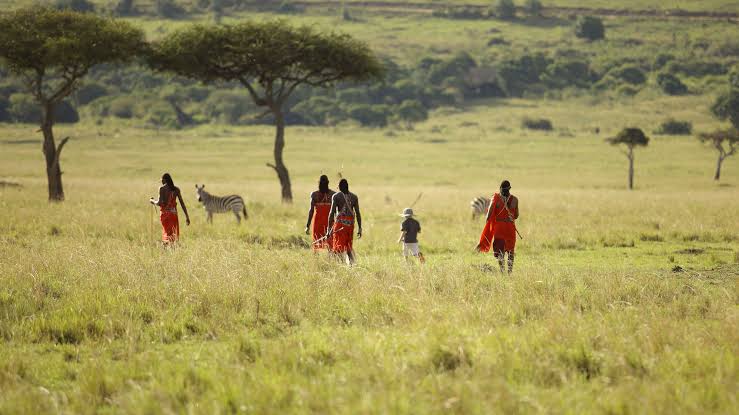
Are Kenya Safaris Good in June?
Yes, Kenya safaris are very good in June, especially for travelers who want comfortable weather, excellent wildlife viewing, beautiful landscapes, and fewer crowds than the peak months of July and August. June marks an important change in Kenya’s safari calendar. The heavy rains of the long rain season usually begin to ease, the countryside remains green in many areas, and wildlife becomes easier to spot as vegetation starts to thin in some safari regions. At the same time, daytime temperatures often remain pleasant for game drives, while mornings and evenings can feel cool.
More importantly, June gives travelers an opportunity to experience Kenya before the busiest part of the peak safari season arrives. This balance makes the month attractive to first-time visitors, families, couples, photographers, and experienced safari travelers.
Kenya also offers remarkable variety beyond the famous Masai Mara. You can explore Amboseli beneath the dramatic view of Mount Kilimanjaro, search for elephants in Tsavo, discover the wildlife-rich landscapes of Samburu, or combine a safari with time on the Kenyan coast. Therefore, choosing June does not limit your experience. Instead, it can create an excellent combination of wildlife, scenery, culture, and comfortable travel conditions.
For travelers planning an African safari, understanding what June offers helps you make better decisions about destinations, accommodation, activities, clothing, and travel timing.
Combined Uganda, Kenya, Rwanda and Tanzania Safaris
17 days Kenya Tanzania and Uganda safari
19 Days Uganda Kenya and Tanzania Safari
16 Days Kenya Tanzania and Uganda Safari
14 Days Kenya Uganda and Tanzania Safari
14 Days Kenya Uganda and Rwanda Safari
12 Day Gorilla Trekking and Tanzania Safari
What Is Kenya Like in June?
June sits between Kenya’s wetter and drier periods, making it a fascinating month for safari travel. The long rains usually occur during March, April, and May, although rainfall patterns can vary from one region to another and from year to year. By June, many areas begin moving toward drier conditions. As a result, roads can become easier to use, wildlife viewing can improve, and the landscape can still retain the fresh beauty created by the rains.
Temperatures also make June appealing. Kenya’s climate changes considerably with altitude and geography, so you should not expect the same weather everywhere. Nairobi and the central highlands can feel cool, particularly early in the morning and at night. Safari areas such as the Masai Mara can also have chilly mornings before the sun rises strongly during the day. Northern Kenya often feels warmer, while coastal destinations remain more tropical.
This variation makes preparation important. A traveler who packs only light summer clothing may feel uncomfortable during an early morning game drive. Instead, layered clothing works best because you can remove a jacket as the day becomes warmer.
June also brings attractive scenery. The green season has often left grasslands looking fresh, while the improving weather creates excellent conditions for photography. Consequently, June can provide both strong wildlife experiences and beautiful landscape views.
Is Wildlife Viewing Good in Kenya in June?
Wildlife viewing in June can be excellent. One of the main advantages comes from the changing vegetation and improving dry conditions. When water remains available across the landscape, animals do not always need to gather around a few permanent water sources. However, as the dry season develops, wildlife gradually becomes more predictable in certain areas.
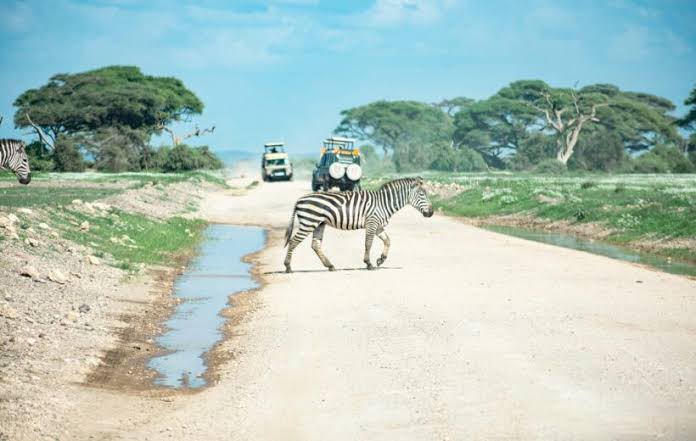
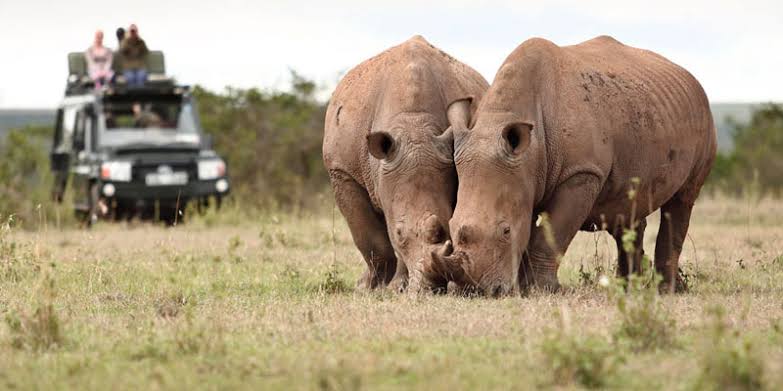
You can expect to encounter many of Africa’s most famous animals during a June safari. Lions, elephants, buffaloes, giraffes, zebras, hippos, antelopes, warthogs, leopards, and numerous bird species live in Kenya’s major wildlife areas. The exact animals you see depend on the destination, habitat, season, and daily conditions.
June can also be particularly rewarding for photographers. The landscape may still carry green tones from the rains, while clearer skies can provide attractive light. Early morning drives can produce soft golden light, and evening drives can create dramatic silhouettes across the savannah.
However, no responsible safari operator should promise specific wildlife sightings. Wild animals move freely, and every game drive remains different. That uncertainty forms part of the real safari experience. Skilled guides improve your chances by understanding animal behavior, habitats, tracks, feeding areas, and seasonal movements.
Therefore, June offers a strong balance between wildlife opportunities, pleasant conditions, and attractive scenery without requiring travelers to wait for the busiest months of the year.
Is June a Good Time to Visit the Masai Mara?
June is a very good time to visit the Masai Mara. The reserve and surrounding conservancies provide one of Kenya’s most famous safari environments, with open grasslands that support large numbers of herbivores and predators. During June, the landscape can remain relatively green after the rains while gradually becoming drier as the season progresses.
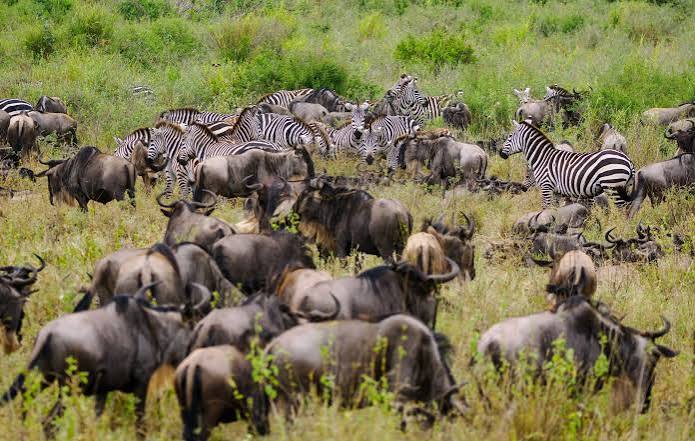
One important point deserves attention: the Great Migration does not normally reach its main Masai Mara crossing period in June. Many travelers associate the migration with Kenya’s peak safari season, but the famous river crossings generally occur later, often from around July onward, depending on rainfall and animal movements. Therefore, travelers should not book a June safari solely because they expect the dramatic Mara River crossings.
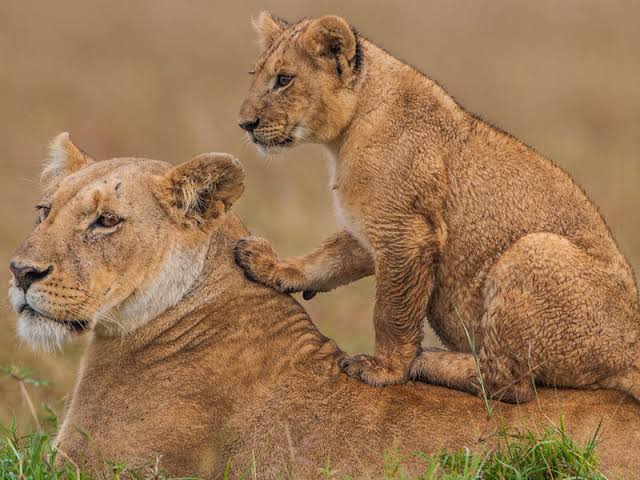
Nevertheless, June remains valuable for general wildlife viewing. Resident animals live in the Mara throughout the year, and predator sightings can be excellent. Lions, cheetahs, leopards, elephants, buffaloes, giraffes, zebras, and many other species inhabit the ecosystem.
June also allows travelers to experience the Masai Mara before the busiest migration period reaches its height. This can create a more relaxed safari atmosphere, particularly when you choose a conservancy or a well-planned camp away from heavily visited areas.
For travelers who value wildlife rather than focusing only on migration crossings, June can be an excellent choice.
Which Kenya Safari Destinations Are Best in June?
Kenya offers several strong safari destinations in June, and the best choice depends on the experience you want. The Masai Mara remains one of the leading options because of its resident wildlife, open savannah, strong predator populations, and beautiful landscapes. It works especially well for travelers visiting Kenya for the first time.
Amboseli National Park also deserves serious consideration. The park is famous for large elephant herds and dramatic views toward Mount Kilimanjaro. June can offer comfortable conditions for exploring the park, while clearer weather may create excellent opportunities for landscape photography.
Tsavo East and Tsavo West National Parks provide another excellent option. Together, they form one of Kenya’s largest protected wildlife landscapes. Their vast size gives travelers a sense of wilderness, and the parks support elephants, lions, giraffes, buffaloes, zebras, and many other species.
For travelers seeking a different atmosphere, Samburu National Reserve offers distinctive northern scenery and wildlife adapted to a drier environment. The region also provides opportunities to encounter species that are less common in southern Kenya.
You can also combine destinations. A well designed itinerary might include Nairobi, Amboseli, Tsavo, or the Masai Mara depending on your available time. This approach gives you more than one landscape and increases the variety of experiences within one Kenyan journey.
What Is the Weather Like During a Kenya Safari in June?
Kenya’s June weather is generally favorable for safari travel, but conditions differ between regions. In many parts of the country, June brings cooler temperatures and decreasing rainfall compared with the wetter months. However, occasional showers can still occur, particularly because weather patterns do not follow exact calendar dates.
Early mornings deserve special attention. Game drives often begin before sunrise because animals tend to be active during the cooler hours. In highland areas and open savannahs, temperatures can feel surprisingly cold at this time. A warm fleece, sweater, or light jacket can make a major difference.
As the sun rises, temperatures usually become more comfortable. This creates a pleasant rhythm for safari days: cool mornings, warmer daytime conditions, and cooler evenings. The lower humidity in many inland areas can also make outdoor activities more comfortable.
Rain should not automatically discourage you. A short shower can transform the landscape, create dramatic skies, and produce excellent photographic opportunities. However, travelers should still choose practical footwear and bring weather resistant bags for cameras and personal belongings.
The coast follows a different pattern. Places such as Mombasa, Diani, and Watamu have a tropical climate, so conditions remain warmer than many inland safari destinations.
Overall, June offers a comfortable safari climate for many travelers, provided they prepare for cool mornings and changing weather.
What Should You Pack for a Kenya Safari in June?
Packing correctly can significantly improve your safari experience. June requires a flexible wardrobe because temperatures can change throughout the day. Instead of carrying only heavy clothing or only summer outfits, pack layers that you can add or remove as conditions change.
Start with comfortable trousers, lightweight shirts, a warm fleece, and a light waterproof jacket. Neutral colors such as beige, brown, olive, and khaki work well for safari because they blend naturally with the environment and do not attract as much attention as very bright clothing. Comfortable walking shoes or sturdy closed shoes are also useful, particularly when your itinerary includes nature walks or activities outside the safari vehicle.
A wide brimmed hat or cap, sunglasses, sunscreen, and lip balm can protect you from strong sunlight during the day. Even when temperatures feel moderate, the African sun can remain intense.
You should also protect your electronics. Bring spare batteries, charging equipment, and a power bank. A camera with a suitable zoom lens can help you capture distant wildlife without disturbing animals.
If you plan to visit higher altitude areas such as Nairobi before or after your safari, keep a warmer layer available. Likewise, travelers heading to the coast should include lighter tropical clothing.
The best packing strategy for a June Kenya safari focuses on versatility rather than excess. Pack practical items that work across changing temperatures and different safari activities.
Are Kenya Safaris in June Good for Families and First-Time Travelers?
June can be an excellent month for families and first-time safari travelers. Comfortable daytime weather, improving road conditions, and strong wildlife opportunities create a favorable environment for exploring Kenya. However, families should choose an itinerary that matches the ages and interests of their children.
Long hours inside a safari vehicle can challenge younger children, so a carefully planned route matters. Shorter transfers, comfortable lodges, and regular breaks can make the journey more enjoyable. Some camps and lodges also provide family friendly activities, depending on their location and age policies.
First time visitors can benefit from June because the country offers a broad range of safari experiences without requiring them to travel during the busiest period. You can learn about wildlife, local ecosystems, conservation, and Kenyan culture while enjoying the changing landscape.
Safety and responsible travel should also guide your planning. Always follow your guide’s instructions around wildlife. Never leave the vehicle in restricted areas, approach wild animals on foot without professional supervision, or attempt to attract animals for photographs.
Families should also consider travel time between destinations. Kenya covers a large area, and road journeys can take longer than expected. A good itinerary balances sightseeing with rest.
Therefore, June can work extremely well for families and first time travelers when the safari itinerary focuses on comfort, reasonable travel times, experienced guiding, and age-appropriate activities.
Is June Good for Photography and Bird Watching in Kenya?
June can offer excellent opportunities for both wildlife photography and bird watching. Photographers often value the combination of changing weather, attractive landscapes, active wildlife, and relatively comfortable temperatures. The landscape may still show the effects of the rainy season, while improving visibility can create clearer views across open plains.
Early morning remains one of the best times for photography. Soft light can highlight animal textures, silhouettes, grasslands, and distant hills. Evening drives can also produce beautiful golden light before sunset. Because wildlife behaves differently throughout the day, carrying a camera throughout the safari gives you more opportunities to capture unexpected moments.
Bird watchers can also enjoy June. Kenya supports an impressive range of bird habitats, from wetlands and forests to savannahs and dry northern landscapes. Depending on your destination, you may encounter raptors, hornbills, storks, eagles, kingfishers, weavers, flamingos, and many other species.
A good pair of binoculars can transform the bird watching experience. Likewise, patience matters. Wildlife photography and bird watching reward travelers who observe rather than rush.
Most importantly, responsible photography protects the experience. Avoid loud noises, do not chase animals for better photographs, and respect the distance established by your guide and park regulations.
June therefore works well for travelers who want to combine classic safari photography with a deeper appreciation of Kenya’s birds and landscapes.
Is June Cheaper Than July and August for a Kenya Safari?
June can provide better value than the busiest peak season months, although safari prices vary significantly depending on the destination, accommodation level, itinerary, transport, and exact travel dates. Travelers should avoid assuming that every June safari automatically costs less than every July or August safari.
The biggest advantage often comes from the balance between demand and experience. July and August attract large numbers of international travelers, especially because of the Great Migration period in the Masai Mara. As demand rises, some camps and lodges may charge higher rates, and popular properties can sell out earlier.
June can give travelers more flexibility. You may find a wider choice of accommodation and greater availability when booking early. That flexibility can help you select a property that matches your budget instead of taking whatever remains available.
Value also depends on how you design your itinerary. A luxury private safari will naturally cost more than a budget or mid range group safari. Likewise, flying between destinations can save time but usually costs more than traveling by road.
Instead of choosing a safari solely by price, compare what the package includes. Check accommodation, meals, park fees, transport, guide services, game drives, airport transfers, and any additional activities.
A well planned June safari can therefore deliver strong value while maintaining a high-quality wildlife experience.
Should You Choose June for a Kenya Safari?
June deserves serious consideration if you want a Kenya safari that combines favorable weather, strong wildlife viewing, attractive scenery, and a more relaxed travel atmosphere. It provides an important middle ground between the wetter months and the busiest period of the peak safari season.
The month works particularly well for travelers who care more about seeing Kenya’s wildlife and landscapes than chasing a specific Great Migration river crossing. The Masai Mara offers resident wildlife throughout the year, while Amboseli, Tsavo, and Samburu provide completely different ecosystems and experiences.
June also supports flexible itinerary planning. You can create a classic safari, a family adventure, a photography focused journey, a cultural experience, or a combination of safari and beach holiday.
However, choosing the right destination and itinerary matters more than simply choosing the month. Kenya has different climates, landscapes, wildlife patterns, and accommodation styles. An experienced safari planner can help match your travel goals with the right parks, conservancies, camps, transport options, and activities.
Ultimately, June is not merely a backup month for travelers who cannot visit during July or August. It stands on its own as a rewarding period for exploring Kenya. With realistic expectations, good preparation, and responsible travel choices, June can deliver an unforgettable African safari.
Final Thoughts: Plan Your June Kenya Safari With Confidence
So, are Kenya safaris good in June? Absolutely. June offers a powerful combination of improving dry-season conditions, comfortable safari temperatures, excellent wildlife opportunities, beautiful scenery, and opportunities to explore Kenya before the busiest months reach their peak. It also gives travelers the freedom to experience Kenya beyond the Great Migration, with destinations such as the Masai Mara, Amboseli, Tsavo, and Samburu offering distinct landscapes and wildlife encounters.
The key to a successful June safari lies in planning. Choose destinations that match your interests, prepare for cool mornings, pack flexible clothing, allow enough time between parks, and work with knowledgeable professionals who understand Kenya’s wildlife areas and seasonal conditions. Most importantly, approach the safari with respect for wildlife, local communities, conservation areas, and the natural environment.
For travelers around the world looking for reliable African travel planning, Giant Holiday Safaris provides a trusted foundation for creating meaningful Kenya safari experiences. With careful itinerary planning, destination knowledge, professional guidance, and a focus on authentic African experiences, Giant Holiday Safaris can help turn a June visit into a memorable journey through Kenya’s extraordinary wilderness. Whether you are planning your first African safari, a family holiday, a photography adventure, or a private wildlife expedition, June provides an excellent opportunity to discover Kenya with confidence.