Kilimanjaro Climb Timing – How Timing Affects Cost, Crowds, and Success
April 22, 2026
Uganda gorilla trekking weather conditions
April 22, 2026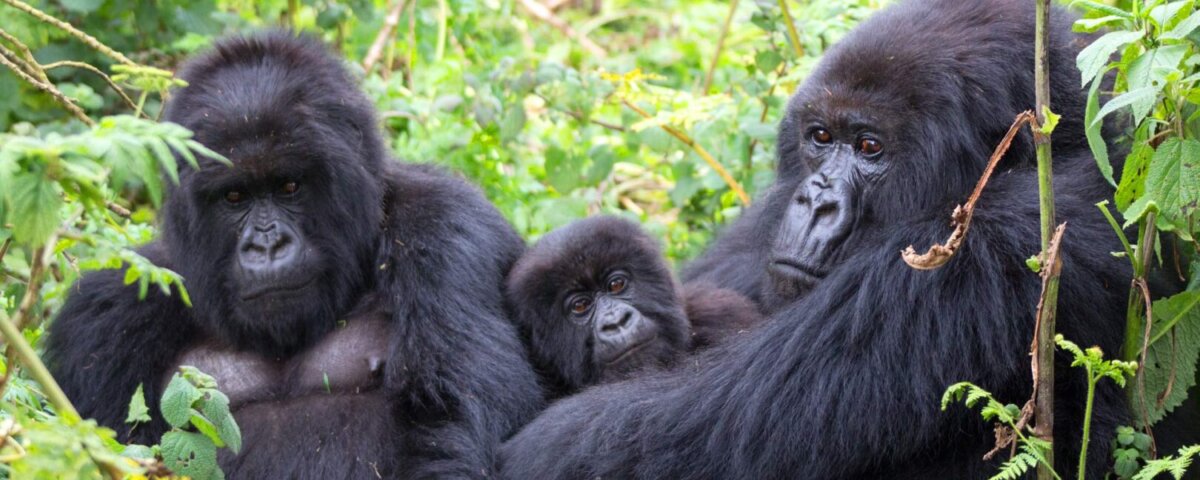
Best Time for Uganda Gorilla Trekking
Best time for Uganda gorilla trekking: Uganda offers one of the most powerful wildlife experiences on earth gorilla trekking. Every year, travelers cross continents to step into the dense rainforests of Bwindi Impenetrable National Park and Mgahinga Gorilla National Park in search of mountain gorillas. However, timing shapes the entire experience. The right season can improve trail conditions, increase visibility, and enhance overall comfort.
Uganda sits along the equator, which means it welcomes visitors throughout the year. Still, the country experiences two main seasons—dry and wet. Each season brings different advantages, and smart travelers plan based on their priorities. Some visitors want easier hikes, while others seek fewer crowds or lower prices. Therefore, understanding the best time for Uganda gorilla trekking helps you design a journey that matches your expectations.
Dry Season Gorilla Trekking in Uganda (June to September & December to February)
The dry season stands out as the most popular time for gorilla trekking in Uganda. During this period, rainfall reduces, and the forest trails become more manageable. As a result, many travelers choose these months for comfort and ease.
First, the trekking conditions improve significantly. The paths remain less slippery, which allows you to hike with more stability. This matters because gorilla trekking often involves walking through steep and dense terrain. When the ground stays dry, you move faster and conserve energy.
Additionally, visibility improves in the forest. The vegetation becomes less dense, which increases your chances of spotting gorillas quickly. Rangers also track gorilla families more efficiently during this time. Consequently, many treks take fewer hours compared to the wet season.
Moreover, the dry season aligns well with global travel calendars. Many tourists visit Uganda between June and September or during the December holidays. This high demand creates a vibrant atmosphere in the parks. However, it also means that gorilla permits sell out fast.
Despite these advantages, you need to plan early. Secure your permits and accommodations months in advance. Prices may rise due to demand, but the comfort and convenience often justify the cost. For travelers who value smooth trekking conditions and clear forest views, the dry season delivers an excellent experience.
Wet Season Gorilla Trekking in Uganda (March to May & October to November)
The wet season offers a different but equally rewarding gorilla trekking experience. Although many travelers hesitate due to rain, this season provides unique advantages that smart adventurers appreciate.
First, the forests transform into lush, green landscapes. The rain nourishes the vegetation, creating a rich and vibrant environment. This scenery enhances the beauty of your trek and offers stunning photography opportunities.
Additionally, gorillas tend to stay closer to their usual habitats during the wet season. Food becomes abundant in lower areas, so the gorillas move less. As a result, some treks become shorter, which benefits travelers who prefer less strenuous hikes.
Furthermore, the wet season brings fewer crowds. You enjoy a more private and peaceful trekking experience. This exclusivity allows you to connect deeply with nature without distractions. It also increases your chances of securing permits without long waiting times.
On the other hand, you must prepare for muddy and slippery trails. Rain can make hiking more challenging, so proper gear becomes essential. Waterproof boots, rain jackets, and gloves improve comfort and safety.
In addition, accommodation prices often drop during this period. Budget-conscious travelers take advantage of these discounts while still enjoying a world-class safari.
Overall, the wet season suits travelers who seek value, solitude, and a richer natural environment. With proper preparation, it offers a deeply rewarding gorilla trekking adventure.
Month-by-Month Breakdown of Gorilla Trekking in Uganda
Understanding each month helps you plan with precision. Uganda’s climate does not follow extreme changes, but subtle differences can affect your experience.
January and February fall within the dry season. These months offer excellent trekking conditions, clear skies, and great wildlife viewing opportunities. Many travelers choose this period for a balanced safari experience.
March to May marks the long rainy season. Heavy rains occur, especially in April. Trails become challenging, but the forests appear at their most beautiful. Travelers who prefer fewer crowds often visit during this time.
June to September represents the peak trekking season. Conditions remain dry, and demand increases sharply. This period offers the best overall experience for most visitors, especially first-time trekkers.
October and November bring the short rains. Although rainfall returns, it remains lighter than the long rainy season. Trekking still continues, and visitor numbers remain low.
December closes the year with another dry period. Many tourists travel during the festive season, which creates a lively atmosphere in Uganda’s parks.
Each month offers a unique experience. Therefore, you should match your travel goals with the season that best fits your expectations.
Best Time for Budget Travelers
Budget travelers can enjoy Uganda gorilla trekking without overspending. Timing plays a key role in reducing costs while maintaining a high-quality experience.
The wet season provides the best opportunity for savings. During March to May and October to November, many lodges lower their rates. Tour operators also offer discounts to attract travelers during these quieter months.
In addition, gorilla permits sometimes become easier to secure. While the official permit price remains fixed, availability increases. This flexibility allows you to plan your trip without pressure.
Moreover, fewer tourists visit during the wet season. This reduces competition for accommodations and transport services. As a result, you can negotiate better deals and enjoy more personalized services.
However, you must prepare for challenging weather conditions. Invest in quality rain gear and hiking boots. This preparation ensures comfort and safety during your trek.
Ultimately, budget travelers can experience Uganda’s gorillas without compromising quality. By choosing the right season, you reduce costs while still enjoying a remarkable adventure.
Best Time for Luxury Gorilla Trekking Safaris
Luxury travelers often seek comfort, exclusivity, and seamless experiences. For this reason, the dry season offers the best conditions for high-end gorilla trekking safaris.
During June to September and December to February, premium lodges operate at their best. Access roads remain in good condition, which ensures smooth transfers. Helicopter and charter flights also operate more reliably during dry weather.
Additionally, luxury lodges provide clear views of the surrounding landscapes. Guests enjoy outdoor lounges, private decks, and uninterrupted scenery. These details enhance the overall safari experience.
Furthermore, the dry season allows for better planning of combined safaris. Many luxury travelers combine gorilla trekking with wildlife viewing in Queen Elizabeth National Park or Murchison Falls National Park. Dry conditions improve game drives and increase wildlife sightings.
Despite higher prices, luxury travelers benefit from convenience, comfort, and efficiency. Early booking ensures access to top lodges and preferred trekking dates.
In conclusion, the dry season aligns perfectly with luxury travel expectations. It offers smooth logistics, exceptional comfort, and unforgettable wildlife encounters.
Factors That Influence the Best Time for Gorilla Trekking
Several factors shape the best time for Uganda gorilla trekking. Understanding these elements helps you make informed decisions.
Weather stands as the most important factor. Dry conditions improve trekking comfort, while wet conditions enhance scenery. Each traveler must decide which matters more.
Crowds also influence the experience. Peak seasons bring more visitors, which can affect lodge availability and permit access. On the other hand, low seasons offer privacy and flexibility.
Physical fitness plays a role as well. If you prefer easier hikes, choose the dry season. However, if you enjoy adventure and do not mind mud, the wet season can still work.
Budget considerations also matter. High seasons come with higher costs, while low seasons provide savings. Balancing cost and comfort helps you plan effectively.
Finally, personal preferences determine the best timing. Some travelers prioritize photography, while others focus on comfort or exclusivity. By aligning your goals with these factors, you create a tailored experience.
What to Pack Based on the Season
Packing correctly improves your gorilla trekking experience. Each season requires specific gear to ensure comfort and safety.
During the dry season, pack lightweight clothing and sturdy hiking boots. Although the weather stays dry, mornings can feel cool. Therefore, include a light jacket for early treks.
Additionally, carry sunscreen, sunglasses, and a hat. The sun can become strong, especially during midday hours. Staying protected helps you maintain energy throughout the trek.
In the wet season, focus on waterproof gear. A quality rain jacket and waterproof pants keep you dry during sudden showers. Strong hiking boots with good grip prevent slipping on muddy trails.
Furthermore, pack gloves to protect your hands from thorny vegetation. Long-sleeved shirts and trousers also shield your skin during the trek.
In both seasons, carry essentials such as water, snacks, insect repellent, and a camera. Proper preparation ensures a smooth and enjoyable trekking experience regardless of the weather.
Final Thoughts on the Best Time for Uganda Gorilla Trekking
Uganda offers year-round opportunities for gorilla trekking. However, the best time depends on your travel goals, budget, and comfort level.
The dry season provides the easiest trekking conditions and attracts most visitors. It suits travelers who prioritize convenience and clear forest views. On the other hand, the wet season offers lush landscapes, fewer crowds, and better value. It appeals to adventurous travelers who seek a more intimate experience.
Both seasons deliver unforgettable encounters with mountain gorillas. The key lies in planning ahead and choosing the timing that matches your expectations.
By understanding seasonal patterns and preparing properly, you position yourself for a successful safari. Uganda’s forests await with one of the most extraordinary wildlife experiences on earth.
Combined Uganda, Kenya, Rwanda and Tanzania Safaris
17 days Kenya Tanzania and Uganda safari
19 Days Uganda Kenya and Tanzania Safari
16 Days Kenya Tanzania and Uganda Safari
14 Days Kenya Uganda and Tanzania Safari
14 Days Kenya Uganda and Rwanda Safari