Best time for Uganda gorilla trekking
April 22, 2026
Kilimanjaro Climb Guide – Top Questions and Best Timing for Success
April 22, 2026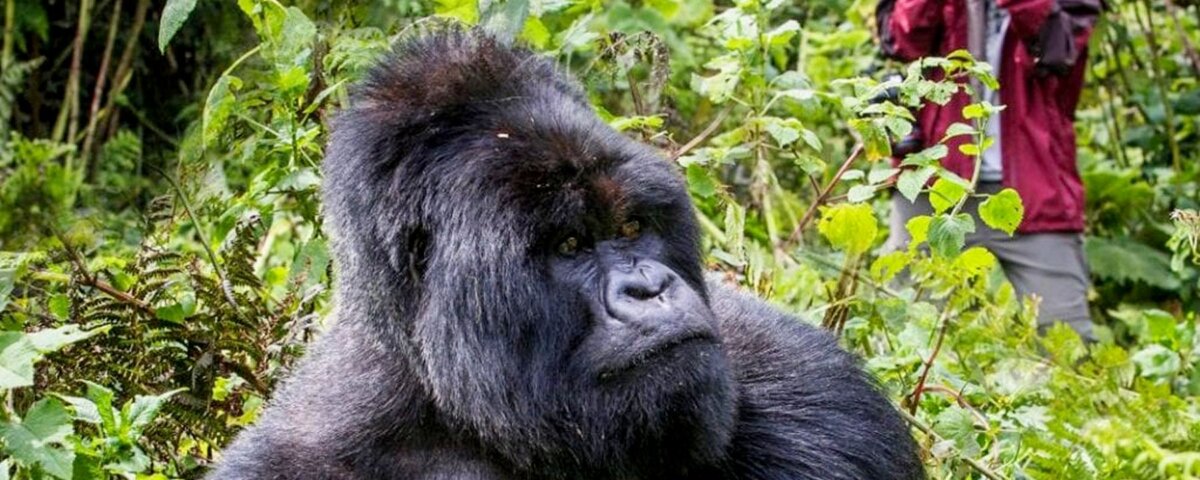
Uganda Gorilla Trekking Weather Conditions
Uganda gorilla trekking weather conditions: Uganda offers one of the most powerful wildlife experiences in the world, especially gorilla trekking in its lush mountain forests. However, weather conditions play a major role in shaping every trekking adventure. Uganda sits on the equator, yet its high-altitude forests create a cooler and more unpredictable climate than many travelers expect. This mix of tropical and mountainous weather makes gorilla trekking both exciting and challenging.
Travelers planning a safari to meet mountain gorillas in places like Bwindi Impenetrable National Park and Mgahinga Gorilla National Park must understand how rain, sunshine, humidity, and temperature change throughout the year. These conditions directly affect hiking trails, visibility in the forest, and overall trekking comfort.
Uganda Climate Overview for Gorilla Trekking
Uganda experiences a tropical climate influenced by altitude and rainfall patterns rather than extreme heat or cold. In gorilla trekking regions, temperatures remain fairly stable throughout the year, usually ranging between 12°C and 25°C. However, humidity often stays high because dense forests trap moisture.
Rainfall shapes Uganda’s climate more than temperature. The country receives rain almost all year, but two main rainy seasons dominate. These include March to May and September to November. Between these wet periods, Uganda experiences drier months that still receive occasional showers.
Mountain gorilla habitats sit at high elevations, which creates cooler air and frequent mist. This mist often covers forests early in the morning, giving trekkers a mystical experience. While weather remains unpredictable, it rarely becomes extreme or dangerous.
Because of this stable but wet climate, Uganda supports rich biodiversity and lush green landscapes year-round. Travelers should always prepare for sudden weather changes, especially when trekking deep into forested areas where conditions can shift quickly within minutes.
Dry Season Weather Conditions in Uganda
The dry seasons in Uganda usually occur from June to August and December to February. These months provide the most favorable weather conditions for gorilla trekking. Trails become less slippery, and forest paths become easier to navigate compared to rainy months.
During the dry season, rainfall reduces significantly, although short showers may still appear unexpectedly. Skies often clear in the afternoon, allowing better visibility inside the forest. This improves photography opportunities when visitors encounter gorilla families in their natural habitat.
Temperatures remain comfortable during the dry season, especially in high-altitude parks like Bwindi and Mgahinga. Early mornings feel cool, but daytime conditions warm up slightly, making hiking more manageable. As a result, many travelers prefer booking permits during this time due to easier trekking conditions.
However, dry season popularity also increases demand for gorilla permits and accommodations. This creates a busier trekking environment. Even so, wildlife viewing remains excellent, and gorilla sightings stay consistent throughout the year, regardless of weather patterns.
Rainy Season Weather Conditions in Uganda
Uganda’s rainy seasons occur in two main periods: March to May and September to November. These months bring heavier rainfall, especially in mountain forest regions where gorillas live. Trails become muddy, slippery, and more physically demanding during this time.
Despite the challenges, rainy season trekking offers unique advantages. The forest becomes greener, denser, and more vibrant. Photographers enjoy dramatic landscapes with mist-covered hills and rich vegetation. Gorilla families also remain active, as food sources become abundant.
Rain often falls in short bursts rather than continuous storms. This means trekkers can still enjoy clear hiking windows during the day. However, proper preparation becomes essential. Waterproof gear, strong hiking boots, and protective clothing significantly improve comfort during treks.
Interestingly, fewer tourists travel during rainy seasons. This creates a more private and peaceful trekking experience. Guides often find it easier to track gorilla movements due to softer ground that reveals footprints more clearly. Overall, the rainy season offers a raw and authentic rainforest adventure for well-prepared travelers.
Monthly Breakdown of Uganda Gorilla Trekking Weather
Uganda’s weather changes gradually throughout the year, making each month slightly different for gorilla trekking experiences. January and February usually stay dry, offering excellent hiking conditions and clear forest trails. March introduces the first rainy season, which increases trail difficulty but enhances forest beauty.
April and May bring heavier rains, making trekking more physically demanding. However, gorilla sightings remain consistent. June and July mark the start of drier months, creating some of the best trekking conditions of the year. Forest trails become more stable, and visibility improves.
August often brings mixed weather with occasional rainfall, but trekking remains favorable. September signals the start of the second rainy season, which continues into October and November. These months experience more rain, muddy trails, and fewer tourists.
December returns to drier conditions, offering another excellent trekking period. Throughout the year, Uganda maintains consistent gorilla activity, meaning visitors can plan safaris in any month depending on their weather preference and physical readiness.
How Weather Conditions Affect Gorilla Trekking
Weather conditions directly shape every gorilla trekking experience in Uganda. Rain increases trail difficulty by making paths slippery and challenging to climb. Trekking in wet conditions often requires more stamina and careful footing, especially in steep forest areas.
On the other hand, dry weather makes trekking more comfortable. Hikers move faster and reach gorilla families with less physical strain. However, dry conditions may also create dust in some forest edges, although this remains minimal in dense jungle zones.
Visibility changes significantly with weather patterns. Misty mornings, common in both dry and wet seasons, sometimes reduce early visibility but later clear to reveal stunning forest views. Rainy conditions also affect photography, as moisture creates soft lighting and dramatic natural effects.
Despite these changes, gorilla behavior remains stable throughout the year. Gorillas do not migrate based on weather, which ensures consistent sightings. Therefore, travelers should focus more on comfort preferences and physical readiness when selecting trekking dates rather than worrying about missing gorilla encounters.
Best Time for Gorilla Trekking Based on Weather
The best time for gorilla trekking in Uganda depends on personal preference, fitness level, and travel goals. Many travelers choose the dry seasons from June to August and December to February because they offer easier hiking conditions and better trail stability.
During these months, forest paths remain less muddy, making trekking more enjoyable for first-time hikers. Additionally, photography conditions improve due to clearer skies and reduced rainfall. As a result, these seasons attract the highest number of tourists.
However, adventurous travelers often prefer the rainy seasons. These months offer fewer crowds, lower accommodation demand, and lush green scenery. The forest becomes more dramatic, and the experience feels more intimate and wild.
Ultimately, gorilla trekking in Uganda remains possible and rewarding throughout the year. Weather changes influence comfort but never affect gorilla presence. Travelers who prepare well and choose suitable gear can enjoy unforgettable encounters regardless of season.
What to Pack for Uganda Gorilla Trekking Weather Conditions
Packing correctly for Uganda’s gorilla trekking weather conditions improves comfort and safety during forest hikes. Because weather changes quickly, travelers should prepare for both rain and sunshine.
Waterproof clothing remains essential. A light rain jacket or poncho protects against sudden showers. Strong hiking boots with good grip help prevent slipping on muddy trails. Long-sleeved shirts and trousers protect against insects, vegetation scratches, and cool temperatures in higher elevations.
A backpack with waterproof cover keeps essentials dry. Inside, travelers should carry drinking water, snacks, a camera, and extra layers for changing weather. Gloves also help when holding onto vegetation during steep climbs.
Additionally, a walking stick supports balance on slippery ground. Even in dry seasons, forest floors remain uneven, so proper footwear and gear remain important year-round.
By packing smartly, travelers adapt easily to Uganda’s unpredictable climate and enjoy a smoother trekking experience in both Bwindi and Mgahinga gorilla regions.
Safety, Trail Conditions, and Travel Tips
Uganda’s gorilla trekking weather conditions require travelers to follow safety guidelines and prepare for changing terrain. Rainy conditions often create slippery trails, so hikers must move carefully and follow guide instructions at all times.
Experienced guides lead every trekking group and adjust routes based on weather and gorilla movement. Their expertise ensures safety even in challenging forest conditions. Travelers should listen closely and maintain steady pacing during hikes.
Trail conditions vary depending on elevation and rainfall. Lower forest areas may feel humid and wet, while higher slopes remain cooler and misty. Proper physical preparation helps visitors handle these changes more effectively.
Travelers should also maintain flexible expectations. Weather can shift quickly, so patience improves the overall experience. Despite challenges, Uganda’s gorilla trekking remains safe, well-managed, and highly rewarding.
By respecting nature, preparing for weather changes, and trusting expert guides, travelers enjoy a powerful and life-changing wildlife encounter in Uganda’s tropical rainforests.
Conclusion: Weather Shapes the Uganda Gorilla Trekking Experience
Uganda’s gorilla trekking weather conditions define the rhythm of every safari adventure. Rain, mist, sunshine, and humidity all contribute to the unique beauty of the rainforest ecosystem. Whether travelers choose dry or rainy seasons, each period offers distinct advantages and memorable experiences.
The consistency of gorilla habitats in parks like Bwindi and Mgahinga ensures year-round trekking opportunities. Weather mainly influences comfort, not wildlife presence. Therefore, travelers can confidently plan safaris in any season based on preference and readiness.
With proper preparation, suitable gear, and an understanding of seasonal changes, Uganda offers one of the most rewarding wildlife encounters in the world. Gorilla trekking becomes more than a hike—it becomes a deep connection with nature, shaped by the ever-changing rhythms of the rainforest climate.
Combined Uganda, Kenya, Rwanda and Tanzania Safaris
17 days Kenya Tanzania and Uganda safari
19 Days Uganda Kenya and Tanzania Safari
16 Days Kenya Tanzania and Uganda Safari
14 Days Kenya Uganda and Tanzania Safari
14 Days Kenya Uganda and Rwanda Safari