Lake Manyara National Park Tours
April 30, 2026
Kenya Safari Predators
April 30, 2026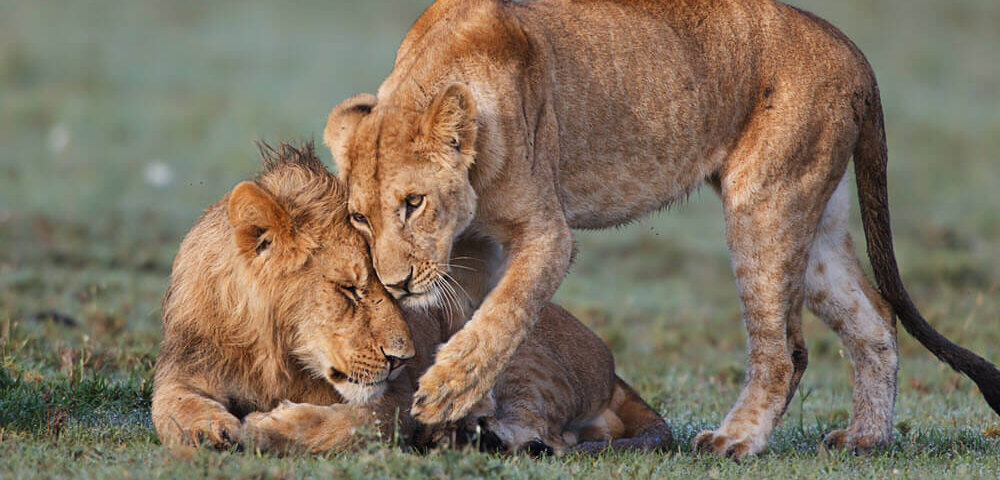
Best Time to See Big Cats in Kenya
Best Time to See Big Cats in Kenya: Kenya stands among the world’s greatest safari destinations, especially for travelers who dream of seeing big cats in the wild. Few places on Earth offer the same thrilling mix of open savannahs, rich wildlife habitats, expert safari guides, and year-round predator action. From the golden grasslands of the Maasai Mara to the remote beauty of Samburu, Kenya creates unforgettable opportunities to witness lions, leopards, and cheetahs in their natural environment.
Big cats represent power, strategy, and survival. They also rank among the most sought-after safari sightings in Africa. However, timing can shape your entire safari experience. While Kenya offers wildlife viewing throughout the year, certain seasons dramatically improve your chances of spotting these predators hunting, resting, or raising cubs. Therefore, understanding when to visit can help you maximize your safari investment and create life-changing memories.
Moreover, seasonal migration patterns, weather changes, prey movements, and park-specific conditions all influence big cat visibility. A well-planned safari does more than increase sightings; it deepens your connection to Kenya’s ecological rhythm. This guide explores the best time to see big cats in Kenya, where to go, and what to expect during different seasons. For wildlife lovers, photographers, and adventure seekers, Kenya offers one of Africa’s most powerful predator experiences.
Understanding Kenya’s Big Cats: Lions, Leopards, and Cheetahs
Kenya’s big cat population forms the heart of its safari appeal. Each species offers a unique viewing experience, and understanding their behavior can help travelers choose the best season and location for sightings.
Lions dominate Kenya’s predator hierarchy. They live in prides, often resting in open plains or hunting during cooler hours. The Maasai Mara remains one of the best places in Africa to see lions because of its dense prey populations and wide visibility. Lion sightings often feel dramatic because prides frequently interact, hunt, and defend territory.
Leopards, by contrast, present a more elusive challenge. These solitary cats prefer riverine forests, rocky outcrops, and tree cover. Samburu, Laikipia, and parts of the Maasai Mara provide excellent leopard habitats. Because leopards move quietly and often hunt at dawn or dusk, timing and guide expertise matter greatly.
Cheetahs thrive in open grasslands where speed gives them a hunting advantage. Kenya’s plains, especially in the Maasai Mara, support strong cheetah populations. Their daytime activity often makes them easier to spot than leopards.
Each species follows seasonal prey patterns, weather conditions, and breeding cycles. Therefore, knowing these behavioral differences helps travelers plan smarter safaris and improve their chances of witnessing Kenya’s most iconic predators.
July to October: Peak Season for Big Cat Sightings During the Great Migration
For many safari experts, July through October offers the best time to see big cats in Kenya. This period aligns with the Great Migration, when millions of wildebeest, zebras, and gazelles move into the Maasai Mara from Tanzania’s Serengeti. The migration creates one of the richest predator prey environments on Earth.
Big cats thrive during this season because prey becomes abundant. Lions patrol migration corridors, leopards target vulnerable animals near riverbanks, and cheetahs capitalize on open plains packed with grazing herds. Predator activity often intensifies because food sources increase dramatically.
River crossings at the Mara River create especially thrilling safari moments. While crocodiles dominate the water, big cats patrol nearby areas where exhausted or separated prey become easy targets. This season also benefits photographers because wildlife density rises and dramatic action unfolds regularly.
Additionally, dry conditions reduce tall grass, making predators easier to spot. Animals gather around shrinking water sources, which further improves viewing opportunities.
However, this peak season also attracts more visitors. Therefore, booking accommodations and conservancy safaris early becomes essential. Despite larger crowds, the combination of predator action, migration spectacle, and exceptional wildlife density makes this season one of Kenya’s most powerful safari windows.
Best Time to See Big Cats in Kenya: January to March, The Dry Season Advantage for Predator Viewing
Although the Great Migration receives global attention, January to March offers another exceptional window for big cat safaris in Kenya. This dry season creates ideal game viewing conditions across many parks, often with fewer crowds than peak migration months.
During this time, shorter grasses improve visibility, allowing guides and travelers to spot predators more easily. Water becomes scarcer in some areas, drawing prey species into predictable locations. Consequently, lions, cheetahs, and leopards often remain active near these concentrated food sources.
This season also coincides with birthing periods for many herbivores, especially antelope species. Vulnerable newborns create hunting opportunities for predators, increasing your chances of seeing dramatic action. Cheetahs particularly benefit because they often target young or inexperienced prey in open grasslands.
The weather also supports comfortable safari experiences. Sunny days, limited rainfall, and clear skies improve photography while enhancing road accessibility.
For travelers seeking strong predator sightings without the busiest tourism season, this period offers excellent value. Maasai Mara, Amboseli, and Samburu all perform well during these months. Therefore, January to March remains one of Kenya’s most underrated safari seasons for big cat enthusiasts.
April to June: Green Season Opportunities and Challenges
April to June marks Kenya’s long rainy season, often called the green season. While many travelers overlook this period, it can still offer rewarding big cat experiences for those who understand its advantages and limitations.
Rain transforms Kenya’s landscapes into lush, vibrant ecosystems. Scenic beauty reaches extraordinary levels, and parks feel quieter due to lower tourist numbers. This creates a more exclusive safari atmosphere with fewer vehicles around sightings.
However, dense vegetation can make spotting predators more challenging. Tall grass provides extra cover for lions, leopards, and cheetahs, which may reduce visibility. Additionally, heavy rains can affect road conditions in certain parks.
Despite these challenges, predator behavior remains active. Big cats continue hunting, breeding, and raising cubs. In fact, some lodges and guides use quieter conditions to track specific prides or leopard territories more intimately.
Photography during this season also benefits from dramatic skies, greener backdrops, and softer lighting. Moreover, accommodation rates often drop, making luxury safaris more accessible.
For experienced safari travelers or photographers seeking unique landscapes and fewer crowds, the green season can still deliver exceptional results. Success during this period depends heavily on choosing expert guides and high quality reserves with reliable road infrastructure.
Best Time to See Big Cats in Kenya: Best Places to View Big Cats Year Round
Kenya’s diverse safari regions offer big cat opportunities throughout the year, but certain destinations consistently outperform others. Choosing the right location can dramatically improve your safari success.
The Maasai Mara remains Kenya’s premier big cat destination. Its open plains, abundant prey, and conservation focused private conservancies make it ideal for lions, cheetahs, and leopards. This region performs exceptionally well year round, though migration season offers peak drama.
Samburu National Reserve excels for leopard sightings. Its rugged terrain, river systems, and lower tourist density create unique predator encounters. Samburu also supports distinctive northern species, which enrich the safari experience.
Laikipia Conservancy provides a more exclusive safari model with strong leopard and lion populations. Conservation initiatives here also support African wild dogs, adding predator diversity.
Amboseli National Park, though better known for elephants, still offers lion sightings in stunning landscapes. Tsavo East and Tsavo West also hold significant lion populations, including the legendary maneless lions of Tsavo.
Private conservancies often provide night drives and off road access, which can significantly improve leopard and nocturnal predator sightings. Therefore, combining multiple destinations often creates the most comprehensive big cat safari.
Time of Day Matters: When Big Cats Are Most Active
Season matters greatly, but daily timing can shape your big cat safari just as much. Big cats follow behavioral patterns that smart travelers should understand to maximize sightings.
Early morning game drives often provide the best opportunities. Cooler temperatures encourage lions, leopards, and cheetahs to remain active before the midday heat sets in. Sunrise safaris frequently reveal hunting attempts, territorial patrols, or social pride interactions.
Late afternoon and sunset drives also deliver strong results. As temperatures drop, predators become more mobile again. This period often produces golden hour photography while increasing chances of seeing stalking or feeding behavior.
Midday, by contrast, usually brings reduced predator movement. Lions often rest in shade, leopards retreat to trees, and cheetahs conserve energy. Although sightings still happen, action levels often decline.
Night drives, available mainly in private conservancies, can unlock extraordinary leopard and nocturnal predator encounters. These experiences often reveal behaviors hidden during daylight.
Therefore, choosing lodges with flexible game drive schedules can significantly improve safari outcomes. Travelers who prioritize dawn and dusk activities often enjoy more dynamic predator experiences than those focusing only on midday excursions.
Best Time to See Big Cats in Kenya: Photography Tips
Seeing Kenya’s big cats creates unforgettable memories, but capturing them well requires preparation, patience, and strategy. Wildlife photography elevates your safari into a lasting visual story. Giant Holiday Safaris guides travelers to the best vantage points and shares expert tips for predator photography.
First, timing is essential. Morning and evening light creates softer tones, better contrast, and dramatic imagery. Golden hour lighting enhances lion manes, leopard coats, and cheetah markings. With Giant Holiday Safaris, guests benefit from guides who know the precise times and locations to maximize golden hour shots.
Second, bring the right equipment. A zoom lens allows safe, detailed shots from a distance, while fast shutter speeds freeze movement during hunts or chases. Giant Holiday Safaris advises on equipment use in the field, helping travelers capture sharp, professional quality images.
Third, patience leads to extraordinary moments. Big cats may appear inactive, but sudden behavioral changes can happen instantly. Waiting near hunting zones or waterholes often pays off. Guides from Giant Holiday Safaris understand predator rhythms and position travelers for rare, dramatic encounters.
Additionally, focus on storytelling. Cubs playing, pride interactions, territorial displays, or predators scanning the horizon create more compelling images than static portraits. Giant Holiday Safaris encourages storytelling in photography, helping guests capture the emotion and drama of predator life.
Respect wildlife boundaries at all times. Ethical photography protects both animals and ecosystems. Giant Holiday Safaris prioritizes responsible tourism, ensuring every photo opportunity aligns with conservation values.
Kenya’s landscapes add context. Including acacia trees, dramatic skies, or prey herds transforms simple sightings into iconic safari images. Great big cat photography combines technical skill with ecological awareness. By traveling with Giant Holiday Safaris, photographers gain access to Kenya’s most iconic landscapes and the expertise to frame them into unforgettable safari stories.
Final Thoughts: Planning the Perfect Big Cat Safari in Kenya
The best time to see big cats in Kenya depends on your goals, budget, and safari style. For dramatic predator action and migration energy, July to October offers unmatched intensity. For fewer crowds and excellent dry season sightings, January to March stands out. Meanwhile, green season safaris reward adventurous travelers with lush beauty and quieter experiences. Giant Holiday Safaris helps travelers align their safari goals with the right season, ensuring every big cat encounter is perfectly timed.
Kenya’s strength lies in its year round safari potential. With the right destination, timing, and guide, travelers can experience extraordinary lion, leopard, and cheetah encounters in every season. Understanding prey cycles, habitat differences, and predator rhythms transforms ordinary safaris into extraordinary journeys. Through expert guiding, Giant Holiday Safaris provides deeper insights into predator behavior, turning each sighting into a meaningful story.
Kenya does not simply offer animal sightings it offers immersion into one of Earth’s most powerful natural systems. Big cats symbolize the country’s wild soul, conservation legacy, and global safari leadership. Giant Holiday Safaris highlights this connection, blending conservation awareness with unforgettable big cat experiences.
For travelers seeking Africa’s ultimate predator adventure, Kenya remains a world class choice. Plan wisely, travel responsibly, and prepare for moments that last a lifetime. In Kenya’s wilderness, every sunrise carries the possibility of seeing nature’s greatest hunters in action. By choosing Giant Holiday Safaris, you elevate your safari into a purposeful journey combining adventure, conservation, and the thrill of witnessing big cats in their natural kingdom.
Combined Uganda, Kenya, Rwanda and Tanzania Safaris
17 days Kenya Tanzania and Uganda safari
19 Days Uganda Kenya and Tanzania Safari
16 Days Kenya Tanzania and Uganda Safari
14 Days Kenya Uganda and Tanzania Safari
14 Days Kenya Uganda and Rwanda Safari