Amboseli National Park Safari
May 5, 2026
Bwindi gorilla trekking Uganda tours
May 5, 2026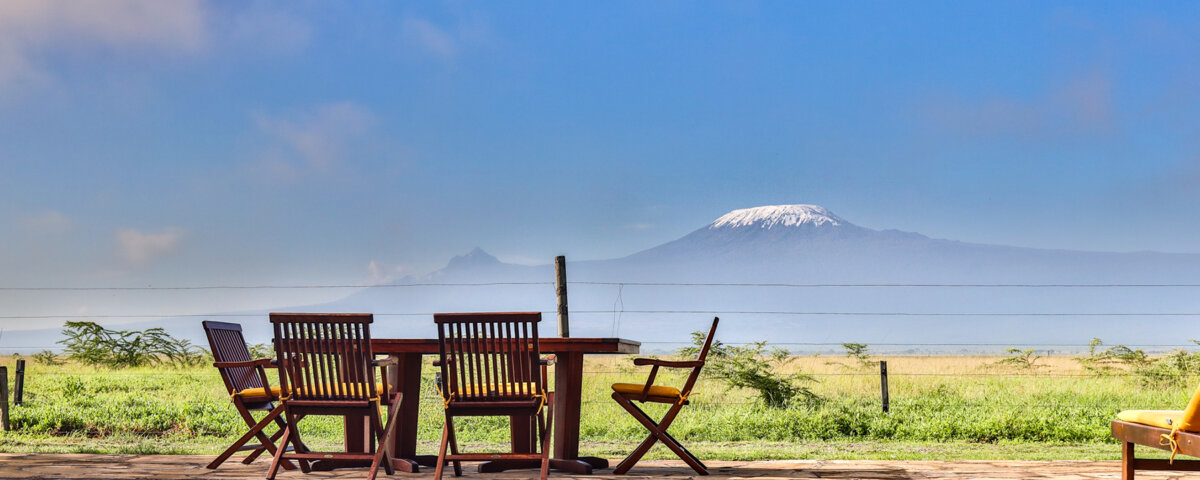
Best Time to Visit Amboseli
Best Time to Visit Amboseli: Choosing the best time to visit Amboseli can shape the entire safari experience in Kenya. Travelers from around the world come with one goal in mind: to enjoy close wildlife encounters, wide open savannahs, and unforgettable views of Mount Kilimanjaro. Timing matters because weather conditions directly influence animal movements, visibility, and road accessibility.
In this guide, the focus stays on practical and experiential insights that help travelers make confident decisions. Amboseli offers unique beauty throughout the year, yet each season delivers a different kind of magic. Some months bring clear skies and perfect photography conditions, while others offer lush landscapes and fewer crowds. Understanding these patterns helps travelers plan smarter and enjoy more rewarding safaris.
This article shares expert-level guidance based on climate behavior, wildlife patterns, and visitor experience. It also highlights how each season impacts game drives, photography opportunities, and travel comfort. With this knowledge, travelers can plan a safari that matches their expectations and travel style while enjoying one of Africa’s most iconic wildlife destinations.
Overview of Amboseli National Park
Amboseli National Park stands as one of Kenya’s most famous safari destinations. It sits at the foothills of Mount Kilimanjaro, the tallest mountain in Africa, creating one of the most photographed landscapes on the continent. The park covers open plains, seasonal wetlands, acacia woodlands, and swamps that attract large herds of wildlife throughout the year.
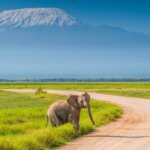
Amboseli is especially known for its large elephant populations. Visitors often see elephants walking freely across the plains with Kilimanjaro in the background. This creates a rare and powerful safari experience that blends wildlife and scenery in one frame. In addition to elephants, the park hosts lions, cheetahs, giraffes, zebras, buffaloes, and over 400 bird species.
What makes Amboseli unique is its compact size combined with high wildlife visibility. Unlike larger parks, animals here stay easier to find, especially near water sources. As a result, game drives often feel rewarding even during short visits. This strong wildlife density makes timing even more important because seasonal changes affect movement patterns and viewing quality.
Best Time to Visit Amboseli: Dry Season (June–October)
The dry season offers the most reliable and rewarding safari experience in Amboseli. During these months, vegetation becomes shorter, and animals gather around remaining water sources. This natural behavior makes wildlife viewing easier and more predictable. Travelers often enjoy close up sightings of elephants, lions, and buffaloes without long searches.
Road conditions also improve during this season. Safari vehicles move smoothly across dry tracks, allowing more time for game drives instead of delays. Clear skies dominate most days, which enhances visibility and creates stunning views of Mount Kilimanjaro. Photographers especially appreciate this period because dust and haze reduce significantly, improving image clarity.
However, this season also attracts more tourists. Popular viewing spots can become busy, especially around waterholes. Even so, the experience remains highly rewarding because wildlife activity stays consistent. For travelers who want guaranteed sightings, comfortable travel conditions, and iconic photography opportunities, the dry season stands as the most recommended time to visit Amboseli.
Wet Season Experience (November–May)
The wet season transforms Amboseli into a green and vibrant landscape. Rainfall usually comes in short bursts, followed by sunshine. During this period, the park feels fresh, quiet, and less crowded. Travelers who prefer peaceful safaris often enjoy this season because they experience nature in a more relaxed setting.
Wildlife spreads out across the park since water becomes more available. This makes animal spotting slightly more challenging compared to the dry season. However, patience often rewards visitors with unique encounters, especially with newborn animals and migratory birds. Birdwatching becomes exceptional as many species arrive during the rainy months.
The scenery also changes dramatically. Grasslands turn lush and green, creating beautiful contrasts against dark storm clouds and distant mountains. Although roads may become muddy in some areas, safari guides still navigate safely with proper vehicles. For travelers who value fewer crowds, lower accommodation rates, and dramatic landscapes, the wet season provides a different but equally meaningful Amboseli experience.
Best Time to Visit Amboseli: Wildlife Viewing in Amboseli
Wildlife viewing remains the main attraction in Amboseli throughout the year. The park supports one of Africa’s most stable elephant populations, and these elephants often appear in large herds. Observing them in natural family groups offers a strong emotional connection for many visitors. Lions also roam the plains, especially during cooler hours of the day.
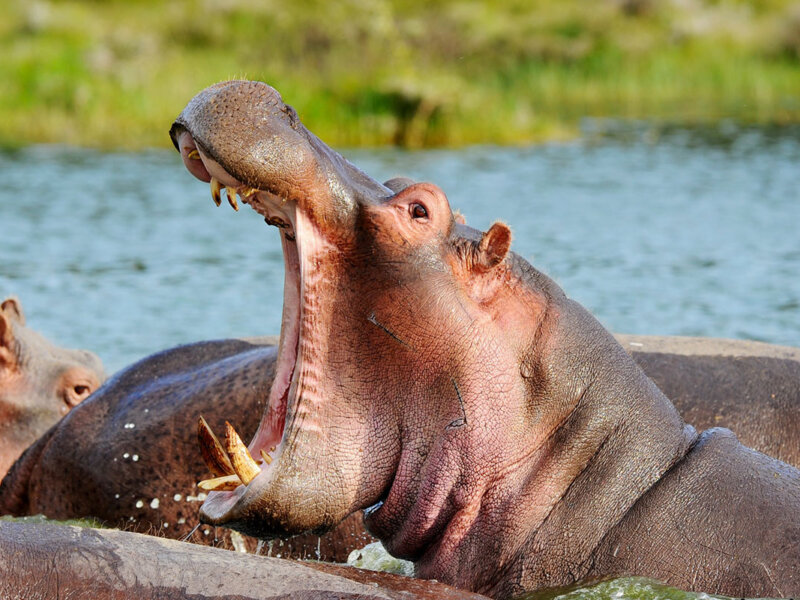
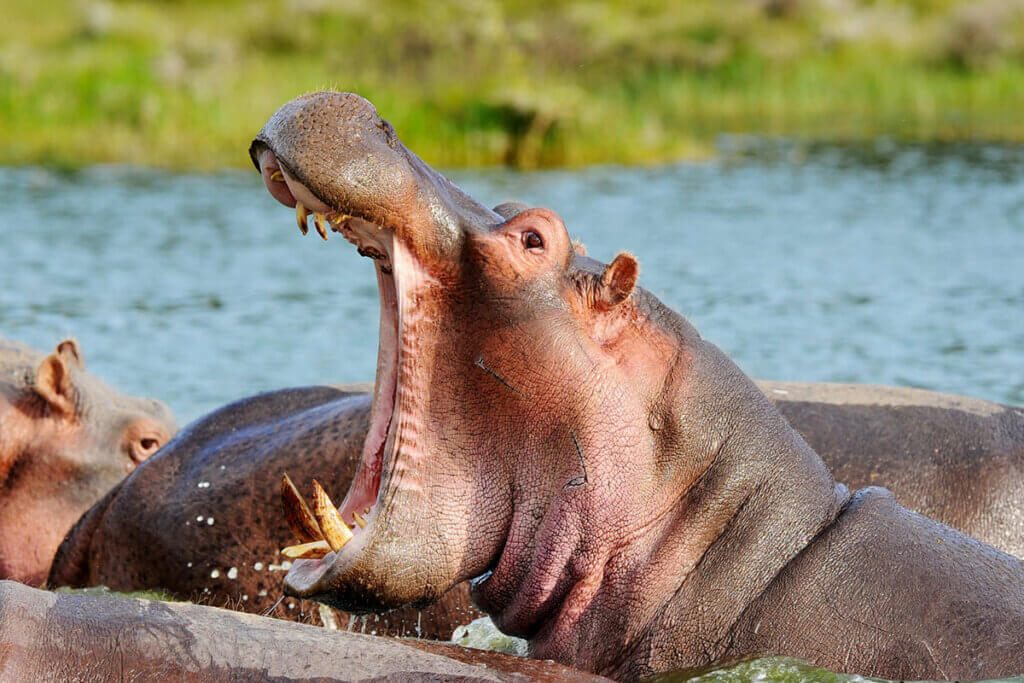
Other species such as giraffes, zebras, wildebeests, hyenas, and cheetahs contribute to a balanced ecosystem. The open terrain allows travelers to spot animals from a distance, which enhances the safari experience. Swamp areas attract hippos and various bird species, creating multiple viewing zones within a compact area.
Seasonal changes influence wildlife behavior. During dry months, animals gather around swamps and waterholes, increasing sighting frequency. In wet months, animals disperse, but breeding activity increases. This cycle ensures that Amboseli remains active year round. Therefore, visitors do not miss wildlife entirely in any season; they only experience different patterns depending on timing.
Best Time to Visit Amboseli: Weather and Climate Patterns
Amboseli experiences a semi-arid climate with warm temperatures throughout the year. Daytime temperatures often remain high, while evenings feel cooler and more comfortable. This consistent warmth allows year-round travel, but seasonal variations still play a major role in safari planning.
The dry season brings clear skies, low humidity, and minimal rainfall. These conditions improve visibility and make game drives smoother. Dust levels may rise slightly, especially on windy days, but overall travel remains comfortable. On the other hand, the wet season introduces cooler temperatures, higher humidity, and occasional heavy showers. These rains usually occur in short intervals rather than continuous downpours.
Mount Kilimanjaro also influences local weather patterns. Morning hours often provide the clearest views of the mountain before clouds build up later in the day. Travelers who plan early game drives increase their chances of capturing this iconic sight. Understanding these weather patterns helps visitors pack appropriately and choose the best travel window based on comfort and expectations.
Best Time to Visit Amboseli: Photography and Scenic Views of Mount Kilimanjaro
Amboseli offers one of the most iconic photography backdrops in Africa. The presence of Mount Kilimanjaro creates unmatched scenery, especially when elephants walk across open plains in the foreground. This combination produces world famous safari images that attract photographers from across the globe.
The best photography conditions usually occur during the dry season. Clear skies, reduced dust, and stable lighting enhance image sharpness. Early mornings deliver the most dramatic shots because Kilimanjaro appears more visible before clouds form around its peak. Sunset also offers warm tones that highlight wildlife silhouettes against golden skies.
During the wet season, photographers capture a different mood. Green landscapes, stormy skies, and reflective water surfaces create artistic compositions. Even though Kilimanjaro may appear hidden more often, the park still delivers powerful visual storytelling. For photographers, Amboseli does not offer a single best time. Instead, it provides two distinct visual styles depending on seasonal choices.
Best Time to Visit Amboseli: Travel Tips for First-Time Visitors
First-time visitors to Amboseli benefit from simple but important travel strategies. Planning ahead improves comfort and ensures a smoother safari experience. One key tip involves booking game drives early in the morning and late in the afternoon. These hours provide the best wildlife activity and lighting conditions.
Packing also plays a big role. Light clothing works well during the day, while a warm layer becomes useful in the early morning and evening. Comfortable walking shoes help during lodge stays or short nature walks. In addition, travelers should carry sunscreen, insect repellent, and reusable water bottles for hydration.
Choosing experienced guides adds value to the trip. Skilled guides understand animal behavior, park routes, and seasonal changes. They increase the chances of spotting rare wildlife moments. Lastly, travelers should remain flexible. Wildlife does not follow strict schedules, so patience often leads to better experiences. With these simple tips, first-time visitors can enjoy a smooth and memorable safari in Amboseli.
Best Time to Visit Amboseli: Accommodation and Safari Experience
Amboseli offers a wide range of accommodation options that match different travel budgets and preferences. Visitors can choose from luxury lodges, mid-range camps, and budget friendly stays. Many lodges sit inside or near Amboseli National Park, allowing quick access to morning and evening game drives.
Luxury lodges often provide spacious rooms, guided safari services, and scenic views of wildlife corridors. Mid-range camps focus on comfort and convenience while maintaining close proximity to nature. Budget options give travelers affordable access to the park without compromising the safari experience.
Most accommodations include guided game drives, meals, and cultural experiences with local communities. This adds depth to the visit by connecting travelers to both wildlife and culture. Night stays in Amboseli also create unique moments, especially when distant animal sounds fill the silence of the savannah. Choosing the right accommodation enhances the overall safari journey and influences how travelers experience each season.
How to Get to Amboseli National Park
Reaching Amboseli is straightforward with proper planning. Most travelers begin in Nairobi, then choose between road or air transport. Road trips take several hours, passing scenic landscapes and local communities. Giant Holiday Safaris organizes comfortable transfers, ensuring guests enjoy the journey stress free.
Air travel offers a faster option, with small aircraft landing at nearby airstrips. This saves time and provides stunning aerial views. Giant Holiday Safaris arranges flights and smooth lodge transfers, making arrival effortless.
Road conditions vary by season dry months are smooth, while wet months can be muddy but manageable with experienced drivers. By booking with Giant Holiday Safaris, travelers benefit from reliable logistics and expert guidance, focusing fully on the safari adventure.
Final Thoughts
The best time to visit Amboseli depends on traveler preferences. The dry season offers clear skies, easier wildlife sightings, and ideal photography, while the wet season brings lush scenery, fewer crowds, and a peaceful atmosphere. Giant Holiday Safaris helps guests plan around these seasonal changes, ensuring rewarding safari experiences year round.
What makes Amboseli truly special is the balance of wildlife, scenery, and culture. From elephants under Kilimanjaro to tranquil savannah mornings, the park delivers unforgettable moments. With Giant Holiday Safaris’ expert guidance, travelers enjoy safe, authentic, and memorable journeys.
Ultimately, Amboseli remains a timeless safari destination. Choosing Giant Holiday Safaris guarantees adventure, conservation awareness, and lasting memories across Kenya’s iconic plains.
Combined Uganda, Kenya, Rwanda and Tanzania Safaris
17 days Kenya Tanzania and Uganda safari
19 Days Uganda Kenya and Tanzania Safari
16 Days Kenya Tanzania and Uganda Safari
14 Days Kenya Uganda and Tanzania Safari
14 Days Kenya Uganda and Rwanda Safari