What is the best Kenya safari route?
July 30, 2026
What are the best East African safari itineraries?
July 30, 2026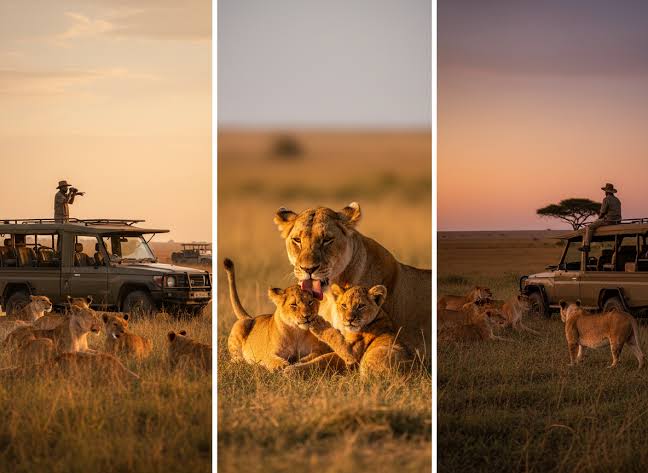
Can You Visit Multiple Parks in One Kenya Safari?
Kenya offers one of the most diverse safari experiences in Africa because it combines famous wildlife destinations, unique landscapes, rich cultures, and exceptional conservation areas. Many travelers planning their first Kenya safari wonder whether they can visit multiple parks during one journey instead of staying in a single destination. The answer is yes. A well planned Kenya safari can include several national parks, private conservancies, and wildlife reserves, allowing visitors to experience different ecosystems and discover a wider variety of animals.
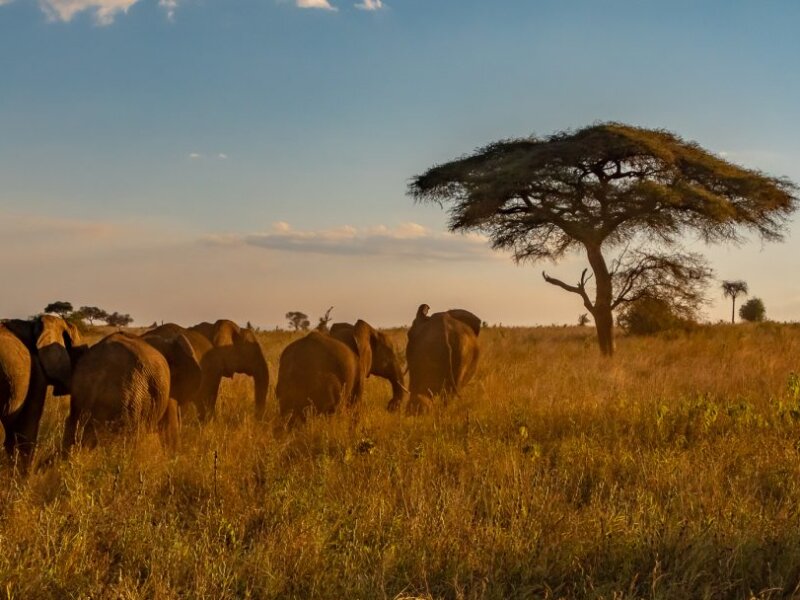
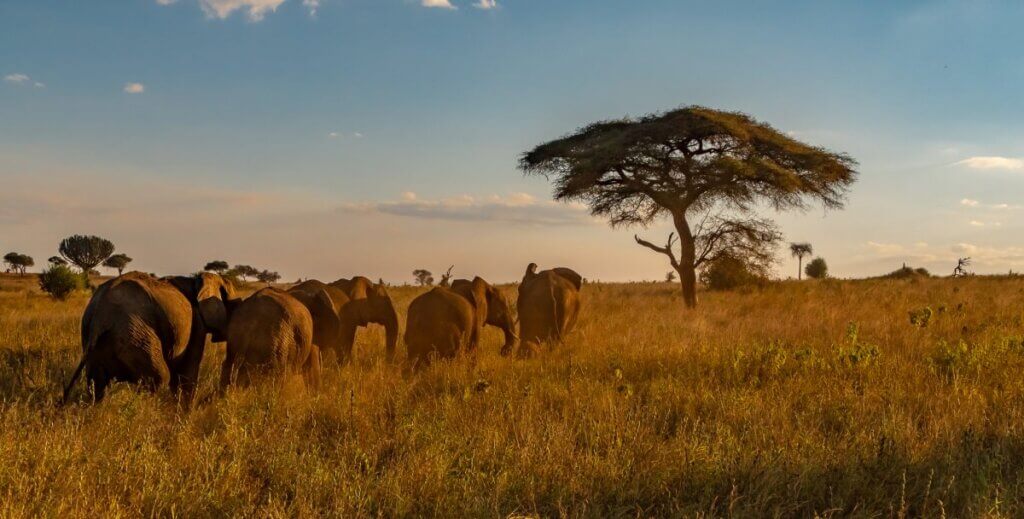
A multi park safari creates a deeper connection with Kenya’s natural beauty. Each destination offers something special. The open grasslands of the Maasai Mara provide unforgettable predator sightings and the famous Great Migration experience. Amboseli National Park creates breathtaking views of elephants walking beneath Mount Kilimanjaro. Lake Nakuru introduces visitors to unique birdlife and endangered rhinos, while Tsavo National Park reveals the dramatic beauty of one of Kenya’s largest wilderness areas.
Planning a safari that covers multiple parks requires careful organization, professional guidance, and a realistic travel schedule. Distances between parks, road conditions, wildlife viewing hours, accommodation choices, and seasonal conditions all influence the quality of the experience. A successful itinerary balances adventure and comfort while giving travelers enough time in each destination.
For international visitors, combining several parks in one Kenya safari provides better value because it maximizes wildlife encounters and introduces different sides of the country. Instead of seeing only one environment, travelers experience Kenya as a complete safari destination with diverse habitats, ecosystems, and cultures. With proper planning, a multi-park safari becomes an unforgettable journey through some of Africa’s most remarkable wilderness areas.
Combined Uganda, Kenya, Rwanda and Tanzania Safaris
17 days Kenya Tanzania and Uganda safari
19 Days Uganda Kenya and Tanzania Safari
16 Days Kenya Tanzania and Uganda Safari
14 Days Kenya Uganda and Tanzania Safari
14 Days Kenya Uganda and Rwanda Safari
12 Day Gorilla Trekking and Tanzania Safari
Why Choose a Multi Park Kenya Safari Experience?
A multi park Kenya safari allows travelers to explore the country’s incredible ecological diversity. Kenya does not have one single safari environment. Instead, it has forests, savannah plains, wetlands, volcanic landscapes, and private conservation areas that support different animal species. Visiting several parks creates a more complete understanding of Kenya’s wildlife and natural heritage.
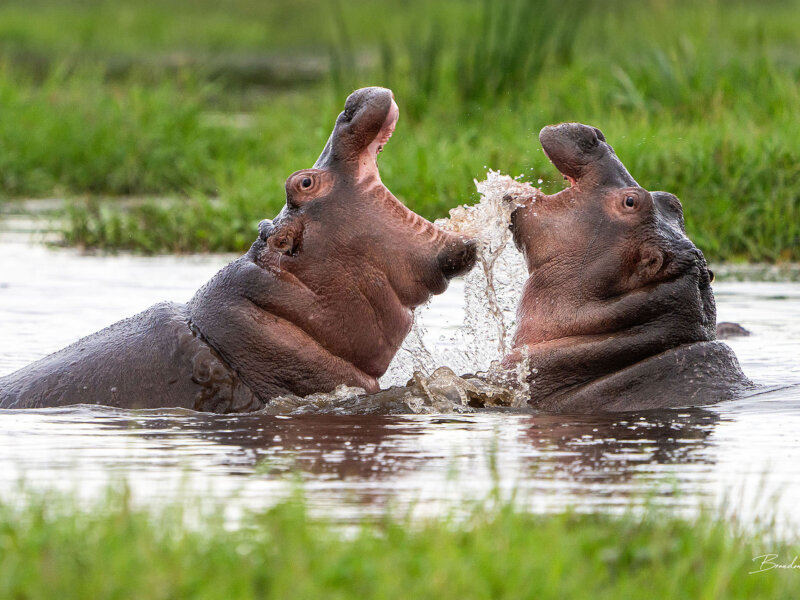
One major advantage of exploring multiple parks is the opportunity to see a wider range of animals. Although many parks share common species such as elephants, lions, buffaloes, giraffes, and zebras, each destination has unique wildlife highlights. For example, the Maasai Mara provides excellent opportunities to observe big cats because of its large prey population and open landscapes. Meanwhile, Samburu National Reserve introduces visitors to rare northern species such as the Grevy’s zebra, reticulated giraffe, and Somali ostrich.
Additionally, different parks offer different safari experiences. Some destinations focus on traditional game drives across open plains, while others provide walking safaris, night drives, birdwatching adventures, and cultural activities. By combining locations, travelers enjoy a wider variety of activities rather than repeating the same experience every day.
Furthermore, visiting multiple parks allows travelers to appreciate Kenya’s conservation efforts. National parks protect important wildlife habitats, while private conservancies often support community development and innovative conservation programs. This combination creates a responsible tourism experience that supports wildlife protection and local communities.
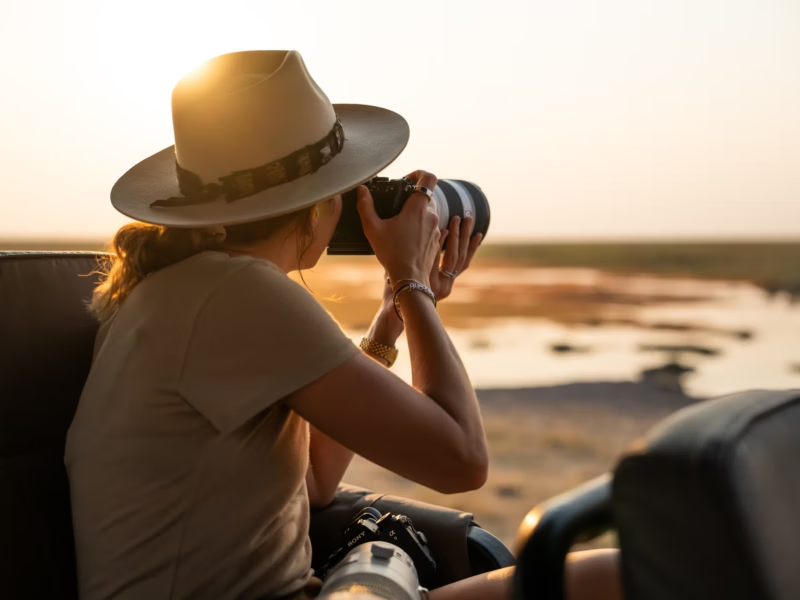
A multi park safari also creates more memorable photography opportunities. The landscapes change dramatically from one location to another. Travelers can capture elephants against mountain backgrounds, lions resting in golden grasslands, flamingos around lakes, and giraffes moving through acacia forests. Every destination adds a new chapter to the safari story.
How Many Parks Can You Visit During One Kenya Safari?
The number of parks you can visit during a Kenya safari depends on the length of your trip, travel style, budget, and personal interests. Short safaris usually focus on two or three destinations because travelers need enough time to enjoy wildlife viewing without spending most of their journey traveling between locations. Longer safaris can comfortably include five or more parks while maintaining a relaxed pace.
A typical seven day Kenya safari can include popular destinations such as Amboseli National Park, Lake Nakuru National Park, and the Maasai Mara National Reserve. This combination provides a balanced experience with elephants, rhinos, birds, big cats, and beautiful landscapes. Travelers experience mountain scenery, lakeside environments, and endless savannah plains within one week.
For visitors with ten to fourteen days available, a more extensive route becomes possible. Such an itinerary may include Amboseli, Tsavo, Samburu, Ol Pejeta Conservancy, Lake Nakuru, and the Maasai Mara. This longer journey offers greater wildlife variety and allows more time for unique activities such as visiting conservation projects, enjoying cultural experiences, and exploring less crowded areas.
However, visiting many parks does not always mean having a better safari. Quality matters more than quantity. Spending enough time in each destination increases the chance of meaningful wildlife encounters. Rushing through several parks can reduce the experience because animals follow natural patterns and cannot be guaranteed within a short visit.
Therefore, the best approach focuses on creating a balanced itinerary. A professional safari planner considers travel distances, seasonal wildlife movements, accommodation locations, and guest preferences to design a route that delivers maximum enjoyment without unnecessary pressure.
Best Kenya Safari Routes for Visiting Multiple Parks
Kenya offers several established safari circuits that make multi-park travel easier and more enjoyable. These routes connect some of the country’s most rewarding wildlife destinations while creating a smooth travel experience.
One of the most popular routes begins in Nairobi and travels south toward Amboseli National Park. This route provides incredible views of Mount Kilimanjaro and some of Africa’s largest elephant populations. After exploring Amboseli, travelers can continue toward the Great Rift Valley, where destinations such as Lake Naivasha and Lake Nakuru offer different landscapes and wildlife encounters.
From the Rift Valley, many travelers continue toward the Maasai Mara National Reserve. This route creates one of Kenya’s most complete safari experiences because it combines elephants, rhinos, flamingos, lions, cheetahs, leopards, and large herds of grazing animals. The Maasai Mara becomes the highlight for many visitors because of its rich wildlife concentration and spectacular scenery.
Another excellent route focuses on northern Kenya. Travelers can explore Samburu National Reserve, Buffalo Springs Reserve, and Ol Pejeta Conservancy. This region provides a completely different experience because of its semi-arid landscapes, unique wildlife species, and strong community conservation programs.
For adventurous travelers, the southern circuit connecting Tsavo East and Tsavo West with Amboseli offers dramatic wilderness experiences. Tsavo’s vast landscapes, red soil, and diverse wildlife create a feeling of exploring a truly wild African frontier.
Each route provides something different. The best choice depends on the traveler’s interests, available time, and desired safari style. A carefully designed route ensures every destination adds value to the overall journey.
Travel Time Between Kenya Safari Parks and How to Plan Efficiently
When planning a multi-park Kenya safari, understanding travel distances and journey times helps create a comfortable and enjoyable experience. Kenya’s wildlife destinations are spread across different regions, and moving between parks requires proper scheduling. Although the roads connect many safari areas, travel times vary depending on the location, road conditions, weather, and planned stops along the way.
For example, traveling from Nairobi to Amboseli National Park usually takes several hours, making it a convenient starting point for many safari routes. The journey allows visitors to transition from city surroundings into open wilderness landscapes. From Amboseli, travelers can connect to other destinations such as Tsavo or the Great Rift Valley, depending on the chosen itinerary.
Moving from Lake Nakuru to the Maasai Mara is another popular connection. This route combines two completely different environments. Lake Nakuru offers forested areas, lakeside habitats, and opportunities to see rhinos and birds, while the Maasai Mara provides wide grasslands filled with predators and large herbivore populations.
However, successful safari planning requires avoiding unnecessary long transfers every day. Spending too much time on the road can reduce wildlife viewing opportunities. Therefore, a well-designed itinerary places enough nights in each park to allow morning and afternoon game drives, which are the best times for animal activity.
Professional safari planning focuses on creating a balance between exploration and relaxation. A quality safari does not simply count the number of parks visited; it creates meaningful experiences in every destination. Travelers should enjoy the journey, the landscapes, the wildlife, and the cultural encounters instead of feeling rushed between locations.
Combining Kenya National Parks and Private Conservancies
One of the best ways to experience a complete Kenya safari is by combining national parks with private conservancies. These two conservation models provide different advantages, and together they create a richer wildlife experience.
Kenya’s national parks protect some of the country’s most famous wildlife areas. Destinations such as Maasai Mara, Amboseli, Tsavo, and Lake Nakuru offer incredible game viewing opportunities and showcase Kenya’s natural heritage. Visitors can explore large wilderness areas where animals move freely across protected landscapes.
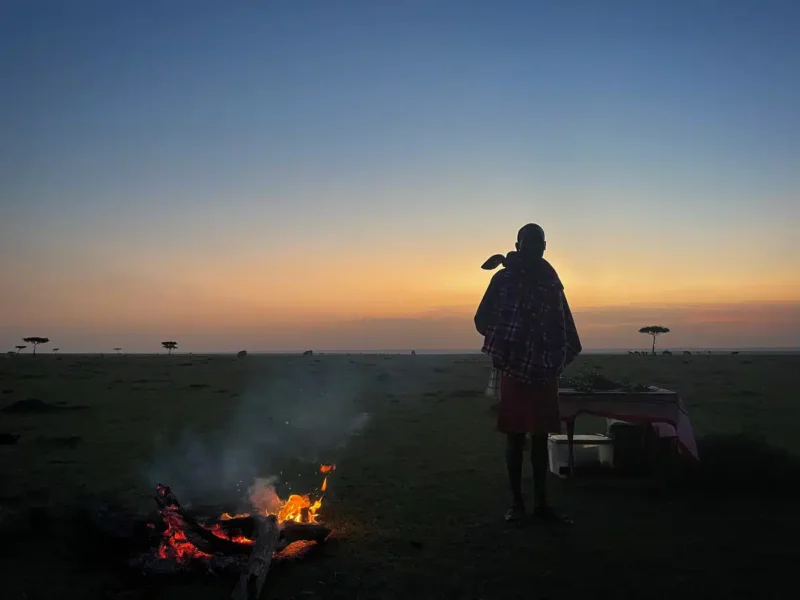
Private conservancies add another level of exclusivity and flexibility. Many conservancies surrounding the Maasai Mara allow activities that may not be available inside national parks, such as guided walking safaris, night game drives, and fewer vehicles around wildlife sightings. This creates a more private and peaceful safari atmosphere.
Additionally, conservancies play an important role in supporting local communities. Many work together with landowners to protect wildlife habitats while creating economic opportunities through tourism. This approach strengthens conservation because communities benefit directly from protecting nature.
Combining both options gives travelers a complete understanding of Kenya’s safari industry. National parks provide iconic landscapes and famous wildlife encounters, while conservancies provide intimate experiences and deeper connections with conservation efforts.
For travelers seeking comfort, exclusivity, and unforgettable wildlife moments, including private conservancies alongside national parks creates a premium safari experience. It allows visitors to enjoy Kenya’s famous destinations while also discovering hidden gems away from busy tourist routes.
How Many Days Are Ideal for a Multiple Park Kenya Safari?
The ideal length for a multiple park Kenya safari depends on the number of destinations included and the type of experience travelers want. While shorter safaris can provide excellent wildlife encounters, longer journeys allow deeper exploration and more relaxed travel.
A three to five day safari works well for visitors with limited time. This option usually focuses on nearby destinations such as Amboseli or Maasai Mara. Although shorter, these safaris can still provide amazing wildlife experiences because Kenya’s parks offer high concentrations of animals.
A seven to ten-day safari provides a better opportunity to visit multiple parks comfortably. Travelers can include destinations such as Amboseli, Lake Nakuru, and Maasai Mara while enjoying several game drives in each location. This duration allows visitors to experience different ecosystems without feeling rushed.
For travelers who want a more complete Kenyan adventure, a two-week safari offers the greatest flexibility. This length allows exploration of famous destinations and less visited areas such as Samburu, Laikipia, Tsavo, or private conservancies. Visitors can enjoy wildlife, landscapes, cultural experiences, and relaxation at safari lodges or luxury tented camps.
Furthermore, longer safaris increase opportunities for wildlife sightings. Animals behave naturally, and some species require patience and time to locate. Spending additional days in a destination improves the chance of witnessing unforgettable moments such as predator hunts, elephant herds gathering, or rare animal sightings.
A great safari itinerary focuses on experience rather than speed. The goal is not simply visiting many parks but creating lasting memories through meaningful wildlife encounters and authentic African adventures.
Best Time to Visit Multiple Kenya Safari Parks
Choosing the right season plays an important role in creating a successful multi-park Kenya safari. Kenya offers excellent wildlife viewing throughout the year, but different seasons provide unique advantages.
The dry seasons, especially from June to October, are among the most popular times for safari travel. During these months, vegetation becomes thinner, and animals gather around water sources, making wildlife easier to spot. This period also includes the famous Great Migration in the Maasai Mara, when millions of wildebeest and other herbivores move through the region.
January and February also provide excellent safari conditions. The weather remains generally dry, and many animals give birth during this period. Young animals attract predators, creating exciting wildlife viewing opportunities.
The rainy seasons offer a different type of safari experience. The landscapes become green and beautiful, bird activity increases, and fewer tourists visit many destinations. Photographers often appreciate this period because the scenery becomes vibrant and dramatic.
When visiting multiple parks, seasonal planning becomes even more important because different regions experience weather changes at different times. A professional itinerary considers each destination’s conditions to maximize wildlife opportunities.
Ultimately, Kenya remains a year-round safari destination. The best time depends on personal preferences, desired wildlife experiences, photography interests, and travel expectations. With proper planning, every season can provide remarkable adventures.
Accommodation Choices for a Multi-Park Kenya Safari
Accommodation plays a major role in the overall quality of a multiple park Kenya safari. The right accommodation choice provides comfort, convenience, and a closer connection with nature.
Kenya offers a wide range of safari accommodation options, including budget camps, comfortable lodges, luxury tented camps, and exclusive conservancy retreats. Each option provides a different style of experience while allowing travelers to enjoy the beauty of the wilderness.
Luxury tented camps remain popular because they combine modern comfort with an authentic safari atmosphere. Guests can enjoy comfortable rooms, excellent meals, beautiful surroundings, and close access to wildlife areas. Many camps create experiences that allow visitors to feel connected to nature while maintaining high standards of service.
Safari lodges provide another excellent option, especially for families and travelers who prefer permanent facilities. Many lodges offer swimming pools, spacious rooms, restaurants, and family-friendly services.
Location matters when choosing accommodation. Staying near park entrances or inside conservation areas reduces travel time and allows more time for game drives. Additionally, accommodations inside or near wildlife areas often provide opportunities for unique experiences, including early morning sightings and sounds of nature around the camp.
A well planned safari combines quality accommodation with excellent locations. This creates a comfortable journey where travelers can relax after exciting days exploring Kenya’s wilderness.
Final Thoughts: Experience Multiple Kenya Safari Parks With Confidence
Visiting multiple parks during one Kenya safari creates an unforgettable journey through Africa’s most remarkable landscapes. From the elephant filled plains of Amboseli to the predator rich grasslands of the Maasai Mara, every destination offers a different story, environment, and wildlife experience.
A successful multi-park safari requires thoughtful planning, realistic travel schedules, and expert knowledge of Kenya’s destinations. By combining national parks, private conservancies, cultural experiences, and comfortable accommodation, travelers can discover the true diversity of Kenya’s tourism landscape.
The beauty of a multiple park safari comes from variety. Every location introduces new wildlife encounters, breathtaking scenery, and opportunities to understand Africa’s conservation efforts. Whether travelers seek big cats, elephants, rhinos, birds, photography opportunities, or authentic cultural connections, Kenya provides endless possibilities.
Choosing the right safari partner ensures every part of the journey receives professional attention, from selecting the best routes to arranging reliable transport, accommodation, and unforgettable experiences. Giant Holiday Safaris provides travelers with trusted expertise, personalized planning, and deep knowledge of Africa’s wildlife destinations, making every Kenya safari a meaningful adventure built around comfort, discovery, and lasting memories.
A carefully planned Kenya safari does more than visit parks; it creates a lifelong connection with Africa’s wilderness. With the right guidance, exploring multiple parks becomes a smooth, rewarding, and inspiring experience for travelers from around the world.