Gombe Tours – Discover Gombe Stream National Park Adventures
May 1, 2026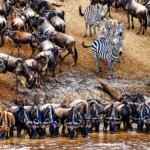
Great Migration in Maasai Mara
May 1, 2026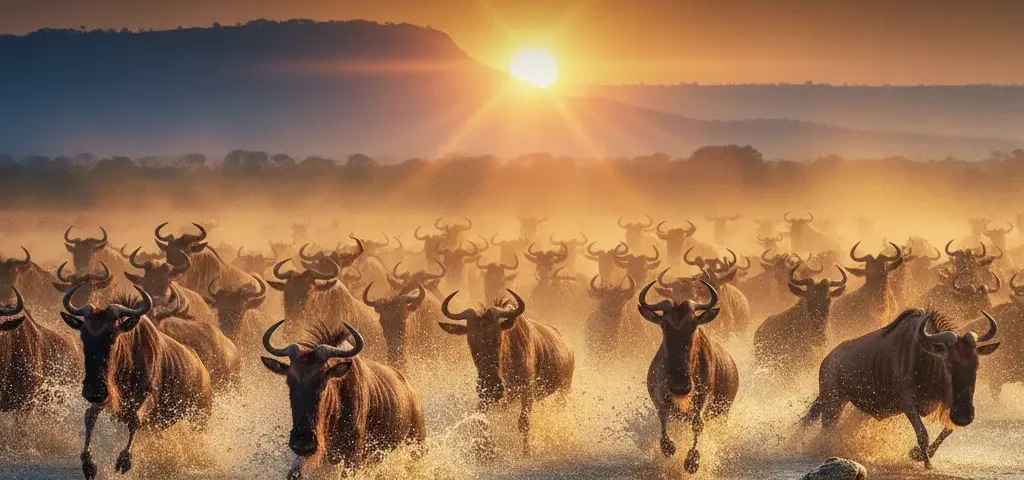
Mara River Crossings Guide
Mara River Crossings Guide: The Mara River crossing stands as one of Africa’s most thrilling wildlife events. Every year, millions of wildebeest, zebras, and gazelles move across the vast plains of East Africa in search of greener pastures. Yet, when these animals reach the Mara River, their journey becomes a true fight for survival. Strong currents, steep riverbanks, and lurking crocodiles create one of nature’s most dramatic scenes. For travelers, witnessing this moment offers more than a safari highlight. It delivers a deep connection to the raw power of the African wilderness.
This guide gives you everything you need to understand and experience the Mara River crossings with confidence. From the best travel seasons to prime viewing locations, every detail helps you prepare for an unforgettable adventure. Whether you plan your first African safari or seek to deepen your wildlife expertise, understanding the Mara River crossings can transform your journey. Beyond excitement, this natural spectacle also reveals the delicate balance of ecosystems, predator-prey relationships, and conservation efforts that shape East Africa’s tourism industry.
Africa offers many wildlife experiences, but few compare to the intensity, beauty, and emotional power of the Mara River crossings. This guide positions your safari journey beyond sightseeing. It invites you into one of the world’s greatest wildlife migrations while helping you travel with purpose, respect, and insight.
What Are the Mara River Crossings?
The Mara River crossings form one of the most famous chapters of the Great Migration. This migration involves over 1.5 million wildebeest, along with hundreds of thousands of zebras and gazelles, traveling in a continuous cycle between Tanzania’s Serengeti and Kenya’s Maasai Mara. Their movement follows seasonal rains and fresh grass. However, the Mara River creates one of the most dangerous barriers along this route.
When herds gather near the riverbanks, tension builds. Animals hesitate, cluster tightly, and often wait for hours or days before making the first leap. Then, in a sudden burst of instinct, thousands surge into the water. Chaos follows. Wildebeest push forward while crocodiles strike from below. Some animals drown in the current, while others climb slippery banks only to face predators waiting nearby.
This event matters because it reflects nature’s survival system in real time. Every crossing shapes predator populations, supports river ecosystems, and influences grassland health. Travelers who witness this scene gain more than photographs. They observe one of Earth’s oldest survival patterns.
Unlike a staged wildlife show, no two crossings feel the same. Weather, herd behavior, predator presence, and water levels all influence the experience. Therefore, every safari offers a unique encounter. Understanding these crossings helps travelers appreciate why the Mara River remains a crown jewel of African tourism.
Mara River Crossings Guide: Best Time to Witness the Mara River Crossings
Timing shapes your entire safari experience. While the Great Migration moves throughout the year, the Mara River crossings usually peak between July and October. During these months, herds travel from Tanzania’s Serengeti into Kenya’s Maasai Mara as they search for fresh grazing land.
July often marks the beginning of the crossing season. Early arrivals may witness smaller herds testing the riverbanks. August and September usually deliver the most dramatic crossings because massive groups gather and cross more frequently. October still offers excellent sightings, although many herds begin moving south again depending on rainfall patterns.
Rainfall plays a major role. Heavy rains can raise river levels and intensify crossings, while dry conditions may delay movement. Because wildlife follows nature rather than fixed schedules, flexibility improves your chances. Booking a longer safari stay often increases success.
Morning and late afternoon game drives usually provide the best opportunities. Animals often avoid midday heat, and safari guides use herd movement patterns to position guests near likely crossing points.
Planning around peak migration season also requires early reservations. Camps and lodges near crossing zones fill quickly because global demand remains high. Securing accommodations months in advance ensures better access to prime viewing areas.
For travelers seeking maximum drama, August remains the strongest choice. However, every month within migration season offers its own magic. Good planning turns a hopeful safari into a front row seat to one of the world’s greatest wildlife spectacles.
Mara River Crossings Guide: Top Locations for the Best Viewing Experience
Choosing the right location can define your Mara River crossing safari. Several crossing points along the Mara River provide exceptional viewing opportunities, but some areas consistently offer stronger wildlife action due to herd patterns and accessibility.
In Kenya’s Maasai Mara National Reserve, the Mara Triangle ranks among the best places to witness crossings. This region offers stunning river access, fewer crowds in certain zones, and excellent predator sightings. Key crossing points such as Lookout Hill and Serena Crossing often attract major herd activity.
In Tanzania’s northern Serengeti, crossings near Kogatende also deliver remarkable experiences. This area provides dramatic landscapes, wide river sections, and strong safari infrastructure. Many travelers choose Kogatende for its combination of luxury camps and strategic migration access.
Private conservancies surrounding the Maasai Mara can also improve your safari. These areas often limit vehicle numbers, creating more exclusive experiences. Fewer vehicles mean better photography angles and less environmental pressure.
Access matters too. Some lodges sit near active crossing zones, reducing travel time and allowing faster responses when guides track herd movement. Staying close to the river increases your chances of seeing spontaneous crossings.
Each location offers unique advantages, so your travel style matters. If you seek iconic views and large-scale drama, central Mara crossing points excel. If you prefer privacy and premium experiences, private conservancies may suit you better.
The right location blends timing, guide expertise, and accommodation strategy. Smart planning ensures you spend less time searching and more time immersed in Africa’s most unforgettable wildlife event.
Mara River Crossings Guide: Wildlife You Will Encounter Beyond the Crossings
Although wildebeest dominate the migration story, the Mara River ecosystem offers far more wildlife diversity. A safari focused on river crossings often becomes a complete African wildlife immersion.
Nile crocodiles rank among the river’s most feared predators. These massive reptiles wait patiently beneath the water’s surface, using stealth and explosive power during crossings. Their presence adds danger and suspense to every crossing.
Lions patrol nearby plains, especially where exhausted animals regroup after crossing. Lion prides often target vulnerable calves or injured adults. Similarly, hyenas and leopards seize opportunities created by migration chaos.
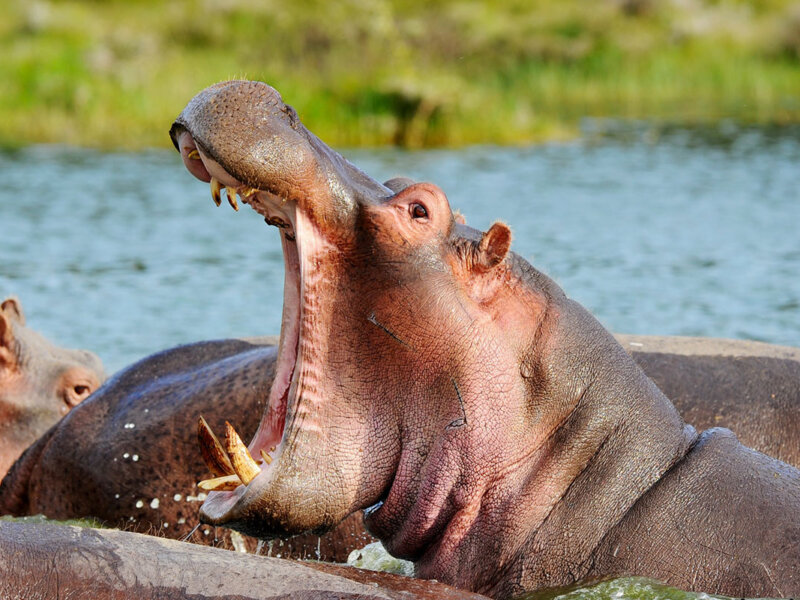
Hippos also command attention in the Mara River. While they rarely hunt migration animals, their territorial behavior creates additional river hazards. Their sheer size and aggression impress many visitors.
Birdlife adds another dimension. Fish eagles soar overhead, vultures circle crossing zones, and colorful kingfishers brighten riverbanks. These species enrich the ecosystem and provide excellent birdwatching opportunities.
Elephants, giraffes, buffaloes, and antelope also roam nearby reserves. Therefore, even when crossings pause, game drives remain highly rewarding.
This biodiversity strengthens the Mara’s global reputation. Travelers do not simply chase one event. Instead, they enter a thriving ecosystem filled with predators, herbivores, scavengers, and birdlife.
Understanding this broader wildlife picture enhances safari value. It shifts the focus from a single dramatic crossing to a deeper appreciation of East Africa’s ecological richness. That wider perspective strengthens both traveler experience and conservation awareness.
Mara River Crossings Guide: Safari Tips for an Unforgettable Mara River Crossing Adventure
A successful Mara River crossing safari requires preparation, patience, and expert guidance. First, choose a trusted safari operator with deep local knowledge. Experienced guides understand migration behavior, river crossing hotspots, and changing weather conditions.
Pack wisely. Neutral colored clothing helps you blend into the environment, while binoculars improve distant viewing. A quality camera with zoom capabilities captures action, but extra batteries and memory cards matter just as much.
Patience remains essential. Crossings can happen suddenly after hours of waiting. Some travelers witness dramatic action within minutes, while others spend long periods observing herd behavior before the first leap. Embracing the full experience often leads to greater rewards.
Respect wildlife at all times. Ethical tourism protects animal behavior and preserves ecosystem balance. Avoid operators who pressure animals or overcrowd crossing points.
Travel insurance also adds peace of mind, especially during peak safari seasons. Additionally, confirm health requirements, including vaccinations and malaria precautions.
Booking accommodations near active migration zones reduces missed opportunities. Mobile camps that follow migration patterns often provide excellent strategic advantages.
Finally, keep realistic expectations. Nature follows its own rhythm. Even without a dramatic crossing, the Mara ecosystem offers world class wildlife encounters daily.
The best safari combines preparation with flexibility. By approaching the Mara River crossings with knowledge and respect, travelers gain more than adventure. They gain authentic insight into one of Africa’s greatest natural wonders.
Conservation and Responsible Tourism in the Mara Ecosystem
The Mara River crossings attract global attention, but this natural wonder depends on strong conservation efforts. Protecting migration routes, wildlife populations, and local communities ensures future generations can experience this extraordinary phenomenon.
Habitat loss, climate change, and human wildlife conflict create serious challenges. Expanding agriculture and infrastructure can disrupt migration corridors, threatening the survival cycle of millions of animals.
Responsible tourism plays a powerful role in protection. Choosing eco conscious lodges, supporting conservancies, and respecting park regulations directly benefits conservation programs. Many safari operators, including Giant Holiday Safaris, invest in anti-poaching initiatives, habitat restoration, and community development.
Local communities, especially Maasai groups, remain vital conservation partners. Their cultural heritage and land stewardship help preserve critical ecosystems. Tourism that supports local employment and education strengthens these partnerships.
Travelers also shape sustainability through choices. Avoid littering, reduce plastic use, and follow guide instructions carefully. Every ethical decision supports long-term ecosystem health.
Conservation transforms tourism from simple observation into meaningful participation. Visitors become allies in protecting Africa’s wildlife legacy.
The Mara River crossings represent more than dramatic survival. They symbolize the urgent need to balance tourism growth with environmental protection. By traveling responsibly and with the guidance of Giant Holiday Safaris visitors help secure one of Earth’s greatest wildlife spectacles while reinforcing Africa’s leadership in sustainable tourism.
Final Thoughts
The Mara River crossings deliver one of the most powerful wildlife experiences on Earth. This event combines danger, beauty, instinct, and ecological significance in ways few natural spectacles can match. For travelers, it offers not only unforgettable memories but also a deeper understanding of Africa’s wilderness.
Planning wisely, choosing expert guides, and embracing responsible tourism elevate the journey from ordinary safari to life changing adventure. Every crossing tells a story of survival, resilience, and natural balance. With Giant Holiday Safaris, visitors gain expert guidance and tailored itineraries that ensure safe, sustainable, and rewarding encounters.
Africa’s tourism strength lies in authentic experiences, and the Mara River crossings stand among its finest treasures. By understanding this phenomenon fully, travelers position themselves to explore East Africa with confidence, respect, and wonder while Giant Holiday Safaris makes the journey seamless and memorable.
Combined Uganda, Kenya, Rwanda and Tanzania Safaris
17 days Kenya Tanzania and Uganda safari
19 Days Uganda Kenya and Tanzania Safari
16 Days Kenya Tanzania and Uganda Safari
14 Days Kenya Uganda and Tanzania Safari
14 Days Kenya Uganda and Rwanda Safari