Bwindi gorilla trekking tours from Kigali
May 7, 2026
Kenya Rift Valley Destinations
May 7, 2026
Hidden Gems in Kenya
Hidden Gems in Kenya: Many travelers visit Kenya for famous safari destinations such as the Maasai Mara National Reserve and Amboseli National Park. These parks attract global attention because of their rich wildlife, dramatic landscapes, and luxury safari experiences. However, beyond these popular locations, Kenya hides many untouched safari treasures that offer authentic adventures, peaceful environments, and deeper cultural connections. These hidden safari gems create unforgettable experiences for travelers who want more than crowded game drives and busy lodges.
Kenya’s lesser-known destinations provide rare opportunities to explore nature in its purest form. Travelers enjoy quiet savannahs, remote forests, hidden lakes, and private conservancies filled with wildlife. These destinations also support sustainable tourism because local communities actively protect wildlife and preserve natural habitats. As a result, visitors experience responsible tourism while directly supporting conservation efforts.
Modern travelers now seek meaningful and personalized adventures. They want to connect with nature, learn about local traditions, and escape overcrowded tourist circuits. Hidden safari gems in Kenya meet these expectations perfectly. From rare animal sightings to intimate cultural experiences, these locations reveal the true beauty of African travel.
This guide explores Kenya’s hidden safari gems that deserve global attention. Each destination offers unique landscapes, incredible wildlife encounters, and authentic African experiences that strengthen Kenya’s reputation as one of Africa’s finest safari destinations.
Hidden Gems in Kenya: Why Hidden Safari Destinations Matter in Kenya
Hidden safari destinations play a major role in shaping the future of tourism in Kenya. While famous parks continue attracting millions of visitors, lesser known areas help reduce pressure on overcrowded ecosystems. These hidden destinations spread tourism benefits across different regions and support smaller local communities that depend on tourism income.
Travelers often search for peaceful experiences away from noisy tourist crowds. Hidden safari gems deliver this experience naturally. Visitors enjoy quiet game drives, private wildlife encounters, and untouched landscapes that feel exclusive and authentic. Many travelers now value quality experiences more than crowded sightseeing. Therefore, these remote destinations continue gaining popularity among international tourists.
Additionally, hidden safari areas support wildlife conservation in remarkable ways. Local conservancies and community owned reserves protect endangered animals while creating employment opportunities for nearby communities. Tourism revenue funds anti-poaching programs, conservation education, and habitat restoration projects. This approach strengthens both environmental sustainability and community development.
Hidden safari gems also create opportunities for cultural immersion. Visitors interact closely with indigenous communities such as the Maasai, Samburu, and Turkana people. These interactions allow travelers to learn traditional lifestyles, local history, and conservation practices that have protected wildlife for generations.
Furthermore, hidden destinations showcase Kenya’s incredible diversity. Kenya offers much more than open grasslands and the Great Migration. Travelers discover volcanic landscapes, dense forests, mountain ecosystems, desert beauty, and freshwater lakes filled with birdlife. These unique environments reveal the richness of Kenya’s tourism industry and position the country as a world class safari destination beyond mainstream tourism.
Hidden Gems in Kenya: Samburu National Reserve,Kenya’s Untamed Northern Wilderness
Samburu National Reserve stands among Kenya’s most fascinating hidden safari gems. Located in the northern region of the country, this reserve offers a completely different safari experience compared to southern parks. The dry landscape, dramatic hills, and winding Ewaso Ng’iro River create breathtaking scenery that feels raw and untouched.
One of Samburu’s greatest attractions involves its rare wildlife species. Travelers often call them the “Samburu Special Five.” These animals include the Grevy’s zebra, reticulated giraffe, Somali ostrich, gerenuk, and Beisa oryx. Visitors rarely encounter these species in other parts of Kenya. Therefore, Samburu attracts wildlife enthusiasts seeking unique photographic opportunities and uncommon safari experiences.
The reserve also hosts large elephant herds, lions, leopards, and crocodiles along the riverbanks. Early morning and evening game drives provide excellent wildlife sightings because animals gather around water sources during the hot northern climate. Unlike crowded safari destinations, Samburu offers peaceful game drives with fewer vehicles and uninterrupted wildlife encounters.
Cultural tourism adds another powerful dimension to the experience. The Samburu people maintain strong traditional lifestyles and proudly preserve their cultural heritage. Visitors explore local villages, learn traditional dances, and understand the community’s close relationship with wildlife conservation. These authentic cultural interactions create memorable experiences that extend beyond wildlife viewing.
Luxury camps and eco-lodges within the reserve combine comfort with sustainability. Many accommodations support local conservation projects and community programs. As a result, tourism directly benefits both wildlife and local residents. Samburu National Reserve perfectly represents the future of responsible African tourism while delivering extraordinary safari adventures.
Meru National Park: The Untouched Beauty of Eastern Kenya
Meru National Park remains one of Kenya’s most underrated safari destinations despite its remarkable beauty and historical importance. This hidden gem gained fame through the story of conservationists George and Joy Adamson, who raised Elsa the lioness from the famous book and film Born Free. Today, the park continues protecting wildlife while offering peaceful safari experiences far from mass tourism.
Meru National Park features diverse ecosystems that create rich biodiversity. The landscape includes rivers, swamps, grasslands, forests, and volcanic soil plains. This environmental diversity supports large populations of elephants, buffaloes, lions, cheetahs, and black rhinos. Birdwatchers also enjoy exceptional birdlife because the park hosts hundreds of bird species throughout the year.
One major advantage of visiting Meru involves the sense of exclusivity. Travelers often spend hours exploring the park without encountering other safari vehicles. This quiet atmosphere allows visitors to connect deeply with nature and fully appreciate the beauty of the African wilderness. Photographers especially value these uninterrupted moments during wildlife observation.
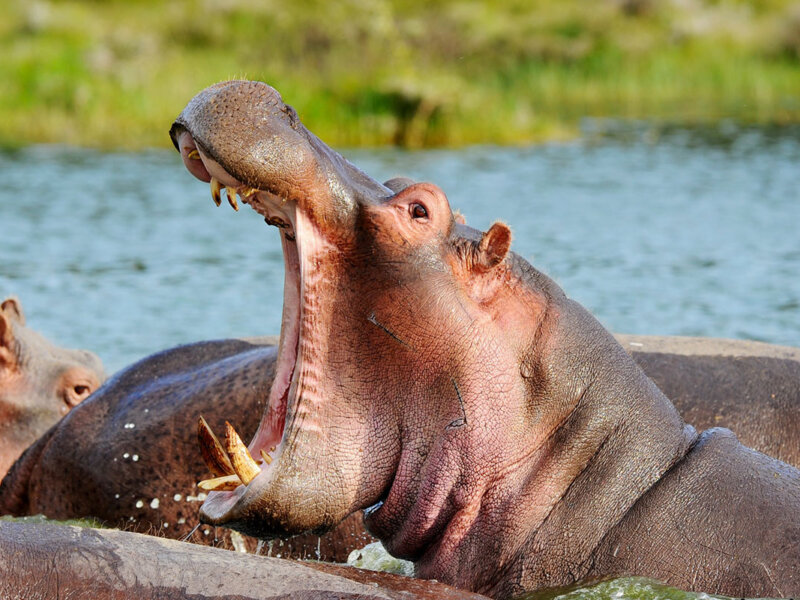
The park’s rivers attract animals throughout the day, creating excellent opportunities for game viewing. Visitors often witness elephants bathing, hippos resting in river pools, and predators stalking prey near watering points. These scenes create dramatic safari memories that rival experiences in Kenya’s more famous parks.
Meru also promotes sustainable tourism practices. Conservation organizations work closely with park authorities and nearby communities to protect endangered wildlife and preserve ecosystems. Tourism revenue supports these efforts while improving local livelihoods through employment and community development programs.
For travelers seeking authentic African wilderness without tourist crowds, Meru National Park offers one of Kenya’s most rewarding hidden safari experiences.
Hidden Gems in Kenya: Laikipia Conservancies,Luxury, Conservation, and Exclusive Safaris
The Laikipia Plateau has transformed into one of Africa’s leading conservation success stories. Unlike traditional national parks, Laikipia consists mainly of private and community conservancies that combine luxury tourism with wildlife protection and community empowerment. This region offers travelers highly personalized safari experiences within vast protected landscapes.
Laikipia supports some of Kenya’s most endangered wildlife species, including black rhinos, African wild dogs, and Grevy’s zebras. Conservation programs within the region actively protect these animals through anti-poaching initiatives, habitat management, and scientific research. Visitors directly contribute to these efforts through conservation fees and eco-tourism activities.
The safari experience in Laikipia feels intimate and exclusive. Many conservancies limit visitor numbers, allowing travelers to enjoy private game drives and personalized service. Guides often provide detailed wildlife education, making each safari both exciting and informative. Guests also participate in activities beyond traditional game drives, including horseback safaris, camel trekking, bush walks, and night safaris.
Luxury lodges in Laikipia set global standards for eco tourism. These accommodations blend comfort with environmental responsibility by using solar energy, water conservation systems, and locally sourced materials. Additionally, many lodges partner with local communities by supporting schools, healthcare projects, and job creation programs.
The region’s landscapes vary from rolling hills and acacia woodlands to dramatic escarpments and river valleys. These changing environments create stunning scenery and support diverse wildlife populations. Travelers enjoy spectacular sunsets, peaceful surroundings, and close encounters with animals in their natural habitats.
Laikipia demonstrates how tourism, conservation, and community development can work together successfully. This hidden safari gem continues attracting responsible travelers who value authentic experiences, sustainability, and meaningful connections with Africa’s wilderness.
Hidden Gems in Kenya: Chyulu Hills National Park,The Green Hills of Africa
Chyulu Hills National Park offers one of Kenya’s most scenic and peaceful safari experiences. Rolling green hills, volcanic landscapes, and stunning views of Mount Kilimanjaro create a magical atmosphere that feels different from traditional safari destinations. Many travelers overlook this hidden gem, yet it delivers exceptional beauty and tranquility.
The hills stretch across southeastern Kenya and contain lush vegetation fed by underground volcanic water systems. These landscapes support elephants, buffaloes, leopards, bushbucks, and various bird species. Wildlife moves freely between Chyulu Hills and nearby protected areas, creating healthy migration corridors essential for conservation.
One unique feature of Chyulu Hills involves its volcanic caves and lava tubes. These geological formations add adventure and scientific interest to the safari experience. Travelers explore ancient lava flows while enjoying panoramic views of the surrounding wilderness. The area’s natural beauty inspired famous writer Ernest Hemingway, who described the region as the “Green Hills of Africa.”
Chyulu Hills also supports important conservation initiatives led by local communities and private organizations. These projects focus on wildlife protection, habitat preservation, and sustainable tourism development. Community involvement strengthens conservation efforts while ensuring local residents benefit directly from tourism activities.
Visitors often enjoy horseback riding safaris, guided nature walks, and cultural experiences with nearby Maasai communities. These activities provide deeper connections to the environment and local traditions. Unlike crowded parks, Chyulu Hills offers peaceful exploration where travelers fully appreciate the sounds and rhythms of nature.
This hidden safari gem combines natural beauty, adventure, and conservation in one extraordinary destination. Chyulu Hills remains perfect for travelers seeking serenity, authenticity, and unforgettable African landscapes.
Ruma National Park: Kenya’s Last Refuge for Rare Wildlife
Hidden Gems in Kenya: Ruma National Park remains one of Kenya’s least visited national parks, yet it protects some of the country’s rarest wildlife species. Located near the shores of Lake Victoria, this hidden gem offers unique safari experiences within a peaceful and uncrowded environment.
Ruma National Park serves as Kenya’s last remaining sanctuary for the endangered roan antelope. This rare species once disappeared from many parts of Africa due to habitat loss and poaching. Conservation efforts within the park continue protecting these beautiful animals while restoring healthy ecosystems. The park also supports oribis, leopards, hyenas, giraffes, and numerous bird species.
Birdwatchers especially value Ruma because of its rich avian diversity. Migratory birds travel through the region seasonally, creating exciting opportunities for wildlife photography and bird observation. Wetlands and grasslands within the park attract many unique species rarely seen elsewhere in Kenya.
The park’s remote location creates a sense of adventure and exclusivity. Visitors often explore vast plains without encountering crowds or traffic. This peaceful atmosphere enhances wildlife viewing and allows travelers to experience Kenya’s wilderness in its purest form.
Local communities surrounding Ruma National Park actively support conservation and tourism development. Cultural visits introduce travelers to the traditions and lifestyles of western Kenya’s communities. These interactions strengthen cultural understanding while supporting local economies.
Ruma National Park represents an important part of Kenya’s conservation future. Although it remains less famous than other safari destinations, its ecological importance and authentic safari experiences make it one of Kenya’s most valuable hidden gems.
Community Conservancies and Sustainable Tourism in Kenya
Community conservancies continue reshaping tourism across Kenya. They allow local communities to manage wildlife areas while benefiting directly from tourism revenue. Giant Holiday Safaris partners with these conservancies, ensuring travelers experience authentic safaris that also support local livelihoods.
Many hidden safari gems operate through community-led systems where locals protect wildlife and earn income from guiding, cultural experiences, and eco lodges. With Giant Holiday Safaris, guests engage with these communities, creating meaningful connections and supporting conservation.
Sustainable tourism encourages responsible travel practices. Eco-lodges use renewable energy, recycling, and water conservation. Giant Holiday Safaris promotes such ecofriendly stays, appealing to travelers who value sustainability.
Community conservancies also preserve cultural heritage and traditional knowledge. Giant Holiday Safaris integrates these experiences into safaris, allowing visitors to learn while respecting local traditions.
Wildlife corridors, anti-poaching patrols, and education programs strengthen conservation. By traveling with Giant Holiday Safaris, guests contribute to these efforts and help protect endangered species.
Kenya’s success in community based tourism proves that tourism can support both people and nature. Giant Holiday Safaris plays a key role in this model, offering safaris that combine conservation, culture, and unforgettable adventure.
Conclusion
Hidden safari gems in Kenya reveal a side of Africa that many travelers never experience. Beyond famous parks and crowded routes, these destinations offer authenticity, tranquility, and deeper connections with nature. Giant Holiday Safaris designs tailored itineraries to help travelers uncover these untouched landscapes and rare wildlife.
Places like Samburu, Meru, Chyulu Hills, and Ruma showcase Kenya’s diversity. Each destination blends wildlife, culture, and sustainability. With Giant Holiday Safaris, guests enjoy guided experiences that highlight conservation and community empowerment.
Modern travelers seek meaningful adventures beyond routine sightseeing. Kenya’s lesser known safari spots meet this demand with exclusivity and authentic hospitality. Giant Holiday Safaris ensures every journey is responsible and memorable.
As tourism evolves, hidden gems will shape Africa’s future. By choosing Giant Holiday Safaris, travelers connect with Kenya’s natural beauty while supporting conservation and sustainable tourism.