
Mount Kilimanjaro Height – Summiting the Best of The Seven Summits!
April 26, 2026
Kenya Safari for Wildlife Lovers
April 27, 2026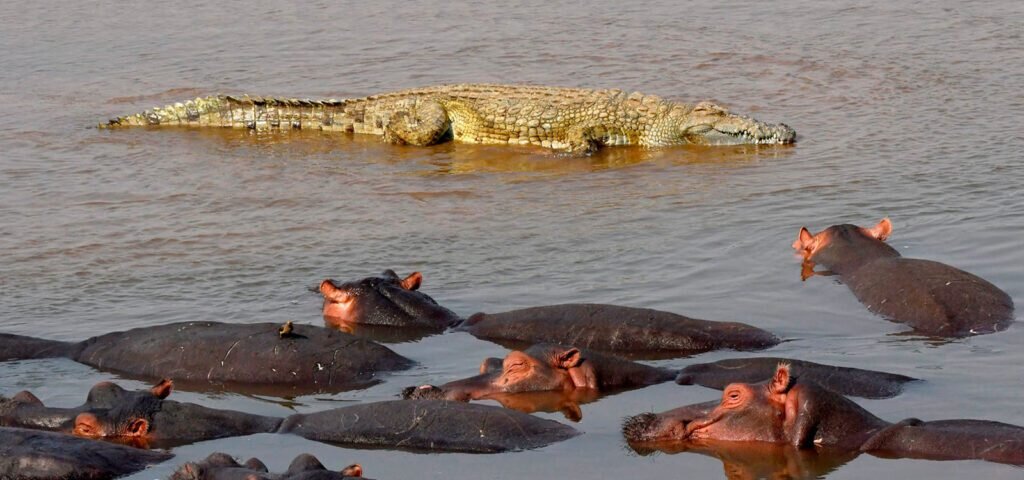
Hippo and Crocodile Viewing in Kenya
Hippo and crocodile viewing in Kenya offers one of the most powerful and unforgettable wildlife experiences in Africa. From the moment you arrive near a river or lake, you feel the intensity of these environments. Water becomes the center of life, and every movement tells a story of survival, dominance, and balance. Unlike open savannah game drives, this experience brings you closer to raw nature where danger and beauty exist side by side.
Moreover, hippos and crocodiles reveal a different side of Kenya’s wildlife. While many travelers focus on big cats, these water giants command equal respect. Hippos show strength and territorial behavior, while crocodiles display patience and precision. As a result, every sighting feels dramatic and meaningful.
Kenya stands out as a top destination for this experience because of its rich network of rivers, lakes, and wetlands. These habitats support large populations of both species. In addition, skilled guides and well-managed parks improve safety and viewing quality.
In this guide, I explain where to see hippos and crocodiles, how they behave, when to visit, and how to plan your safari. By the end, you will feel confident and ready to explore Kenya’s waterways with purpose and excitement.
Hippo and Crocodile Viewing in Kenya: Understanding Hippos and Crocodiles in the Wild
Hippos and crocodiles dominate Kenya’s freshwater ecosystems, yet they behave in very different ways. Understanding these differences helps you appreciate each encounter more deeply.
First, hippos spend most of their day in water to stay cool. They gather in groups, often called pods, and remain partially submerged. However, they become more active at night when they leave the water to graze. Because of this pattern, daytime viewing focuses on social interaction rather than movement.
In contrast, crocodiles remain still for long periods. They rely on patience and camouflage to hunt. You may see them resting along riverbanks or floating just below the surface. Although they appear calm, they react quickly when prey approaches.
In addition, both species play key roles in the ecosystem. Hippos shape vegetation through grazing, while crocodiles control prey populations. Therefore, their presence supports balance within the environment.
By understanding their behavior, you turn simple sightings into meaningful experiences. As a result, your safari becomes both educational and exciting.
Best Locations for Hippo and Crocodile Viewing in Kenya
Kenya offers several prime locations for viewing hippos and crocodiles, and each destination provides a unique setting. Therefore, choosing the right place improves your overall experience.
The Maasai Mara stands out as one of the top locations. Its rivers attract large numbers of hippos and crocodiles, especially during migration seasons. Because of this, you may witness dramatic interactions near river crossings.
Lake Naivasha offers a different experience. This freshwater lake supports a large hippo population, and boat safaris bring you closer to the action. As a result, sightings feel more immersive and personal.
Lake Baringo and Lake Turkana also provide strong opportunities. These areas support both species and offer quieter, less crowded environments. Therefore, your experience feels more exclusive.
In western Kenya, river systems and wetlands create ideal habitats. These regions attract both hippos and crocodiles, especially during dry seasons.
By visiting multiple locations, you increase your chances of diverse and consistent sightings.
Hippo and Crocodile Viewing in Kenya: Behavior of Hippos, Power and Territory
Hippos display strong and fascinating behavior, especially when it comes to territory. Although they appear calm, they rank among the most dangerous animals in Africa. Because of this, observing them requires both respect and awareness.
First, hippos spend most of their time in water during the day. They stay close together, often touching or resting side by side. This social structure helps them maintain safety and group stability.
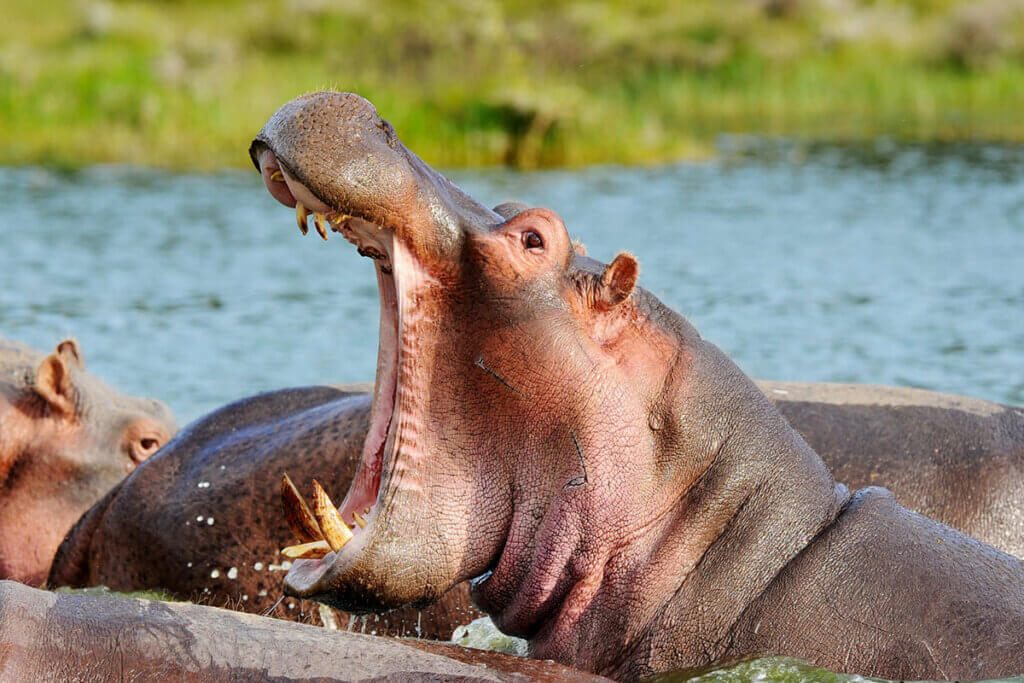
However, males defend their territory aggressively. They open their massive jaws, make loud calls, and chase intruders. As a result, you may witness intense displays of dominance, especially in crowded areas.
At night, hippos leave the water to graze on grass. They can travel several kilometers in search of food. Because of this movement, they play an important role in shaping the landscape.
In addition, hippos communicate through sounds and body language. These signals help maintain order within the group.
By understanding their behavior, you gain a deeper appreciation for their role and power in the wild.
Behavior of Crocodiles: Patience and Precision
Crocodiles rely on patience, strategy, and timing to survive. Unlike active hunters, they wait for the perfect moment to strike. Because of this, their behavior feels quiet yet intense.
First, crocodiles spend long hours resting near water. They position themselves where prey animals come to drink. As a result, they conserve energy while increasing their chances of success.
In addition, crocodiles use stealth. They remain almost invisible in the water, with only their eyes and nostrils above the surface. This positioning allows them to observe without being detected.
When the moment arrives, they act with speed and force. A sudden strike can pull prey into the water within seconds. Because of this efficiency, crocodiles rank among the most effective predators.
They also show strong survival instincts. During dry periods, they may move between water sources to find better conditions.
By observing crocodiles, you witness a different style of hunting one that depends on patience rather than speed.
Hippo and Crocodile Viewing in Kenya: Best Time
Timing plays a key role in successful wildlife viewing. Therefore, planning your visit carefully improves your chances of strong sightings.
The dry seasons, from June to October and January to February, offer the best conditions. During this time, water levels drop, and animals gather in smaller areas. As a result, hippos and crocodiles become easier to spot.
In addition, prey animals visit water sources more often during dry months. This movement increases crocodile activity and creates more dynamic scenes.
However, the green season also offers benefits. From November to May, landscapes become lush and vibrant. Although water spreads out, hippos remain visible due to their size. Furthermore, fewer tourists create a more relaxed experience.
Daily timing also matters. Early mornings and late afternoons provide the best light and activity. Therefore, I recommend scheduling viewing sessions during these hours.
By choosing the right time, you enhance both visibility and overall experience.
Planning a Safari for Water Wildlife Viewing
Planning a safari focused on hippos and crocodiles requires a clear strategy. Because these animals depend on water, your itinerary should focus on key habitats.
First, choose destinations with strong river or lake systems. Areas with permanent water sources offer better chances of sightings. In addition, combining multiple locations increases variety.
Next, select a knowledgeable safari operator. Experienced guides understand animal behavior and know the best viewing points. As a result, your experience becomes more efficient and rewarding.
Also, consider adding boat safaris where available. These trips provide closer views and unique perspectives. However, safety remains a priority, so always follow guide instructions.
Stay for several days in each location to allow for better observation. Wildlife movement changes daily, so patience improves your results.
With proper planning, you create a safari that feels both focused and unforgettable.
Hippo and Crocodile Viewing in Kenya: Safety Tips
Safety plays a crucial role when observing hippos and crocodiles. Because both animals can be dangerous, awareness and caution remain essential.
First, always follow your guide’s instructions. Guides understand animal behavior and know how to maintain safe distances. Therefore, their guidance protects both you and the wildlife.
Avoid getting too close to the water’s edge. Crocodiles can strike quickly, and hippos may charge if they feel threatened. Because of this, staying alert reduces risk.
In addition, remain quiet and calm during sightings. Sudden movements or loud noises may disturb animals and create unpredictable reactions.
If you join a boat safari, wear safety gear and stay seated. These precautions ensure a secure and enjoyable experience.
By respecting wildlife and following safety rules, you enjoy close encounters without unnecessary risk.
Conservation and Importance of Aquatic Ecosystems
Hippos and crocodiles depend on healthy aquatic ecosystems. Therefore, conservation efforts focus on protecting rivers, lakes, and wetlands.
First, protected areas help maintain natural habitats. These regions limit human activity and preserve water sources. As a result, wildlife populations remain stable.
In addition, conservation programs monitor animal numbers and behavior. This data supports better management and long term protection.
Local communities also benefit from tourism. Revenue supports jobs and development projects. Because of this, communities play an active role in conservation.
Furthermore, protecting water ecosystems supports many other species. Birds, fish, and mammals all depend on these habitats.
As a traveler, you contribute by choosing responsible operators. Every decision supports conservation and helps protect these environments.
Hippo and Crocodile Viewing in Kenya: What to Expect During the Experience
A hippo and crocodile viewing safari offers a mix of calm observation and sudden action. Because of this contrast, every moment feels engaging.
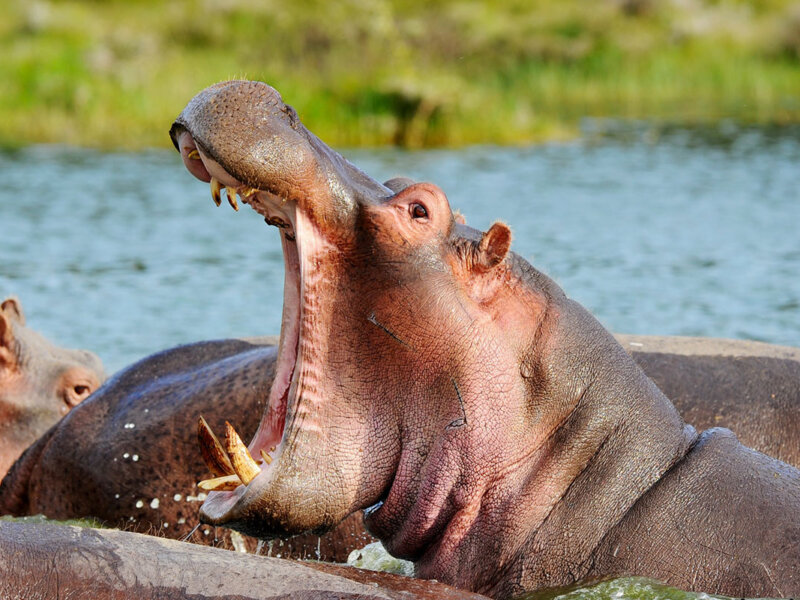
First, you will see hippos resting in groups, often with only their heads visible. Occasionally, they interact, yawn, or move through the water. These moments reveal their social nature.
In addition, you may spot crocodiles along riverbanks or floating silently. Although they remain still, their presence adds tension to the scene.
At times, action unfolds quickly. A crocodile may strike, or a hippo may display dominance. Because of this unpredictability, every sighting feels exciting.
You will also enjoy scenic views of rivers and lakes, which add beauty to the experience.
By staying attentive, you capture both quiet and dramatic moments.
Why Water Wildlife Viewing Enhances Your Safari
Water based wildlife viewing adds depth and variety to your safari. Unlike open plains, these environments offer a different perspective on nature. Giant Holiday Safaris curates these experiences with expert guides who highlight the unique dynamics of Kenya’s rivers and lakes, ensuring every moment feels authentic and impactful.
First, they reveal unique behavior. You observe animals interacting with water and each other in ways not seen elsewhere. With Giant Holiday Safaris, seasoned guides interpret these behaviors, turning each sighting into an educational and memorable encounter.
In addition, they create dramatic scenes. Predator prey interactions near water often feel intense and memorable. Giant Holiday Safaris ensures you witness these moments safely and responsibly, balancing thrilling encounters with conservation focused practices.
Moreover, these areas attract diverse wildlife. Birds, fish, and mammals all gather around water sources. As a result, your experience becomes richer. Through carefully designed itineraries, Giant Holiday Safaris provides access to prime viewing spots where biodiversity flourishes, enhancing the richness of your safari.
Final Thoughts
Hippo and crocodile viewing in Kenya delivers a powerful and immersive wildlife experience. It reveals the strength, strategy, and balance of life around water. Giant Holiday Safaris elevates this adventure by designing tailored itineraries that bring travelers close to these iconic species while ensuring safety, comfort, and expert guidance throughout the journey.
Kenya offers ideal conditions with its rich ecosystems and strong conservation efforts. By planning carefully, you can enjoy safe and meaningful encounters. With Giant Holiday Safaris, every detail is managed by seasoned guides who partner with reputable conservancies, guaranteeing authentic sightings and responsible exploration of Kenya’s waterways.
Moreover, responsible travel ensures that these habitats remain protected. By supporting conservation, you help preserve wildlife for future generations. Giant Holiday Safaris is deeply committed to sustainability, actively supporting conservation initiatives and community projects that safeguard aquatic ecosystems and the species that depend on them.
In the end, this experience adds a new dimension to your safari. It connects you with nature in a deeper way and leaves you with lasting memories of Africa’s wild beauty. Choosing Giant Holiday Safaris ensures those memories are enriched by ethical practices, personalized service, and unforgettable encounters making your hippo and crocodile safari both impactful and extraordinary.
Combined Uganda, Kenya, Rwanda and Tanzania Safaris
17 days Kenya Tanzania and Uganda safari
19 Days Uganda Kenya and Tanzania Safari
16 Days Kenya Tanzania and Uganda Safari
14 Days Kenya Uganda and Tanzania Safari
14 Days Kenya Uganda and Rwanda Safari