Cheetah Tracking in Kenya Safaris
April 25, 2026
Uganda gorilla trekking hiking distance
April 25, 2026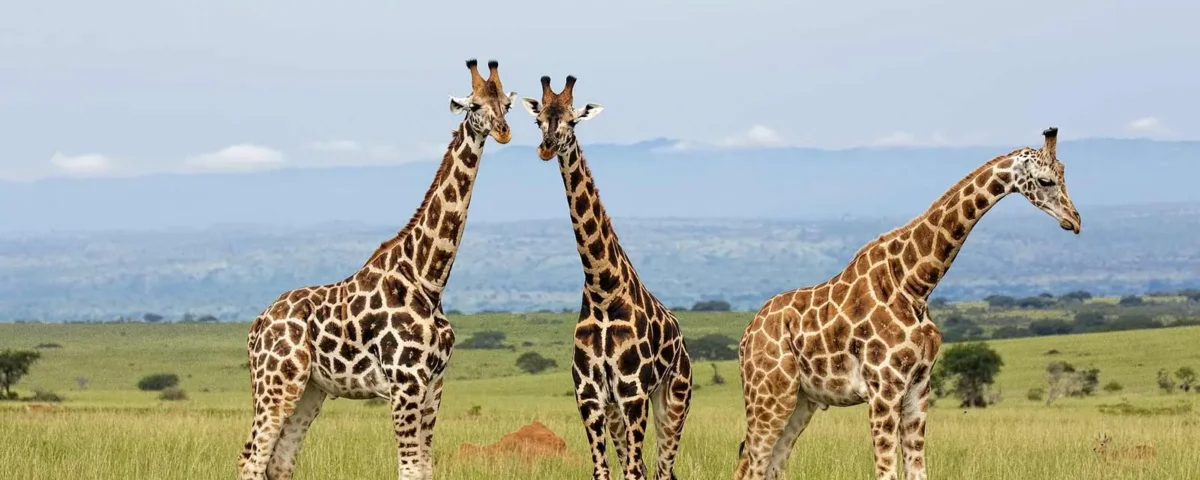
Giraffe Species in Kenya
“Giraffe Species in Kenya ” Kenya offers one of the most rewarding safari experiences in Africa, and giraffes add a special charm to every journey. From the moment you enter the savannah, these tall and graceful animals capture your attention. Their slow movements, long necks, and unique patterns create a calm yet powerful presence in the wild. As a result, many travelers remember giraffe encounters as some of the most peaceful moments on safari.
Moreover, giraffes do more than decorate the landscape. They play a vital role in maintaining the ecosystem. By feeding on tree leaves, they shape vegetation and support balance within their environment. Therefore, understanding giraffes helps you appreciate the deeper connections in nature.
Kenya stands out as one of the best places to see multiple giraffe species. The country supports diverse habitats, from open plains to dry northern regions. Because of this variety, you can encounter different types of giraffes in one safari itinerary. In addition, strong conservation efforts protect these animals and their habitats.
In this guide, I explain the giraffe species found in Kenya, where to see them, and how to plan your safari. By the end, you will feel ready to explore Kenya with confidence and gain a deeper understanding of these iconic animals.
Overview of Giraffe Species in Kenya
Kenya hosts three main giraffe species, and each one shows unique features and adaptations. Because of this diversity, your safari becomes more interesting and educational.
First, the Maasai giraffe appears in southern Kenya. It shows irregular, jagged spots that look like torn leaves. These bold patterns make it easy to recognize in open grasslands. In addition, this species often moves in larger groups, which increases your chances of sightings.
Next, the Reticulated giraffe lives in northern Kenya. It displays a striking pattern of clean, geometric shapes separated by bright white lines. As a result, it stands out clearly against the dry landscape. This species prefers arid and semi-arid regions, where it feeds on hardy vegetation.
Finally, the Rothschild’s giraffe appears in western and central Kenya. It shows lighter patches with less defined edges. Unlike the others, it lacks markings on the lower legs. Because of conservation efforts, this species now thrives in protected areas.
Together, these species highlight Kenya’s rich biodiversity. Therefore, learning to identify them adds depth and excitement to your safari experience.
Giraffe Species in Kenya: Key Differences Between the Giraffe Species
Understanding the differences between giraffe species helps you identify them quickly in the wild. In addition, it enhances your safari knowledge and overall experience.
First, coat patterns provide the easiest way to tell them apart. The Maasai giraffe shows irregular and jagged spots, while the Reticulated giraffe displays neat, polygon shaped patches. In contrast, the Rothschild’s giraffe has softer edges and lighter coloration. Because of these differences, you can identify species even from a distance.
Next, habitat plays an important role. Maasai giraffes prefer open savannahs, while Reticulated giraffes adapt to dry northern regions. On the other hand, Rothschild’s giraffes live in more protected and greener areas. Therefore, location often gives you a clue about which species you see.
In addition, physical features help with identification. Rothschild’s giraffes lack markings on their lower legs, which creates a “white sock” appearance. Meanwhile, Maasai and Reticulated giraffes show patterns extending down their legs.
By observing these details, you turn simple sightings into meaningful experiences. As a result, your safari becomes more interactive and educational.
Best Places to See Giraffes in Kenya
Kenya offers several excellent locations to see giraffes, and each area provides a unique setting. Therefore, choosing the right destination improves your chances of seeing different species.
The Maasai Mara stands out as a top location for Maasai giraffes. Its open plains allow clear views, and giraffes often move in groups. As a result, sightings feel frequent and rewarding.
Samburu National Reserve provides one of the best places to see Reticulated giraffes. The dry landscape and acacia trees create a perfect habitat. In addition, the contrast between the giraffe’s coat and the terrain makes photography easier.
Lake Nakuru National Park and nearby conservancies support Rothschild’s giraffes. Because of strong conservation programs, these areas protect and grow their population. As a result, sightings become more reliable.
Laikipia also offers excellent opportunities. Private conservancies in this region provide fewer crowds and better access to wildlife. Therefore, your experience feels more personal and exclusive.
By combining these destinations, you increase your chances of seeing all three species in one safari.
Giraffe Species in Kenya: Giraffe Behavior and Social Structure
Giraffes display calm yet fascinating behavior in the wild. Although they appear relaxed, they follow clear patterns that shape their daily lives. Because of this, observing their behavior adds depth to your safari experience.
First, giraffes spend most of their time feeding. They use their long necks to reach leaves high in trees, especially acacia species. As a result, they access food that other animals cannot reach.
In addition, giraffes move in loose groups called towers. These groups often change as individuals come and go. Therefore, their social structure feels flexible and dynamic.
Male giraffes sometimes engage in “necking,” where they swing their necks to establish dominance. This behavior may look slow at first; however, it shows strength and competition. On the other hand, females focus on caring for their young and maintaining group safety.
Giraffes also rely on height for survival. They spot predators from a distance and react quickly. Because of this advantage, they avoid many threats.
By understanding these behaviors, you gain a richer and more meaningful safari experience.
Best Time to See Giraffes on Safari
Giraffes live in Kenya year round, so you can see them in any season. However, timing still affects the quality of your experience. Therefore, planning your visit carefully improves your sightings.
The dry seasons, from June to October and January to February, offer the best conditions. During this time, vegetation becomes thinner, and visibility improves. As a result, spotting giraffes becomes easier.
In addition, animals gather around water sources during dry months. Because of this, giraffes appear more frequently in predictable areas. This pattern increases your chances of consistent sightings.
However, the green season also offers advantages. From November to May, landscapes become lush and vibrant. Although grass grows taller, giraffes remain easy to spot due to their height. Furthermore, fewer tourists visit during this time, which creates a quieter experience.
Weather also plays a role. Cooler mornings and late afternoons provide the best light and activity. Therefore, I recommend scheduling game drives during these hours.
By choosing the right timing, you enhance both comfort and wildlife viewing.
Giraffe Species in Kenya : How to Plan a Giraffe Focused Safari
Planning a giraffe focused safari requires thoughtful preparation. Because Kenya offers diverse habitats, you need a clear strategy to see multiple species.
First, select destinations that support different giraffe populations. For example, combine the Maasai Mara, Samburu, and Laikipia regions. This approach increases your chances of seeing all three species.
Next, choose a reliable safari operator. Experienced guides understand giraffe behavior and know where to find them. Therefore, your experience becomes more efficient and rewarding.
In addition, plan your stay carefully. Spending several days in each location allows you to explore different areas and improve sightings. As a result, your safari feels more complete.
Also, schedule drives during early mornings and late afternoons. These times offer better light and more active wildlife.
Finally, stay flexible. Wildlife movements change daily, so patience remains essential. However, with proper planning, you can enjoy consistent and memorable encounters.
Conservation Efforts and Giraffe Protection
Giraffe conservation plays a vital role in Kenya’s tourism and environmental strategy. Because giraffe populations face threats, ongoing efforts focus on protection and sustainability.
First, protected areas such as national parks and conservancies provide safe habitats. These regions limit human activity and preserve natural ecosystems. As a result, giraffe populations continue to grow in certain areas.
In addition, conservation organizations monitor giraffe numbers and track movement patterns. This research helps guide protection strategies and improve outcomes.
Local communities also play a key role. Tourism creates jobs and generates income, which encourages communities to support wildlife protection. Therefore, conservation becomes a shared effort.
Furthermore, anti-poaching measures and habitat restoration programs strengthen these efforts. By protecting both animals and their environment, Kenya ensures long term sustainability.
As a traveler, you contribute by choosing responsible operators and eco friendly lodges. Every decision supports conservation and helps protect giraffes for future generations.
Giraffe Species in Kenya : What to Pack for a Giraffe Safari
Packing correctly improves comfort and enhances your safari experience. Therefore, I recommend focusing on practical and essential items.
First, wear neutral-colored clothing. Shades like khaki and green blend into the environment and avoid attracting attention. In addition, lightweight fabrics keep you comfortable during warm days.
However, mornings and evenings can feel cool. Therefore, bring a light jacket or sweater.
Footwear also matters. Comfortable closed shoes provide support during drives and short walks. In addition, a hat and sunglasses protect against strong sunlight.
Bring binoculars to improve your viewing experience. Although giraffes are easy to spot, binoculars help you observe details. A camera with a zoom lens also allows you to capture clear images.
In addition, carry sunscreen and insect repellent for protection. These items improve comfort throughout the day.
Finally, use a small bag to organize essentials. With proper preparation, you stay comfortable and ready for every moment.
Why Giraffes Make Your Safari Special
Giraffes add a unique and memorable element to any safari. Their presence creates a sense of calm and elegance that balances the excitement of other wildlife encounters. Giant Holiday Safaris enhances this experience by designing itineraries that highlight giraffe encounters, ensuring travelers enjoy both serenity and adventure with expert guidance.
First, their height and movement make them easy to spot. As a result, they often appear in stunning landscapes, which creates great photo opportunities. With Giant Holiday Safaris, guests are guided to prime locations where giraffes naturally roam, offering unmatched opportunities for photography and observation.
In addition, giraffes display gentle behavior. Watching them feed or walk across the plains creates a peaceful and relaxing experience. Therefore, they offer a contrast to more intense predator sightings. Giant Holiday Safaris ensures travelers experience this balance by combining predator focused adventures with tranquil giraffe encounters, creating a well rounded safari journey.
Moreover, learning about different species adds depth to your journey. Identifying patterns and understanding behavior turns each sighting into a meaningful moment. Through Giant Holiday Safaris, professional guides provide insights into giraffe species, their feeding habits, and ecological roles, transforming each sighting into an educational experience.
Giraffes also symbolize the beauty and diversity of Africa’s wildlife. Because of this, they leave a lasting impression on travelers. Giant Holiday Safaris emphasizes this symbolism by tailoring safaris that celebrate giraffes as icons of Africa’s natural heritage.
Ultimately, giraffes enrich your safari and create memories that stay with you long after the journey ends. With Giant Holiday Safaris as your trusted operator, those memories are deepened through ethical practices, personalized service, and carefully curated itineraries ensuring your giraffe safari is unforgettable and impactful.
Final Thoughts
A giraffe safari in Kenya delivers a rewarding and educational experience. It combines wildlife viewing, learning, and connection with nature in a powerful way. Giant Holiday Safaris enriches this journey by offering expertly guided giraffe focused itineraries that balance adventure with comfort, ensuring travelers experience authentic encounters in the wild.
Kenya provides the perfect setting with its diverse landscapes and strong conservation efforts. By visiting multiple regions, you can experience the full range of giraffe species and habitats. Through Giant Holiday Safaris, guests gain access to prime giraffe habitats across Kenya, guided by professionals who highlight the unique traits of each species while ensuring responsible and safe exploration.
Moreover, responsible travel ensures that these animals remain protected for future generations. By choosing ethical operators, you support conservation and local communities. Giant Holiday Safaris is committed to sustainability, actively supporting conservation initiatives and collaborating with local communities to safeguard giraffes and their ecosystems.
In the end, giraffes represent more than just wildlife. They reflect the beauty, balance, and resilience of nature. When you experience them in the wild, you gain a deeper appreciation for Africa’s natural heritage. With Giant Holiday Safaris as your trusted operator, this appreciation is deepened through tailored itineraries, ethical practices, and personalized service ensuring your giraffe safari is both unforgettable and impactful for generations to come.
Combined Uganda, Kenya, Rwanda and Tanzania Safaris
17 days Kenya Tanzania and Uganda safari
19 Days Uganda Kenya and Tanzania Safari
16 Days Kenya Tanzania and Uganda Safari
14 Days Kenya Uganda and Tanzania Safari
14 Days Kenya Uganda and Rwanda Safari