What are the best horseback safaris in Kenya?
August 17, 2026
How do Kenya safaris support conservation?
August 17, 2026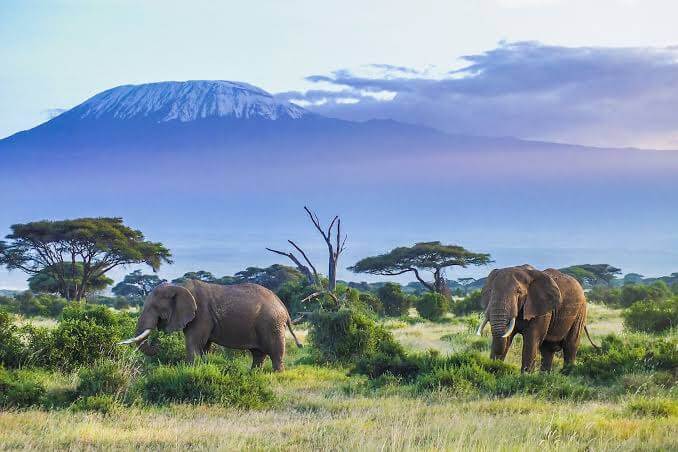
What Are the Best Wildlife Photography Tips for Kenya?
Kenya offers one of the most rewarding wildlife photography experiences in Africa. From open grasslands and dramatic escarpments to forests, wetlands, and coastal habitats, the country gives photographers many chances to capture wildlife in natural settings. More importantly, Kenya allows you to photograph animals within diverse landscapes rather than placing every experience around a single ecosystem. This variety makes Kenya suitable for beginners who want to learn wildlife photography as well as experienced photographers who want to create professional-quality images.
The country also provides remarkable opportunities to photograph the Big Five, including lions, elephants, leopards, buffaloes, and rhinos. However, excellent wildlife photography involves much more than finding famous animals. You need to understand light, animal behavior, camera settings, composition, distance, weather, and patience. Therefore, a successful Kenyan safari should combine good photographic preparation with responsible wildlife viewing.
Kenya’s major wildlife areas offer different photographic opportunities. The Maasai Mara provides expansive savannah scenes and excellent opportunities to photograph predators, herbivores, birds, and dramatic interactions. Amboseli creates striking images of elephants against Mount Kilimanjaro, while Samburu introduces photographers to dry landscapes and distinctive northern species. Tsavo, Lake Nakuru, and other destinations add further variety.
The best approach is to treat wildlife photography as a complete safari skill rather than simply a camera exercise. Prepare before you travel, learn how your equipment works, understand animal behavior, and remain ready when an unexpected moment appears. With the right approach, even a simple game drive can produce powerful images that communicate the character, beauty, and wild spirit of Kenya.
Combined Uganda, Kenya, Rwanda and Tanzania Safaris
17 days Kenya Tanzania and Uganda safari
19 Days Uganda Kenya and Tanzania Safari
16 Days Kenya Tanzania and Uganda Safari
14 Days Kenya Uganda and Tanzania Safari
14 Days Kenya Uganda and Rwanda Safari
12 Day Gorilla Trekking and Tanzania Safari
Choose the Right Camera Equipment for a Kenyan Safari
Your camera equipment can influence the quality of your wildlife photographs, but you do not need the most expensive professional system to create strong images. The most important factor involves choosing equipment that matches the type of wildlife photography you plan to do. A camera with reliable autofocus, good low-light performance, and a fast continuous shooting mode provides a strong foundation. These features become particularly useful when animals move quickly or when lighting changes during a game drive.
A telephoto lens remains one of the most useful pieces of equipment for Kenyan wildlife photography. A lens in the 100–400mm range offers flexibility for many safari situations, while longer lenses can help you frame distant animals without moving closer. However, extremely long lenses can become difficult to handle, especially when you photograph from a moving safari vehicle. Therefore, balance reach with comfort and stability.
A second camera body can also prove valuable for serious photographers. You can keep one body with a longer lens and another with a wider lens. This setup reduces the need to change lenses while dust surrounds the vehicle. It also allows you to respond quickly when an animal suddenly approaches.
Bring extra batteries and memory cards because wildlife photography can consume both quickly. Dust protection also matters. Keep equipment inside a protective bag when you do not use it, and carry a microfiber cloth for removing dust from the lens. A beanbag can provide excellent support when shooting from a safari vehicle. It offers stability without taking up the space of a large tripod.
Learn the Best Camera Settings for Wildlife Photography
Understanding camera settings gives you greater control over your photographs. Wildlife rarely waits while you adjust your camera, so learning your preferred settings before arriving in Kenya can make a major difference. Start by becoming comfortable with shutter speed, aperture, ISO, autofocus modes, and exposure compensation.
Shutter speed plays a major role in wildlife photography. Use a faster shutter speed when photographing running animals, birds in flight, fighting predators, or other rapid movement. A slower shutter speed can work for calm animals, but you need to watch for camera shake and subject movement. As a general starting point, many wildlife photographers work around 1/1000 second for fast-moving subjects and adjust from there depending on the conditions.
A wide aperture can separate an animal from a distracting background. However, extremely wide apertures can produce a very shallow depth of field. When photographing two animals together, you may need a smaller aperture to keep both subjects sharp. Therefore, do not choose your aperture simply because the lens allows it.
Auto ISO can help when light changes quickly. Kenya’s early morning and late afternoon conditions can shift from dim to bright within a short period. Allowing ISO to adjust within a controlled range can help you maintain a useful shutter speed.
Autofocus also deserves attention. Continuous autofocus works well when animals move toward or away from you. Use a suitable focus area and track the subject rather than relying on a single focus point for every situation. Most importantly, practice these settings before your safari. You should understand your camera well enough to concentrate on the animal instead of searching through menus.
Use Kenya’s Golden Hours to Capture Better Wildlife Images
Light can transform an ordinary wildlife photograph into a memorable image. Kenya’s early morning and late afternoon often provide some of the most attractive conditions for wildlife photography. During these periods, the sun sits lower in the sky, producing softer light, longer shadows, warmer tones, and greater texture across the landscape.
Early morning game drives offer another advantage: animal activity often remains high. Predators may still move through the grass after a night of hunting, while herbivores begin feeding as the day starts. Birds also become active, creating additional opportunities for photographers. Combining active wildlife with soft morning light can produce excellent results.
Late afternoon provides a different mood. Warm sunlight can illuminate an animal’s face, outline its body, or create a glowing rim around fur and feathers. Furthermore, the changing light can make the same animal look completely different within minutes.
Avoid relying on bright midday sunlight whenever possible. Strong overhead light can create harsh shadows and reduce the depth of an image. Nevertheless, midday does not mean you should stop photographing. Cloud cover can soften the light, and unusual behavior can happen at any time. Instead of ignoring the conditions, learn to adapt.
Pay attention to where the sun sits in relation to the animal. Front lighting can reveal facial details, side lighting can emphasize texture, and backlighting can create silhouettes or glowing edges. The strongest photographers do not simply wait for good light; they position themselves and anticipate how light will interact with wildlife.
Understand Animal Behavior Before Pressing the Shutter
Wildlife photography becomes much easier when you understand what animals may do next. You do not need to become a wildlife scientist, but learning basic behavior can help you anticipate photographic moments. Watch the animal before taking photographs. Look at its posture, direction of movement, attention, and interaction with other animals.
For example, a lion that suddenly raises its head may have noticed something nearby. An elephant that changes its ear position may respond to another animal, a vehicle, or a sound. Birds often change posture immediately before taking flight. These small clues can give you valuable preparation time.
Patience matters just as much. Many photographers take hundreds of photographs because they press the shutter continuously without observing the subject. Instead, watch for meaningful moments. A yawn, interaction, stare, jump, chase, feeding sequence, or display can tell a stronger story than a simple portrait.
Predicting movement also helps with composition. If an animal walks toward the left side of the frame, leave space in front of it. This creates visual breathing room and makes the image feel more natural. Similarly, if a bird prepares to fly, give it room in the direction of movement.
Never pressure wildlife for a photograph. Ethical photography must always come first. Follow park rules, maintain safe distances, and respect instructions from professional guides and rangers. A photograph should document a wild moment without changing the animal’s behavior.
Master Composition for Powerful Kenya Wildlife Photographs
Good composition separates a technically sharp photograph from an image that communicates a story. Kenya’s landscapes give photographers an advantage because wildlife often appears against large, open backgrounds. Instead of filling every frame with an animal’s body, consider how the surrounding environment can strengthen the photograph.
The rule of thirds provides a useful starting point. Place the animal slightly away from the center and leave space in the direction it faces or moves. However, do not treat the rule as a strict formula. Centered compositions can work particularly well when an animal looks directly into the camera.
Use natural elements to add depth. Grass, trees, rocks, mountains, water, and distant hills can establish a sense of place. An elephant standing beneath the vast sky can communicate scale more effectively than a tight headshot. Similarly, a lion surrounded by golden grass can tell a stronger story about its habitat.
Try both horizontal and vertical compositions. Horizontal framing often works well for landscapes and groups of animals, while vertical framing can emphasize height, posture, or a single animal. Take a few seconds to consider the background before pressing the shutter.
Background control remains important. A cluttered background can distract attention from the subject. Change your position slightly when possible, adjust your focal length, or wait for the animal to move into a cleaner area.
Most importantly, photograph more than faces. Capture paws, horns, trunks, tails, eyes, silhouettes, family groups, interactions, and landscapes. A complete safari photo collection should show the animal and the world around it.
Photograph Wildlife From a Safe and Responsible Distance
Responsible wildlife photography protects both people and animals. Kenya’s wildlife is wild, powerful, and unpredictable, even when animals appear calm around safari vehicles. Therefore, never sacrifice safety for a closer photograph.
Your safari guide plays an important role in maintaining a safe experience. Follow instructions about where the vehicle can stop, how close it can approach, and when you should remain inside. Do not shout at animals, make sudden movements to attract attention, or ask a driver to pursue an animal simply to improve a photograph.
A longer lens can solve many distance problems. Instead of trying to move closer, use your lens to achieve the composition you want. Modern cameras also provide enough resolution for moderate cropping, giving you additional flexibility.
Vehicle positioning matters as well. A good guide can help place the vehicle where you have a clear view without disturbing the animals. Positioning becomes especially important during predator encounters, animal crossings, and bird photography.
Respecting distance also improves your photographs. Animals that behave naturally often create better images than animals reacting to human pressure. When wildlife continues feeding, walking, resting, playing, or hunting naturally, you have a better chance of capturing genuine behavior.
Ethical wildlife photography therefore serves two purposes. It protects the animals and improves the quality of your work. A photograph becomes more valuable when it captures a real moment without forcing the scene.
Make the Most of Kenya’s Different Wildlife Destinations
Kenya offers several destinations, and each can contribute something different to a wildlife photography trip. Choosing locations according to your photographic goals can significantly improve your results.
The Maasai Mara is particularly valuable for photographers who want dramatic savannah scenes, big cats, large herbivore groups, birds, and predator-prey interactions. The open terrain can provide clear sightlines, while changing light creates strong landscape opportunities. If you enjoy storytelling photography, the Mara offers plenty of material beyond close-up animal portraits.
Amboseli provides a distinctive photographic setting because elephants often move across open plains with Mount Kilimanjaro forming a dramatic background when weather conditions allow. This combination creates opportunities for environmental portraits and wide landscape compositions.
Samburu offers a different visual character. Its dry landscapes, rocky terrain, and distinctive wildlife can produce images that look very different from classic southern Kenya savannah photographs. The changing colors and textures of the region also add variety to a safari portfolio.
Tsavo provides enormous landscapes and a strong sense of wilderness. Its vast scale encourages photographers to think beyond individual animals and capture habitat, movement, dust, light, and distance.
Lake Nakuru and other wetland environments can also provide excellent bird photography opportunities. Flamingos, pelicans, eagles, herons, and many other species create opportunities to practice tracking, flight photography, reflections, and environmental compositions.
Rather than trying to photograph everything, choose destinations that match your interests. A focused photographic itinerary often produces better results than rushing through many locations.
Prepare for Dust, Weather, and Changing Safari Conditions
Kenyan safari conditions can change quickly, and wildlife photographers should prepare accordingly. Dust represents one of the biggest equipment challenges, particularly on dry roads and during long game drives. Keep your camera protected whenever you are not actively photographing and avoid changing lenses unnecessarily in dusty environments.
Weather can also change your photography opportunities. Cloudy skies may initially seem disappointing, but soft light can produce beautiful animal portraits. Rain can create reflections, dramatic skies, wet fur, and unusual behavior. Therefore, do not judge the photographic value of a day simply by looking at the weather forecast.
Dress practically as well. Neutral colored clothing can help you remain comfortable without drawing unnecessary attention to yourself. A light jacket can protect you during cool morning drives, while sun protection becomes important later in the day.
Carry enough water and keep your equipment organized. When you need something quickly, you should know exactly where it is. A messy camera bag can cause you to miss a short photographic opportunity.
Backup your photographs regularly during a multi-day safari. Memory cards can fail, cameras can suffer damage, and mistakes can happen. Carrying a laptop or reliable storage device allows you to create additional copies of your work.
Good preparation reduces stress. When your equipment, clothing, batteries, memory cards, and storage system are ready, you can focus more fully on wildlife and the changing environment around you.
Practice Patience and Capture the Story of the Safari
Patience remains one of the most important wildlife photography skills. Kenya can reward photographers who wait rather than constantly searching for the next animal. Wildlife behavior often unfolds slowly, and the strongest moment may arrive after several quiet minutes.
Instead of photographing only when something dramatic happens, observe the complete scene. Watch how animals interact with their surroundings. Look for changes in posture, direction, light, and group behavior. A quiet moment can become a powerful photograph when you understand its context.
Consider creating a visual story during your safari. Start with wide landscape images that establish the destination. Then photograph animals in their environment, followed by closer portraits and behavioral moments. Finally, capture small details such as footprints, feathers, plants, textures, and changing skies.
This approach creates a stronger collection than hundreds of unrelated close-ups. It also helps viewers understand the journey rather than simply seeing individual animals.
Do not measure success by the number of photographs you take. Ten carefully chosen photographs can communicate more than a thousand repetitive frames. Review your images when you have time, identify what worked, and adjust your technique on the next game drive.
Most importantly, remember that wildlife photography combines technical skill with observation. The camera records the moment, but your patience, positioning, timing, and understanding determine what that moment becomes.
Final Thoughts: Creating Exceptional Wildlife Photography Experiences in Kenya
Kenya gives wildlife photographers an extraordinary combination of animals, landscapes, light, culture, and changing seasons. However, great photographs do not come from equipment alone. They come from preparation, patience, ethical behavior, strong composition, accurate camera settings, and a willingness to observe wildlife carefully.
Before your safari, learn your camera and practice tracking moving subjects. During the trip, prioritize early morning and late afternoon light, maintain safe distances, and listen to your professional guide. At the same time, remain flexible because some of the best photographic moments happen without warning.
Choose destinations according to your goals. The Maasai Mara can provide powerful predator and savannah photography, Amboseli can create memorable elephant and mountain compositions, while Samburu and Tsavo can add different landscapes and wildlife experiences to your portfolio. Consequently, a well-planned itinerary can produce a much richer collection of photographs.
Above all, approach wildlife photography with respect. The goal should never be to control nature for a picture. Instead, allow the animals to behave naturally and use your skills to document those moments responsibly. That approach protects wildlife while producing photographs with genuine character.
For travelers who want a carefully planned Kenyan safari built around wildlife viewing, photography opportunities, reliable guidance, and authentic African experiences, Giant Holiday Safaris provides a trusted approach to exploring Kenya. With thoughtful planning and professional safari support, your journey can become more than a photography trip it can become a meaningful encounter with the wild landscapes and remarkable wildlife of Africa.